Rediscovering a gem in Second Life

Taka no Sakura
Taka no Sakura

One of the difficult aspects of being a chronicler of Second Life is that it is constantly evolving. Not just technically, but also in terms of the ebb and flow of life. Regions arrive, are built, grow, change, are rebuilt, exchanged, and sometimes lost. This means that in documenting one’s own travels, it is sometimes necessary to retrace footsteps just to see what has occurred since a last visit, particularly if that visit was six or more months ago. Many are just as they were, some, sadly, have vanished, quite possibly into memory as they are no more. When the latter occurs, it’s generally noted with sadness and regret. Fortunately, however, not all builds which vanish from their former locations have necessarily gone forever; some have simply relocated.

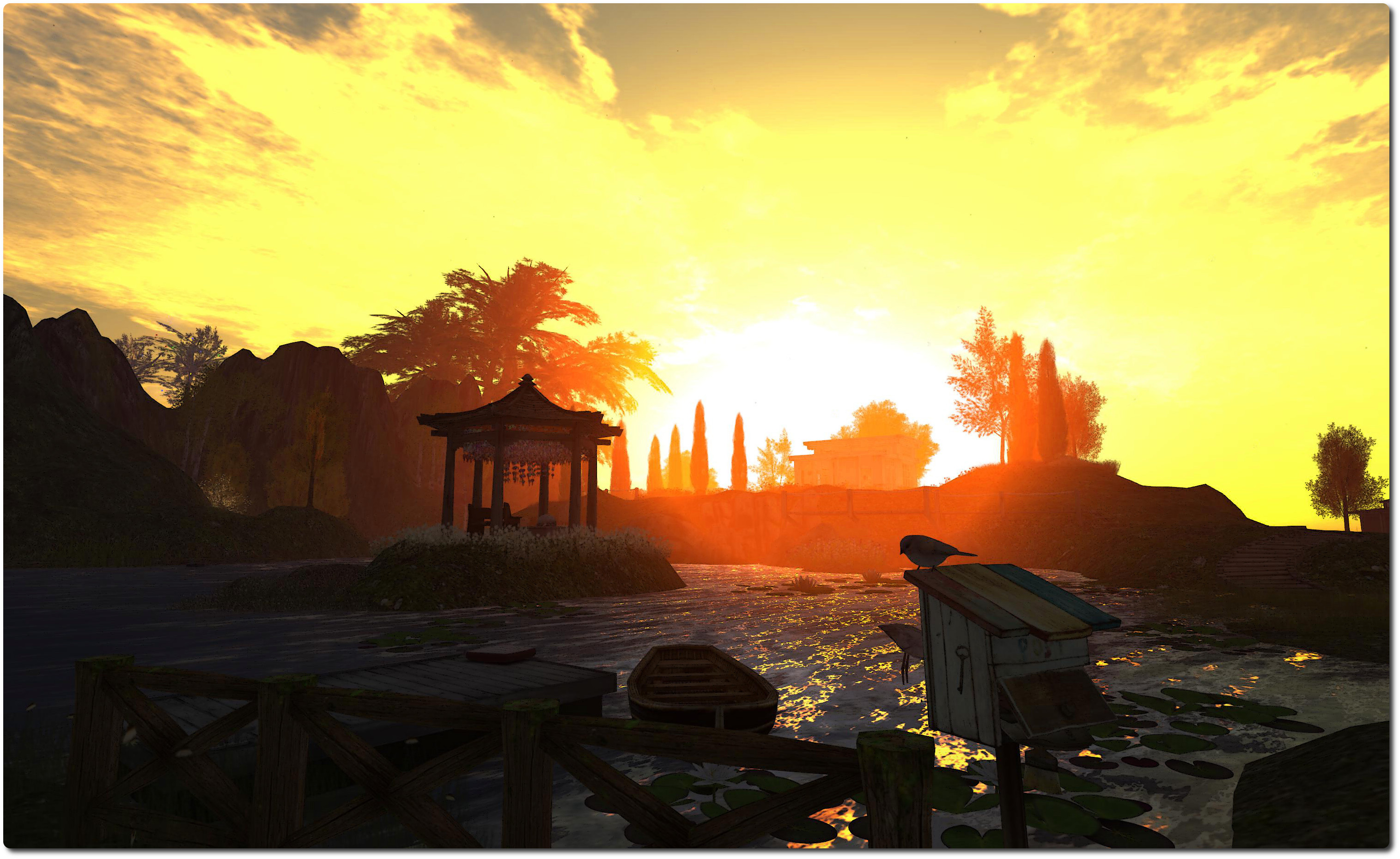
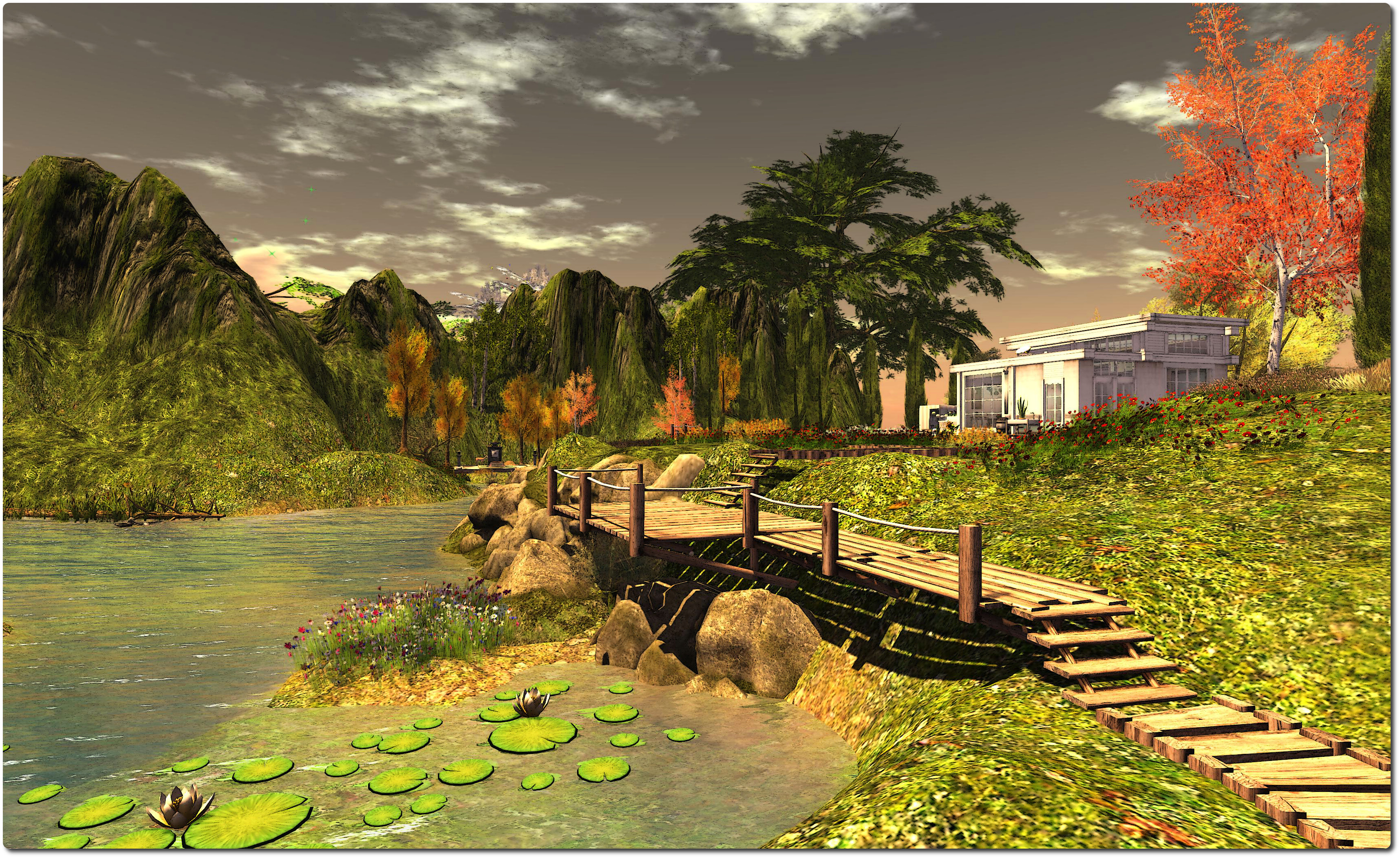
Such is the case with Taka no Sakura, a wonderful gem of a build I came across in July of 2013. While engaged in one of my periodic walks back across Second Life to see what had changed, I discovered this Edo period Japanese build had indeed vanished from its former home, but rather than having been closed, it had been moved to Midnight Dream and has been completely rebuilt. So it was with a sense of anticipation that I set out to rediscover it.

Taka no Sakura
Taka no Sakura

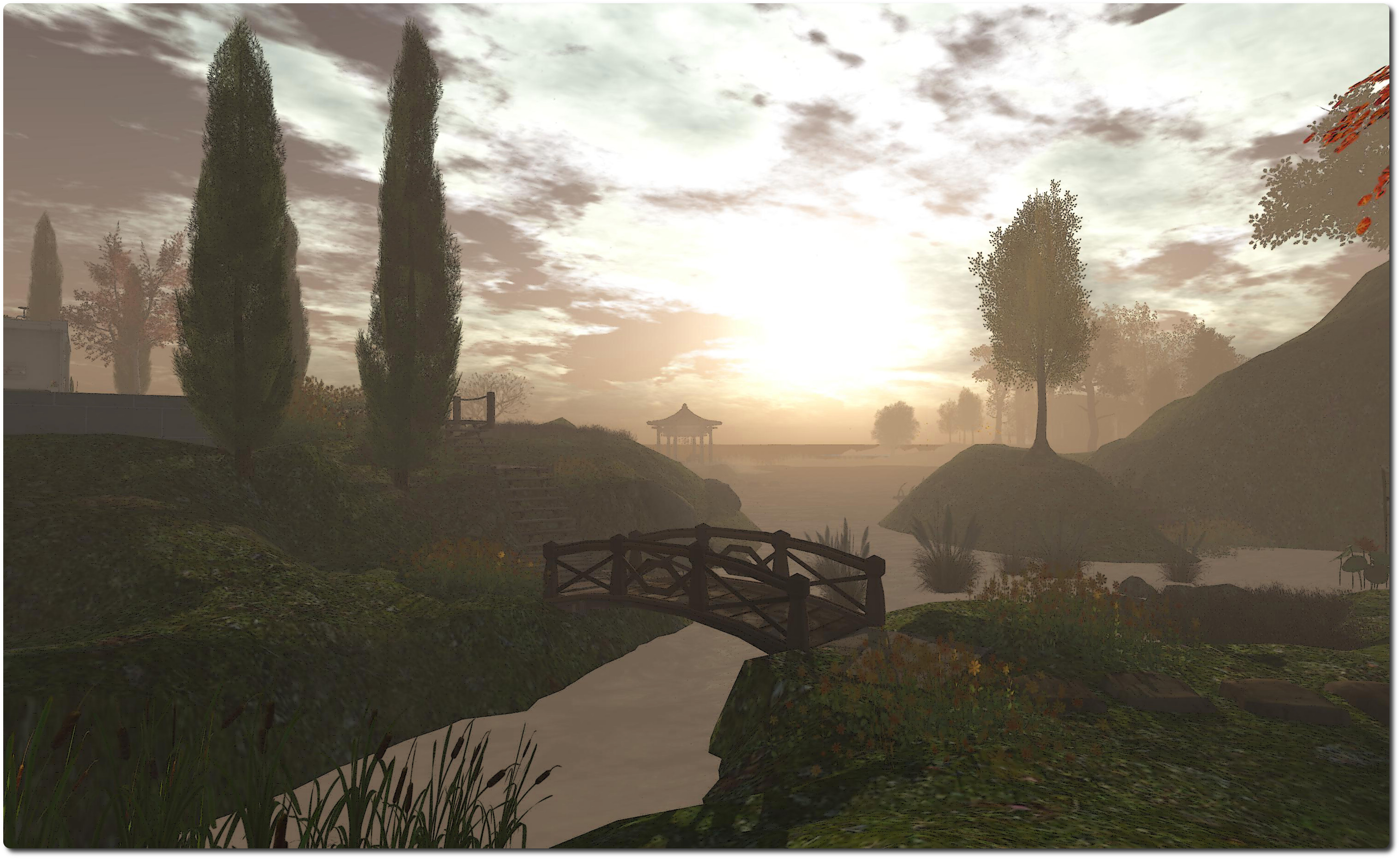
One of the many points which attracted me to the original build was the way in which it had been composed with a number of focal-points, each with its own attractiveness. all of which drew one in, and which encouraged the artist in me to try to produce images just a little different from those for other destinations. While the “new” Taka no Sakura is of a very different design, it has lost none of that attractiveness; nor has it lost any of the other aspects which drew me so powerfully to the original.

The theme is still that of Edo period Japan, and there are still the little quirks in the build which immediately brought a smile to my lips simply because of their charm – such as the little vendor carts scattered around the region, all fitted with bicycle wheels and rubber tyres, and some hiding propane gas cylinders!

Taka no Sakura
Taka no Sakura

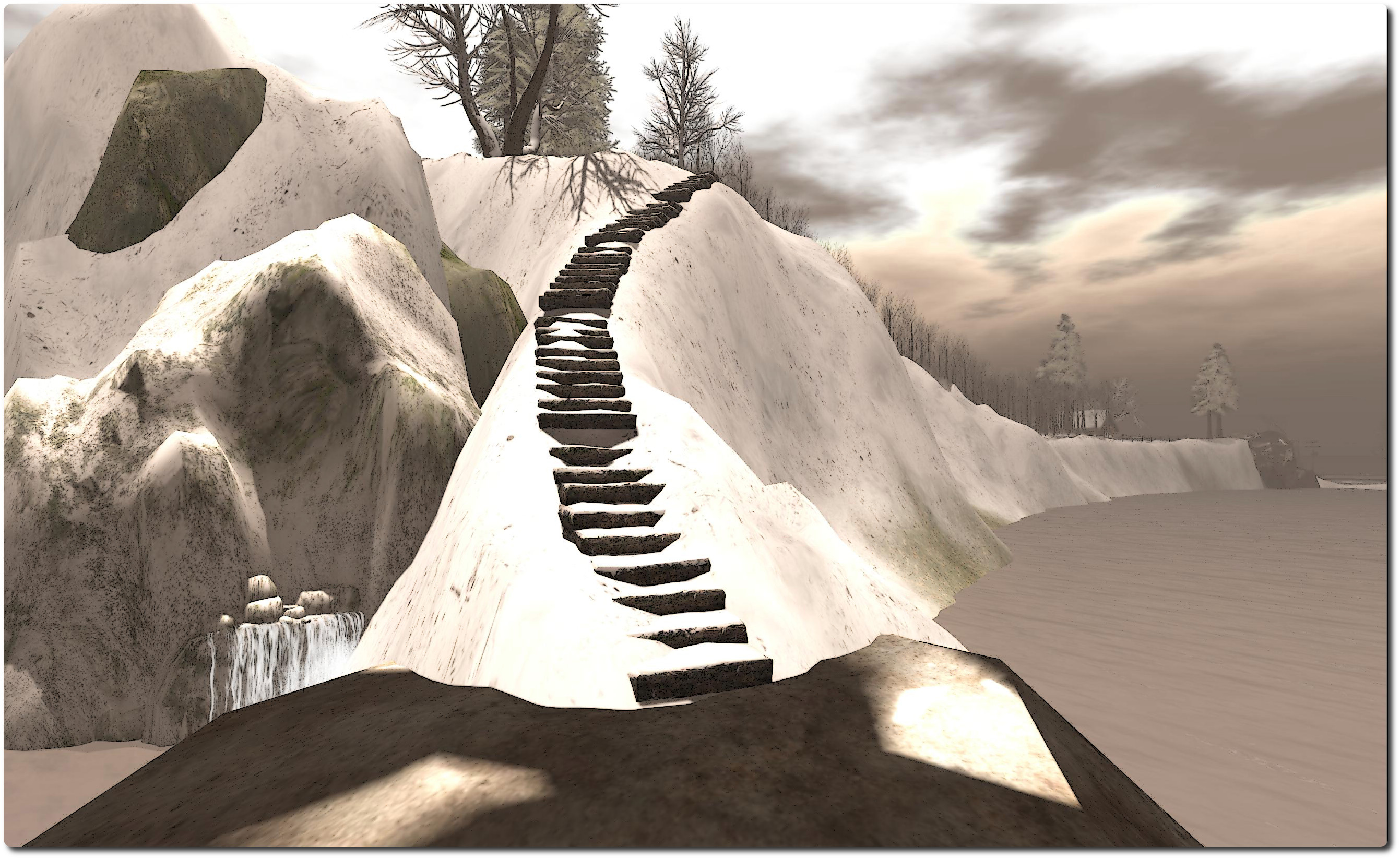
This is a rocky, mountainous landscape, cut through with deep channels of water which surround the island and one of which almost cuts the region in two, forming somthing of a narrow harbour where sits a quayside and commerce area. This is where you arrive on teleporting to the region via search. Paths lead away from this area wind through the region, stone lamps lighting the way as the sun sets, talking you on a journey of exploration, up hill, over dale, and through bamboo forests.

Follow these, and you’ll be taken across bridges to high wall gardens and down to a village sitting nestled between high cliffs. Steps and paths will also show you the way to high temples and an impressive clan house and shoreline hideaways.

Along the way there is much to discover and enjoy; there is an artful attention to detail here and also flashes of a whimsical sense of humour – or quite possibly opportunities for quite serious swordplay which leaves the vanquished quite possibly hanging on for dear life! 🙂

Taka no Sakura
Taka no Sakura

Windlight plays an important role here; the selected preset – Bristol – complements the setting perfectly. so much so that it’s hard to find reason why one would want to fiddle around for alternatives. such is the care with which sky and sim surround have been brought together to create an impressive sense of depth to the region. Not that the region doesn’t lend itself to experimenting, of course; just that it’s worthwhile looking through the camera’s viewfinder using the default and simply tweaking the time of day.

Last time around, my old PC was suffering mightily with graphic issues, leaving me reliant on basic screen captures for images (which also formed a reason for trying to put together images of the region that were just that little bit different). Although I’m not a great believer in trying to get lightning to strike twice (you only tend to end up getting burnt, after all), I couldn’t resist playing with the images I took this time around to try to emulate the look and feel I managed to develop back in July. I hope you’ll forgive me that indulgence!

Related Links

[gigya src=”http://www.flickr.com/apps/slideshow/show.swf?v=71649″ width=”625″ flashvars=”offsite=true&lang=en-us&page_show_url=/photos/inara-pey/sets/72157637947566253/show/&page_show_back_url=/photos/inara-pey/sets/72157637947566253/show/show/&set_id=72157637947566253&jump_to=” allowFullScreen=”true” ]
Whispering Wind and a summer breeze

Whispering Wind; Inara Pey, November 2013, on FlickrWhispering Wind (Flickr) – click any image for full size

In December 2012, I visited Whispering Wind, a Homestead region neatly split between Tab Tatham’s Tatty Soup, and Lindini2 Lane’s L2 Studio. At the time of that visit, I focused more on Tab’s Tatty Soup, and really only made passing mention of L2 Studio.

Now, 12 months on, Tatty Soup is no more, Tab having moved her store to a new location, but L2 Studio is still there, and while winter holds sway over the northern hemisphere in the real world as well as making its presence felt across numerous regions in-world, L2 Studio remains firmly in the grip of a balmy late summer.

Whispering Wind; Inara Pey, November 2013, on FlickrWhispering Wind (Flickr)

It’s a delightful region to visit, whether you’re looking for a new place to explore and photograph or simply want to while away a little time. Two houses sit across the length of the parcel from one another, separated by what is perhaps best described as flooded lowlands. Don’t be concerned by the presence of the houses, however; they are not private residences, they are show homes from the L2 Studio range, and visitors are welcome to explore them.

Nestled under the narrow hills which divide the region in two, and located slightly closer to one of the houses than the other, sits the L2 Studio store itself, which has on display vendor board for the L2 Studio range. A cobbled path links the store with the nearer of the two houses, crossing a narrow causeway overlooking water on each side.

Whispering Wind; Inara Pey, November 2013, on FlickrWhispering Wind (Flickr)

As well as the houses and studio, there are wooden walkways, beaches, places to sit, wildlife and animals to observe  – in short, more than enough to keep the SL explorer and photographer well occupied as they wander around.

Given the beauty and setting of the parcel, it should come as no surprise that it naturally lends itself to many different windlight presets, and looks marvellous by day or night – taking your time to experiment is the key factor here.

This is likely to be the kind of place that makes the latest improvements to interest list loading (at present available in a release candidate viewer, but up for promotion to LL’s main release viewer “real soon now”) a real joy. The design of the parcel is such that once cached, it’s liable to pop-up in front of you as soon as you make a return visit.

Whispering Wind; Inara Pey, November 2013, on FlickrWhispering Wind (Flickr)

If you’re looking for a little break from all the wintertime wonderlands which are very much a part of the grid at this time of year, L2 Studio could be just the tonic. While other regions may have you longing for a warm fire and a big mug of hot chocolate to wrap your hands around, right now L2 Studio will have you wandering in shirt sleeves and perhaps dipping a toe or five into the waters which form a part of the parcel’s charm and character, just so you can feel a little cooler in the summer warmth.

Related Links

Seeking Invisible People

Invisible People
Invisible People

I’ve mentioned previously in this blog that I’m an unashamed fan of Rebeca Bashly, so when I found out via Ziki Questi that Rebeca has a new exhibit in Second Life, time had to be set aside to visit it.

Invisible People is a stunning piece which pokes at the social conscience within us. It is simple enough in explanation, but as with all things, simplicity hides a complex structure.

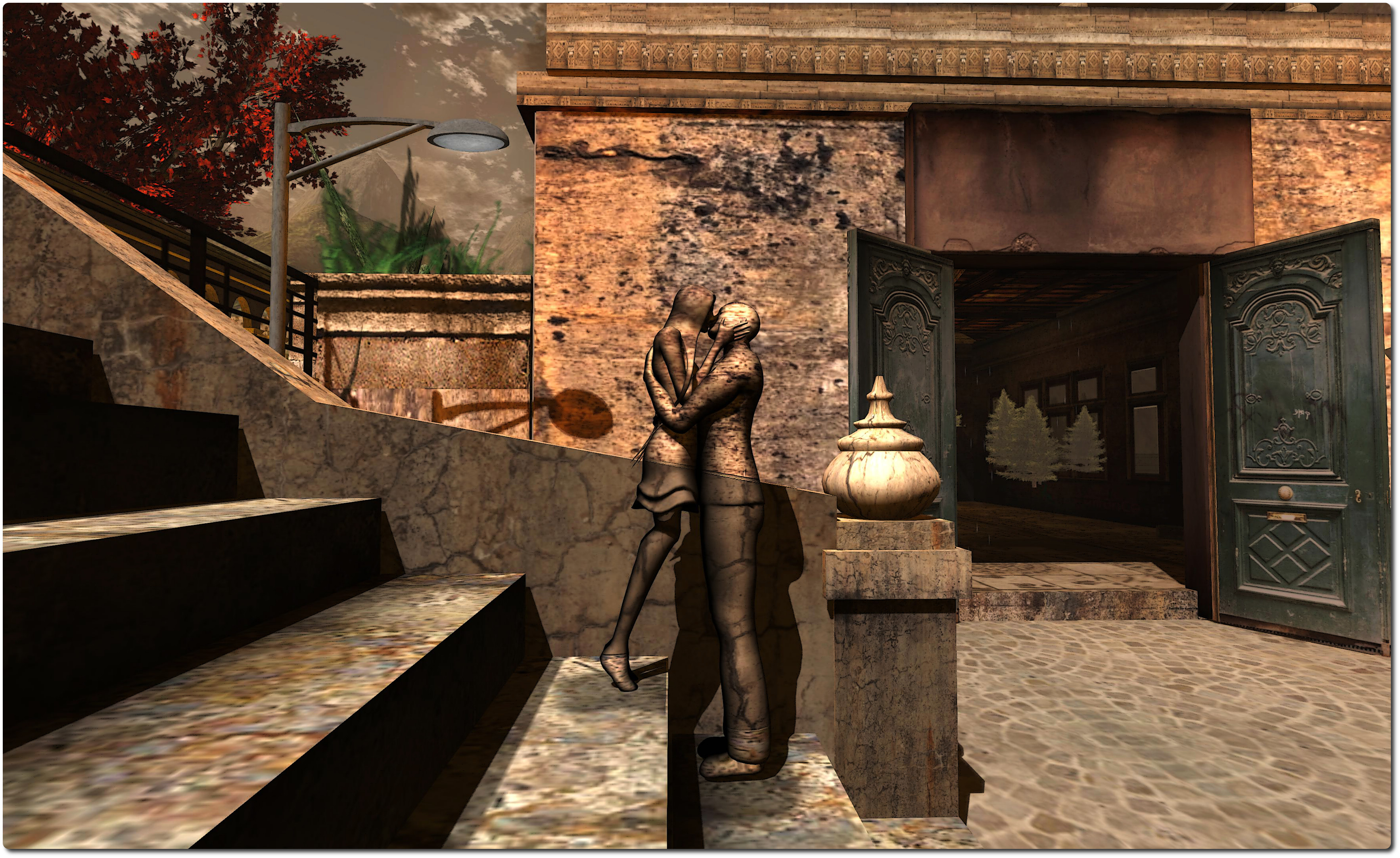
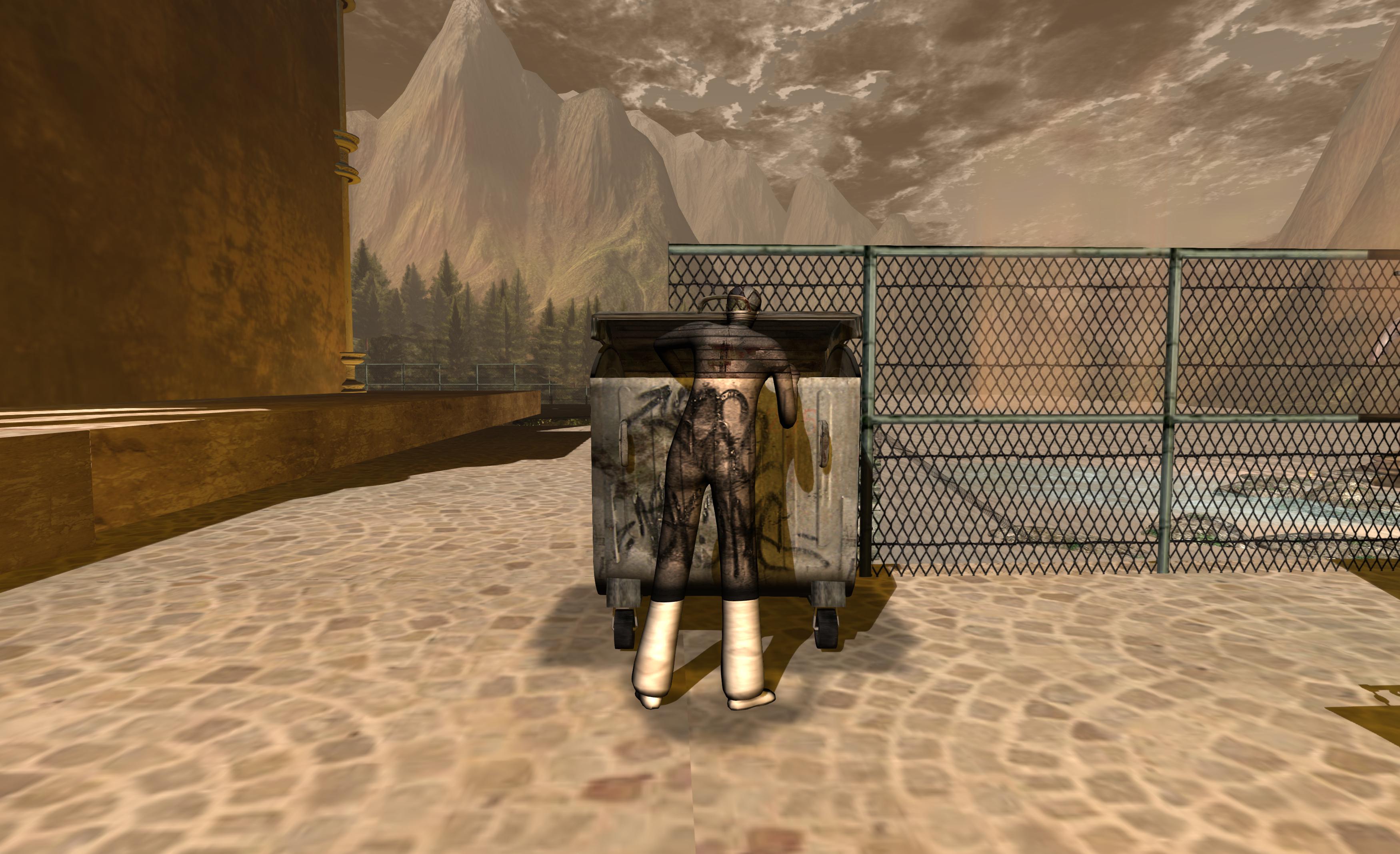
Scattered around La Citta Perduta (the Lost City) on the region Land of Glory are twenty-one little vignettes. Each features a character or two, sometimes three, engaged in various activities. Some are lounging on or against railings, some are seated, some are shuffling along or engaged in various activities from feeding or scaring pigeons to spraying graffiti on walls. All have one thing in common: they are textured such that if you align your camera correctly, they fade into the background of the scene behind them.

Invisible People
Invisible People

This takes a little practice, and aligning things comes easier with some of the sculptures than with others. It’s also fair to say the finished effect can also rely on your choice of lighting, windlight-wise, so you might what to have a little play when you visit – the region’s default lighting isn’t always the best. Also, depending on the steadiness of your hand, the impact of lag (and either end of the connection) and the vagaries of working with the camera and camera controls, you might also want to turn off basic shaders while fine-tuning the position of your camera on a given character and then re-enable them before snapping your shots. However, the finished result is worth the effort, not just because of the sense of achievement you get when things are lined-up, but because the very act of trying to align things draws you into each scene, and  – for me at least – results in seeing it from an entirely different perspective.

Invisible People
Invisible People

“This is a story, presented thru camouflage body art,” Rebeca tells us through the introductory notecard. “About all those people that you pass by on the streets every day and never notice them…” And this is where, perhaps, our social conscience is pricked.

“Invisible people” is a term which is often used to describe those is society we so often “don’t see” (or prefer not to see) or contemplate. The infirm, the elderly, the disabled, the homeless, the underpaid. As well as presenting a unique and engaging piece of visual trickery through the careful application of textures, this is a piece which actually underlines the way in which we do so often, individually and collectively, turn a blind eye to those is society we might prefer not to think about.

Each of the little vignettes raises questions as to what it is we’re actually seeing. Some appear to be straightforward, such as the couple kissing on the steps or the young boy rushing to startle the pigeons in the square. Others, however, carry perhaps something of a different message.  Is the man curled on the bench resting, or is he lying there for want of nowhere else to sleep at night? And what of the man with his head inside the dumpster? Is is dumping something or looking for something? Then there’s the young girl leaning against an alleyway wall and beneath a lamp, is she merely awaiting a friend or a client? Is the old woman carrying her shopping in her oversized bag, or her entire life?

Invisible People
Invisible People

These possible subtexts gives Invisible People a powerful voice which, for me at least, reaches beyond the visual appeal of the pieces. indeed, it might be said that the latter is simply a means of drawing the observer into each of the scenes, opening our minds as to what each actually might represent or how it might be interpreted.

Certainly, in my case,  and as I explored the streets of the lost City, discovering each of the little vignettes in turn, I found myself thinking more and more of one song in particular.

Invisible People is open now, and for those who can photograph all 21 of the sculptures as they are intended to be seen, Rebeca is offering a personal gift. It’s a wonderful, thought-provoking piece and well worth taking time to visit. Recommended.

Related Links

Oceania Planetary Park: a voyage through the solar system

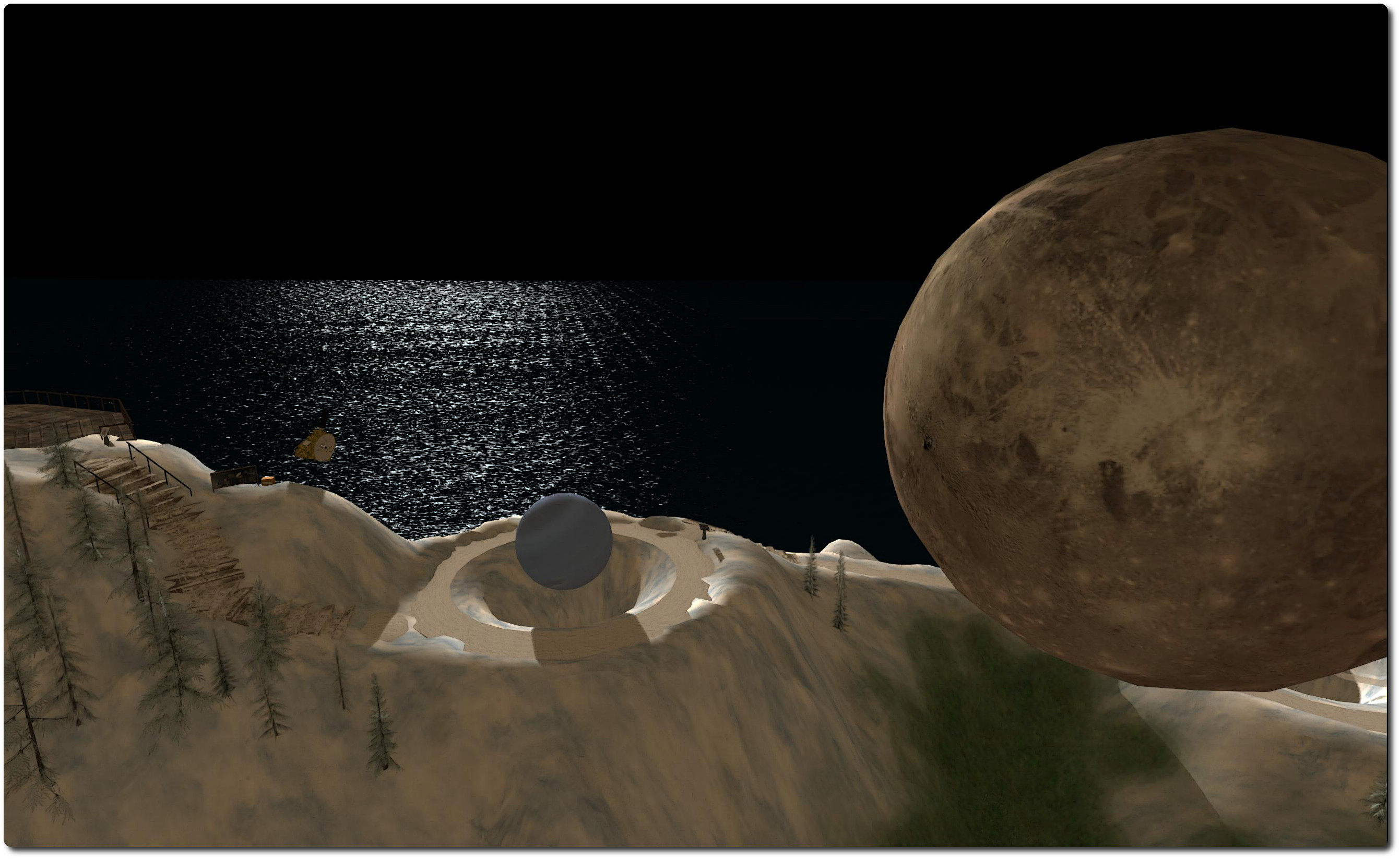
Trton, the largest moon of Neptune, with its parent planet in the backgroun, part of the Oceania Planetary Park
Trton, the largest moon of Neptune, with its parent planet in the background, part of the Oceania Planetary Park

Opening on Saturday November 16th as a part of the Linden Endowment for the Arts Artist In Residence series, Oceania Planetary Park is the work of Kimika Ying.

Designed as an educational and informative piece, the installation provides visitors with a journey through the solar system – and more. The basic concept is simple to grasp, but actually hides a wealth of detail; as such, the visitor needs to have a little patience, a good hand for moving the camera around and a good eye for spotting things.

You arrive more-or-less at the centre of the region, which has been landscaped as a park surrounded by hills. You’re actually standing on a disc representing the Sun, and a path winding away from it leads you through the parkland and past each of the planets in the solar system in their order of distance from the Sun, winding slowly up towards an observatory sitting up in the hills.

Mars, Oceania Planetary Park

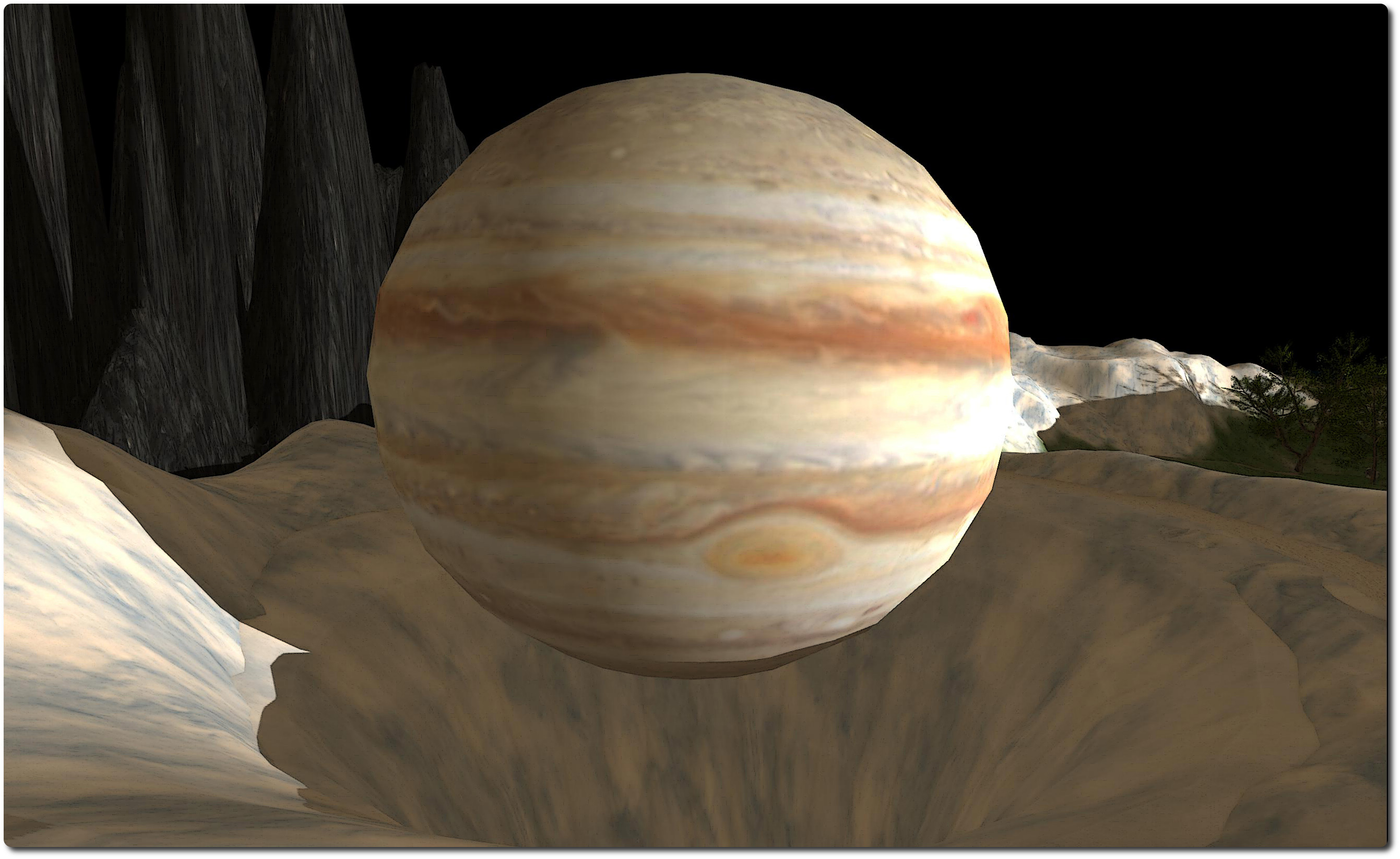
While the distances between the planets are not to scale, the models of the planets most certainly are, allowing the visitor to grasp the huge scale of the outer gas giants of the solar system when compared to the rocky inner worlds. The rotation of the planets is also to scale as well, with one minute of real-time representing 24 hours. This makes it possible to compare the familiar rotation of the Earth with the heady rotation of massive Jupiter, which spins on its axis every 9.9 hours, giving rise to the huge banded weather systems and turbulence visible in its dense atmosphere.

A further sense of scale can be obtained by keeping an eye out for the various moons of the planets which have been included, and which are also orbiting to a scale time of 1 minute to 24 hours. To see some, you have to carefully zoom out and pan around. In the case of Mars, however, you’ll have to zoom-in to the planet relatively closely to see tiny, tiny Phobos and Deimos, both likely captured asteroids, zipping around the planet, little more than dots compared to the bulk of the planet.

Phobos, the innermost of the two, is just some 9,377 kilometres above Mars, and zips around the planet in a little of seven and a half hours. So fast is Phobos’ orbit that, contrary to what logic might seem to dictate, it is slowly falling towards Mars as the result of gravitational tidal forces. At some point, Phobos will reach the Roche limit and well break up, showering the surface of Mars with its remains. Deimos, on the other hand, is further away from Mars (around 23,460 km) and orbiting more slowly than the planet is rotating. This mean tidal forces are having the opposite effect, slowly boosting Deimos away from Mars so that it will eventually break free of the planet’s hold on it.

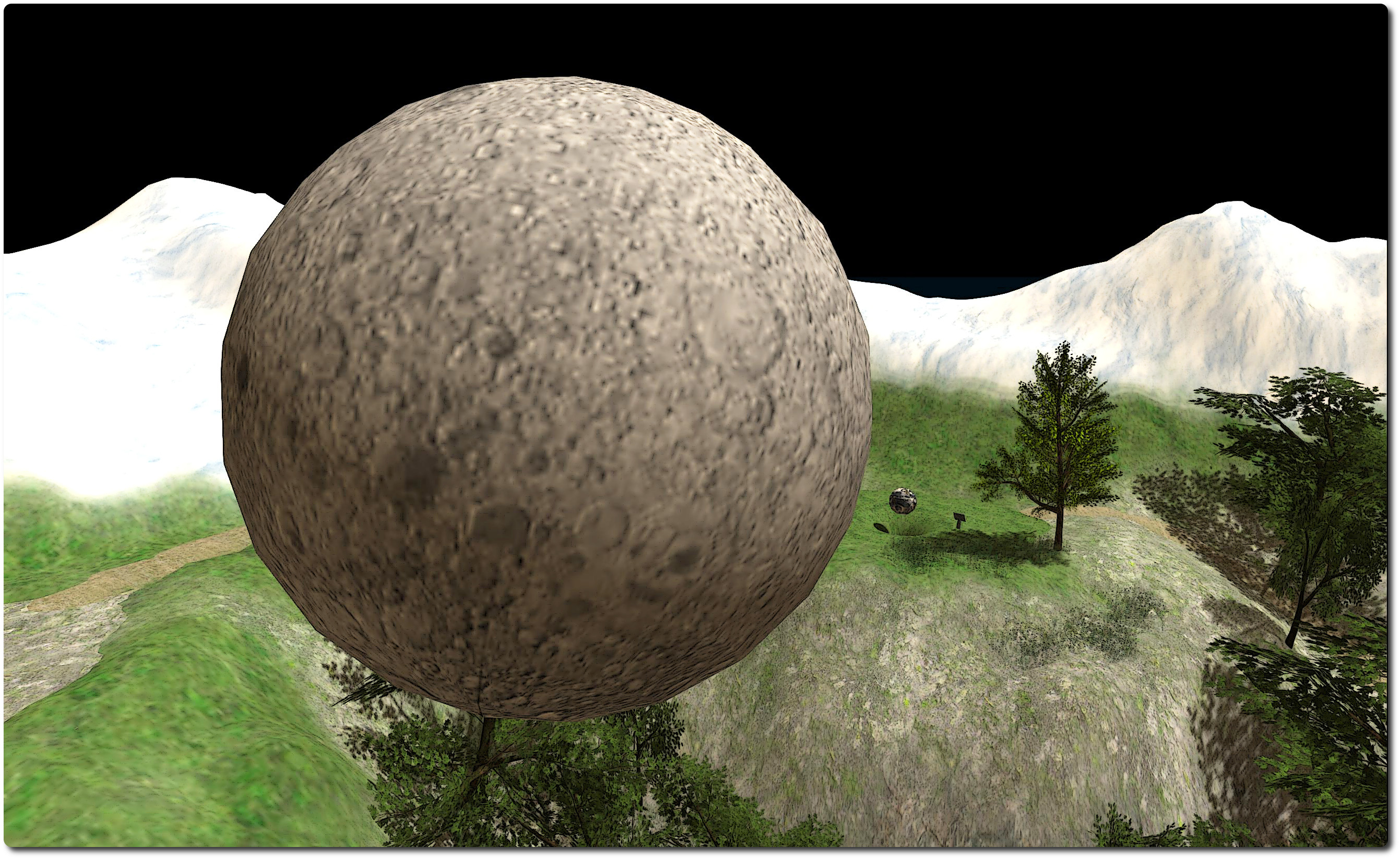
The far side of the Moon (often wrongly referred to as the "dark side" of the Moon) and below, the Earth
The far side of the Moon (often wrongly referred to as the “dark side” of the Moon) and below, the Earth

As the distances between moons and their “parent” planets are to scale, you’ll have to look a little further afield in order to see some of them, as noted above. Such is the case with our own moon, pictured above, and with Neptune’s Triton, seen in the picture at the top of this piece, which is nique among the large moons of the solar system as it is in a retrograde orbit about its parent. As you approach Jupiter, keep an eye out for Io, the most volcanically active place in the solar system, and the closest of the Galilean moons to their parent planet.  When you do find a moon, try clicking on it; a link to additional information may be offered to you.

Jupiter: Oceania Planetary Park

There are further touches here not to be missed. Each planet has its own information board which will give you a wealth of information on each planet, complete with links to external resources. The gravity well of each planet is neatly represented by a depression in the ground under it, making for a further means of comparison. As you  pass the planets, you may also note that texturing may appear to be missing on parts of them. It isn’t. Blank areas denote those parts which remain unseen by human and / or robotic eyes in our explorations of the solar system.

The path ends at the doors of the observatory. Just outside of this sit tiny Pluto and Charon, the largest of its five known companions.

Continue reading “Oceania Planetary Park: a voyage through the solar system” →

Small town winter

Small Town Green
Small Town Green

Winter is coming. At least in the northern hemisphere it is. I know this not so much because the days are getting shorter and colder (although these are both the case), but because today my car went to the garage for its pre-winter check-up. I’m a bit of a Sloane Ranger in that I don’t exactly live in the countryside (although I’m not far off it), but I do drive a 4×4 in the shape of a Land Rover Discovery. It’s a bit of a monster, I know, but I in part got it after my previous car was totalled in a head-on, courtesy of someone deciding going around corners on the wrong side of the road was a good idea. My other reason for getting it was that at the time, spending a good deal of my winter time in the woolly wilds of Northumberland, and having a 4×4 up there in winter really is a good idea.

Anyway, all the talk of winter checks and making sure everything was topped-up, cleaned-up, safe for the rigours of winter driving (ice, frost, snow, slush, salt, etc.), left me feeling I needed a little bit of an early winter wander in SL. There’s obviously going to be a good many regions switching to winter themes over the coming weeks (many already have, I know), so I opted to start my winter travels a little modestly, visiting a region I dropped-in on back in summer, but never actually blogged about.

Small Town Green
Small Town Green

Small Town Green has been completely redesigned since my initial summertime visit. Most of the region has been sunk to form a deep water bay surrounded by a U-shaped island, with a rocky central islet. While the theme is again winter in look and feel, rather than presenting a contiguous scene, the region is perhaps more of a series of interlinked tableaux, which makes for interesting wandering.

You start at the small town (village?) of the title, which lines a winding road leading away from the railway on the west side of the island and which meanders around to wilder country to the north-east, and the towers of an old stone bridge which looks to have once spanned the mouth of the bay.

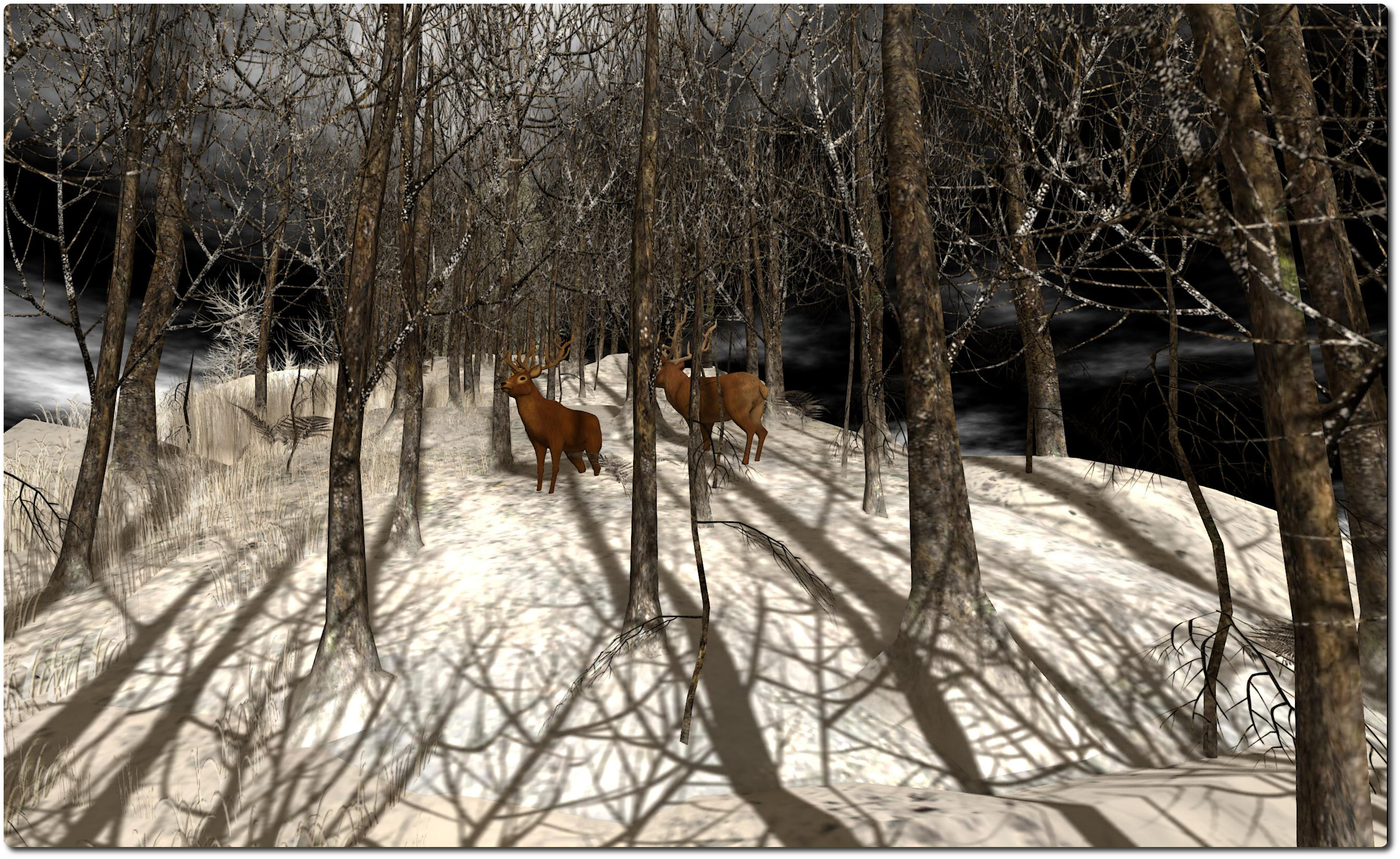
Meanwhile, the railway line, running from nowhere to nowhere on the west side of the island, forms a little tableau of its own which links with the town with the snowy hills to the south. Here sits a log cabin, possibly a house or perhaps a hunting lodge, with trees bereft of their leaves climbing up the hills behond in orderly ranks.Wander through the trees and you’ll pass reindeer and come to a small camp at the top which someone has managed to reach in their own 4×4, ready for a spot of snowboarding.

Small Town Green
Small Town Green

Each of these elements, together with the central island, linked to the rest by two slender rope-and-wood bridges, present the visitor with individual scenes to be enjoyed and photographed, while also leading one on from one to the next, encouraging exploration.

Within each of these scenes are additional stories, each of which is separated from the others and yet part of the whole. In the town, for example, there’s the pizza bar, clearly a takeaway service, sitting at the side of the road with only an old telephone box from the UK to keep it company.  Is the ‘phone box actually where orders for pizza are received? And what’s the story at the cottage at the foot of the hills? Clearly someone is living there – someone with a good taste in literature, given they’re reading F. Scott Fitzgerald. Are they a resident, or someone here for the hunting season? If so, are the reindeer further up the hill really safe?

Small Town Green
Small Town Green

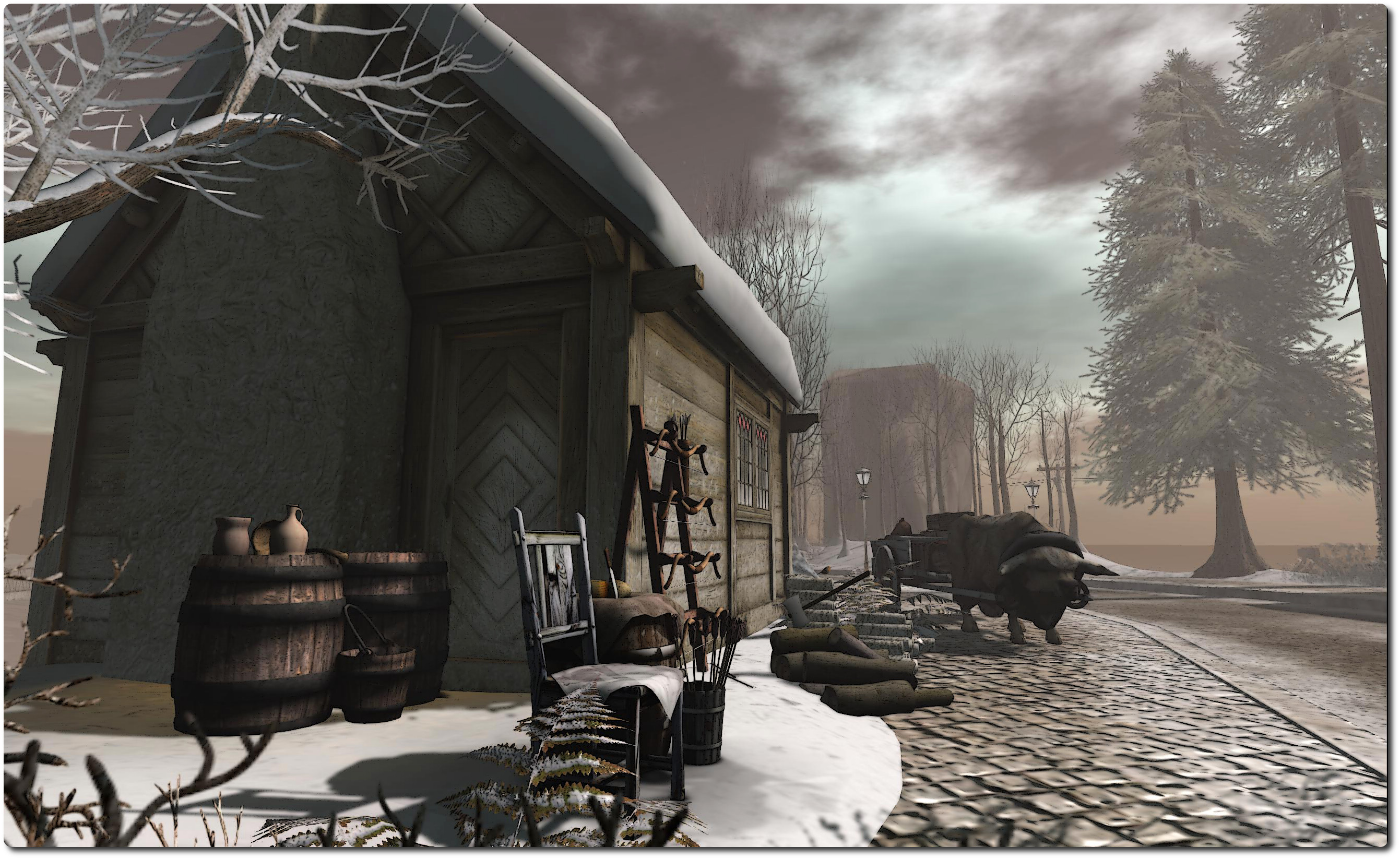
There are also odd little juxtapositions here as well, such as the old cart, complete with solid wooden wheels from a bygone era of history, slowly hauled down the street by a shaggy ox while shiny new cars sit parked at the roadside.

All told, Small town Green is an ideal location if you’re seeking somewhere that offers a number of unique locations linked by a central theme or series of idea for a photo shoot. It’s also ideal for the SL traveller who is looking for somewhere to simply enjoy a winter’s feel; the region lends itself particularly well to early morning misty settings in windlight, or early evening / night scenes.

I was also going to mention that you should make a point of crossing the bridges to the central islet and taking a peek at the frozen pond there, complete with penguins. On ice skates. Sadly, the penguins vanished at some point during my visit, to be replaced by a couple of ice sculptures.  While they are not quite as wacky as penguins on ice skates, the sculptures and the pond and its seats are still worth a visit.

Small Town Green
Small Town Green

Related Links

Ziki Questi’s “Lost Second Life”

Luminaros Divide - Ziki Questi, Lost Second Life
Luminaros Divide – Ziki Questi, Lost Second Life

To anyone reading this blog, it’s pretty obvious I like taking pictures of the places I visit in-world.  I’m the first to admit that I have an awful lot still to learn in terms of technique and in post-processing (where required). However, I have to admit that the ego in me does sometimes wonder what it would be like to put on an exhibition.

The reality is, of course, that I am just a happy snapper; therefore exhibitions are best left to those who know what they’re doing and who create some of the most memorable, creative and eye-catching images of their in-world experiences. People like Ziki Questi.

Ziki Questi: Lost Second Life

Ziki is rightly well-known and admired by many (including me) across Second Life for her incredible photographs which capture scenes and regions in amazing detail, and which are presented in a format and style she has made her own. Her blog is a veritable travelogue for Second Life residents, constantly offering rich and evocative images each and every time she posts, while pointing readers to places to visit and witness for themselves. Her gallery, which recently relocated, is a must-visit for anyone who enjoys her work or who wishes to see some of the most eye-catching SL photography available.

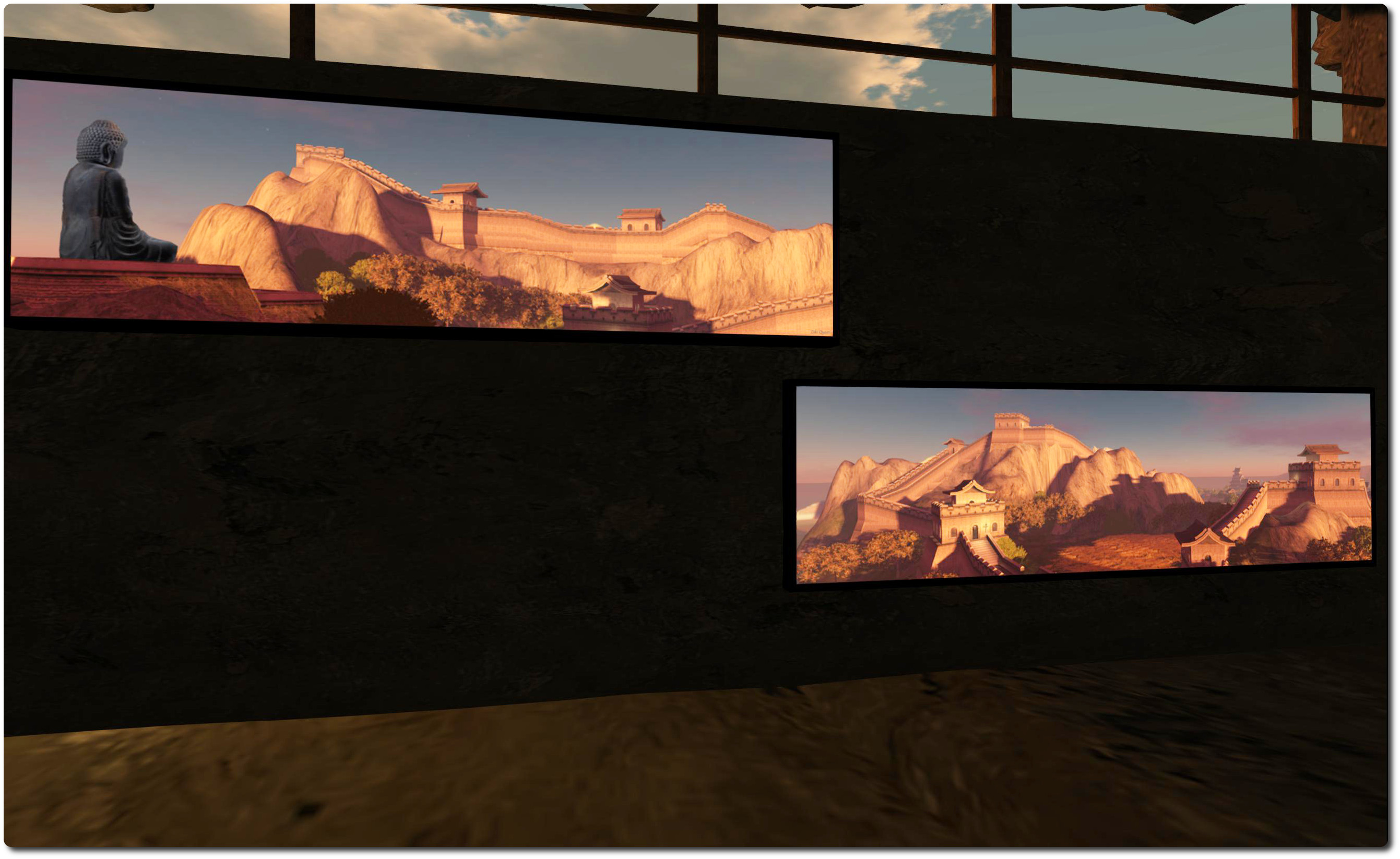
Some of Ziki’s work can also now be seen at Anita Witt’s gallery space on her region of Dryland. The theme for the exhibit was also suggested by Anita, “Lost Second Life“, which Ziki admits to both intrigued her and worried her at the same time, as she reveals in the exhibition notes:

I thought it would be easy, just sifting through images and selecting a few here and there, but it turned out to be a surprising challenge. For starters, there were more than 15,000 photographs to look through … And then there was the title itself: Lost Second Life somehow implied a comprehensive survey of all that had come and gone, and that’s not really what either Anita or I originally envisioned.

Ziki Questi: Lost Second Life

The result certainly isn’t a comprehensive survey; it’s far more than that. It is a very personal look back through those 15,000 images to present a fascinating look back at regions and builds which will be both familiar and new, but all of which have now passed into history as Second Life continues through its own evolutionary process. By carefully curating the images used for the exhibition, Ziki is allowing visitors not only a window into SL’s past, she is also presenting a means by which memories can be shared as we come across places that we’ve visited and can now see again through her eyes, making this a very intimate exhibition.

This feeling of intimacy is further increased by the mix of older works from Ziki’s collection with more recent pieces. In presenting both, Ziki shares her evolving approach and style to SL photography with us, something which draws us into each of the pieces on display here.

In a similar way, Anita’s gallery design means that the pictures are displayed in relatively small spaces on three floors. This helps create a feeling of a more intimate space which is aided by the warm colours of the default windlight, both again drawing us even closer to the pictures Ziki has chosen to share.

Fallingwater from the Frank Lloyd Wright Virtual Museum, 2010 - Ziki Questi, Lost Second Life
Fallingwater from the Frank Lloyd Wright Virtual Museum, 2010 – Ziki Questi, Lost Second Life

Lost Second Life opened on November 12th, 2013. I’m not sure how long it will run, but I do recommend that when you get the chance, you go and see it. When you do, make sure you grab the note cards from the info board at the arrival-point; not only do they provide background to the exhibition as a whole, they also provide notes on each of the pieces, together with links to Ziki’s original blog posts where each is featured.

Related Links