Savor Serenity in Second Life

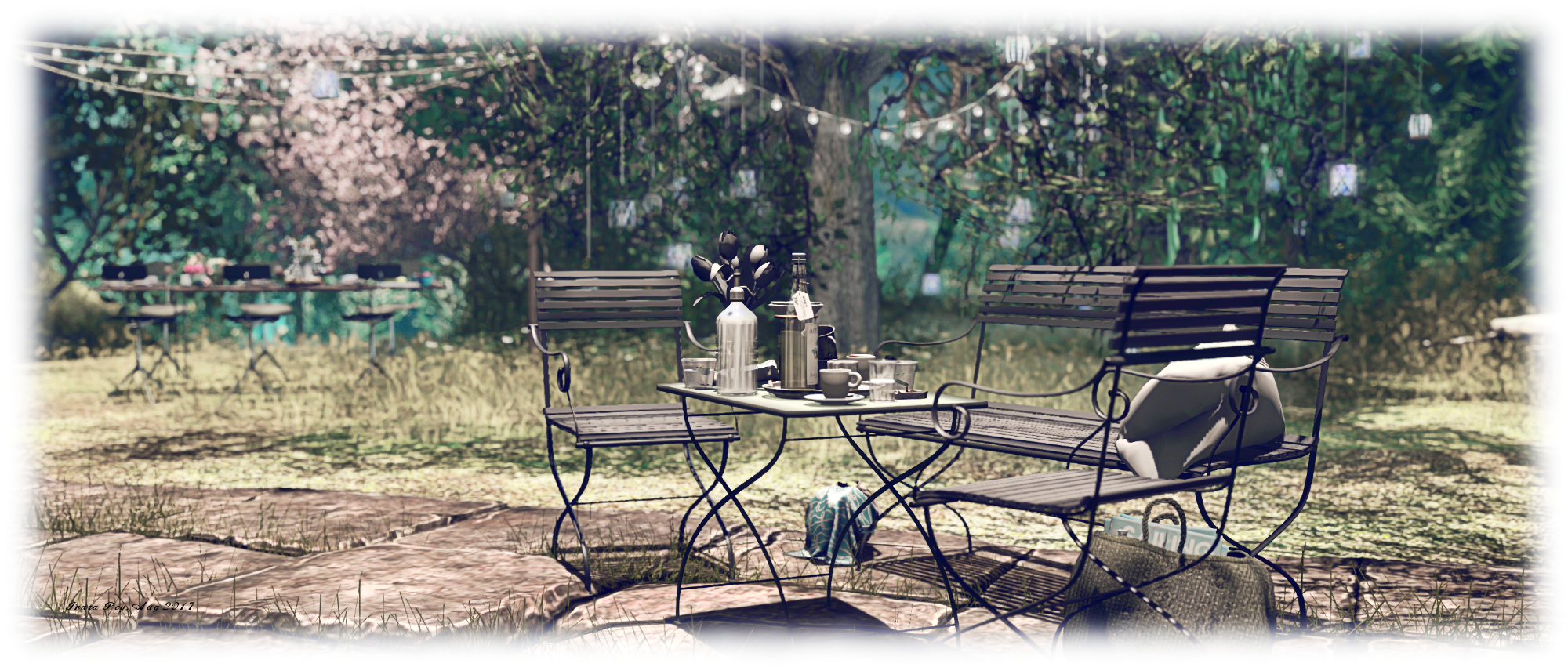
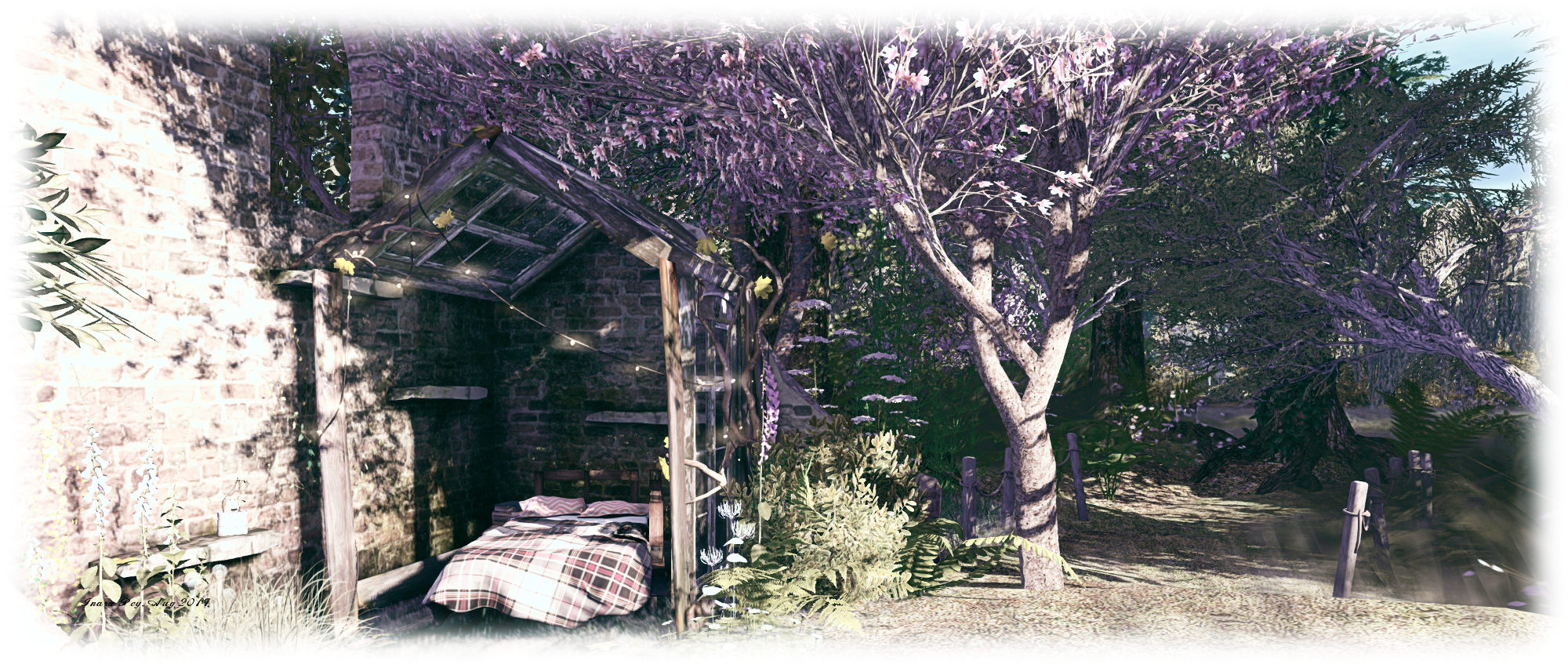
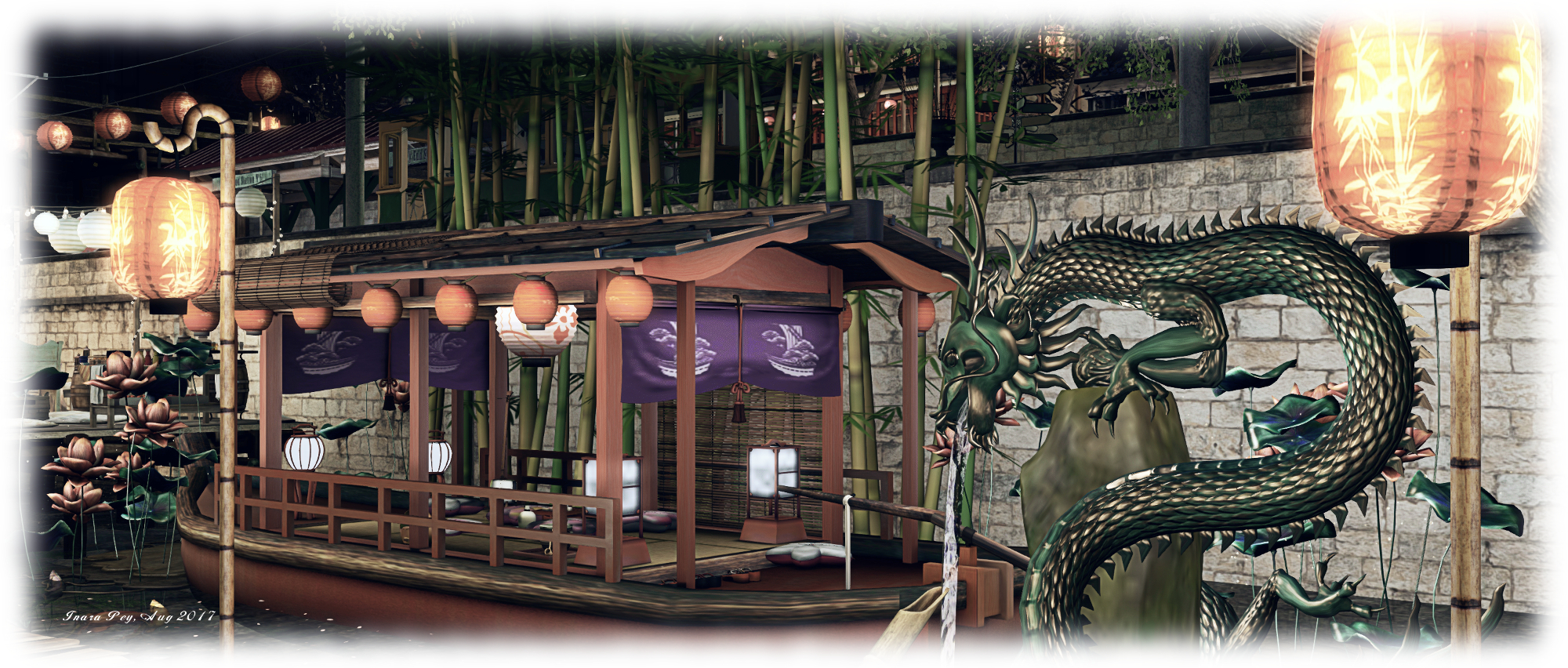
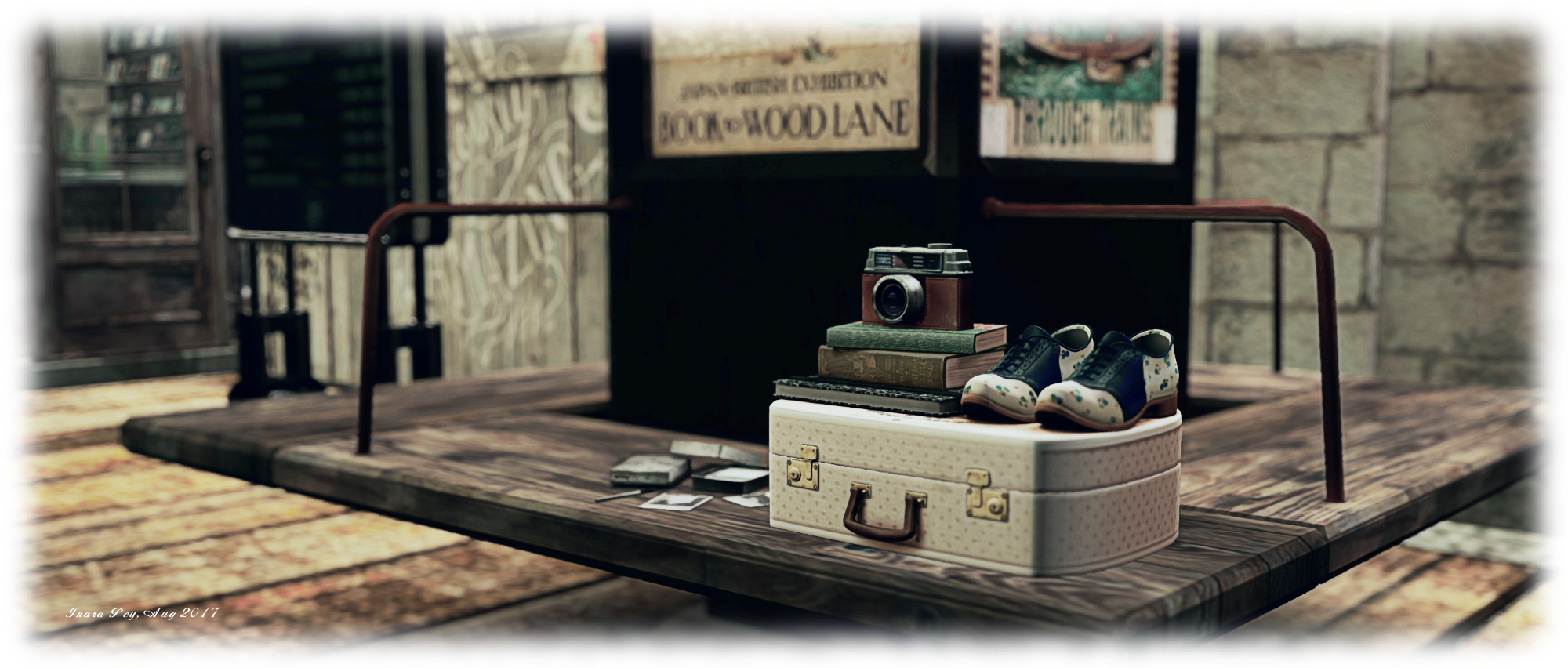
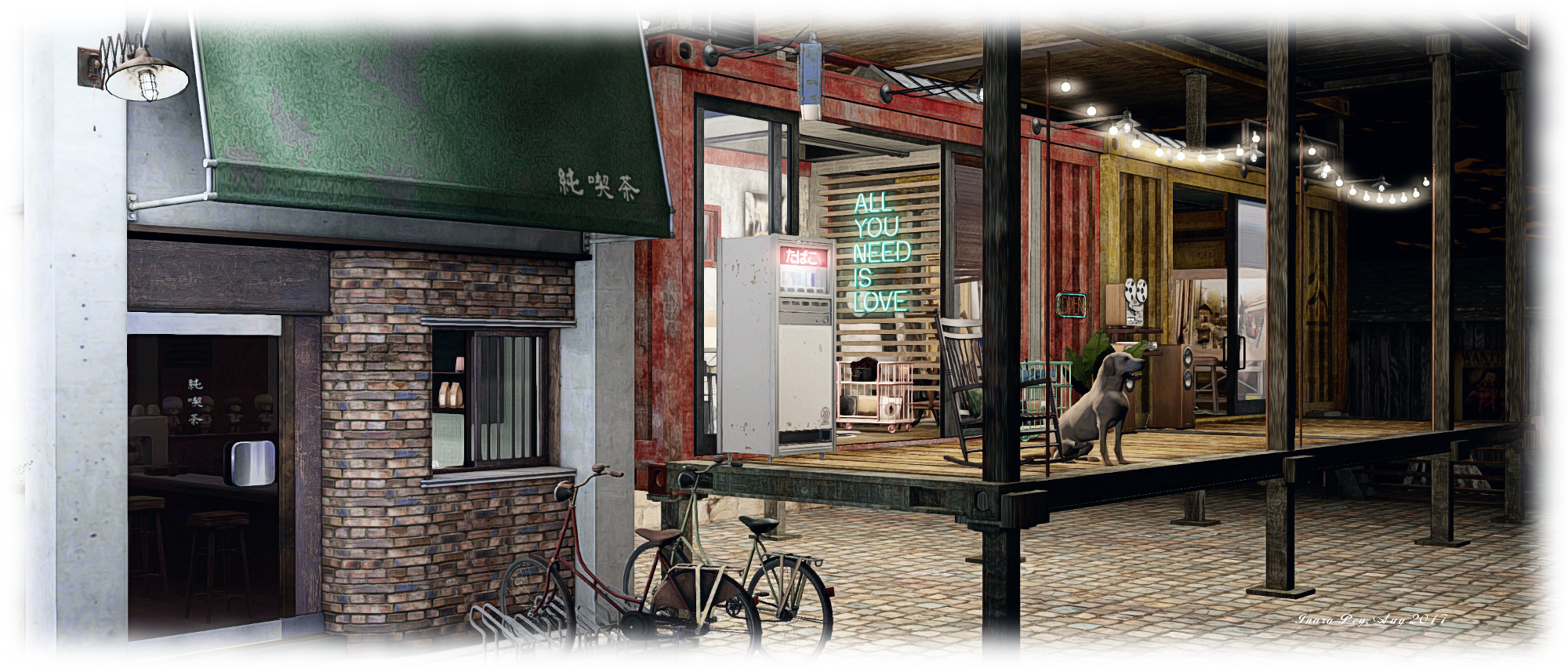
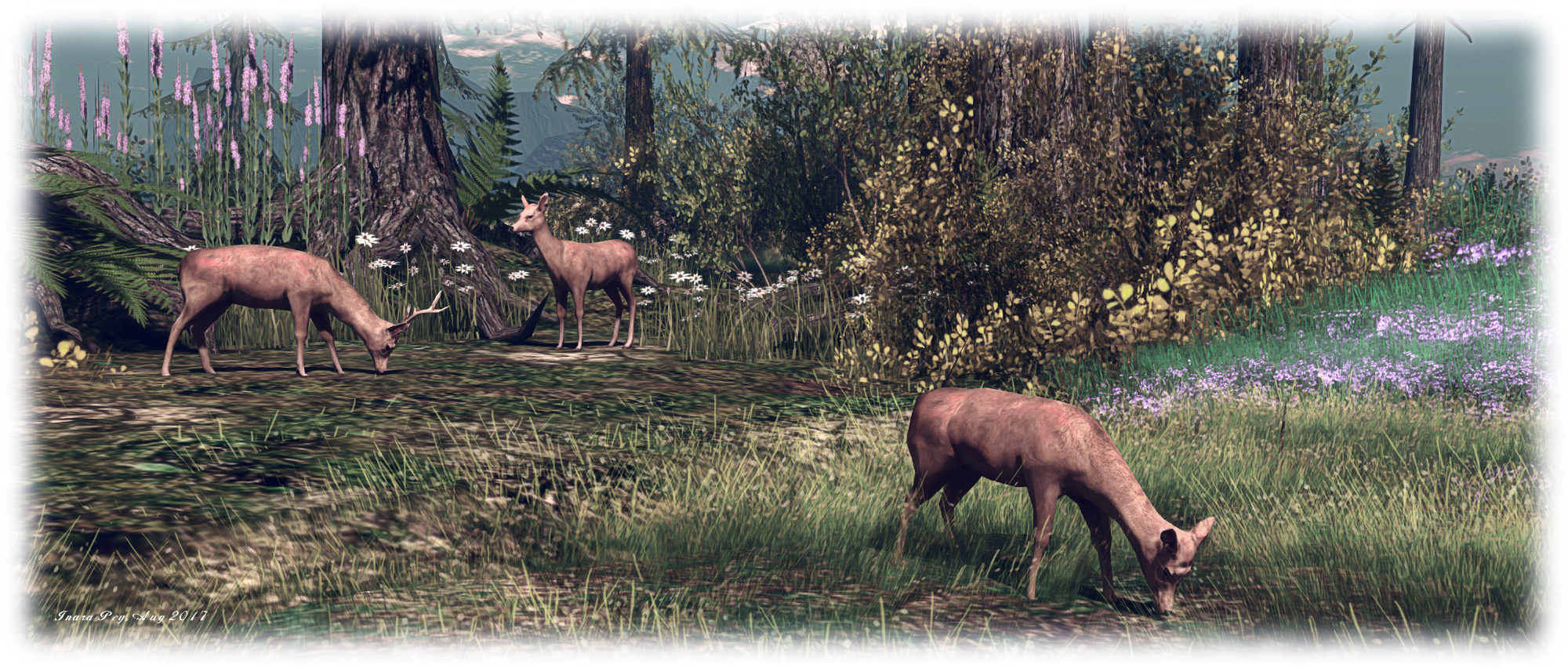
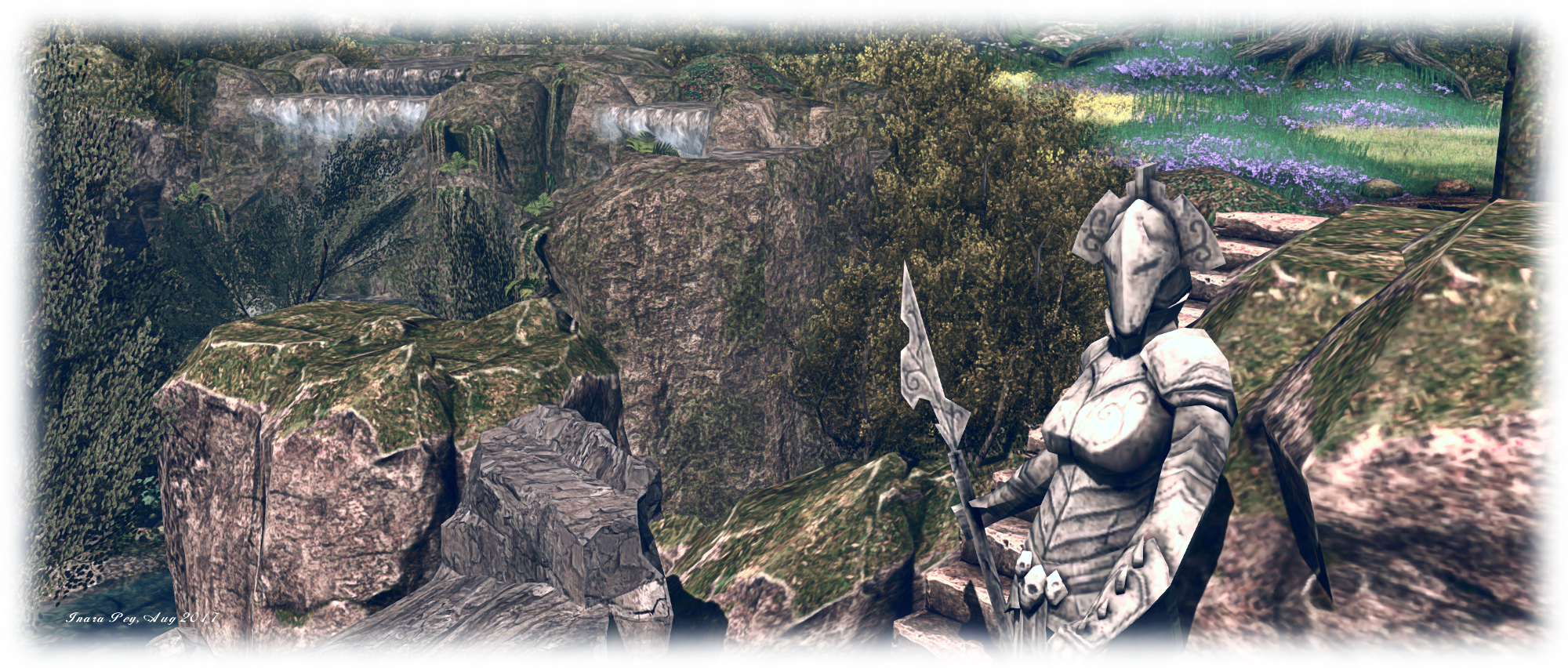
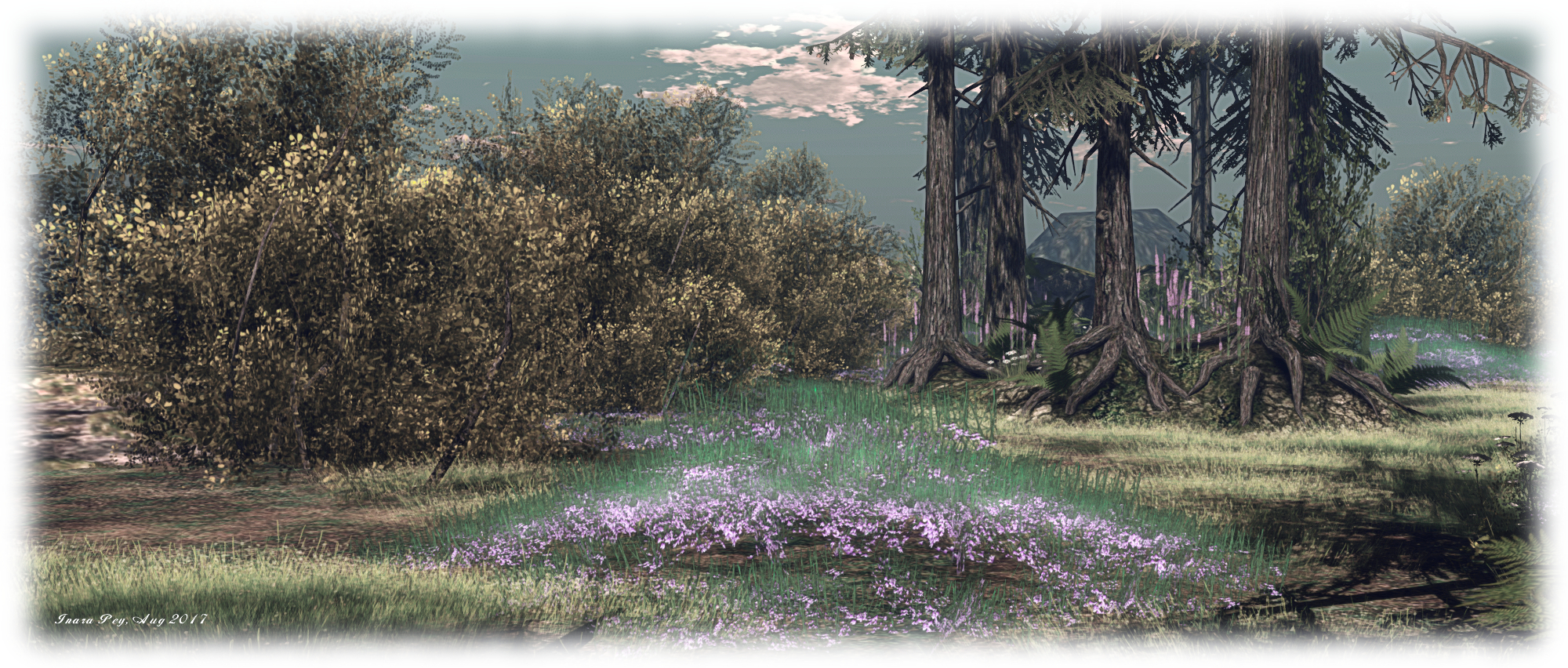
Savor Serenity; Inara Pey, August 2017, on FlickrSavor Serenity – click any image for full size

Update, July 2018: Savor Serenity has relocated. SLurls in this article have been updated.

“What seemed to be a forsaken land. Ruins of a former kind, left behind in the over grown forest. The morning dawn illuminated the waterfall. In that moment, she knew this would become the new home for her elven people. She savoured the serenity.”

So Tári Zephira (Gidgette Adagio) describes Savor Serenity, the homestead region she and her partner Tár TuT (Valleyofkings) opened to the public at the end of August 2017. Caitlyn and I were graciously allowed to visit the region ahead of its public opening, having thoroughly enjoyed a visit to Tári’s Hobbiton in February 2017.

Savor Serenity; Inara Pey, August 2017, on FlickrSavor Serenity

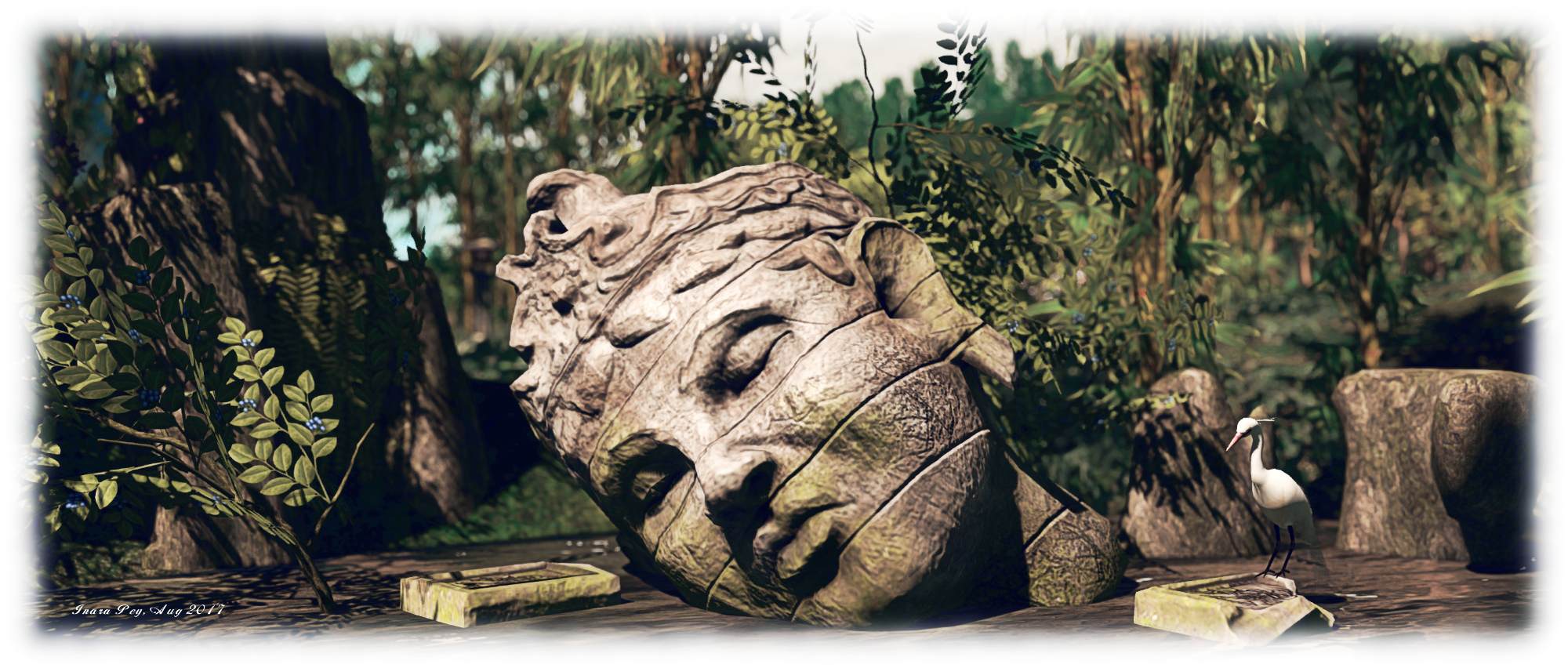
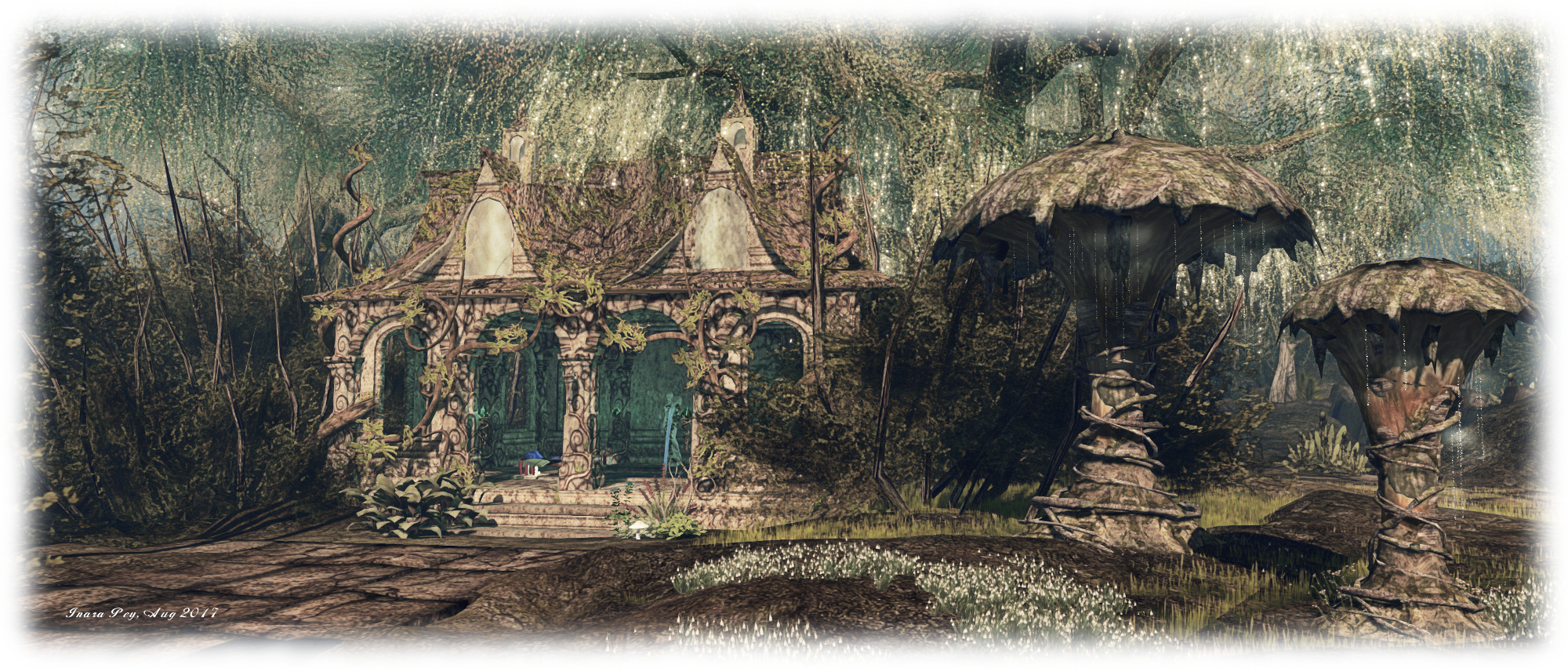
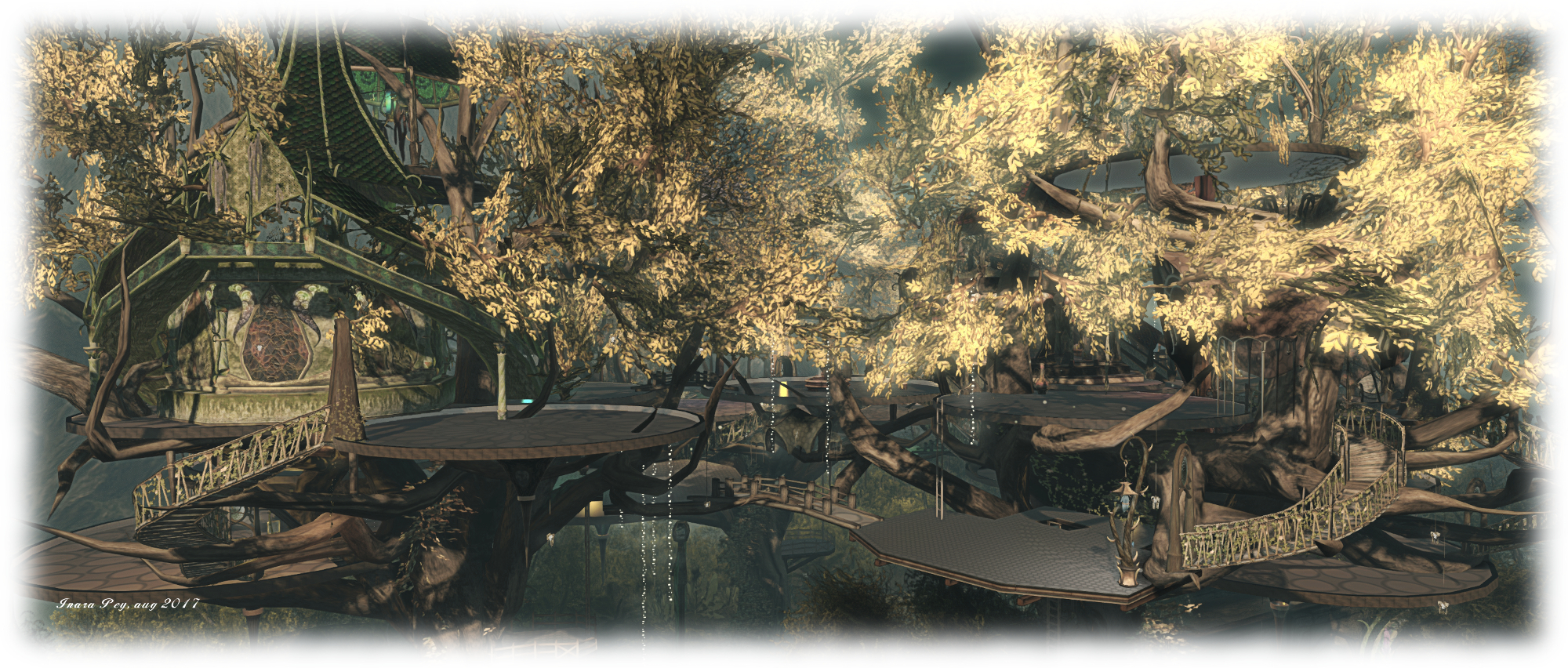
As Tári’s introduction suggests, Savor Serenity is modelled after an Elven enclave – one which, much like Hobbiton, has been inspired by Tolkien’s Middle Earth without actually directly lifting from it. Sitting within a ring of tall mountains misted by a twilight Sun, the region presents a wooded sanctuary in which sits ancient ruins linking by partially overgrown paths and from which great Mallorn-like trees rise, adorned by high telain offering spaces for meeting and dancing, and where elven buildings and domes reside.

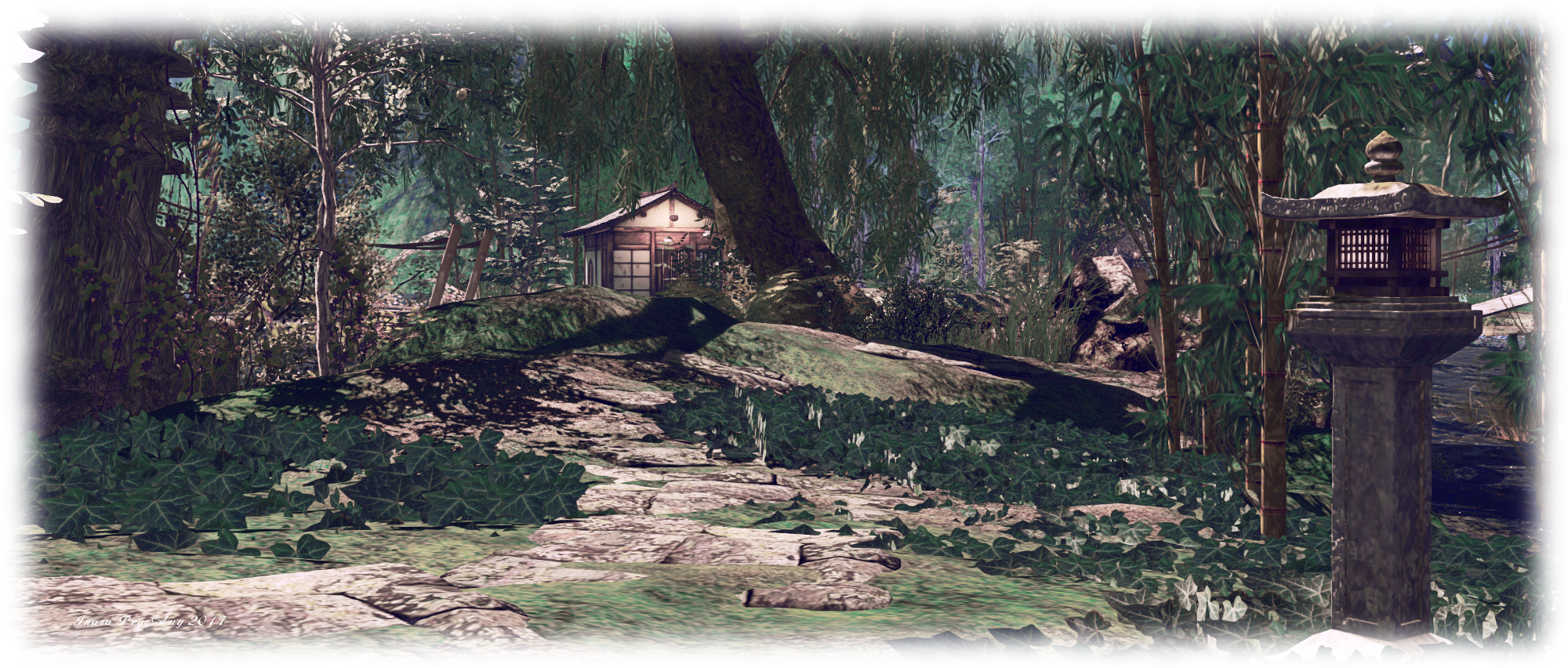
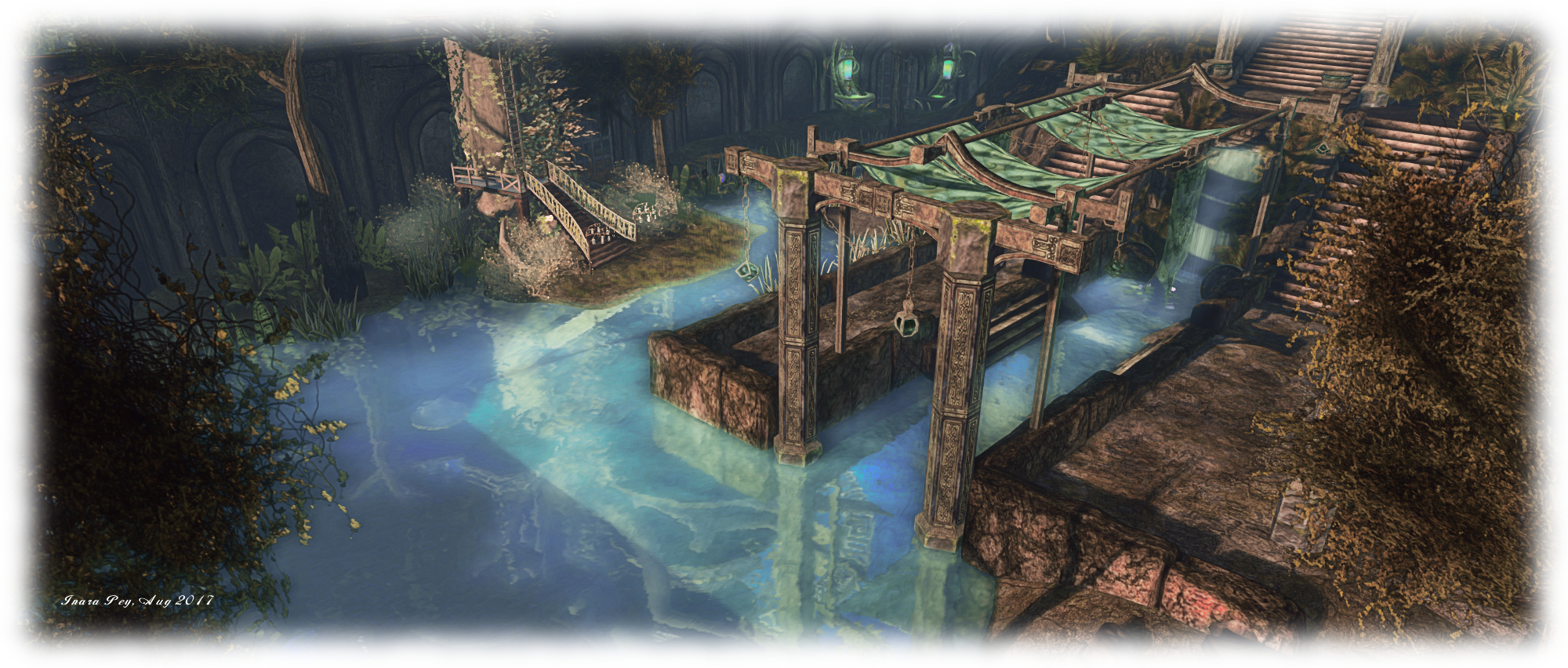
A visit begins in the south-east corner of the region, atop a portion of the ancient ruins. Steps descend from the platform at the for points of the compass, with the west side steps leading the way to a path passing through a tunnel made from the bent trunks of trees. The path passes westwards to more ruins among the trees, and places where couples might choose to tarry. Follow the path far enough and it will lead you to a point where you can access the centre of the region. This forms a walled pool of water, with a pavilion pointing westward, behind which a flight of steps rise to a throne sitting beneath a great dome.
Savor Serenity; Inara Pey, August 2017, on FlickrSavor Serenity

This central area appears to be the remnants of a great fortification, possibly of elven origin, but now long fallen into disrepair. Steps lead up onto the tops of the walls in place, in others the walkways are broken,  offering an alternative mean of accessing the darkness passages down between the walls – or a route onwards around the region. The first of the Mallorn trees rises from the banks of the waters within the walls, an ornate stair providing access to a platform where ladders provide a route up to the telain built in the branches of the tree. These are connected one to another by further ladders and stairways, with bridges arching over the gaps to telain sitting within the branches of the Mallorn growing to the north and beyond the high walls guarding the central waters.

These additional tree platforms can also be reached by a mix of ladders and stairways which rise from the open lands to the north, where the ground is dusted by flowers and the smaller trees are festooned with lights. A wooden pavilion can be found here, offering a further place to dance, while on the north side of the great wall stands what might have once been the grand entrance to the elven fortification.
Savor Serenity; Inara Pey, August 2017, on FlickrSavor Serenity

To say Savor Serenity matches its name would be an understatement – it more than does so. It also enfolds everything that is quintessential about Tolkien’s elves: ornate stonework, geometry, harmony with nature, love of water, and longing for the West. There are touches to refined beauty to be found everywhere – more so than I’ve described here, so it is as well to take your time when exploring. Also, if you haven’t explored Hobbiton recently (or at all), you might find a visit to both it and Savor Serenity present and ideal double visit with which to immerse yourself in  a personal look at Tolkien’s world.

SLurl Details

Savor Serenity (River Hill, rated: Moderate)
 

The beauty and expression of De*cid*u*ous in Second Life

De*cid*u*ous; Inara Pey, February 2017, on FlickrDe*cid*u*ous – click any image for full size

De*cid*u*ous is a full region designed by Trip (TrippingDaisy) and landscaped by his partner, Tate (Tate Ghost). It needs only one word to describe it: enchanting.

Sitting under a Windlight suggestive of an early morning, when the Sun’s rays cause a gentle ground mist to rise of the dew gathered on grass and leaf,  De*cid*u*ous is a mix of stunning landscaping and personal expression on love, life, relationships and the passage of time given in words of prose and  poetry – and it is a place deserving of careful and thorough exploration as there really is a lot to see.

De*cid*u*ous; Inara Pey, February 2017, on FlickrDe*cid*u*ous

“What if a virtual land could represent a real life?” Trip asks those arriving at the landing point in the north-west corner of the region, before he continues with an invitation: “Take a journey with me. Enjoy the meticulous landscaping designed by my partner, Tate. Stand in line at my heart to witness the fate of some.” And thus we’re off on a journey, following paths and trail, crossing bridges, exploring settings and passing through caves and caverns.

Along the way – most notably in the caverns and tunnels connecting them, but elsewhere as well – are easels visitors are invited to touch. Doing so will offer up a note card with a passage or poem intended to complement the scene where it is found. Collectively, the shape moments from a life – happiness, love, melancholy, regret, anger, freedom – and all should be read as a part of any deeper journey through the land.

De*cid*u*ous; Inara Pey, February 2017, on FlickrDe*cid*u*ous

Following the path down from the landing points takes visitors to first of several water crossings: a bridge and deck where time can be spent sitting at cable roll tables or sitting in the rowing boats moored alongside. Beyond, the path winds through trees, forking before an ancient ruin, one arm leading to a Romany camp between ruins and water, where restful times can be had.

The other arm of the path points the way onwards to a second bridge, joined on the far side of the channel it spans by wooden boards marching over the grass to where they also fork. Turn left, and the way leads to Trip’s heart, as mentioned in the welcoming note card, and another poem of life  and reflection. Continue onwards from the path to the heart, and the trail leads to a clearing and another choice: left and out to where a Ferris wheel sits in the light of the rising Sun, or onwards to where the entrance to the caverns awaits.

De*cid*u*ous; Inara Pey, February 2017, on FlickrDe*cid*u*ous

Neither option should be missed. The Ferris Wheel sits within another scene, an easel offering up a poem. The caverns wind up through a pyramid-like hill, each offering a scene or settings, each with at least one poems to accompany it. As Trip hopes the scenes and settings throughout the region will speak personally to all visitors passing through, I’m not going to shade your thinking on encountering the caverns by offering my thoughts here.

From the top of the hill, and the cottages sitting on it, the way back down to the lowlands takes the form of a switchback path – but do check around the slopes of the rocky crown carefully, lest you miss the fort built into its southern face and the cosy hideaway it offers. From the foot of the path down the side of the hill, it is possible to continue onwards and discover the remaining secrets of the region and the various places for contemplation and quiet company it offers.

De*cid*u*ous; Inara Pey, February 2017, on FlickrDe*cid*u*ous

De*cid*u*ous is, as noted, a stunning region, offering a series of individual scenes beautifully brought together as a whole through the landscaping. The default Windlight throws the region into a misty half-light, but the land lends itself comfortably to a wide range of environmental settings, and Trip and Tate encourage photographers to experiment. They also ask that those so minded consider submitting their work to the De*cid*u*ous Flickr group. Those requiring props for their images can obtain rezzing rights by joining the region group – but do please remember to pick up your items afterwards!

All told, an eye-catching visit for any Second Life region-hopper. Mix in the poetry and prose that accompany many of the scenes found across the land, and you have a new level of engagement when visiting.  Definitely not a place to miss.

SLurl Details

A further Long Journey in Second Life

Long Journey Cafe; Inara Pey, February 2017, on FlickrLong Journey Cafe – click any image for full size

In March 2017 Caitlyn and I visited Long Journey on the advice of friends Shakespeare and Max – and we thoroughly enjoyed our visit. We headed back there in August after Shakespeare IM’d to say the parcel had undergone a relocation and a rebuild, and is now known as Long Journey Café.

The redesign is every bit as atmospheric and charming as the one we visited in March, which trains a tracks once again playing a role – and further shows that you don’t necessarily need an entire region, Full or Homestead, in order to make something unique and photogenic.

Long Journey Cafe; Inara Pey, February 2017, on FlickrLong Journey Cafe

A visit begins on one of the four levels the parcel has been split into, at the terminus of a small tramway. The tram itself appears to be just arriving, and going by the camera set up close by, is the subject of a film or documentary. The tram tracks pass over a cobble surface, which provides access to a little café – one of several in the parcel – alongside of which is a set of steps leading to one of the upper levels.

This upper level road comprises a small motel, not exactly in its prime, and neighbouring cafés and eateries before it ends in a rickety looking, but quite sound, set of wooden steps and walkway raised on a wooden scaffold. These provide access to the remaining levels in the build – a railway carrying viaduct with a canal below. More little boutique café sit on platforms under the arches of the viaduct, reached by a wooden walkway running parallel to the bridge. These little eateries face an entertainment stage built out over the canal and a modest floating restaurant.

Long Journey Cafe; Inara Pey, February 2017, on FlickrLong Journey Cafe

Follow the board walk along the canal far enough, and you’ll find steps offering a way back up to the tram level and another little street of shops, or wooden stairs making their way up the railway line. Nor is this all; a second set of steps descend from the elevated walkway, giving access to the large warehouse sitting at the northern end of the parcel, while the path around the film camera sitting at the end of the tram station can be used to reach a tattoo parlour, if you’re so inclined.

All of this is presided over by the tall figure of an Indonesian statue – although this, and many of the details in the region may not always be easily seen. On our first visit, Caitlyn and I arrived at night, with snow falling and which showed up the local lighting to good effect; it also meant we had to explore carefully in order not to miss anything. However, on a return visit, 24 hours later, the parcel was bathed in sunlight, suggesting its environment changes according to the owner’s whim or perhaps a schedule.

Long Journey Cafe; Inara Pey, February 2017, on FlickrLong Journey Cafe

Yang (Sun2idea) has an eye for detail, and this latest iteration of Long Journey demonstrates this once again.

SLurl Details

A Viking Lost Dream in Second Life

Les Reves Perdus; Inara Pey, August 2017, on Flickr Les Reves Perdus – click any image for full size

I try to avoid returning to regions visited as a part of my Exploring Second Life series too soon after blogging about them. However, a tweet from friend Miro Collas prompted me to suggest to Caitlyn we head back to Les Reves Perdus (“Dreams Lost”), the homestead region designed by Chanell (zaziaa) for another look despite having only blogged about it in June.

As Miro pointed out in his tweet, a lot has changed in the two months since that visit. The provincial look has now gone, replaced with something far more Nordic in expression, but which is nonetheless as photogenic, particularly under the right environmental conditions.

Les Reves Perdus; Inara Pey, August 2017, on Flickr Les Reves Perdus

The setting is a Viking settlement, the surrounding hills and waves breaking in the distance beyond them suggesting it is perhaps set upon an island towards the mouth of a fjord or deep-cut river valley. A visit begins towards the centre of the island, on a small bridge linking the low-lying village with a set of fortifications. The latter has tall wooden walls marching between square towers which look ready to withstand attackers – but which also appear to be protecting a flooded area of land or a former inlet, rather than the village itself.

This arrangement at first seems a little odd: the village sits on a low-lying stretch of land between the fortifications and the high cliffs of a plateau to the east, open to access from the surrounding waters – which are deep enough for longships to sail or row right up to the wharves. It thus seems to be without protection, exposed to any attack which may come. Where one might expect the village to nestle, within the protection of the fort-like walls and towers, horses and sheep graze beside the inland waters.

Les Reves Perdus; Inara Pey, August 2017, on Flickr Les Reves Perdus

Perhaps the walls and towers are the remnants of a more violent time, when there was a need for fortifications. Perhaps they once completely encircled the lowlands of the island, joining at either end with the rocks of the plateau, but more peaceful times and circumstance led to the removal of part of their protection  to make way for the village buildings.

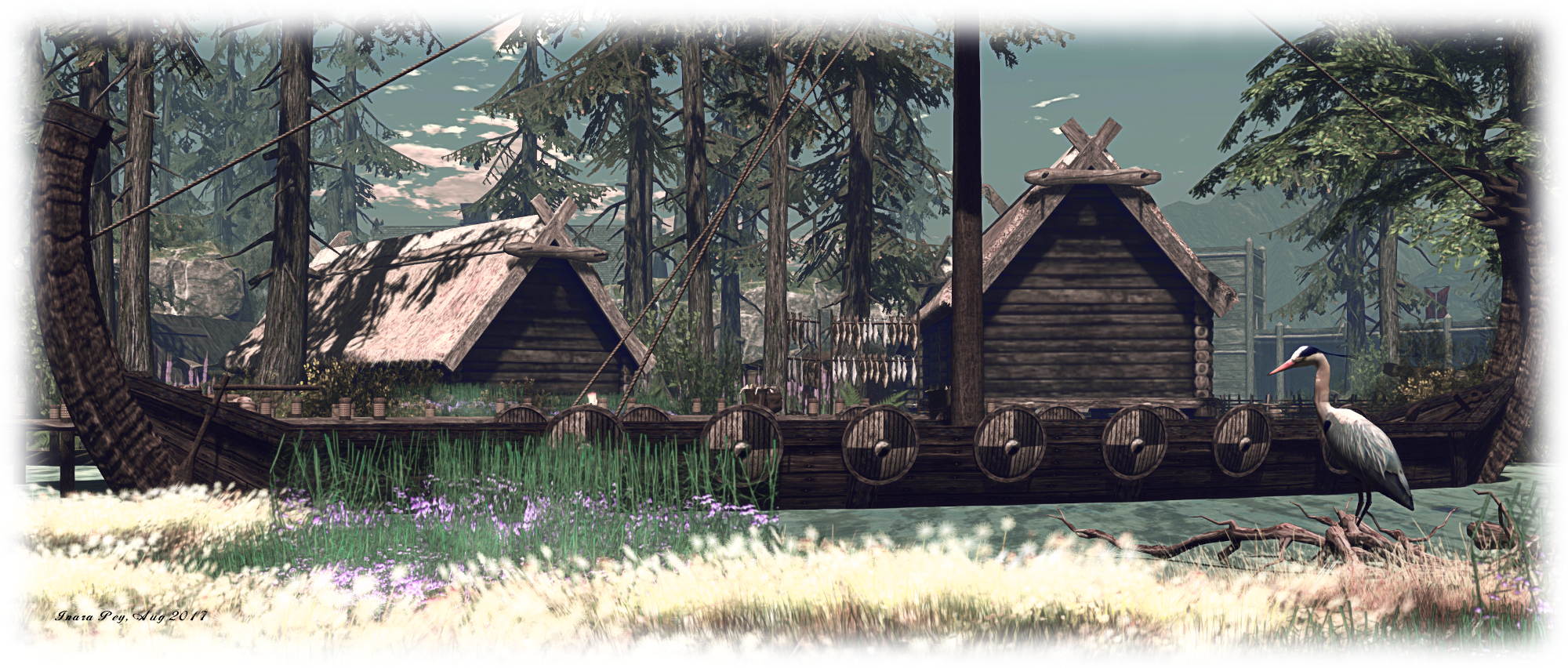
Whatever the reason, the village sits on open land, thatched huts and semi-stone barns offering homes and shelter for animals. Goats, chickens and cattle roam the gasses outside the huts as fires burn to cure cut meat and racks of fish are being dried on the wharves. Across the strip of water from the wharves sits an ancient circle of standing stones, a henge suggesting this island has been settled in the past as well.  Elsewhere, longships lie off-shore or moored close to the village – one of which is even ablaze, although I suspect this might be a funeral ship, rather than it being aflame as a result of battle.

Les Reves Perdus; Inara Pey, August 2017, on Flickr Les Reves Perdus

The high plateau, reached by steps cut into the living rock, passing a tall statue as they climb upwards, is home to a great hall, where fires burn, plans are being made. It’s easy to imagine much carousing and drinking of ale and mead within its walls in the long evenings.  Although the fort-like walls run outward from the plateau, there is no way to reach them easily, other than scrambling over the rocks; nor is there any way to get up to their walkways from the lower ground areas. Whether this is intentional or the result of the region still being tweaked, I’ve no idea.

This is in some respects an oddly eclectic region design, About Land suggesting it is for exploration and perhaps role-play. While the design is primarily Norse, there are also oddities hinting at other genres / activities. There is, for example a very fantasy-leaning collection of statues representing the four elements, while the great hall contains a medieval iron maiden in one corner. But none of this detracts from the setting offering good opportunities for photography (with a suitable windlight selected) and exploration.

Les Reves Perdus; Inara Pey, August 2017, on Flickr Les Reves Perdus

SLurl Details

Yamagata in Second Life

Yamagata; Inara Pey, August 2017, on Flickr Yamagata – click any image for full size

“I have wanted an oriental themed sim for the longest time,” Ayla Zhoy (AylaJ) says of her homestead region design Yamagata, “and here it is! I’ve spent some time slowly working on this and I hope you enjoy your visit.”

Regular readers to these pages will know that I’m immediately drawn to anything with an oriental flavour. This being the case, Caitlyn and I hopped over to take a look around as soon as the opportunity arose – and we weren’t at all disappointed.

Yamagata; Inara Pey, August 2017, on Flickr Yamagata

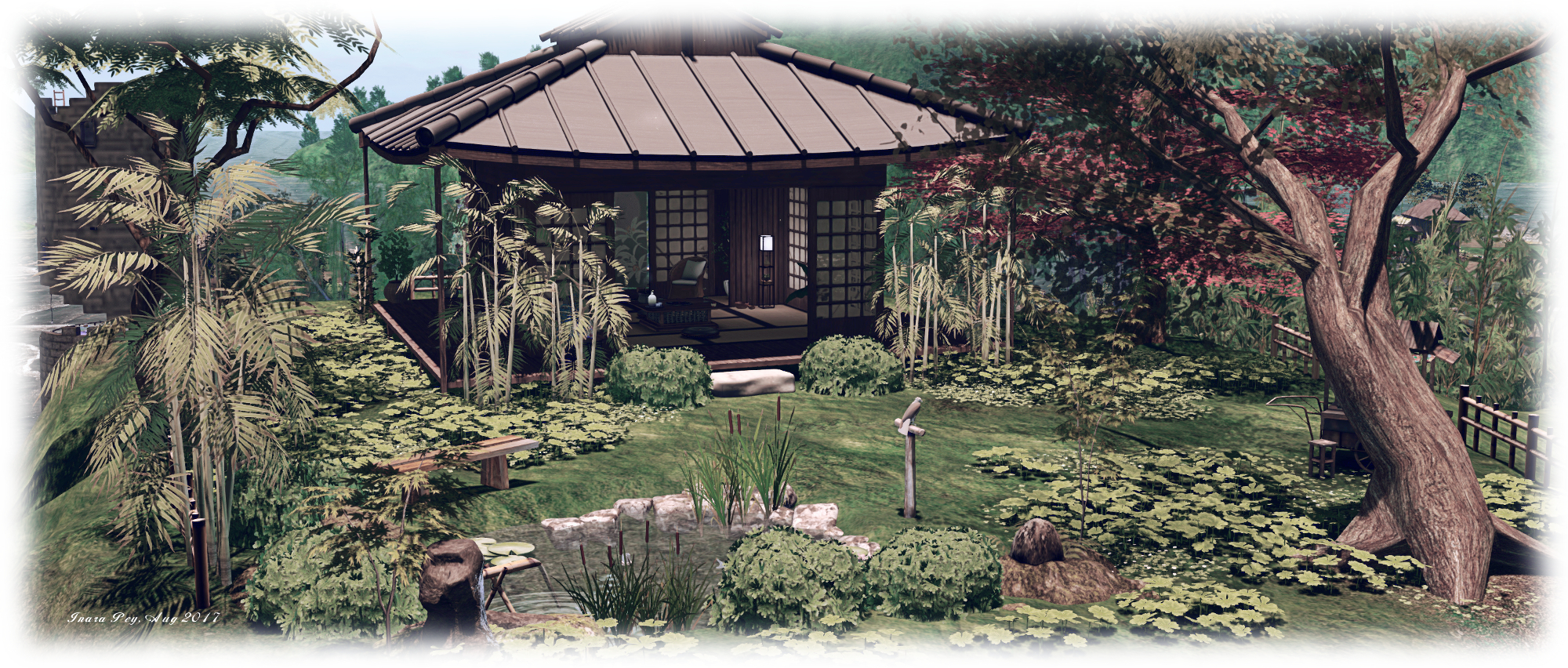
As with many oriental regions in Second Life, Yamagata draws strongly on Sino-Japanese influences, blending the two together to create an environment which is eye-catching, relaxing, fun to explore (although do take note, it is a constant work-in-progess, and so is changing on a fluid basis) and with plenty of opportunities for photography.

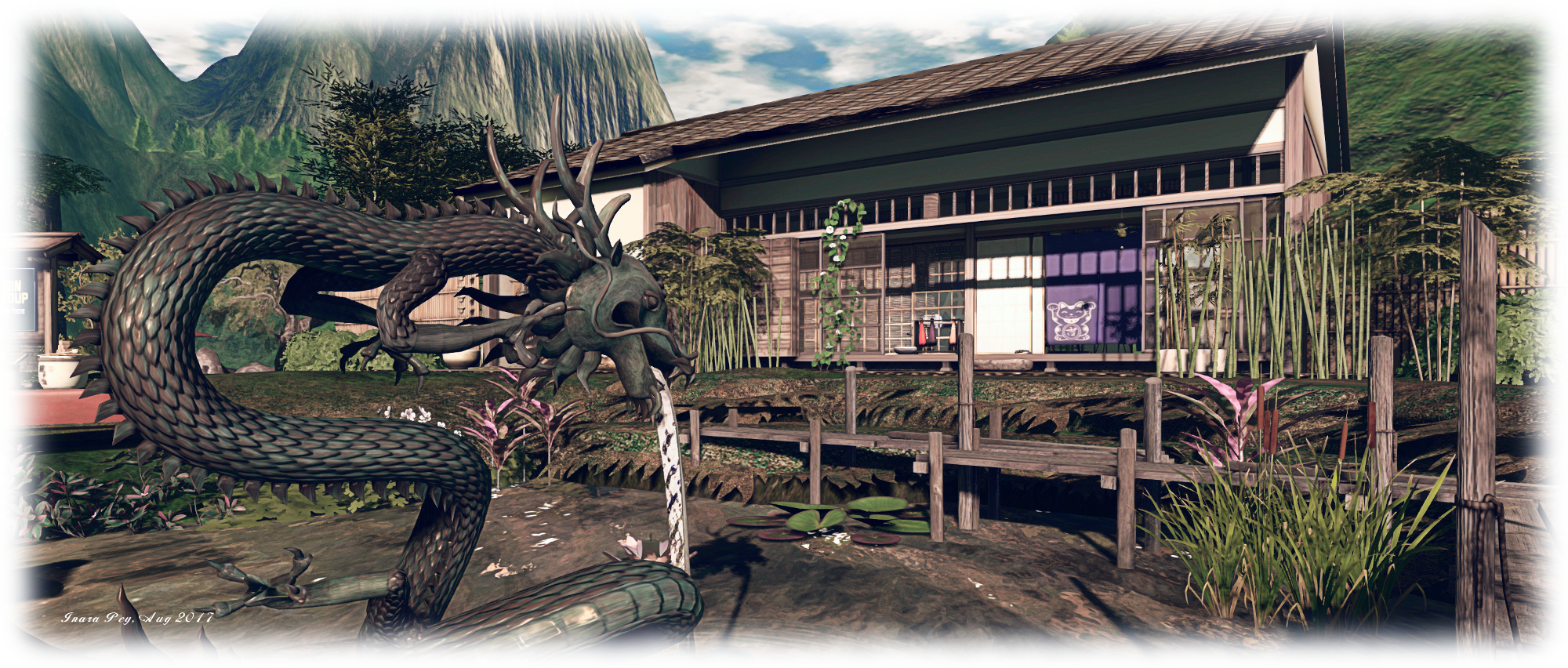
The land is in fact split into a number of small islands – although such is the design, this may not immediately be obvious when exploring. The landing point sits to the north-west of the region, on an elongated islet it shares with a modest traditional Japanese style house and garden. A walk inland from the house will bring you to a stone arch, water tumbling from it as it links the island with one on which a bamboo of Pandas reside. A short distance away, and running through the trees occupying the eastern end of the island, a path provides access to the first of several bridges spanning the channels which divide up the land.

Yamagata; Inara Pey, August 2017, on Flickr Yamagata

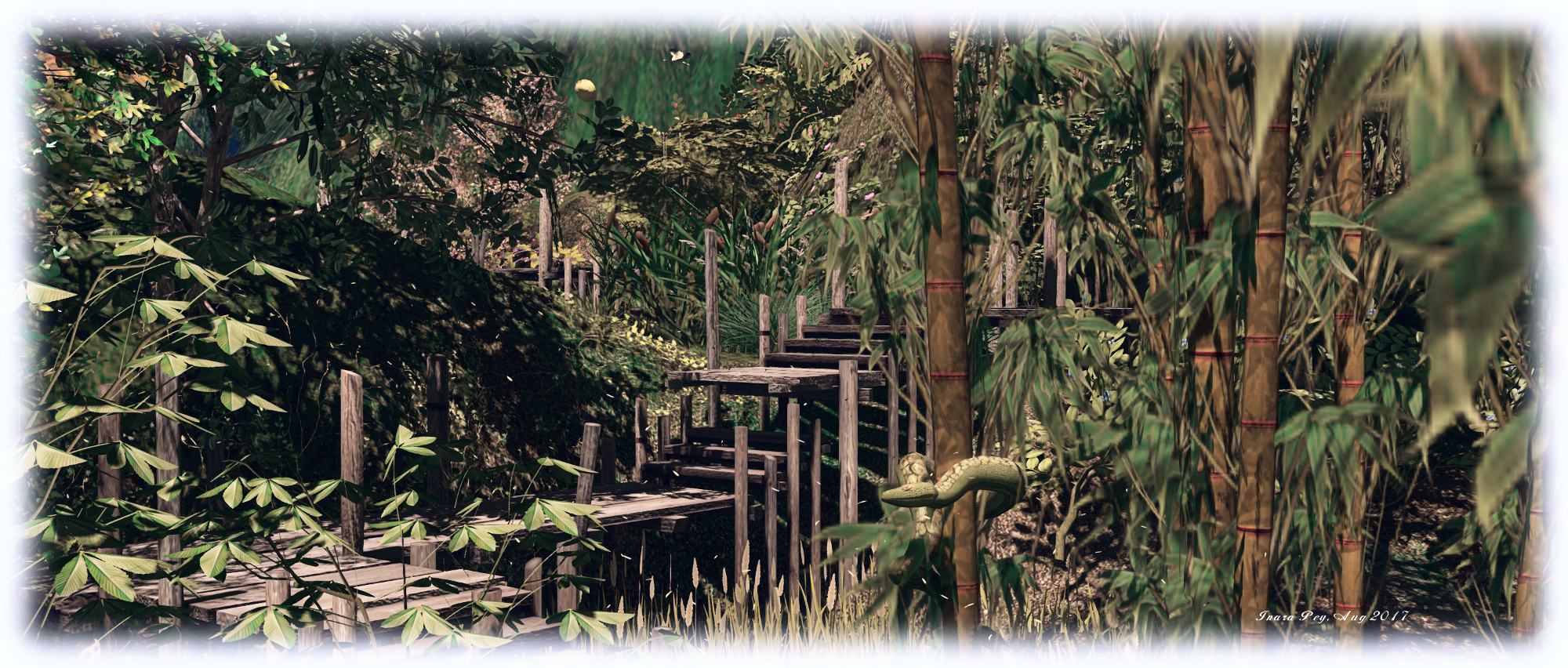
However, before you leave the landing point, make sure you accept the offered note card, it has details of a number of points of interest worth visiting when exploring. These include tea houses, onsens, houses and ruins. They can be explored in any order, and each offers a setting very much worth seeing. Paths and grassy trails run across all of the islands, linking bridges and points of interest to one another, while stone steps provide access to the region’s elevated areas.

One of the more intriguing places to visit is the stone tower rising on the west side of one of the larger islands. This sits in two parts, one preciously balanced atop the other by a mix of what appears to be a narrow neck of stone blocks, an iron ladder and gravity’s attention being otherwise occupied elsewhere! The ladders offer a way up (right-click and sit), and the tower itself is a good vantage point from which to see the rest of the region.

Yamagata; Inara Pey, August 2017, on Flickr Yamagata

But really, the best way to see everything is obviously on foot, following the paths, discovering all the different locations and places to sit and contemplate or cuddle or bathe along the way. The pandas offer a cute distraction (the stone arch can be climbed over to reach them if you want – although it is not strictly speaking a bridge). There are a couple of boats in the region, but these don’t appear to be set to allow passengers to sit at present – or at least at the time of our visit; which is a pity as the one near the stone water arch makes for a nice spot from which to observe the pandas.

Yamagata really is a lovely setting, well suited to a variety of windlight settings and offering a lot for people to enjoy. The Sino-Japanese theme works well, and is complemented by a soft ambient sound scape entirely in keeping with the region.

Yamagata; Inara Pey, August 2017, on Flickr Yamagata

SLurl Details

Art in the wild in Second Life

Aly's Fine Art Gallery and Jungle; Inara Pey, August 2017, on Flickr Aly’s Fine Art Gallery and Jungle – click any image for full size

In May 2017, Caitlyn and I visited Aly’s Fine Art Gallery and Jungle, designed by Hepburn (Hepburn30) and Pross (Prosperine2) for region holder Aly (Alysheea). The region is a home for Aly to display her 2D and 3D art –  and also provide visitors with a place to explore. As such, it presents an interesting mix of place to visit and explore, and gallery to appreciate the art on exhibition.

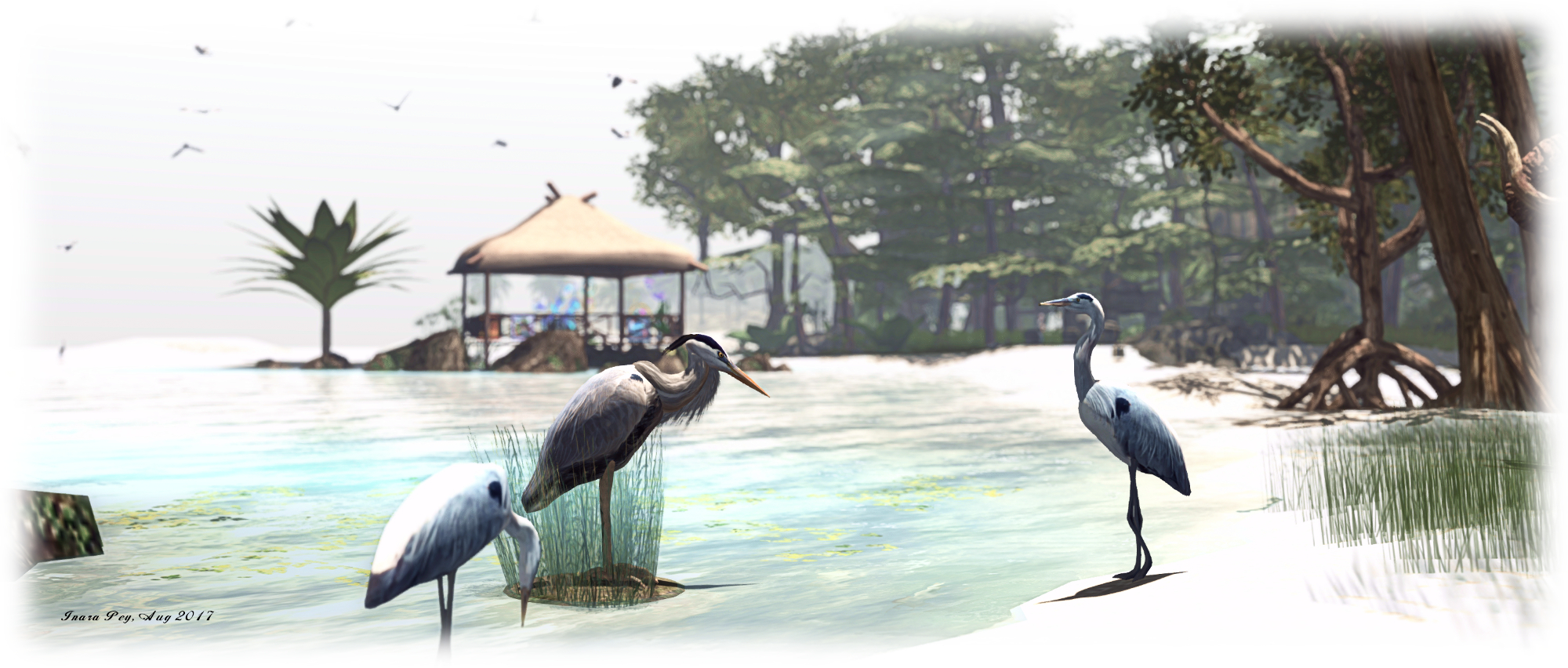
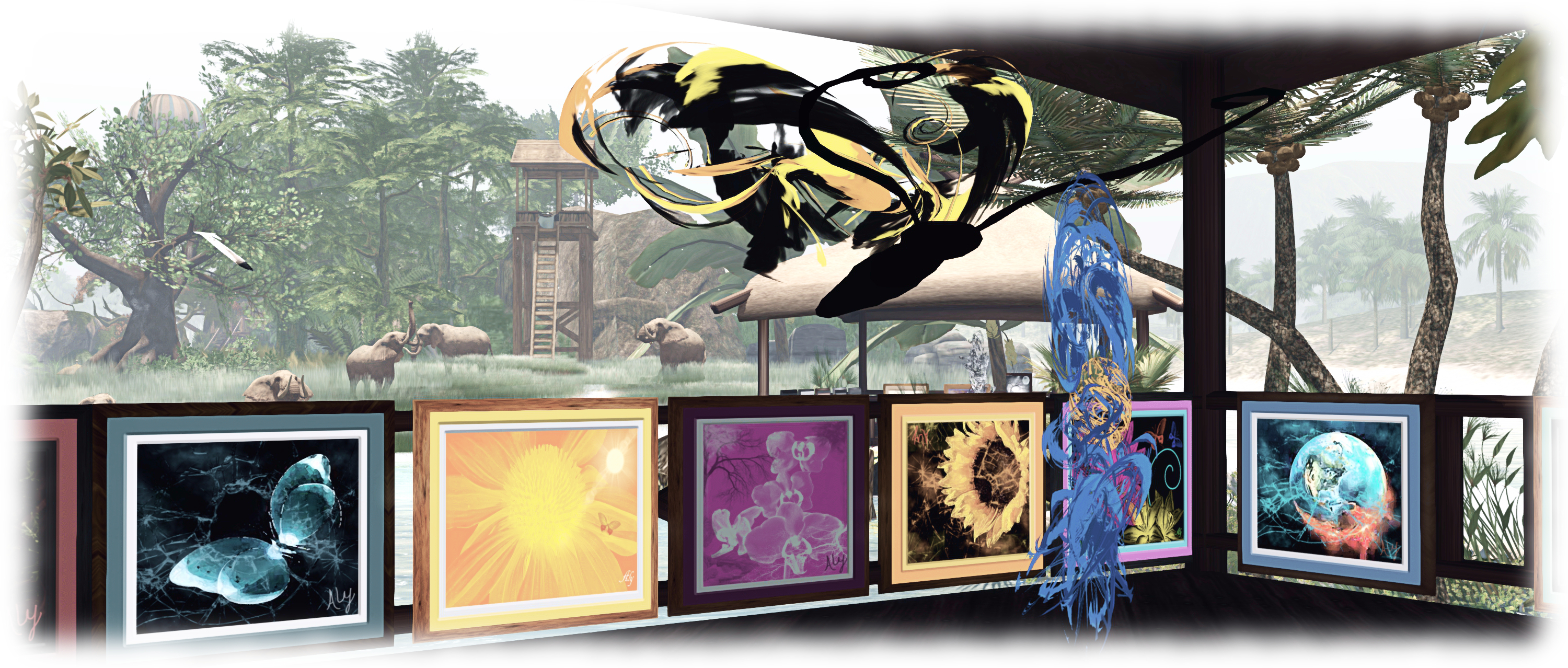
The gallery space is located in the south-west corner of the region, and is formed by three tiki huts located around a small lake surrounded by sandy banks. Aly’s art, which is an intriguing mix of “traditional” photography, abstract images based on photos, and images which appear to have been captured in-world. These are displayed alongside and around 3D sculptures and mobiles.

Aly's Fine Art Gallery and Jungle; Inara Pey, August 2017, on Flickr Aly’s Fine Art Gallery and Jungle

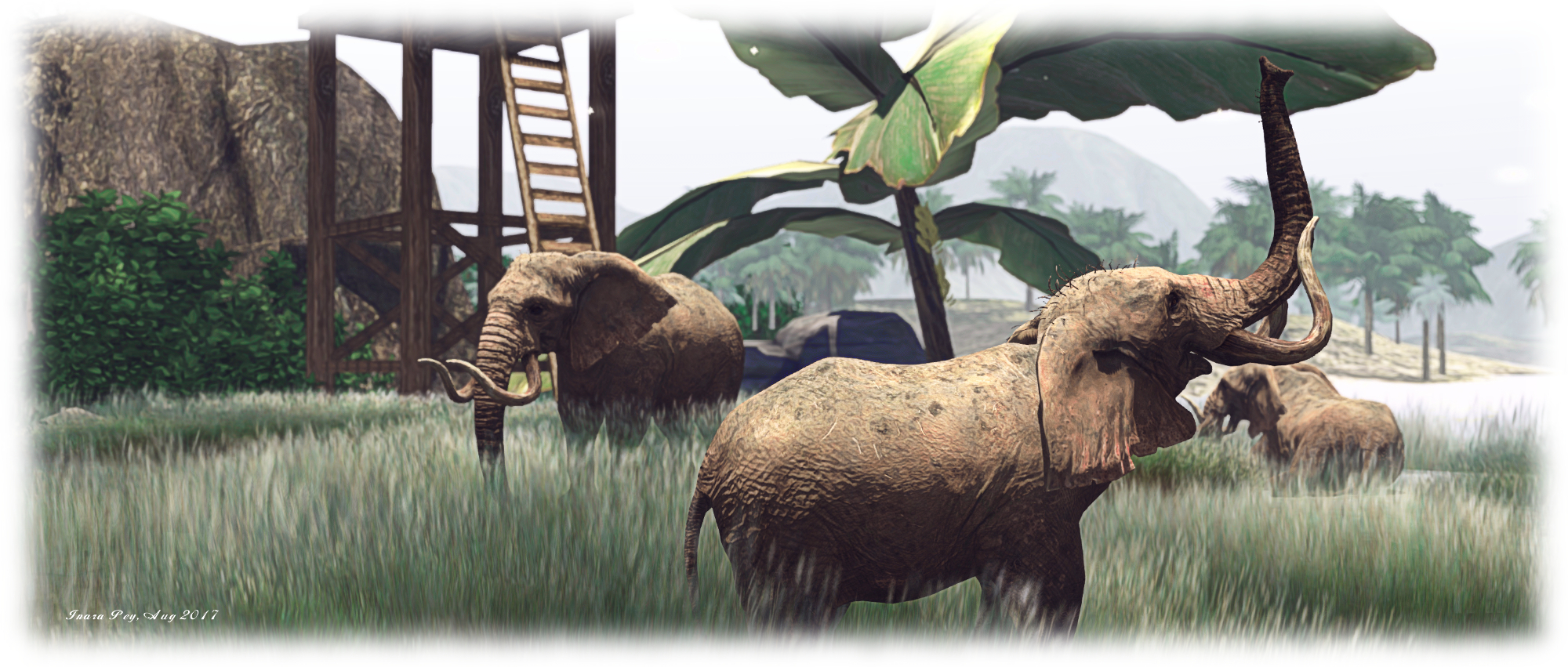
Across the water, elephants graze on the long grass growing around a tall watchtower. Of African origin, the elephants are perhaps a little at odds with the rest of the setting, which – for myself at least – has a far more Asian look and feel to it than it does African. Nevertheless, the offer plenty of opportunities for photos and are quite magnificent.

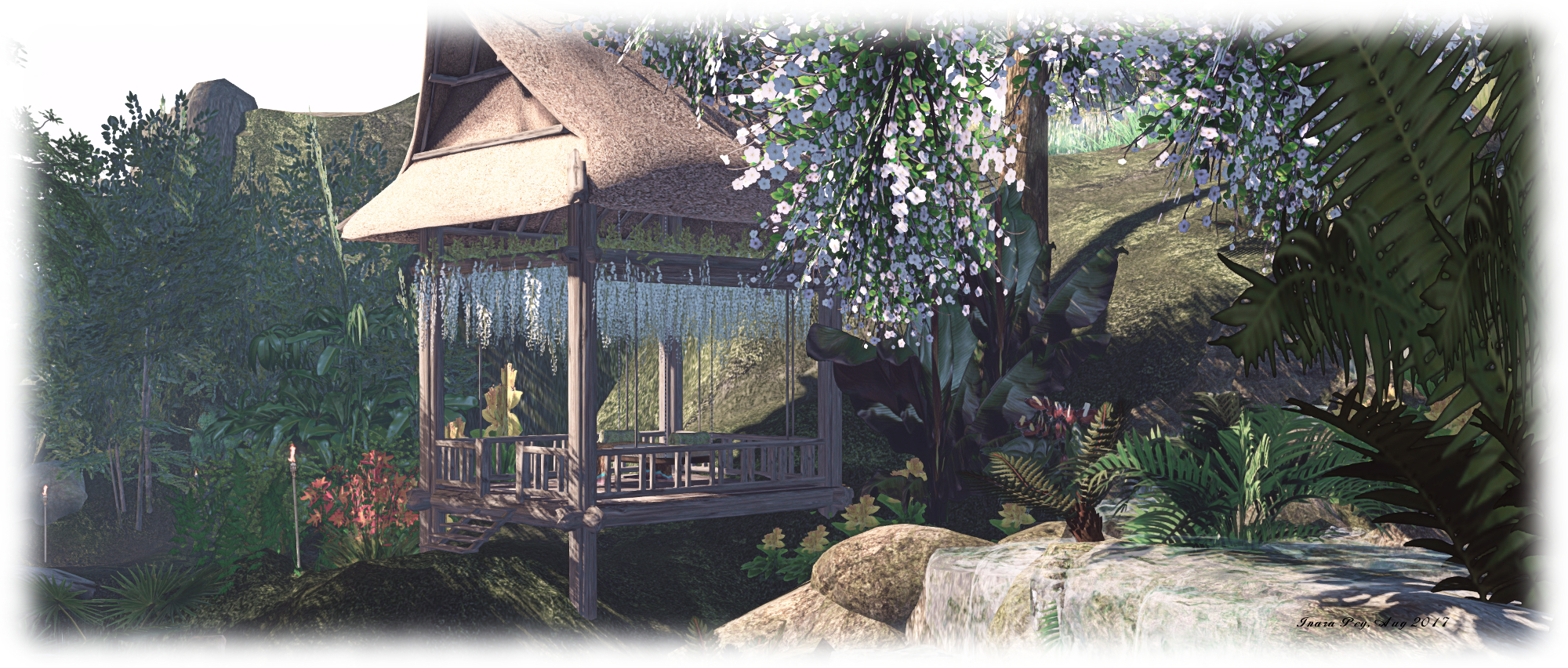
Beyond this, the region is a mix of tropical rain forest and rugged uplands, and offers much that requires careful exploration.  The rain forest has a number of trails running through it, one of which leads to a wooden summer-house offering a place for couples to enjoy a cuddle or two alongside a series of waterfalls. Another of the paths leads to steps cut into the side of the plateau which rises from the north and east sides of the region. This is an area requiring careful exploration, as not everything to be found here is necessarily above ground: there are caverns awaiting discovery. For those who prefer staying out of tunnels and caves, there are platforms along the side of the cliffs offering seating areas, while others provide ways to explore some of the lower-lying rocks.

Aly's Fine Art Gallery and Jungle; Inara Pey, August 2017, on Flickr Aly’s Fine Art Gallery and Jungle

Throughout the entire region are many Asian influences: a statue of Buddha, ruins which wouldn’t go amiss in the jungles of Burma, Tai Chai exercise areas, and more. These are mixed with places to sit and cuddle in camp sites and elsewhere, and which include a platform beneath a hot air balloon. For the observant – again – a hidden opportunity to play the Moonphase Piano.

As noted, this is an intriguing region. The art exhibition is modest, but well worth a visit, while the rest of the region offers a chance for exploration and photography – and has over the months been captivate by talents far greater than my own.  That said, and being honest, I do have one or two quibbles with some parts of the build – the plateau and rugged areas are a trifle ragged in places, and could perhaps benefit from some gentle clean-up and tidying. But again, this doesn’t detract from photographic opportunities, either under the default windlight or similar soft lighting.

Aly's Fine Art Gallery and Jungle; Inara Pey, August 2017, on Flickr Aly’s Fine Art Gallery and Jungle

SLurl Details