Space Sunday: exoplanets ‘Oumuamua and rockets

An artist’s impression of the surface of Barnard’s Star b. Credit ESO-M. Kornmesser. Credit ESO-M. Kornmesser

Another of our Sun’s closest neighbours has been found to be home to a “super-Earth” scale planet.

Barnard’s Star, named after American astronomer Edward Emerson Barnard, is a low-mass M-class red dwarf star. As I’ve noted in previous discussions of exoplanets, red dwarf stars are the most common type of star in our galaxy, believed to account for around 70% of all stars. They can be quite volatile in nature and prone stellar flares, meaning any planets in close proximity to them are unlikely to be very habitable.

But Barnard’s Star is somewhat unusual; while it is estimated to be between two and three times older than the Sun, it has a relatively low level of activity. It also has the fastest radial (side-to-side) motion of any visible star in the night sky – something that might indicate the presence of a large planet orbiting it, causing it to wobble in its spin.

Over the years, astronomer have attempted to use the star’s radial motion to try to establish if it is the result of a planet, and in 2015, instruments used by the European Southern Observatory and the Keck Observatory suggested there could be a very large planet with an orbital period of about 230 days.

More recently, the Red Dots and CARMENES campaigns, which were responsible for the discovery of a planet orbiting our nearest stellar neighbour, Proxima B (see here for more), reviewed the data gathered from multiple sources that have studied Barnard’s Star in an attempt to ascertain whether there is one or more planets orbiting Barnard’s Star.

An artist’s impression of Barnard’s Star planet under the orange tinted light from the star. Credit: IEEC/Science-Wave – Guillem Ramisa

For the analysis we used observations from seven different instruments, spanning 20 years, making this one of the largest and most extensive datasets ever used for precise radial velocity studies. The combination of all data led to a total of 771 measurements.

– Ignasi Ribas, director of the Monstec Astronomical Observatory, and study lead

The results of this work appear to confirm that there is a planet – referred to as Barnard’s Star b – is orbiting the star roughly one every 233 terrestrial days. It has a mass of at least 3.2 times that of Earth, putting it if the category of either a “super-Earth” or a “mini-Neptune”. It is some 0.4 AU (0.4 times the distance between the Earth and the Sun) from its parent.

Because of Barnard’s Star low mass and brightness, the planet only receives about 2% of the energy that the Earth receives from the Sun. This puts it at, or beyond the star’s frost line, where volatile compounds like water, carbon dioxide, ammonia and methane condense into solid ice. As a result, the planet likely has a surface temperature in the region of -170oC, making it inhospitable to life as we know it – although if the planet has an atmosphere, its surface temperature could be higher.

This is the first time an exoplanet has been discovered using the radial velocity method. The most common method of detection is the transit method, monitoring the period dimming of a star’s brightness as seen from Earth to determine whether a planet might be orbiting it, but such is Barnard’s Star’s dimness, this has never really been and option.

Further observations are required to completely confirm the planet’s presence, but those involved in the study – including ESO – have a high degree of confidence it will be confirmed, and observations by a number of observatories around the globe are already underway.

After a very careful analysis, we are over 99 per cent confident that the planet is there, since this is the model that best fits our observations. However, we must remain cautious and collect more data to nail the case in the future … we’ll continue to observe this fast-moving star to exclude possible, but improbable, natural variations of the stellar brightness which could masquerade as a planet.

– Ignasi Ribas

Such is the proximity of Barnard’s Star to Earth, the new planet is potentially an excellent candidate for direct imaging using the next-generation instruments both on the ground and in space – such as with NASA’s James Webb Space Telescope (JWST), scheduled for launch in 2021) or Wide Field InfraRed Survey Telescope (WFIRST), which if not threatened with further cancellation, should be launched in the mid-2020s, and the European Space Agency’s Gaia mission.

‘Oumuamua Update

In my previous Space Sunday article, I wrote about our interstellar visitor, ‘Oumuamua (officially 1I/2017 U1), which was observed passing around the Sun a year ago, and the (unlikely) potential it is some form of extra-terrestrial probe.

On November 14th, 2018, NASA issued an update on the most recent findings from data obtained on the cigar-shaped object by the Spitzer infra-red telescope.

An artist’s impression of 1I/2017 U1 (or `Oumuamua), which was first seen by the Pan-STARRS 1 telescope in Hawaii on October 19th, 2017, and subsequently studied by a number of telescopes around the world, including the VLT of the European Southern Observatory (ESO) Credit: ESO / M. Kornmesser

The new report, released via NASA’s Jet Propulsion Laboratory, indicates ‘Oumuamua is off-gassing volatiles, something those proposing the alien probe idea thought to be unlikely. This off-gassing likely imparted the odd tumbling motion exhibited by ‘Oumuamua . Spitzer’s observations also confirmed that the object is highly reflective – around 10 times more reflective than the comets that reside in our solar system—a surprising result, according to the paper’s authors.

Comets orbiting the Sun spend a good deal of their time gathering dust suspended in the interplanetary medium, covering them in a layer of “dirt”. As they approach the Sun, they undergo heating, causing volatiles  – often frozen water – to start venting, “cleaning” parts of the comet’s surface and raising its reflectivity. As ‘Oumuamua, has been in the depths of interstellar space for millennia and far from any star system that could contain enough dust and material to refresh its surface, it is possible that the off-gassing confirmed by Spitzer exposed far more of its underlying ice. This, coupled with some of the icy volatiles it vented falling back onto its surface (again as can happen with solar system comets) may have resulted in the object’s higher than expected albedo.

Taken with other observations of ‘Oumuamua, the Spitzer data tends to further discount the idea that it is of artificial origin.

Continue reading “Space Sunday: exoplanets ‘Oumuamua and rockets”

Space Sunday: ‘Oumuamua, BFS and Tianhe-1

An artist’s impression of 1I/2017 U1 (or `Oumuamua), which was first seen by the Pan-STARRS 1 telescope in Hawaii on October 19th, 2017, and subsequently studied by a number of telescopes around the wrold, including the VLT of the European Southern Observatory (ESO) Credit: ESO / M. Kornmesser

On October 19th, 2017, the Panoramic Survey Telescope and Rapid Response System-1 (Pan-STARRS-1) in Hawaii announced the first-ever detection of an interstellar asteroid, named 1I/2017 U1 (aka. ‘Oumuamua).

In the months that followed, multiple additional observations were conducted that allowed astronomers to get a better idea of its size and shape, revealing it to be strangely cigar-shaped, roughly 400 metres (1312 ft) in length and approximately 40-50 metres (130-162.5 ft) in height and width, tumbling through space. These observations also showed it may be composed of dense metal-rich rock, and that it had the characteristics of both a comet and an asteroid.

However, the report on ‘Oumuamua (roughly translated as “scout”, ou being Hawaiian for “reach out for” and mua meaning “first, in advance of” – which is repeated for emphasis) that captured public imagination is the idea that the object may have been an interstellar probe.

At the heart of this idea is the fact that ‘Oumuamua accelerated away from the Sun faster than would have been the case of it receiving a “gravity assist” in swinging around our star. Initially, it was suggested that the additional acceleration was the result of the off-gassing of volatiles  – frozen water, etc., that had been heated during ‘Oumuamua’s close swing around the Sun. However, no such off-gassing had been observed when the object was closer to the Sun, which would have been expected.

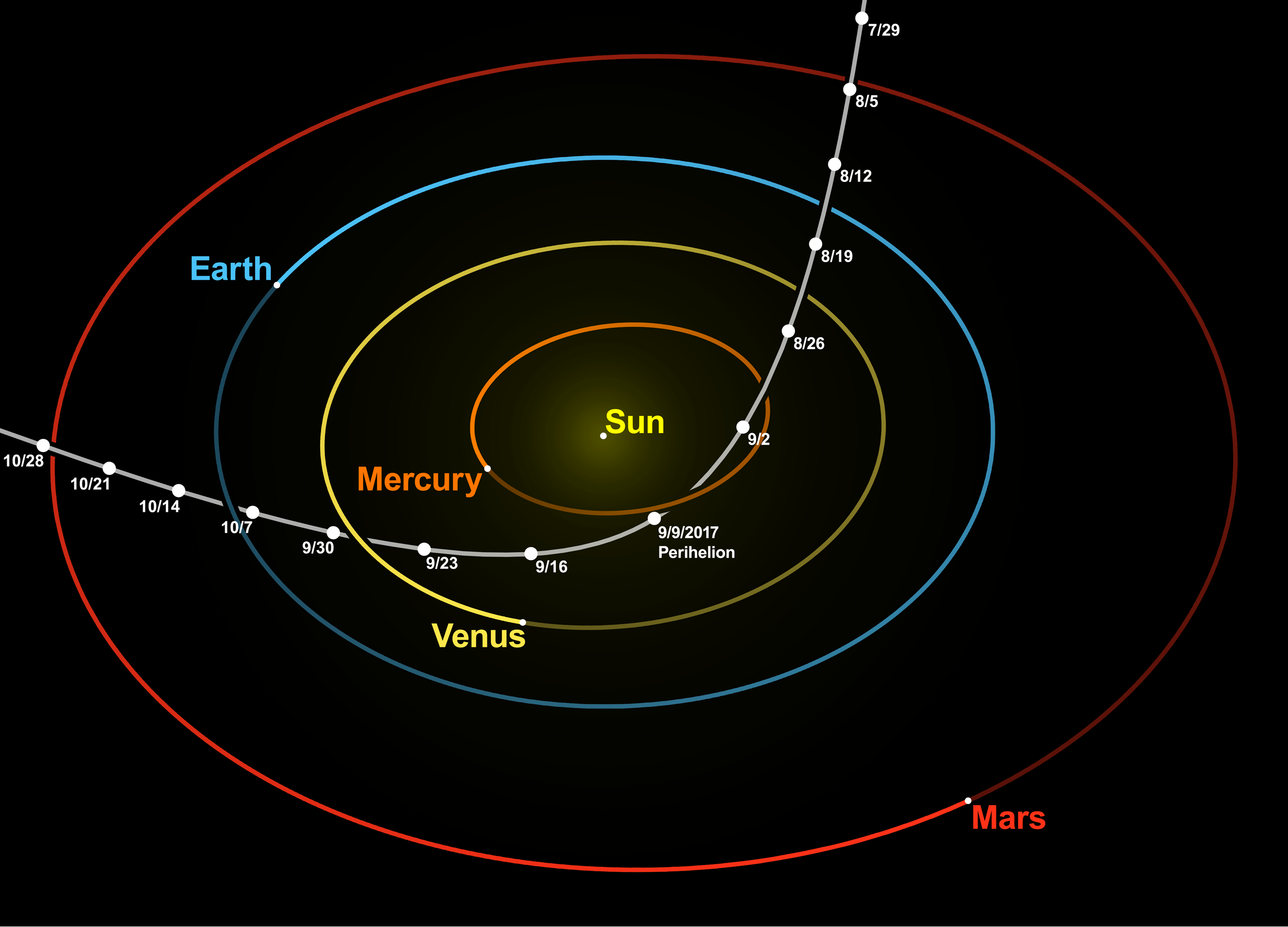
‘Oumuamua’s passage around the Sun in 2017. Credit: Tom Ruen, via wikipedia

In June 2018, an alternative explanation for the acceleration was posited: that it was the result of solar pressure being exerted on the object.

However, at the end of October 2018, Shmuel Bialy, a post-doctoral researcher at the CfA’s Institute for Theory and Computation (ITC) and Prof. Abraham Loeb, the Frank B. Baird Jr. Professor of Science at Harvard University, went one stage further. They proposed that while ‘Oumuamua might well be natural in origin – it could also be the object is in fact an alien probe, intentionally sent to our solar system and which uses a light sail (or what we’d call a solar sail were it to be used with a probe sent from Earth to explore out solar system) for propulsion.

Currently there is an unexplained phenomena, namely, the excess acceleration of ‘Oumuamua, which we show may be explained by the force of radiation pressure from the Sun. We explain the excess acceleration of `Oumuamua away from the Sun as the result of the force that the Sunlight exerts on its surface. For this force to explain measured excess acceleration, the object needs to be extremely thin, of order a fraction of a millimetre in thickness but tens of meters in size. This makes the object lightweight for its surface area and allows it to act as a light-sail. Its origin could be either natural (in the interstellar medium or proto-planetary disks) or artificial (as a probe sent for a reconnaissance mission into the inner region of the Solar System).

– E-mail from Baily and Loeb on their paper concerning ‘Oumuamua

Their views were circulated to various news outlets via e-mail and cause something of a stir in the first week or so of November.

Loeb has actually been an advocate of ‘Oumuamua being of intelligent origin since it was first discovered. He was one of the first to call for radio telescopes to listen to it across a range of frequencies for any signs of transmissions from it. When the SETI Institute‘s Allen Telescope Array did so without success, he pushed for the Green Bank Telescope in West Virginia to listen for radio emissions – which it did for a 6-day period December 2017, again without success

As no signals were found to be emanating from the object, rather than drop the idea of it being artificial, Loeb has put forward the ideas that it has either malfunctioned, or it is active, and we simply can’t detect the fact that it is. He’s even suggested that given Pan-STARS only managed to spot the object after it has passed perihelion, could mean that it is only “one of many” such probes sent our way, and we’ve missed the others.

Bialy has been a little more cautious with things, pointing out the paper is “high speculative”. But the fact is, the paper does come across more of an attempt to substantiate a belief (that ‘Oumuamua is of artificial origin) than anything else, and in doing so, it does ignore certain data and makes some sweeping assumptions.

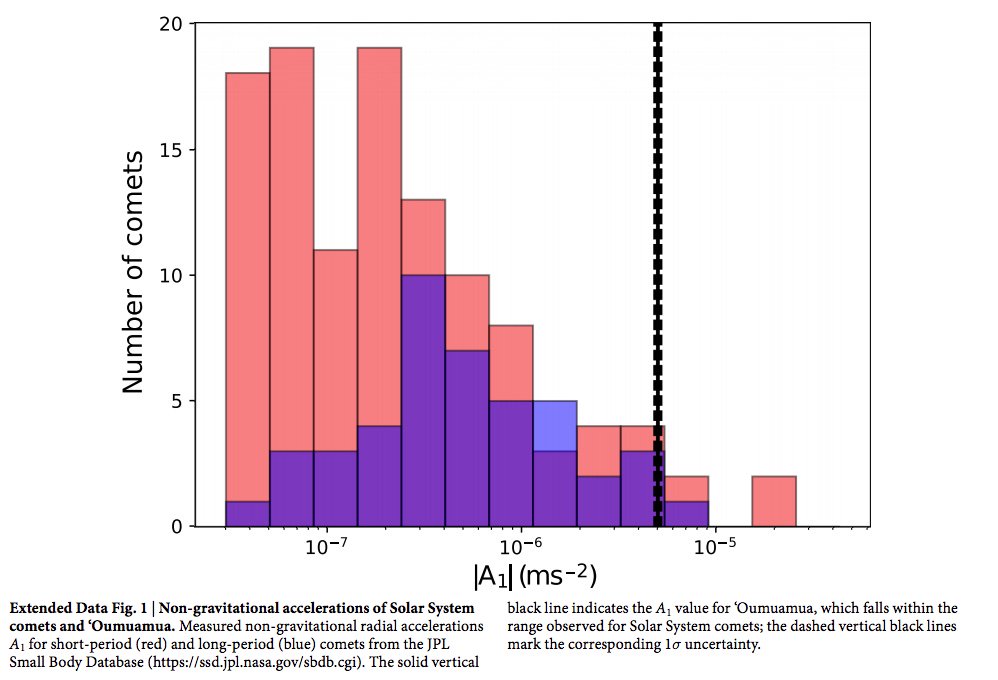
For example, the paper tends to dismiss the idea that ‘Oumuamua’s unexpected acceleration was consistent with a push from solar radiation pressure. However, Michele Bannister, a planetary astronomer from New Zealand and one of many to push back against the “ET probe” idea via Twitter, used a graphic that shows the acceleration exhibited by ‘Oumuamua’s is entirely in keeping with similar non-gravitational accelerations seen with comets within the solar system.

via Michele Bannister

Continue reading “Space Sunday: ‘Oumuamua, BFS and Tianhe-1”

2018 OSCC: registrations open, and a call to artists

Via OSCC

On Saturday, November 29th, I received an e-mail announcing that registrations for the 2018 OpenSimulator Community Conference are open.

The 2018 conference will take place on Saturday 8th and Sunday 9th December 2018, celebrating 11 years of community and development of OpenSimulator and focusing on the evolution and future of this open-source virtual world platform.

Attendance is free, but numbers are limited. Those wishing to donate to the supporting this and future conferences, can do so through a number of donation options, ranging from $10.00 USD through to $200.00 USD, or donate an amount of their own choosing, all of which offer various benefits to purchasers, such as reserved seating areas expo booths at the event, physical t-shirts and other OSCC18 promo items.

The expo area associated with the conference will not be ticketed and so can be accessed by any avatar, subject to constraints on the number of avatars that the exhibition regions can hold at any particular time.

To book your tickets to attend the conference through your avatar, and to see the full range of ticket options and their respective benefits, please visit the conference ticket page.

Note that registration is open on a first-come-first-served basis until the maximum number of virtual conference centre tickets is reached. At that point, community members will still be able to register for the live streamed version of the conference that will be available.

The OSCC conference centre, 2013

Volunteer and Social Events Registrations Still Open

OSCC 2018 is still accepting registrations from volunteers to help run the event, and from those interested in hosting a social event associated with the conference.

The conference needs volunteers to help in a range of activities: greeters / audience assistants ; moderators; builders; scripters; social media / communications; streaming and technical support. Those interested in volunteering can do so via the Volunteer Sign-up form,  Depending upon interests, volunteers can select more than one role if they wish.

Social events can be held on other grids, and can be scheduled on dates leading up to the conference on Saturday, December 8th, 2018, or for after 17:00 PDT on either Saturday, December 8th or Sunday December 9th, 2018. Those wishing to host an event are asked to complete the Social Event Sign-up form.

There will also be limited available space on the OSCC conference grid for those who would like to host an OSCC meet-up or after conference event on Sunday, December 9th, 2018. Please contact the organisers with questions.

OSCC 2014 conference arena. Credit: OpenSimulator Community Conference

A Call To Artists

Also on November 10th, the conference organisers issued a call to artists, which reads in part:

We are looking for artists to Contribute art with us to showcase and to freely share with the community. These artworks will be placed on our Landing Regions and Expo Regions and possibly in the Keynote Regions. We will encourage participants to tour the artworks and make those that are either Public Domain Dedication or Creative Commons Attribution available for OSCC attendees to pick up a copy for their own regions.

Art can be static or kinetic in nature, and multiple submissions from individual artists are welcome, but there are certain criteria that should be noted by applicants:

  • All art must fit a 5m x 5m x 7.5m (height) area.
  • Mesh must not exceed 25K polygon counts.
  • Art must be distributable by Copy or by box, and must be resource considerate.
  • No timers, scanning or logos permitted.

Artists wishing to participate are asked to e-mail opensim@avacon.org, and include a photo or sketch, description, and any other details about the work they would like to submit.

About the Conference

The OpenSimulator Community Conference is an annual conference that focuses on the developer and user community creating the OpenSimulator software. The conference is a joint production by Core Developers of OpenSimulator and AvaCon, Inc., a 501(c)(3) non-profit organization dedicated to promoting the growth, enhancement, and development of the metaverse, virtual worlds, augmented reality, and 3D immersive and virtual spaces.  The conference features a day of presentations, panels, keynote sessions, and social events across diverse sectors of the OpenSimulator user base.

Space Sunday: farewell and welcome back

One of the last images of Ceres returned by the Dawn mission which was officially declared ended on November 1st, 2018. Note the bright carbonate mineral deposits in Occator Crater to the right of the image. Credit: NASA/JPL

Two important space missions came to an end at the end of October 2018. The Kepler observatory, which spent nine years in deep space collecting data that detected thousands of planets orbiting stars outside our solar system; and the Dawn spacecraft, which spent 11 years orbiting and studying the main asteroid belt’s two largest objects, Vesta and Ceres.

Concerns had been growing for months over Kepler’s ability to continue working as a result of dwindling on-board propellant supplies, as the space observatory has had to use it thrusters a lot more than originally planned, following the failure of some of its pointing gyroscopes several years ago. Similarly, the end of the Dawn mission had been signed as a result of that vehicle also running low on orientation propellants.

Launched in 2007, Dawn was the first spacecraft to orbit a body between Mars and Jupiter, and the first to orbit more than one deep-space destination. From 2011 to 2012, the spacecraft studied the asteroid Vesta before pulling off an unprecedented manoeuvre by leaving orbit and travelling to the dwarf planet Ceres, which it observed for over 3.5 years. Even with the mission now officially over, Dawn will remain in a stable orbit around Ceres for decades, while among its many findings, Dawn helped scientists discover organics on Ceres and evidence that dwarf planets could have hosted oceans over a significant part of their history—and possibly still do.

Both missions were extended past their originally anticipated lifetime because of the innovative work of their engineers and scientists. In 2016, Dawn’s mission at Ceres was extended. In 2017, its mission at Ceres was extended again to study the dwarf planet from altitudes as low as 35 km (22 mi) above the surface, with the main goal of understanding the evolution of this dwarf planet.

Dawn depleted its hydrazine propellant on October 31st, 2018 while still actively engaged in studying Ceres. Without it, the vehicle could not keep its solar panels oriented towards the Sun in order to provide energy to its battery systems, resulting in a complete loss of contact with Earth. Attempts were made to re-establish communications through NASA’s Deep Space Network, but the loss of propellants had been expected, and the US space agency officially announced the mission as concluded on November 1st, 2018.

Ceres’ lonely mountain, Ahuna Mons, seen in a simulated perspective view with the elevation has been exaggerated by a factor of two. The view was made using enhanced-colour images from NASA’s Dawn mission. Credit: NASA/JPL

Among the more surprising discoveries Dawn made was the fact that small bodies in the solar system like Vesta and Ceres are more diverse in nature that had even been thought. Dawn also revealed that geological activity on Ceres had once been sufficient to raise a massive 5 km (3 mi) high cryovolcano, Ahuna Mons (or informally, The Lonely Mountain), and to create more than 300 bright features, called faculae. On Earth, these bright deposits of carbonate minerals are associated with water, suggesting Ceres may have, or had, a liquid water interior. The brightest of these deposits, in Occator Crater is also the largest deposit of carbonate minerals found beyond Earth.

Such is the amount of data returned by Dawn, analysing it all will still take several more years, as noted by the mission’s Principal Investigator, Carol Raymond:

In many ways, Dawn’s legacy is just beginning. Dawn’s data sets will be deeply mined by scientists working on how planets grow and differentiate, and when and where life could have formed in our solar system. Ceres and Vesta are important to the study of distant planetary systems, too, as they provide a glimpse of the conditions that may exist around young stars.

Kepler, meanwhile, was launched in 2009 and completed its primary mission in 2012, leading to the first mission extension. Then, in 2013, a second gyroscope failure left the observatory unable to continue in its primary operating mode. Instead, engineers found a way to use both solar pressure and the observatory’s manoeuvring jets to keep it pointing in a desired direction. This allowed a new mission, dubbed K2, to commence in 2014. It has been running ever since, gathering science from 19 different patches of sky with populations of stars, galaxies and solar system objects.

Kepler was officially retired on October 30th, 2018. For most of the year it had been showing signs of running out of propellants, and without them, it would be unable to maintain the correct orientation to either continue observations or turn itself to communicate with Earth.

As NASA’s first planet-hunting mission, Kepler has wildly exceeded all our expectations and paved the way for our exploration and search for life in the solar system and beyond. Not only did it show us how many planets could be out there, it sparked an entirely new and robust field of research that has taken the science community by storm. Its discoveries have shed a new light on our place in the universe, and illuminated the tantalizing mysteries and possibilities among the stars.

– NASA’s official announcement on Kepler’s retirement

Kepler by the numbers. Credit: NASA

Continue reading “Space Sunday: farewell and welcome back”

Space Sunday: Mars roundup

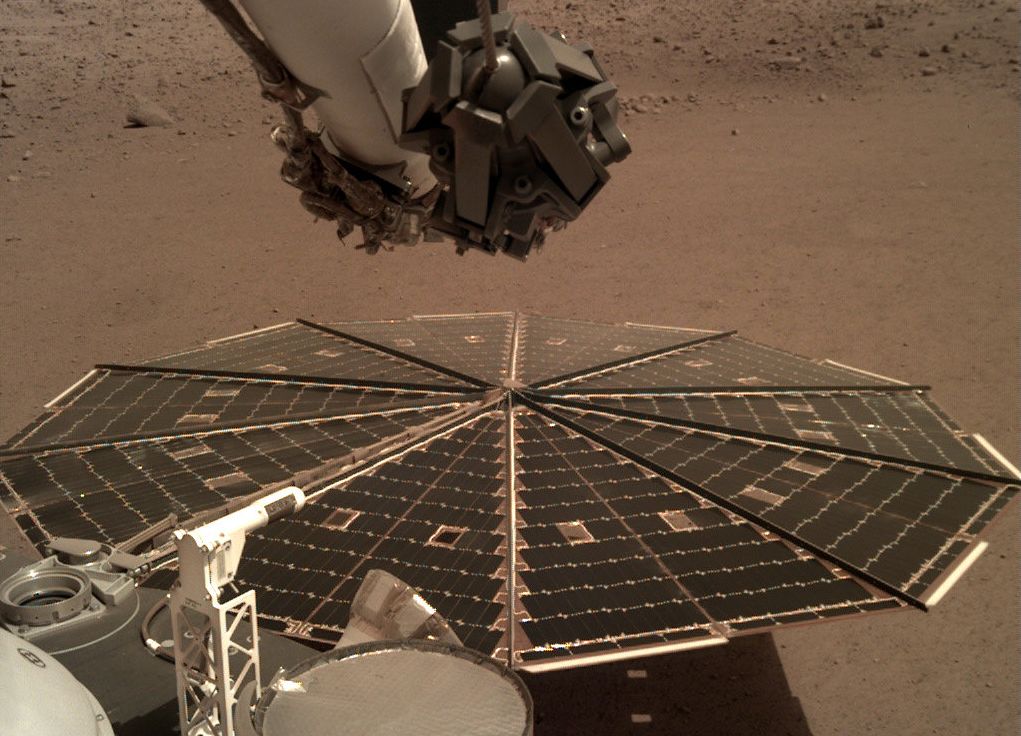
via Associated Press

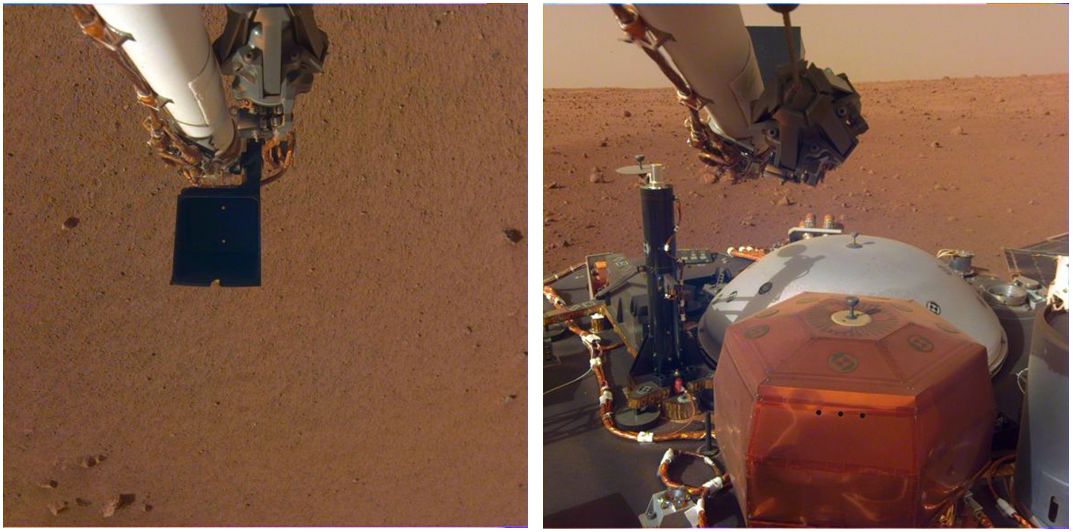
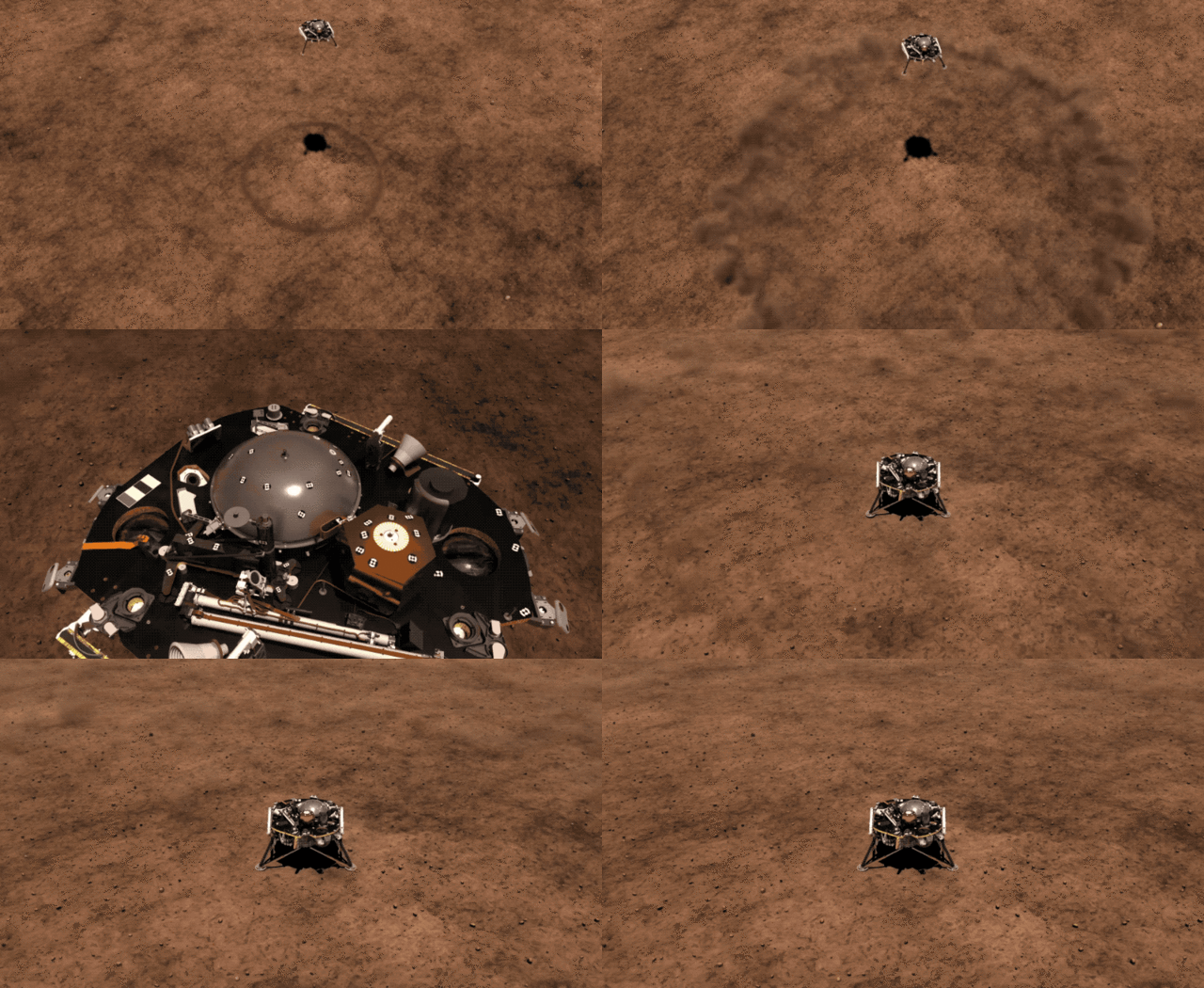
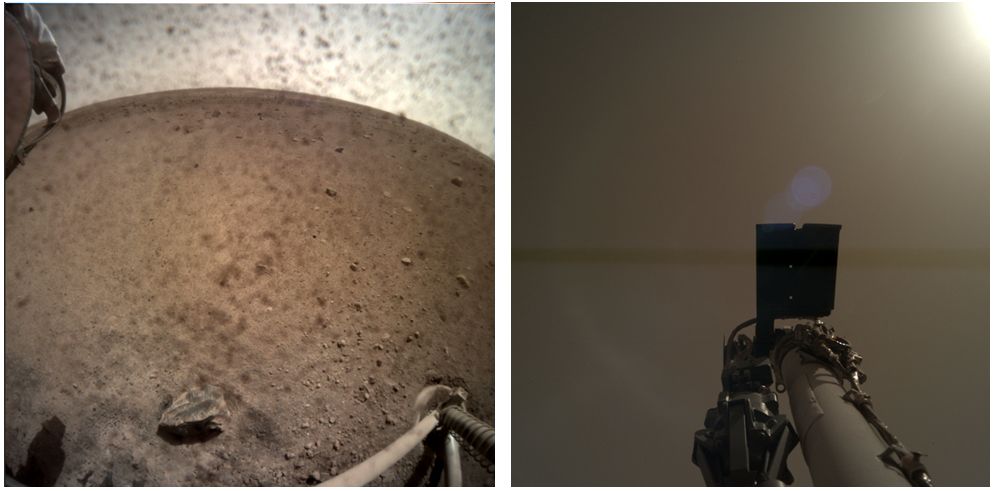
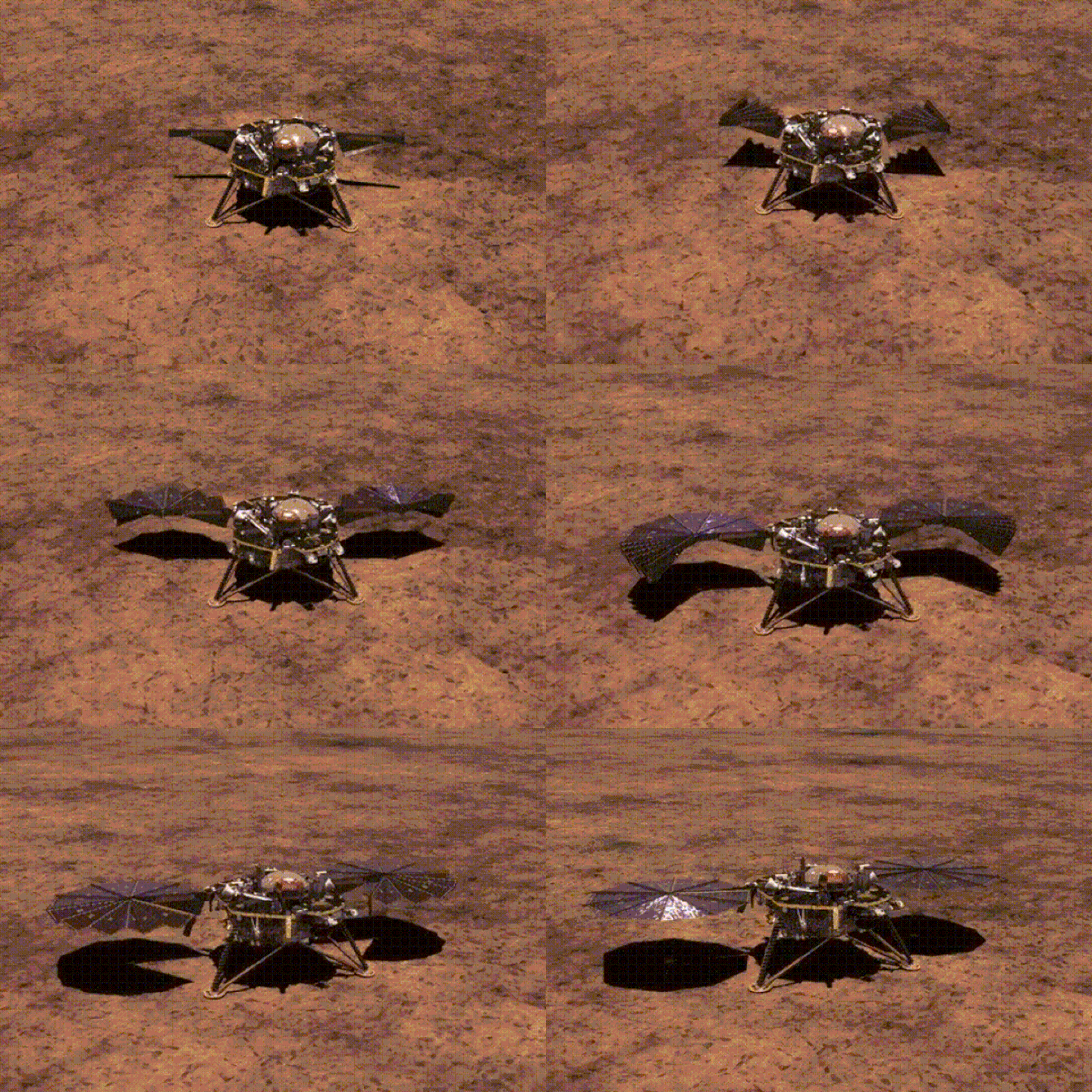
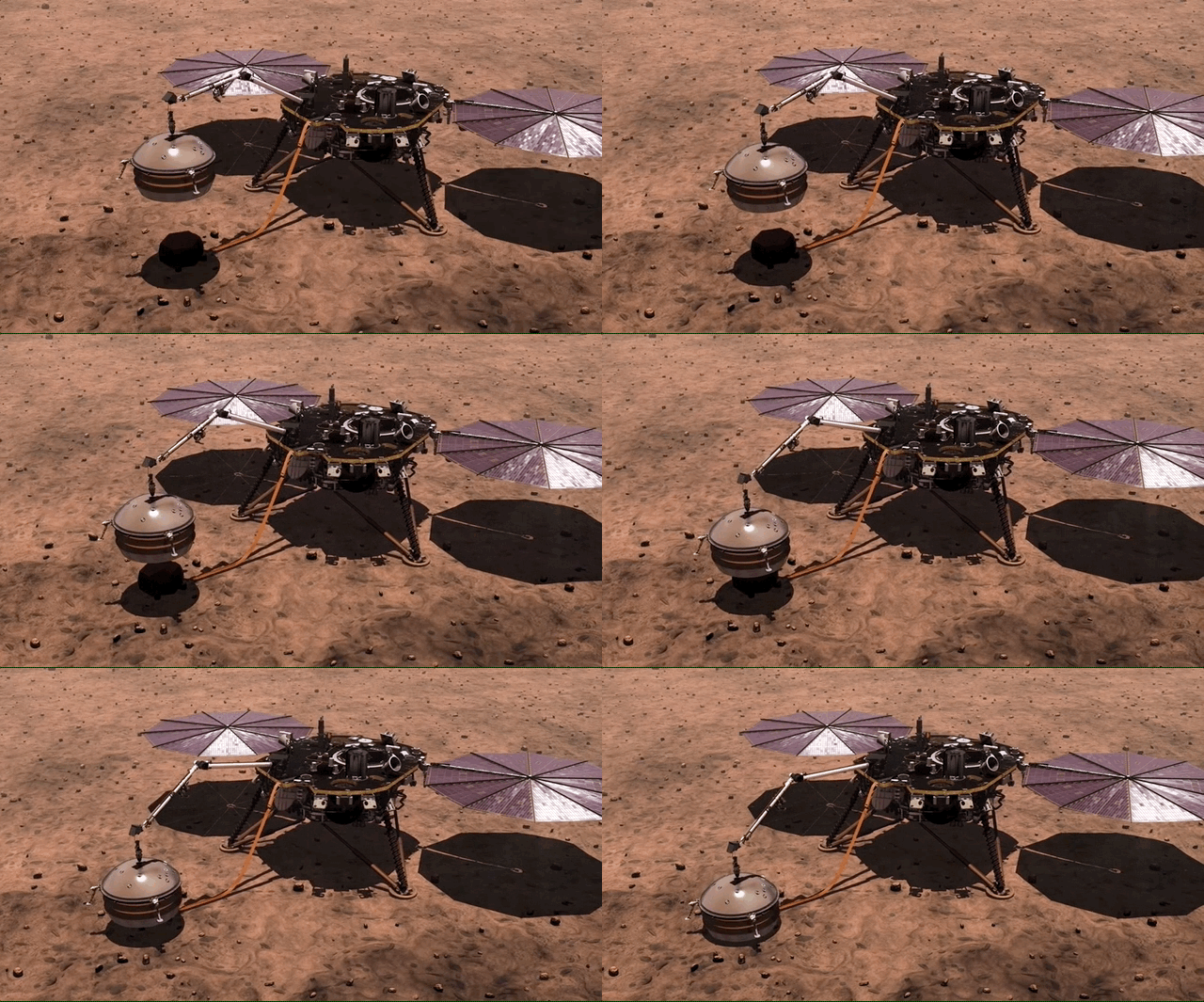
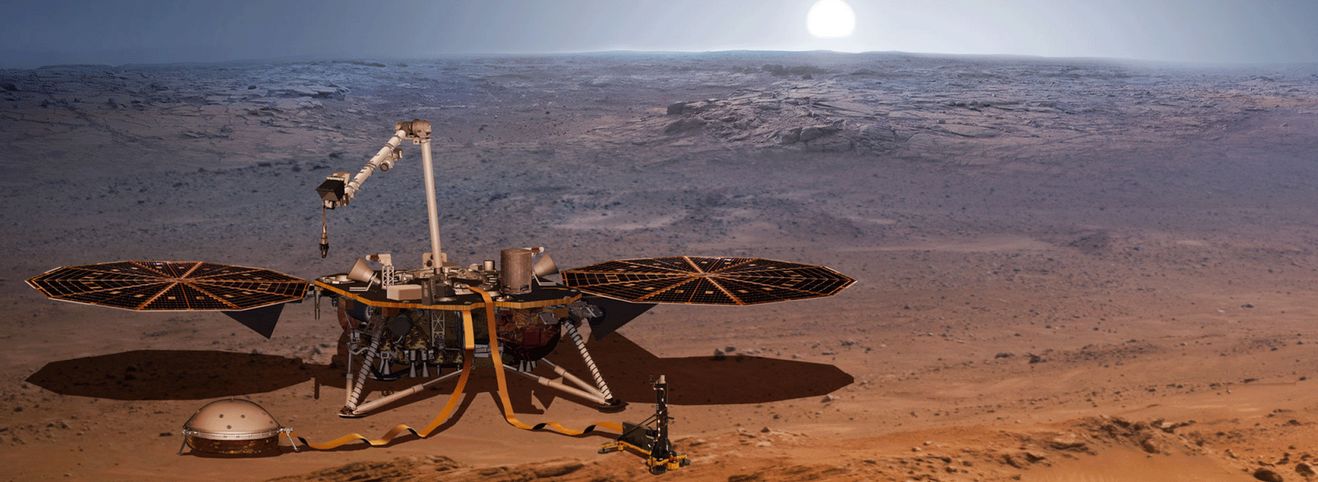
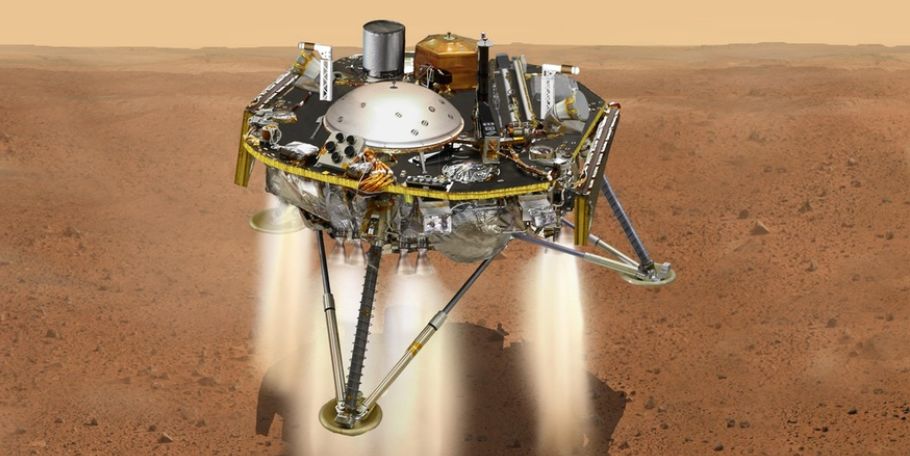
NASA’s INterior Exploration using Seismic Investigations, Geodesy and Heat Transport (InSight) lander, launched in March 2018, is due to land on Mars on November 26th, 2018. Managed by NASA’s Jet Propulsion Laboratory, the mission is intended to study the internal structure of the planet, and in doing so it could bring new understanding of the Solar System’s terrestrial planets — Mercury, Venus, Earth, Mars and the Moon.

The lander is based on the design used for NASA’s Mars Phoenix lander, which successfully arrived on Mars in 2008, using circular solar arrays to generate power for its systems and instruments. As with the Phoenix Lander, InSight is designed to operate for a Martian year once on the surface of Mars, with an initial primary mission period of 90 days.

As a static lander, InSight will use a range of instruments to study the deep interior of Mars. Two of the principle instruments in this investigation are the Seismic Experiment for Interior Structure (SEIS) and HP3, the Heat Flow and Physical Properties Package, both of which will be placed in direct contact with the surface of Mars after touch-down.

An artist’s impression of InSight on Mars, showing the SEIS package deployed. Credit: NASA / JPL

Developed by the French Space Agency (CNES), with the participation of the Institut de Physique du Globe de Paris (IPGP), the Swiss Federal Institute of Technology (ETH), the Max Planck Institute for Solar System Research (MPS), Imperial College, Institut supérieur de l’aéronautique et de l’espace (ISAE) and JPL, SEIS is a sensitive instrument designed to do the work of an entire network of seismographs here on Earth.

It will measure seismic waves from marsquakes and meteorite strikes as they move through the planet. The speed of those waves changes depending on the material they’re travelling through, helping scientists deduce what the planet’s interior is made of. Seismic waves come in a surprising number of flavours; some vibrate across a planet’s surface, while others ricochet off its centre and they also move at different speeds. Seismologists can use each type as a tool to triangulate where and when a seismic event has happened.

Such is the sensitivity of SEIS, it can sit in one place and listen to the entire planet and detect vibrations smaller than the width of a hydrogen atom. It will be the first seismometer to be directly placed on the surface of Mars, where it will be thousands of times more accurate than seismometers that sat atop the Viking landers.

Artist’s illustration of InSight’s Seismic Experiment for Interior Structure (SEIS) instrument on the Red Planet’s surface. Credit: NASA TV/JPL

Also, because of the instrument’s sensitivity, SEIS will be protected from the local weather by a protective shell and skirt, both of which will stop local wind interfering with the instrument. In addition, it will be supported by a suite of meteorological tools to characterise atmospheric disturbances that might affect its readings.

HP3 has been provided by the German Aerospace Centre (DLR). It is a self-penetrating heat flow probe,  more popularly referred to as a “self-hammering nail” with the nickname of “the mole”. Once deployed on the surface of Mars, it will burrow 5 m (16 ft) below the Martian surface while trailing a tether with embedded heat sensors every 10 cm (3.9 in) to measure how efficiently heat flows through Mars’ core, revealing unique information about the planet’s interior and how it has evolved over time.

The “self-hammering nail” description comes from the spike, or “mole” at the end of the tether. A mechanism within it  will allow it to propel itself into the Martian regolith and down through the rock beneath it.

Diagram of HP3, showing the deployment system, the “mole” and tether. Credit: DLR

Once fully deployed, HP3 will be able to detect heat trapped inside Mars since the planet first formed. That heat shaped the surface with volcanoes, mountain ranges and valleys. It may even have determined where rivers ran early in Mars’ history.

On arrival at Mars, InSight will enter the planet’s atmosphere and land on Elysium Planitia, around 600 km (370 mi) from where the Curiosity rover is operating in Gale Crater. I’ll have more on the mission around the time InSight makes its landing on Mars.

Continue reading “Space Sunday: Mars roundup”

High Fidelity announces FutVRe Lands

via High Fidelity

On Thursday, October 25th, 2018, High Fidelity announced FutVRe Lands, a one-day VR celebration featuring a host of activities and events to take place on VR Day, Saturday, November 17th, 2018.

Virtual Reality Day is a series of VR/AR events organized worldwide to help virtual and augmented reality become more mainstream. Any individual, company or organization can host a free public VR/AR event and become part of the Virtual Reality Day phenomenon. This is a completely voluntary and grassroots effort. It’s about bringing the energy and interests of the greater community together, and focusing that energy for the benefit of everyone on one special day.

– From the VR Day website

Billed as “a celebration of the communities developing in social VR. It’s an all-day binge of ground-breaking experiences”, the High Fidelity FutVRE Lands event will run from 12:00 noon through to 17:00 PST, and will include live music, performances. art, speakers, games and contests, ways to earn High Fidelity Coins (HFCs) and opportunities to win VR headsets.

Attendance is open to anyone with a home computer (via High Fidelity’s Desktop mode), VR headset or who uses Google Daydream. Attendance is free, but space is limited, so people are advised to reserve tickets sooner rather than later. Those in the San Francisco area can additionally register to attend the event in person.

via High Fidelity

Event Contests

Best Avatar Contest: show-off your best avatar creation and win US $1,000 (100,000 HFC), with two runners-up each receiving US $500 (50,000 HFC). Enter Here.

Favourite Domain Contest: do you know an amazing domain? Nominate it for the Favourite Domain Contest! The festival attendees will have an opportunity to visit it and vote for their favourite. The domain with the most votes will win US $700 (70,000HFC)  Nominate Here.