The Gardens by the Bay in Second Life

Gardens by the Bay
Gardens by the Bay

Now open to visitors is the Gardens by the Bay, a full region installation by Maddy  (Nibby Riddler), who is perhaps best known for her Eclectica homestead region designs (which you can read about here and here). It is a stunning installation, rooted in the physical world, but with its own unique flavour, and I am not exaggerating in the slightest when I say it is a must see.

The inspiration for the design comes from Singapore’s Gardens by the Bay, a nature park spanning 101 hectares (250 acres) of reclaimed land in central Singapore. First announced in 2005, it is designed as Singapore’s permier outdoor recreation space, and a spearhead in the drive to transform the city-state  from a “Garden City” to a “City in a Garden”.
Gardens By the Bay
Gardens By the Bay

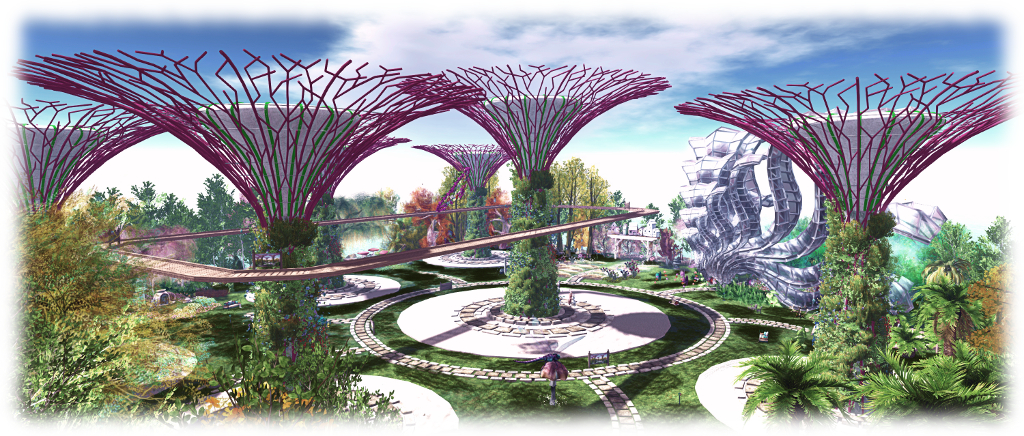
Working with far less than 250 acres, Maddy has beautifully captured the essence of the Gardens by the Bay, reproducing many of its iconic elements. Central to the design is the magnificent Supertree Grove. Vertical gardens in their own right, rising up to 50 metres (162 ft) into the air, these massive structures are home to enclaves of unique and exotic ferns, vines, orchids and bromeliaceae. They also perform a variety of functions to support the gardens around them. Just as an elevated walkway connects them in the physical world, so to does a similar walkway loop Maddy’s Supertrees, allowing visitors to gain a panoramic view of the gardens below.

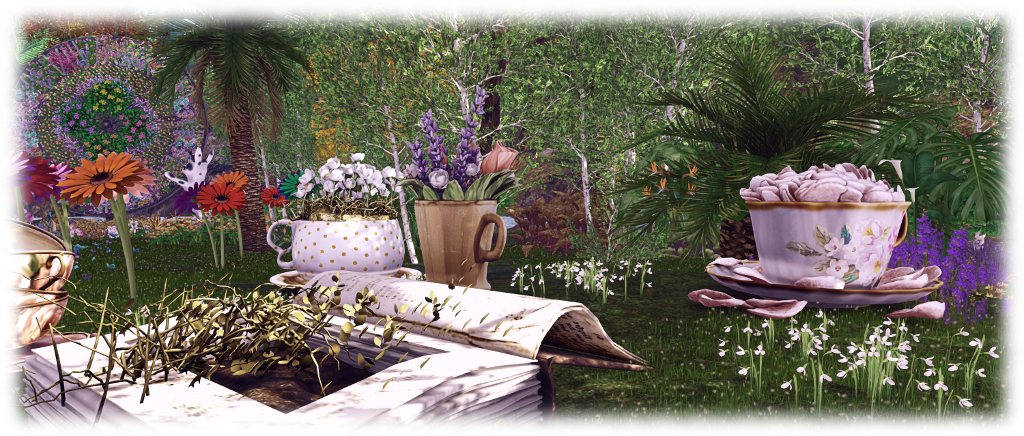
Linked by a series of paths, the ground level gardens bring together elements found across all three of the major areas of the original, encapsulating so much of beauty, fauna and architecture without the region every feeling overcrowded, A note card is provided at the landing point to help visitors navigate around, and I thoroughly recommend taking it and reading it before starting any exploration.
Gardens by the Bay
Gardens by the Bay

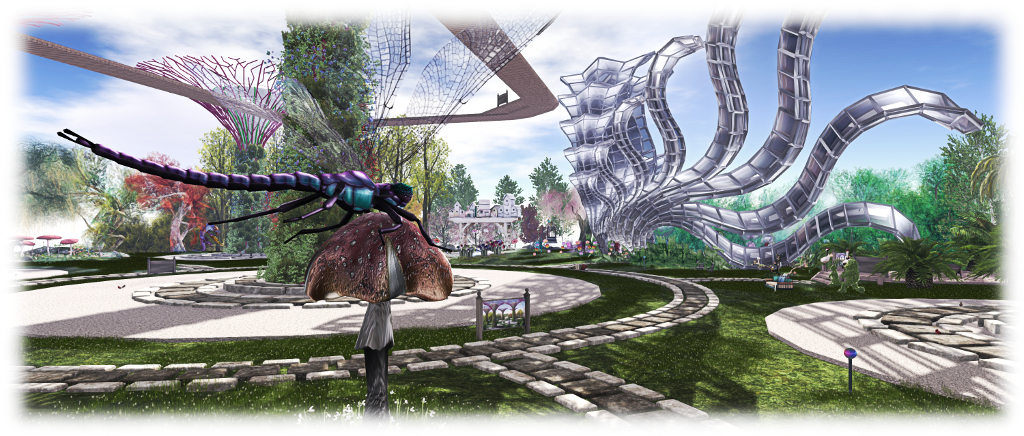
Another aspect of the original offered to visitors is a representation of one of the massive greenhouses, home to a rich and colourful spread of flora. The famous Audemars Piguet Floral Clock, unveiled on the occasion of the 50th Anniversary of Singapore independence in 2015, is also represented, as are the giant silvery ants which younger visitors to Singapore’s gardens find so irresistible – and so much more.

With places to sit and admire, opportunities to dance and capturing the essence of all three major areas of the original, Maddy’s Gardens  by the Bay is – in a word – magnificent. While the images here are all taken with minor tweaks to the default windlight for the region, the gardens lend themselves perfectly to other windlight settings, and are exceptionally photogenic.

Gardens by the Bay
Gardens by the Bay

Absolutely not something to be missed, Gardens by the Bay will remain open through until the end of June 2017. My thanks to Maddy for the personal invitation she extended to Caitlyn and I to pay a visit.

SLurl Details

Light Reflections in Second Life

Light Reflections
Light Reflections

Light Reflections is the name of a full region installation in Second Life by Venus Adored. Spanning six levels, it is, as the name suggests, an experiment in light and reflections.

Visitors start at the top of the installation, where sit instructions on how to set the viewer to best enjoy the experience. Unfortunately, the most important instruction is absent: visitors must have Advanced Lighting Model (ALM) enabled via Graphics > Preferences in order to see the installation correctly. Failing to do this will leave some of the levels apparently devoid of detail.

Light Reflections
Light Reflections

Each of the levels below the instructions provides an environment in which lighting and projected lights are used in different ways. In the first level, for example, visitors can fly around in soap bubbles (use the WASD / arrow keys for movement, and PAGE UP / PAGE DOWN to change height), and project lighting pattens on to the walls and floors of the room as they approach them.

Another level offers a set of different scenes, each within its own cube, where light and particles are again used to add ambience to the environment. Another offers an entirely monochrome setting, while the final (ground level) presents a landscape enhanced by projects lighting. Through the entire piece are interactive elements – the soap bubbles mentioned above, a paper boat visitor can rez and sail at the ground levels, and diamonds offering which will animate an avatar when touched in others.

Light Reflections
Light Reflections

Light Reflections is an interesting piece offering a good demonstration of projected lights in use, although I couldn’t help be feel some of the levels might have been combined (particularly the three introductory levels of instructions). However this doesn’t detract of the installation; if you enjoy seeing or an curious about projected lighting effects, Light Reflections is a worthwhile visit and will remain open though until the end of June.

SLurl Details

No Frontiers in Second Life

No Frontiers - Gem Preiz
No Frontiers – Gem Preiz

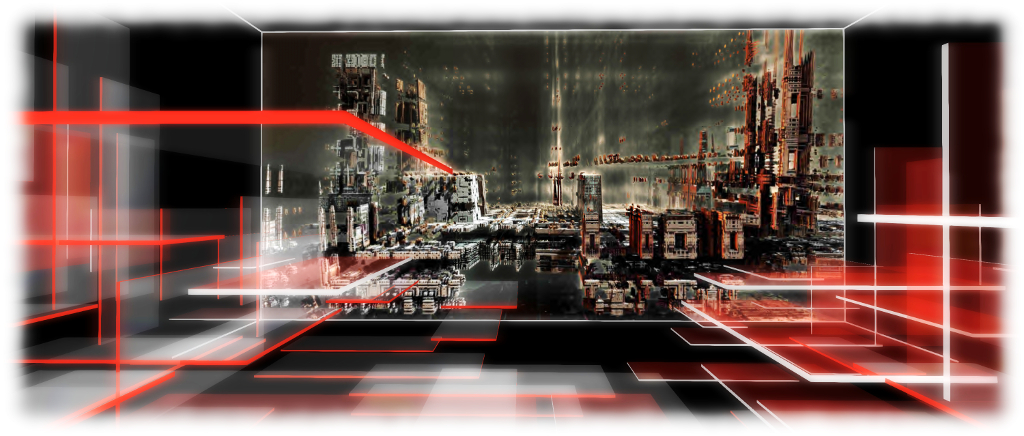
I’ve long been an admirer of Gem Preiz. His work in creating magnificent vistas using fractal art is simply astonishing. So it was a genuine pleasure to once again be offered an opportunity to previewing his latest installation, which opens on Thursday, January 12th, and runs through until the end of June.

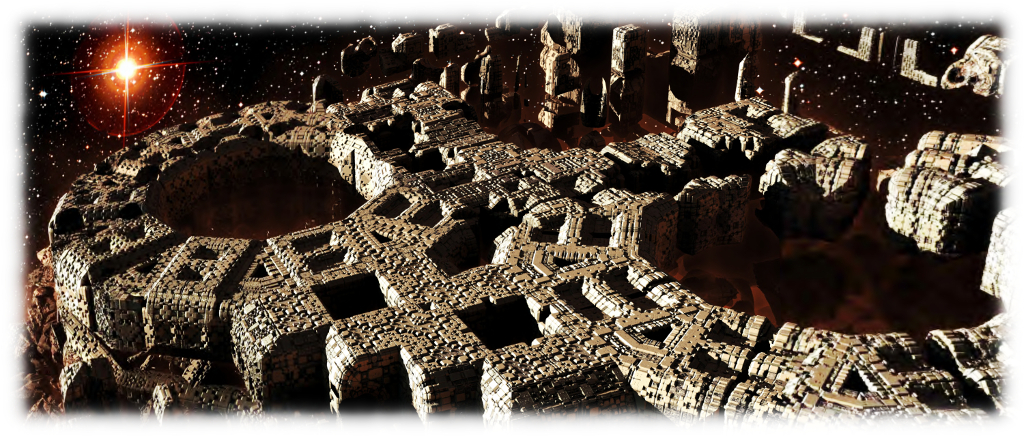
No Frontiers is, in at least some ways, a sequel to his last two environments, Hertiage: Vestiges and Heritages: Wrecks (which you can respectively read about here and here). Within it, we are again asked to engage upon a journey through space and time. But where the Hertiage pieces were perhaps rooted in a dark vision of a future encompassing loss and departure, only brightening at the very end, No Frontiers presents something altogether more optimistic, a vision of a vast cosmos awaiting us, with opportunities unbounded, the potential for new encounters and a celebration of what we are, and what we may yet mature into.

No Frontiers - Gem Preiz
No Frontiers – Gem Preiz

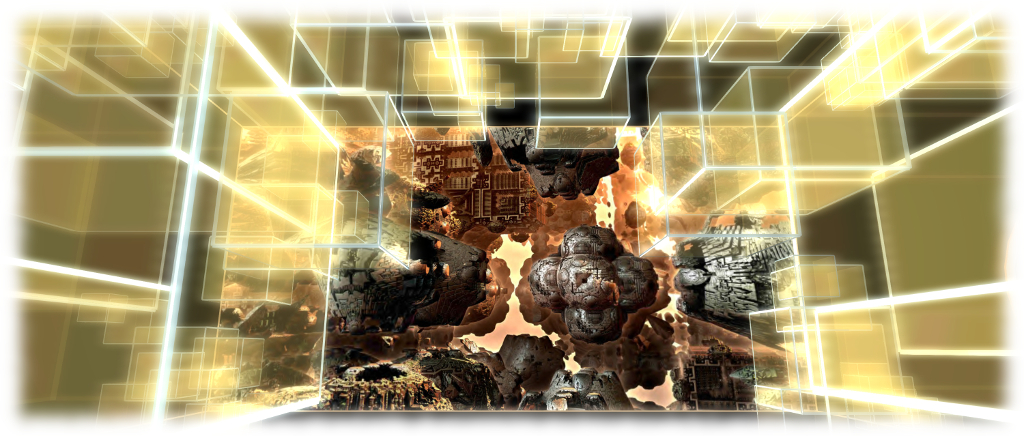
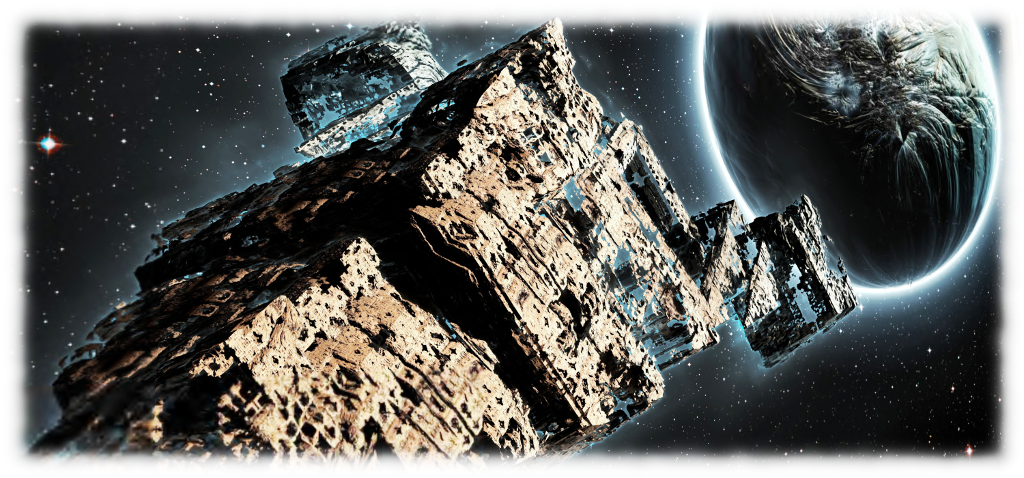
As with is previous works, No Frontiers invites the visitor to travel through a series of vast halls, in which each of is placed a single, gigantic fractal image, each comprising around 18 individual elements. The halls are all interconnected by tubes, and are so vast, flying is the most practical way to see them. To assist in this, Gem provides two flying vehicles, a single-seater and a tandem two-seater (although visitors are welcome to free fly is they prefer). These are found in the “departure hall”, where instructions on how best to appreciate the installation can be found. I recommend the latter are read, and that in particular, particles are turned up and the music stream is enabled.

In addition to the massive, intricate and breath-taking fractal images, the halls include 3D elements designed by Gem which further enhance both the environment and add to the narrative suggested by each image. Some of these may be easily translatable, others may actually be more subtle, and require observation to pick up on their nuance.

No Frontiers - Gem Preiz
No Frontiers – Gem Preiz

For example, within one hall, two spirals of spheres slowly rotate, horizontal arms extending from the spheres. Each resembles a strand of DNA vertically split, and as they rotate, every so often they align to become the familiar double helix. But on either side of this joining, when they almost align, there are perhaps hints at other forms of DNA, suggesting life alien to ours, waiting to be discovered in our voyage out into the cosmos.

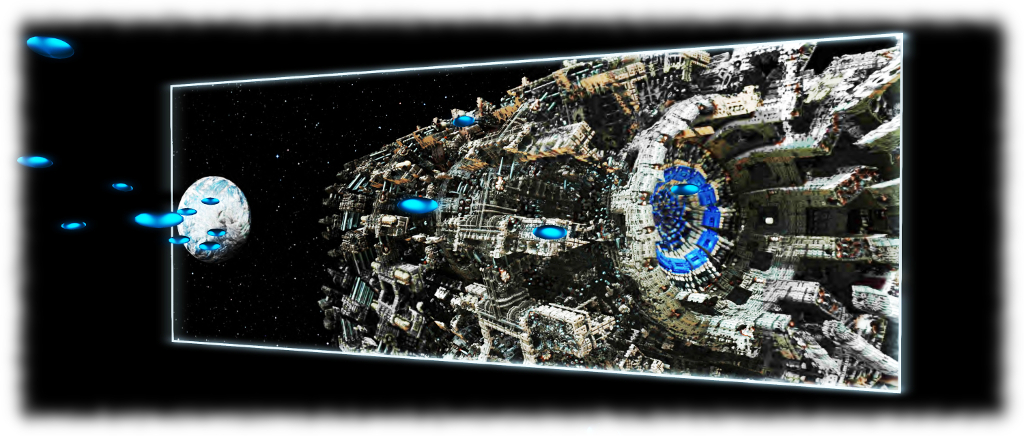
Suggestions of alien civilisations appear elsewhere as well. Take, as another example, the tiny spacecraft forming orderly lines of traffic heading towards a planet being orbited by a vast structure (the 2nd image in this article). Are these intergalactic commuters on their way to / from work? And what of the giant ringed sphere floating before a similar such object orbiting another world with one of Gem’s images? What tale of intelligences might they hold?

No Frontiers - Gem Preiz
No Frontiers – Gem Preiz

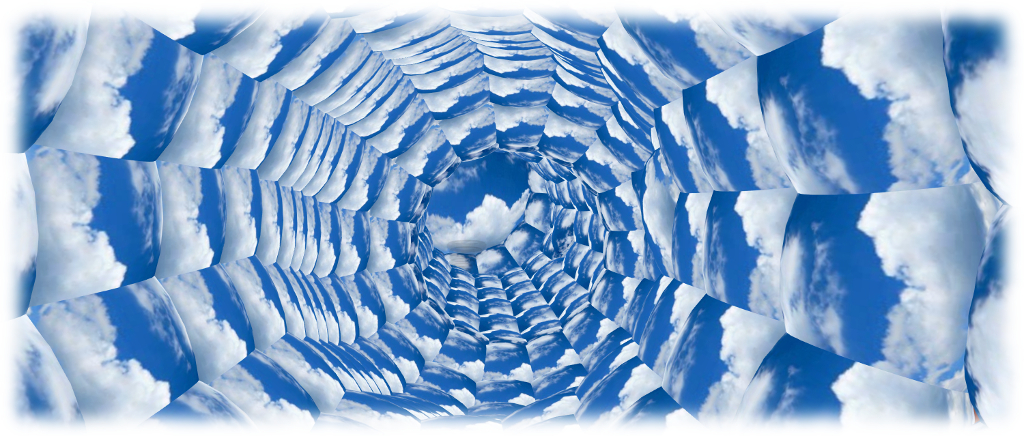
Meanwhile the connecting tubes themselves suggest two things. On the one hand, they are offered to us and connecting tunnels between environments, capped at either end by airlocks. On the other, they resemble wormholes we fly through, tunnels through the fabric of space and time, allowing us to travel the vast distances of the cosmos in mere seconds.

At the very end of the journey, visitors enter a vast space, surrounded by distant stars, and within which, as one rises through it, lay planets, spheres, the funnel of a black hole, the billion and billions of stars contained within an ever-spinning spiral galaxy. And, eventually, a landing platform / arrival point where they can safely lands and exit their craft.

No Frontiers - Gem Preiz
No Frontiers – Gem Preiz

Gem’s work is never less than awe-inspiring; and while he has used 3D elements in past installations no Frontiers offers something entirely new in how physical elements are images have been combined to add to our sense of voyage and immersion. Add to this the soundtrack he has provided, and No Frontiers makes for a stunning experience, visually, aurally and for the imagination. Not something to be missed. The official opening will be at 13:00 SLT on Thursday, January 12th and as noted, the installation will remain open until the end of June 2017.

SLurl Details

StormEye in Second Life

StormEye: LEA24
StormEye: LEA24

With the assistance of Lemonodo Oh, artists Douglas Story and Desdemona Enfield have resurrected StormEye, subtitled A Meditation on Waves for the month of December. For those unfamiliar with the piece, it first appeared in Second Life back in 2009 – the time before mesh – above the New Media Consortium campus where it proved to be a popular attraction.

An immersive, visual and aural installation, StormEye invites visitors to pretty much do just that – enter the eye of the storm, literally and metaphorically. It has been brought back to Second Life in pretty much the same condition as when first exhibited at the NMC campus seven years ago.

StormEye: LEA24
StormEye: LEA24

In order to fully experience StormEye, it is essential you enable full streaming media (not just audio – use the film camera icon). The instructions provided with the installation refer to using the latest version of QuickTime. However, as I’ve reported in these pages, QuickTime for Windows is no longer a viable option for people on that operating system – but any up-to-date Windows viewer utilising VLC (as provided by Linden Lab) or GStreamer should manage the audio and video in the installation.

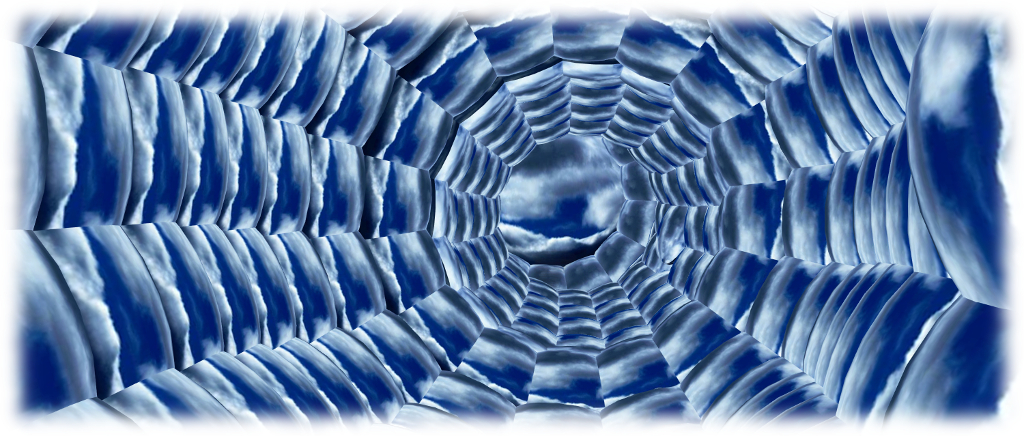
StormEye release comprises two parts: an undulating red landscape built from sculpties using manufactured using mathematical data derived from Desdemona’s work using real-world data from the US Geological Survey and NASA. These have been overlaid with macro flower photographs by Douglas. Over this ruddy, almost Mars-like landscape floats a gigantic eye, optic nerve trailing behind it. constructed of around 1,000 prims with their surfaces used to display video, sits the Eye – and it is into this visitors are invited to climb.

StormEye: LEA24
StormEye: LEA24

On entering the tube of the “optic nerve”, which undulates gently in a waveform, you are surrounded by a gently changing cloudscape (if the video surfaces aren’t in motion, toggle the media (film camera) button a few times) together with the sound of brds carried on a gentle breeze. But wait a few seconds and the collective scene will change: the wind rises as the rumble of thunder can be heard and the birds fall silent. Around you the clouds move faster and darken to swirl around you as lightning catches up with the roll of thunder, accompanied by a torrential downpour across the surfaces around you. Then, almost without warning, everything changes: the storm vanishes and white clouds move across a blue sky; you are in the eye of the storm. Wait long enough, and the cycle will repeat as you pass once more through nature’s fury.

The shifting scene can be witnessed from within the tunnel of the “optic nerve” or from within the eyeball itself (both are recommended, as is watching the changing scene in Mouselook). When you wish to return to ground level, touch the semi-transparent tornado in the eyeball – and take a close look at the window pane where you’ll land. A nearby teleport spike will return you directly to the Eye if you wish to experience it again.

StormEye: LEA24
StormEye: LEA24

As noted above, StormEye will remain open through until the end of December 2016.

SLurl Details

My thanks to Douglas for the personal invitation to visit the installation.

Giovanna’s Monochrome in Second Life

Monochrome - Giovanna Cerise
Monochrome – Giovanna Cerise

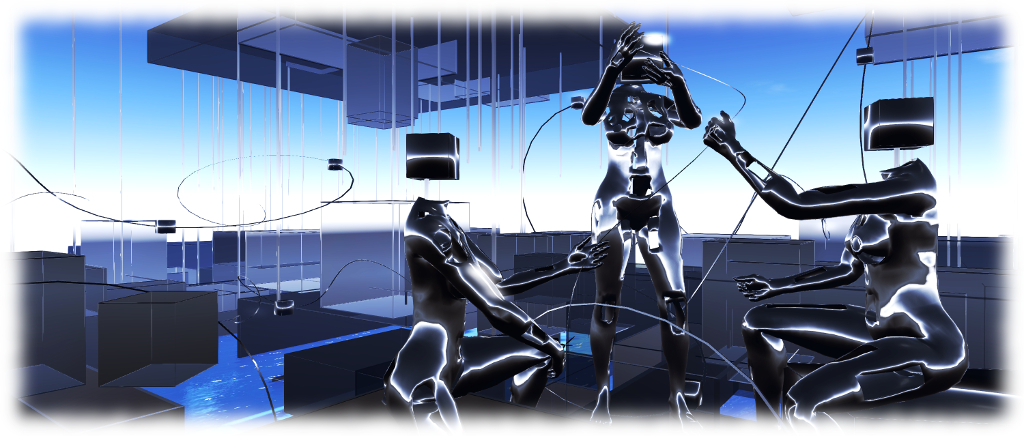
Open now through until the end of the year is Monochrome, a full region installation on three levels, designed and built by Giovanna Cerise. It’s a hard piece to quantify – if indeed it requires quantifying. Spread over its three levels, it presents three different environments / structures, offered in black, white and red respectively.

The black element is located at ground level, facing the landing point, with a teleport door providing to the next level – white – which then connects to the upper, red level. There is no specific windlight for the installation; visitors are encouraged to experiment with different times of day / settings.

Monochrome - Giovanna Cerise
Monochrome – Giovanna Cerise

Sitting over the water, the Black level presents a series of cubic and rectangular boxes rising into the sky, some interlinked and stacked like great square hills. Their walls are phantom, allowing visitors to walk  or fly through them (watch out for transparent floors when flying up!). Slender metal spars rise up around them, while string like strands loop through the air, threaded with cubes of their own.

At the centre of all this are three tall, cube-headed female figures. One stands threading a cube onto another metal-like strand, which is being fed to her by the seated and kneeling figures. One of these holds a pair of scissors, ready to cut the strand, presumably so it can also be set floating in the air once a suitable number of cubes have been threaded.

Monochrome - Giovanna Cerise
Monochrome – Giovanna Cerise

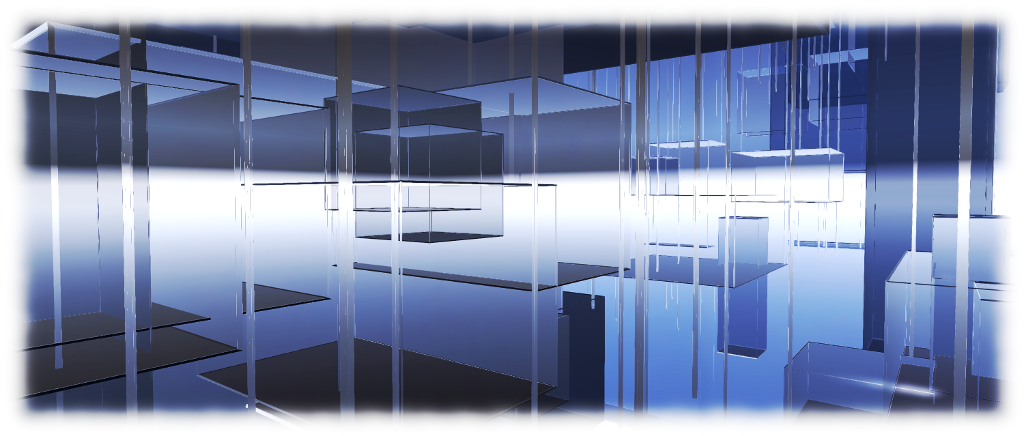
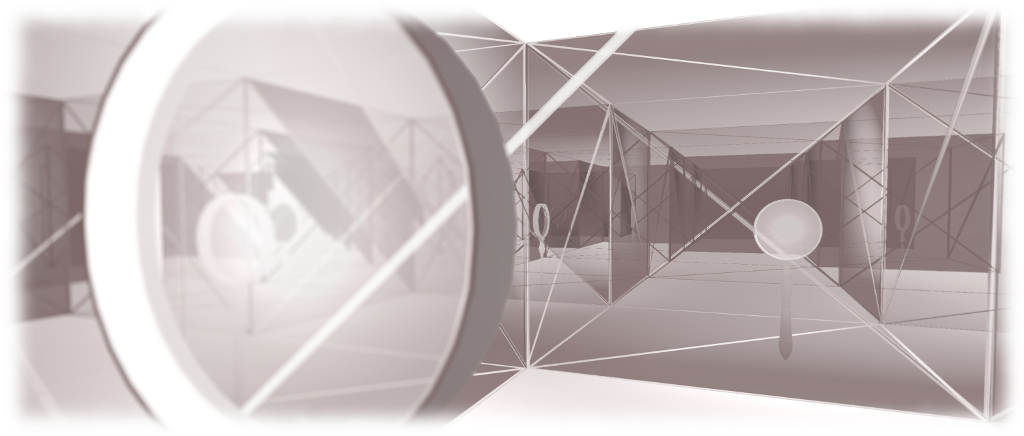
The pattern of cube-like rooms is repeated on the White level – only this time the cubes all occupy just one level, spread like a vast building across a white plain. Phantom in nature, they can again be walked through, only this time their walls can also be seen through from both sides. Once their bounds, this gives the feeling of being in some vast maze, one where many of the rooms have large magnifying glasses standing in their centres, while others are empty. Wandering through them, it is exceptionally easy to lose one’s sense of direction.

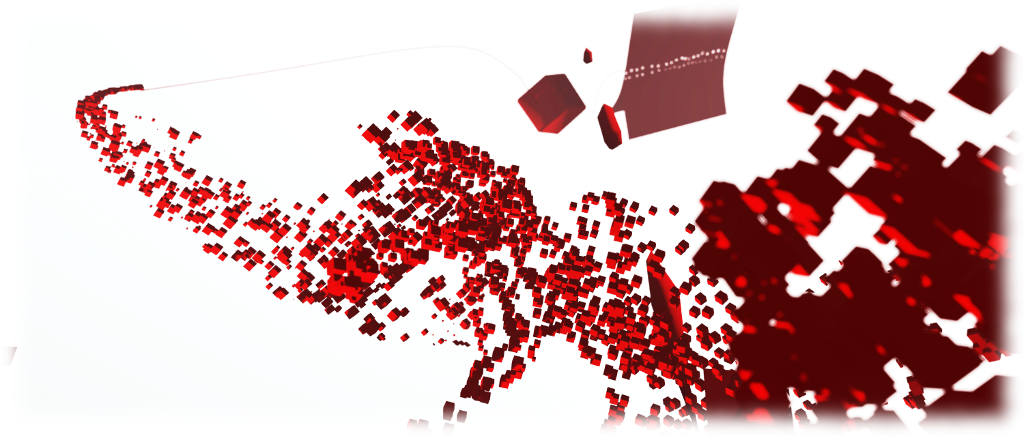
And on the upper Red level, lies a mass of red cubes, as if caught in a swirling wind lifting them into the air. At their centre is a red mass, like a congealed lump of spilled paint, on which four red figures appear caught in the same vortex, being pulled apart from the head down, their broken bodies rising and twirling together within the vortex, becoming a single strand rising into the sky, eventually to bind the spine of a huge red notebook.

Monochrome - Giovanna Cerise
Monochrome – Giovanna Cerise

All three levels offer intriguing montages. They challenge us to quantify them according to our own perception, by challenging that very perception as we study them each in turn. Is the binding of the book on the Red level really being drawn from the figures below, for example, or is it slowly unravelling from the book to fall and become those figures? And if it is, does this not alter our thinking about what is being portrayed here?

You decide.

SLurl Details

Revisiting Invictus in Second Life

Invictus
Invictus

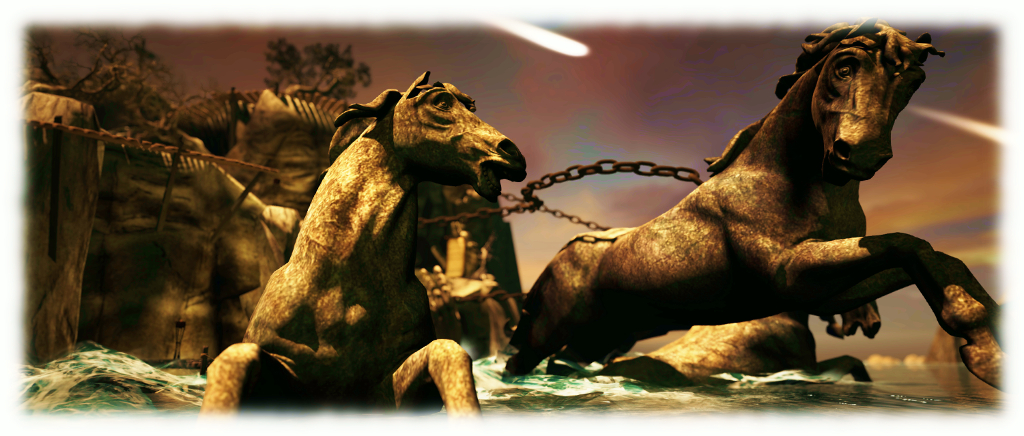
In August, I wrote at length about Invictus, the stunning full region interpretation of William Ernest Henley’s famous 1875 poem which was given that name in 1900, when it appeared in the The Oxford Book of English Verse.

The installation is a marvellous work of art, deeply reflective of the thoughts expressed within the poem, and of Storm’s own circumstance and the trials she has faced. If you haven’t visited the installation, I urge you to do so before in closes in December, and while it may sound somewhat self-serving, I also offer my thoughts on the installation as well.

I have been drawn back to Invictus a number of times since then, wanting to produce a video of it for posterity. But what form should such a video take? Should it feature music, or the words of the poem itself? And if the words, should they be spoken, or presented on-screen? And if spoken, who should I look to recite them?

At the end of August, and having been reminded by several people that Morgan Freeman recited the poem in the film Invictus (and has done so elsewhere, it being a personal favourite of his), I opted to turn to the marvellous talent of Charlie Hopkinson, who is Morgan Freeman’s voice. And so it is that I offer a short film of Storm’s installation I hope you enjoy, and which encourages you to visit or re-visit Invictus in-world.