Of puppets and art

PimperPuppets® Being Beautiful in the Art Scene
PimperPuppets® Being Beautiful in the Art Scene – LEA 9

Open now at LEA 9, and running through until Sunday, April 26th, is a new BubbleTheatre® play by d-oo-b (Eifachfilm Vacirca). It’s a delight to see. Shows commence every 5 minutes throughout the day, and last for around minutes.

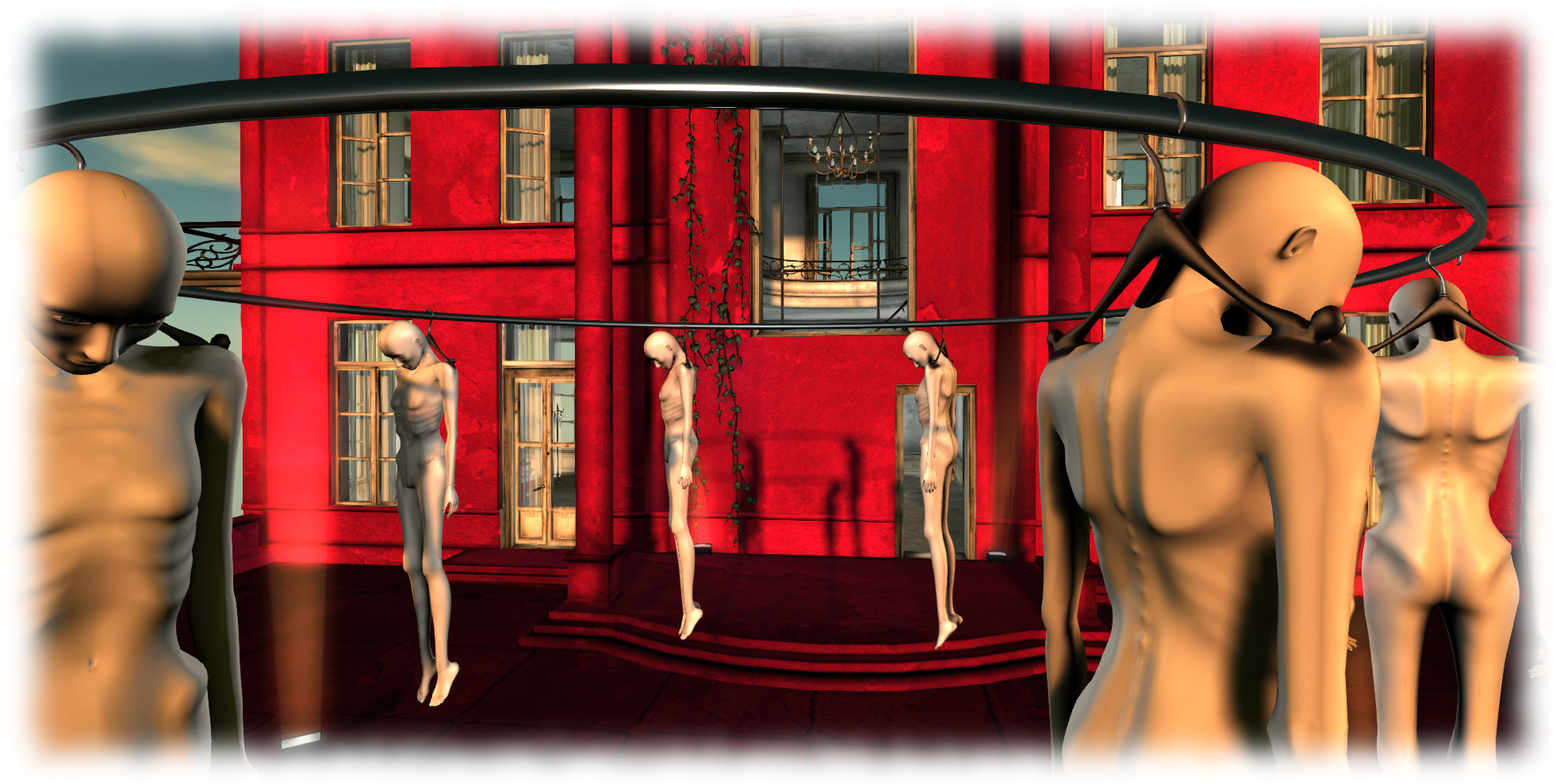
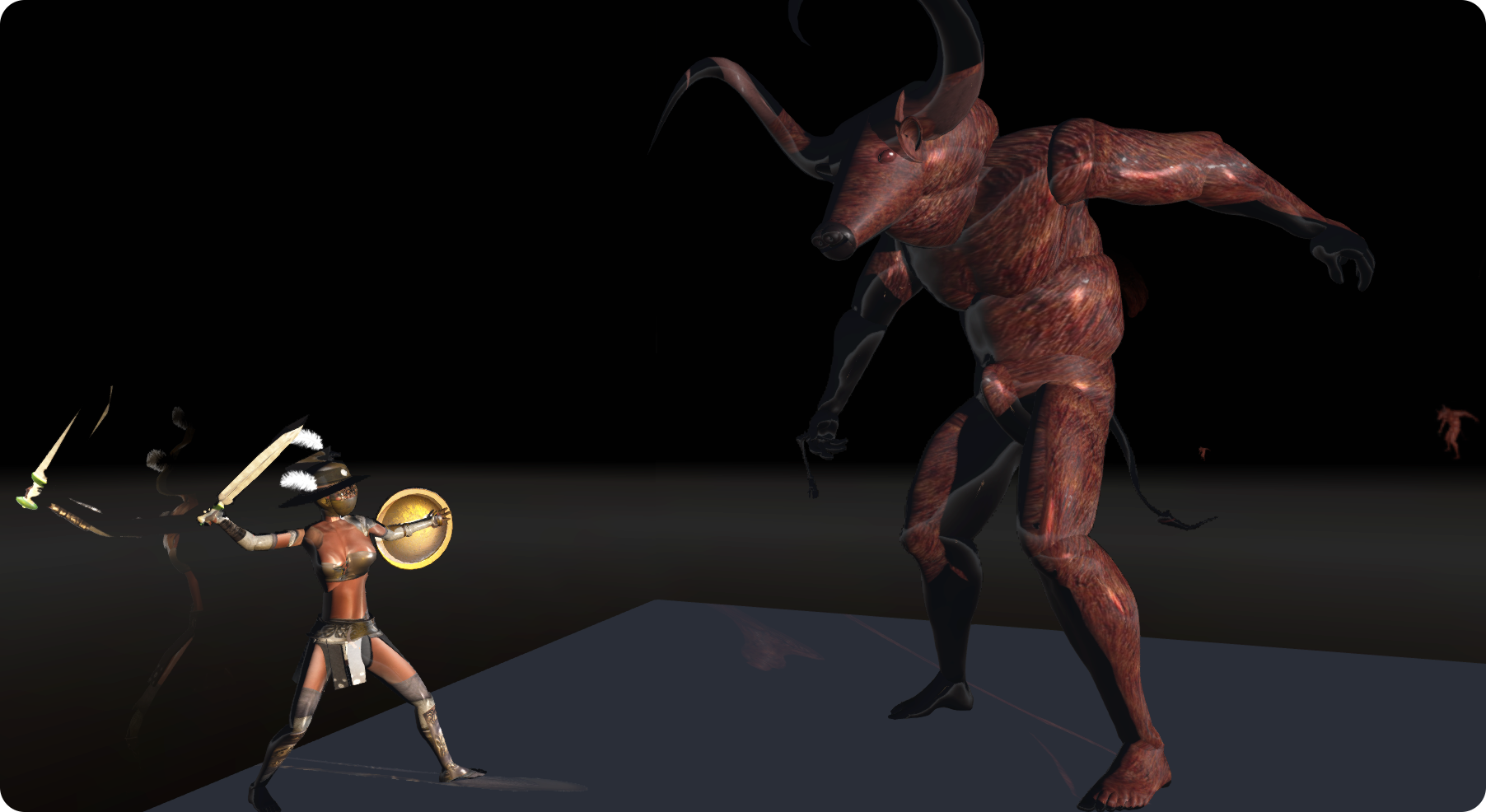
PimperPuppets®: Being Beautiful in the Art Scene runs for about 20 minutes and, as the title suggests, is a piece of puppet theatre, beautifully executed with the help of some tidy scripting. The puppets are avatar-sized creations, and the story unfolds across a series of skyborne sets the audience is carried to by means of automatic teleporting, with cameras specifically placed to follow the story.  To watch the show, simply sit in one of the numbered chairs set out at the landing point and tap ESC a couple of times to free-up your camera; a countdown will inform you when the show is due to start.

Serge learns he's been selected as the featured artist in the Grand Hall show..
Serge learns he’s been selected as the featured artist in the Grand Hall show…

The story is a satirical take on the world of creatives, and I rather suspect that elements of it might ring uncomfortably true for some involved in SL if they see it! I won’t dwell on the plot too much, as it is fun to see it unfold. Suffice it to say it takes place in the art world, where one artist, offered the opportunity to provide the focal art piece in an upcoming show, struggles mightily with his art (and his angst), such is his need to impress, to create pieces that “give
new dynamics” to the places where they are displayed; meanwhile, another artist finds her work isn’t regarding as needed for the exhibition, and as she considers the first at best over-rated, sets to work on a Machiavellian plan to ensure her art is selected…

It’s a story that is beautifully told, both rich in humour and also darkly prickly in places. Both artists central to the unfolding tale (although not the only characters, the cast is quite broad) are equally pompous when it comes to their own work.

Lucia learns she hadn't ...
Lucia learns she hadn’t …

For example, In one delightful scene, the “disregarded” artist – Lucia – sets about describing her work in a manner befitting Arthur Dent when asked to describe his thoughts on Vogon poetry: “It was a physolactic entrocalypse of the etheric dimension … an animophobic introclecstate of profane dialectics, a submorphic frame that stimulates subcutane erections that induce in the cervocularic consciousness a feeling of reanimation.” Later, as the play draws to a close, the other artist, Serge, reaches his point of enlightenment via a soliloquy worthy of Hamlet, one delivered under the an arch formed by two curved knives which themselves carry a strong symbolic undertone…

The puppets, created via a combination of Blender, GIMP and the magic of SL scripting are marvellous creations in and of themselves; they move as required within the individual scenes, and their movement, combined with camera  shifts within some of the scenes helps draw the audience further into the play. They’re also available to buy on the Marketplace.

""It was a physolactic entrocalypse of the etheric dimension ... an animophobic introclecstate of profane dialectics..."
“”It was a physolactic entrocalypse of the etheric dimension … an animophobic introclecstate of profane dialectics…”

The end of the show will carry you up to an events area, where you may well encounter d-oo-b himself, along with the cast. Live entertainments are scheduled to take place here throughout the show’s run; please see the d-oo-b’s blog for events and times. Should you wish to re-trace your steps through the story, or re-visit individual scenes for the purposes of photography, do note there’s a manual teleport system available as well. Look for the teleport tablet on each level.

As noted, this is an excellent little show, perfectly executed and making clever use of a number of SL capabilities – scripted camera control, teleporting, etc., and all without Experience Tools. I have no hesitation in recommending it for a visit, particularly if you are familiar with the art / creative scene (there are a few of what might be regarded as “inside jokes”) – but do remember, the show ends on Sunday, April 26th.

Serge, in the midst of the "Hamlet moment" ...
Serge, in the midst of his”Hamlet moment” …

Related Links

Something for the petrol heads

Museum of The History of the Vehicle - LEA 2
Museum of The History of the Vehicle – LEA 2

For those with a passion for trucks, vans, motorbikes, motor racing and – most of all – cars, there are a couple of events going on in SL that might interest you.

The first, The History of the Vehicle, is taking place at LEA 2. Billed as being six months in the making, the exhibit is curated by Sapphire  Hotaling as a celebration of wheeled vehicles in Second Life from 2005 through to the present day, with some 130+ individual vehicles from almost 50 designers and creators on display,

Museum of The History of the Vehicle - LEA 2
The History of the Vehicle – LEA 2

With the exception of the main building, located on the north side of the region, and a large display area to the east, the majority of the museum space is open air, with various display areas clearly marked and reached via footpaths, and a landscaped park extending to the south and west of the region, linking the main vehicle displays with a memorial to vehicle racers and designers who have passed away, and a stage area which will host live events at the weekends throughout the time the exhibit is open – check the display boards within the exhibit for details.

There’s no set route for exploring the region – just go where your feet / the footpaths take you. Individual display areas are clearly enough marked, and while nothing is for sale within the region, there are plenty of note card / LM givers to the in-world and SLM stores for the designers displaying their latest wares.

Museum of The History of the Vehicle - LEA 2
The History of the Vehicle – LEA 2

The displays are interesting enough, and some do indeed give a feel for how vehicles have visually evolved over the years; however, I have to confess that I toured the exhibit unable to shake the feeling it’s more car show that historical piece. Outside of the “Evolution” exhibit, there is precious little information chart the actual history of vehicle development in SL – the evolution of scripting, capabilities, etc., which to me is a bit of a shame, although I fully understand that putting something together like that isn’t necessarily easy – not everyone is interested in scripting evolution, etc.

Even so the range of vehicles on display is impressive, and the park like layout helps to make the exhibit feel less crowded, vehicle-wise, even allowing from the large east side display area; once you step off of the main path and onto the grass with its wooden walks, it’s easy to relax and find a place to sit a while.

All told, History of the Vehicle makes for a visual treat for car and vehicle fans.

Continue reading “Something for the petrol heads”

A City, inside and out

City Inside Out, LEA 20

Officially opening at 13:00 SLT  on Thursday, March 26th at the LEA, is Haveit Neox’s newest full region installation, City Inside Out.  It’s a breath-taking and, at first look, bewildering build, huge in size, confusing in complexity and powerful in narrative.

The simplest way to describe the theme of the installation is to take the description from About Land:

Walking into any interior reveals only exteriors. The sense of personal space is absent. How is a city experienced when there are no comforts for the soul, no home?

City Inside Out, LEA 20

The description of the build, found close to the landing point adds a little more detail:

To someone without a home living on the streets, the bustling city becomes one united exterior. “City Inside Out”, explores a world that lacks interiors. Some pedestrians throw coins into the beggars’ hats, others bark insults to their faces. Joggers, dog walkers, groups of boisterous friends, clean people in new clothes, romantic couples, cell phone conversations, shiny traffic, wash their daily tides of health and prosperity past the homeless.

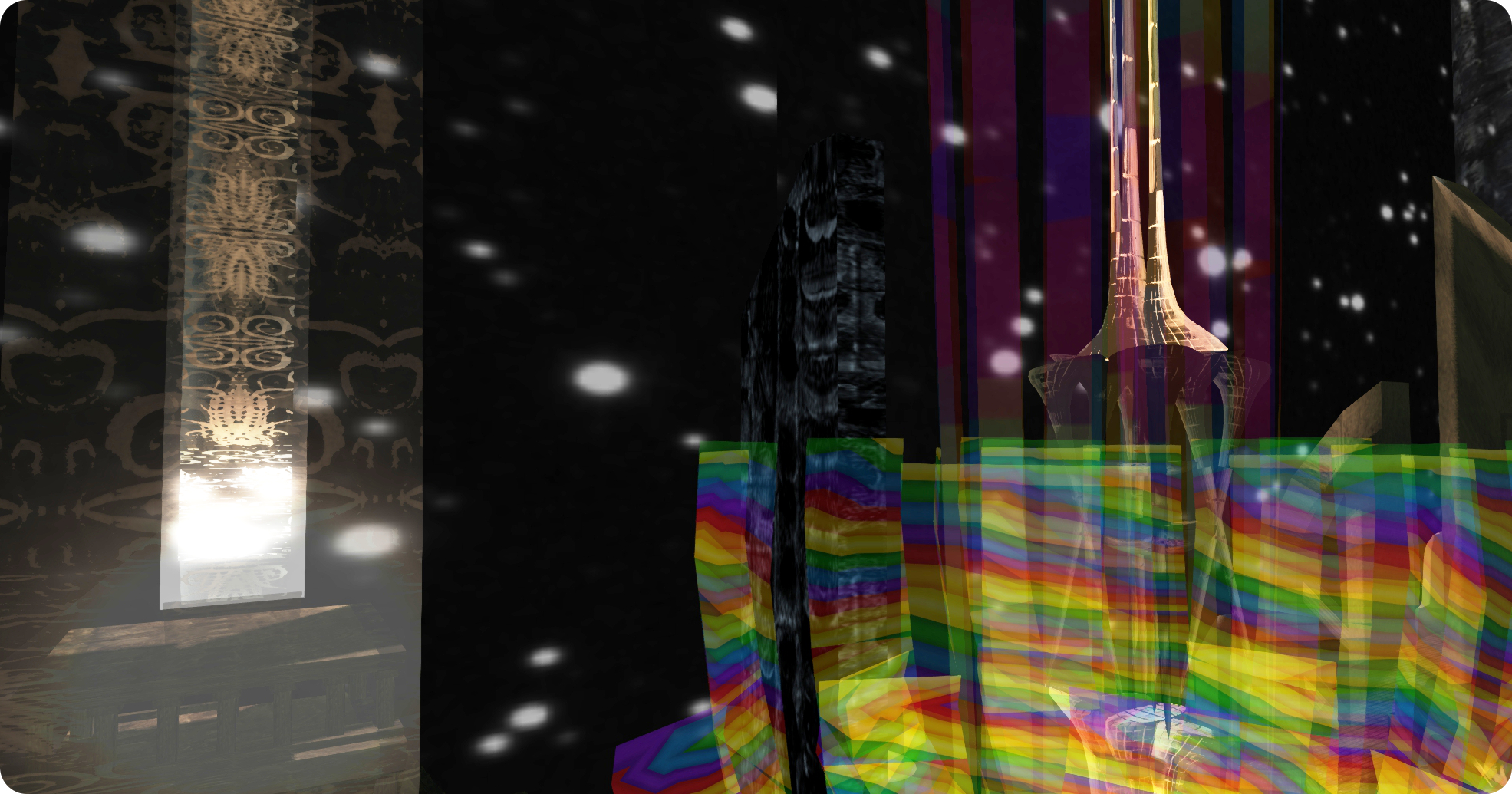
And thus the world around us starts to take shape: this is a city we’re asked to see through the eyes of the homeless, the dispossessed; those who have nowhere to be, nowhere to go. For these people, the city is a very different place to the one we know. It’s a place where everything is strange, alien, and threatening. A place bad enough in daylight, but as Haveit further explains, becomes much, much worse at night…

City Inside Out, LEA 20

Late each night, the people living on the streets are confronted by another kind of crowd, dangerous as the sharp knife and gun. They are defenceless, even within their own bodies. Sensations abound, prickly as lice and poisonous insect infested clothing, blurry as sight without glasses, with ringing ears of imaginary voices, and resignation to untreated illness. The survival test is administered without consideration for those who will see the next day.

Armed with this narrative, it is possible to make your way down and through the installation, crossing bridges, descending ladders and – in places – flying – and see various elements and aspects as they are meant to be seen: as a frightened, forgotten nameless … lurker … in a city were “ordinary” life passes one either side of you and renders you invisible. A place where, when you are noticed, it can feel terrifying or threatening.

City Inside Out, LEA 20

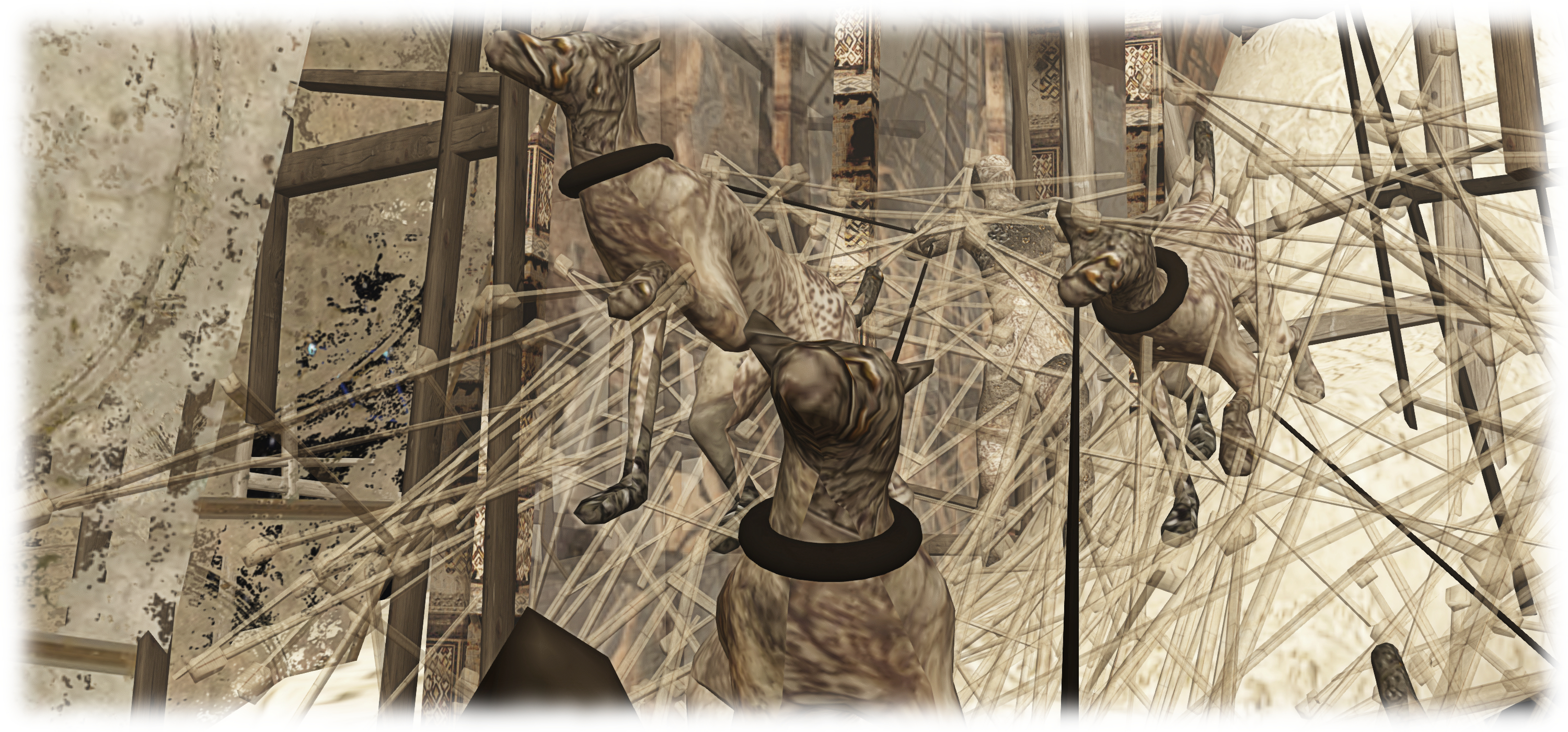
Witness, for example,  the portrayal of the man taking his dog(s) for a walk; is it really a pack of hounds he’s struggling to control, is is that home the mind of the lost, homeless individual conceives it, when in fact to the rest of us, it is simply one man and his dog? And, nearby, look how the figure dropping small change down towards you literally towers over you, massive hand outstretched, face a mask…

Then there are the horrors of the night and of living and sleeping rough, portrayed in nightmare images of bottles and guns and more with insectoid legs climbing towards you, or seemingly skittering around or even looming over you; parasitical, ready to suck the life from you.

City Inside Out, LEA 20

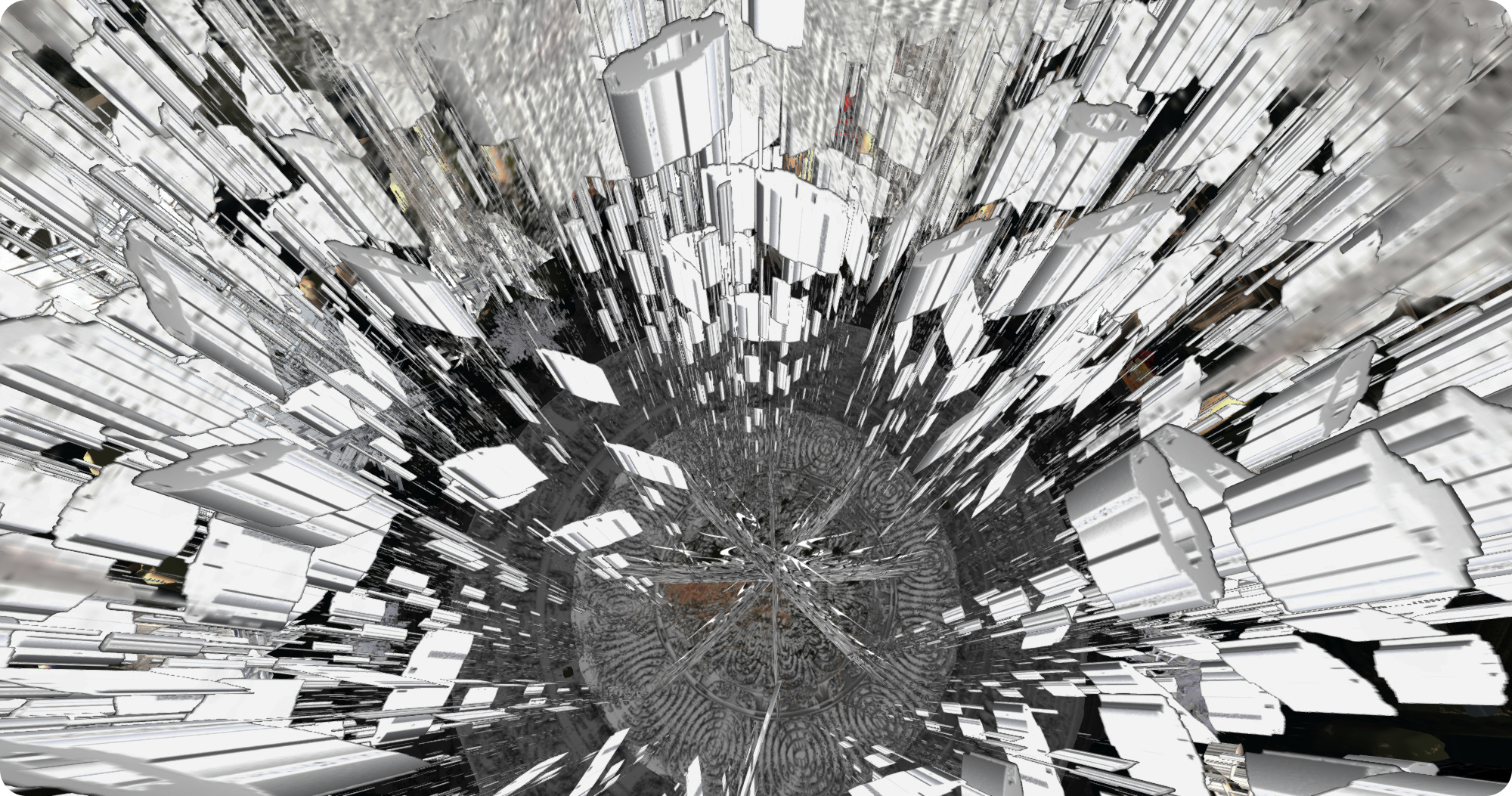
If all this sounds dark, it’s not; there is a magnificence about this build that is enthralling – and such is its size, I doubt a single visit will suffice to appreciate it all. Time is needed to explore the various levels, the heights and depths and to appreciate all the imagery and metaphor that is layered throughout this amazing city. And do be prepared to play with your camera position and rotation; this is a city where gravity knows no constant in places.

From high in the air to below the water, City Inside Out is an incredible build from an incredible architect of cities of the mind. Not to be missed.

Related Links

When Life Gives You Apples…

When Life Gives you Apples ... Run! - LEA 6
When Life Gives you Apples … Run – LEA 6

Now open at LEA 6, in what is the final installation under the UWA’s Full sim Art series as we’re currently familiar with it, is Rebeca Bashly’s When Life Gives You Apples … Run

As Jayjay Zifanwee notes while introducing the piece in the UWA blog, it is fitting that Rebeca should be the final artist to participate in the Full sim Art series in its current format; in 2011, she was the very first artist to participate in the series – indeed, in any LEA exhibition – when her remarkable interpretation of Dante’s Inferno opened in October of that year (my review of which you can read here).

When Life Gives You Apples … Run Offers a provocative look at the subject of the abuse of women, either by others or by themselves.  “Looking at various myths, legends and fairy tales, apple seems to be pretty unfortunate for a woman. When an apple appears in a story, you know that something will go bad,2 Rebeca says of the piece. “From Eve, thru Greek mythology to Snow White there was always a catch with an apple. It is beautiful, delicious, tempting, seductive. A Perfect disguise for all bad that can come. I use it as a symbol for the monstrosities that woman too often don’t recognise as such in its early stages.”

When Life Gives you Apples ... Run! - LEA 6
When Life Gives you Apples … Run – LEA 6

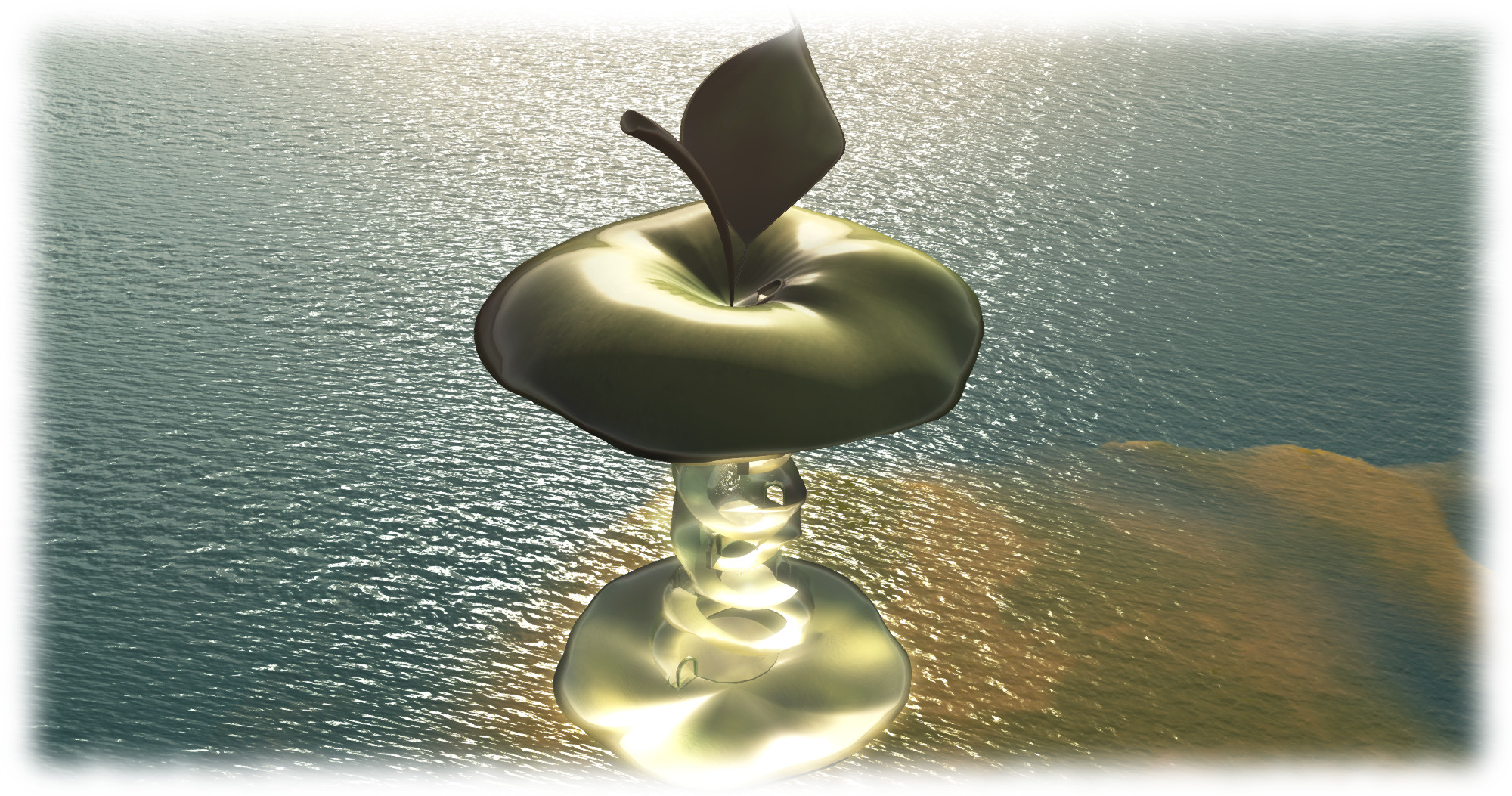
And indeed, the central part of the installation is – an apple. A quiet incredible apple in fact – or at least the core of one, as it has clearly been eaten. Constructed of mesh and over 70 metres tall, the apple sits on the ground, stalk pointing to the sky, the uneaten flesh at its lower end serving as the arrival point, where a smaller apple sits, offering visitors an introductory note card.

Winding up through the the core of the apple is a tunnel visitors are asked to follow.  This leads the way up to a couple of teleport platforms at different levels within the apple’s core, a sculpture in occupying the space between them; and it is by taking these teleports that the visitor is led to the parts of the installation dealing more directly with the theme of abuse (or perhaps “subjugation” might be an equally valid term) either inflicted from within or without.

When Life Gives you Apples ... Run! - LEA 6
When Life Gives you Apples … Run – LEA 6

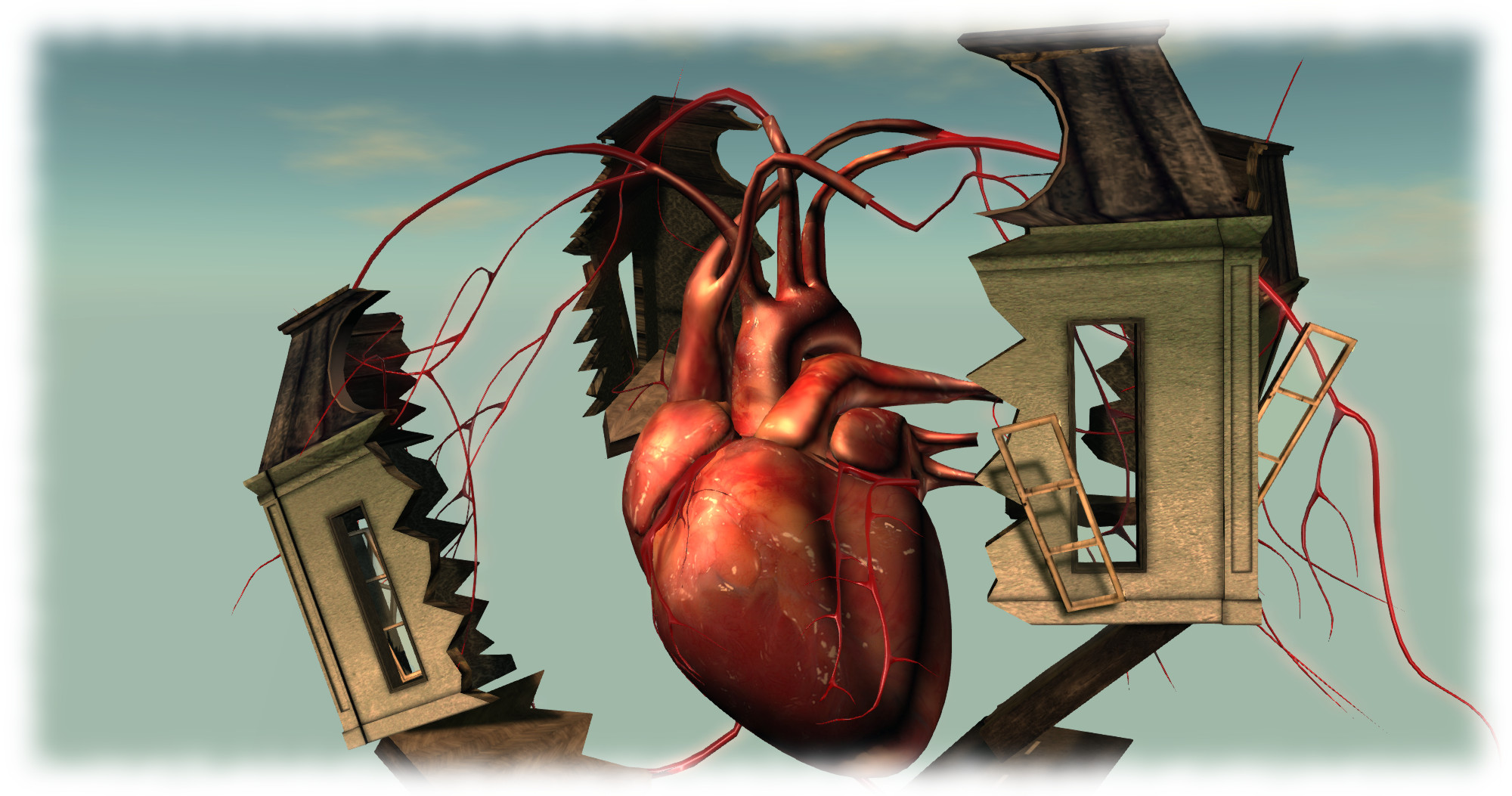
In the first, Home Sweet Home, we see a house being torn apart by a giant heart, both suspended above an open road – itself an image of freedom. The accompanying story suggestive of a person caught in a relationship marked by the abuse of lairs, deceptions, stories, words, finally breaking the circle and finding freedom in herself and in the world at large.

In the second, the subject matter focuses on self-abuse in the form of anorexia nervosa and Bulimia nervosa, and the destructive effects they can have on those stricken with them. This is also accompanied by a story, that of the Doll’s House.

When Life Gives you Apples ... Run! - LEA 6
When Life Gives you Apples … Run – LEA 6

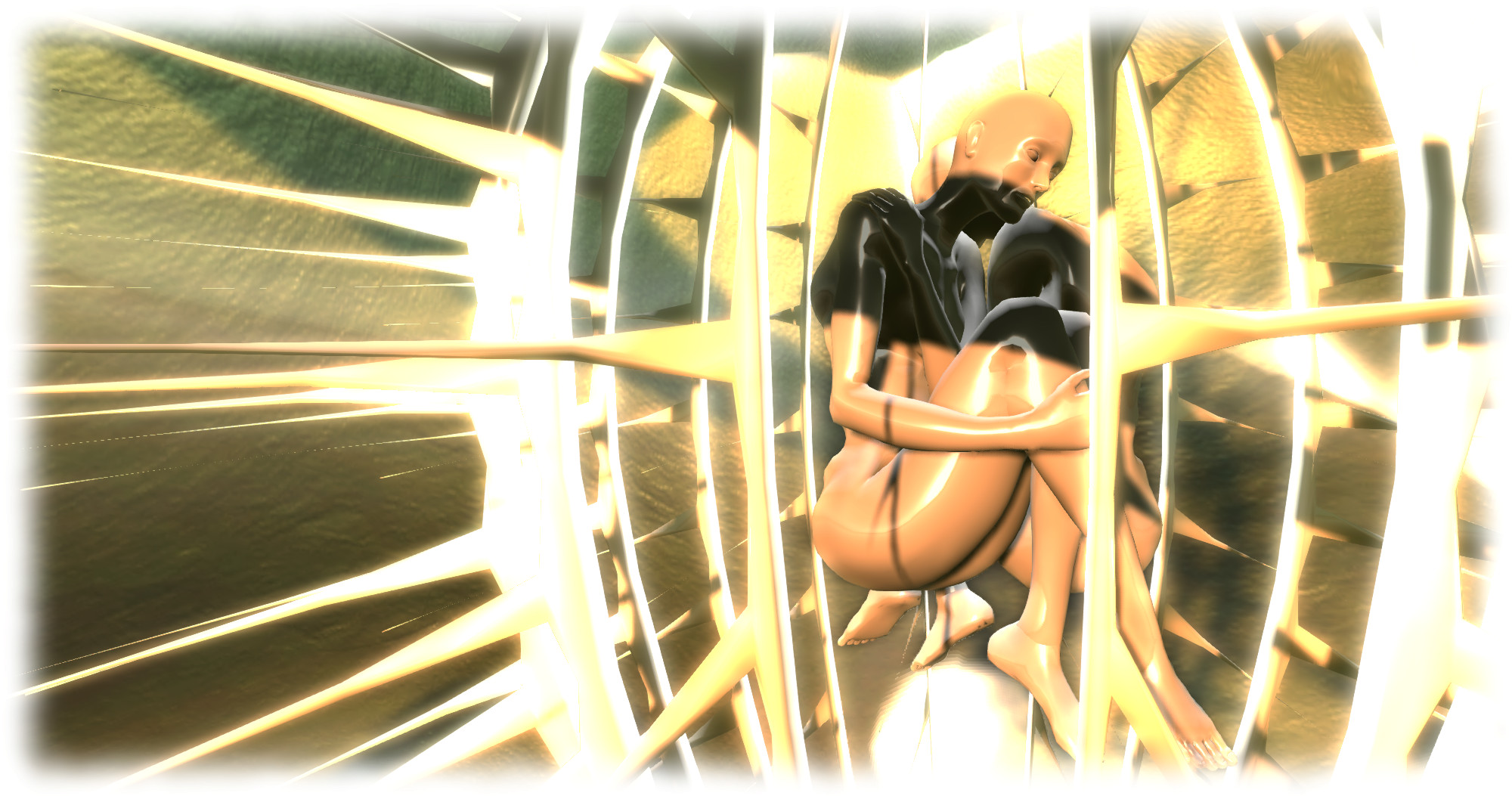
There is strong symbolism throughout this installation, be it with the story platforms, or the sculpture of the caged women. Even the tunnel winding up through the apple core has a meaning of its own, for example; an echo of the way in which maggots can bore through an apple, ruining its wholesome appearance via decay from the inside, just as relationships or lives which might appear whole from from outside are slowly decaying from within, as with the vignettes presented by this build.

As noted towards the top of this article, When Life Gives You Apples … Run is a provocative piece; but one of Rebeca’s strengths is that she’s never fought shy of making people think.  As such, this is a worthy piece on which to close the current UWA Full Sim Art series.

Related Links

Lost Paradise

The Paradise of CyberPolis

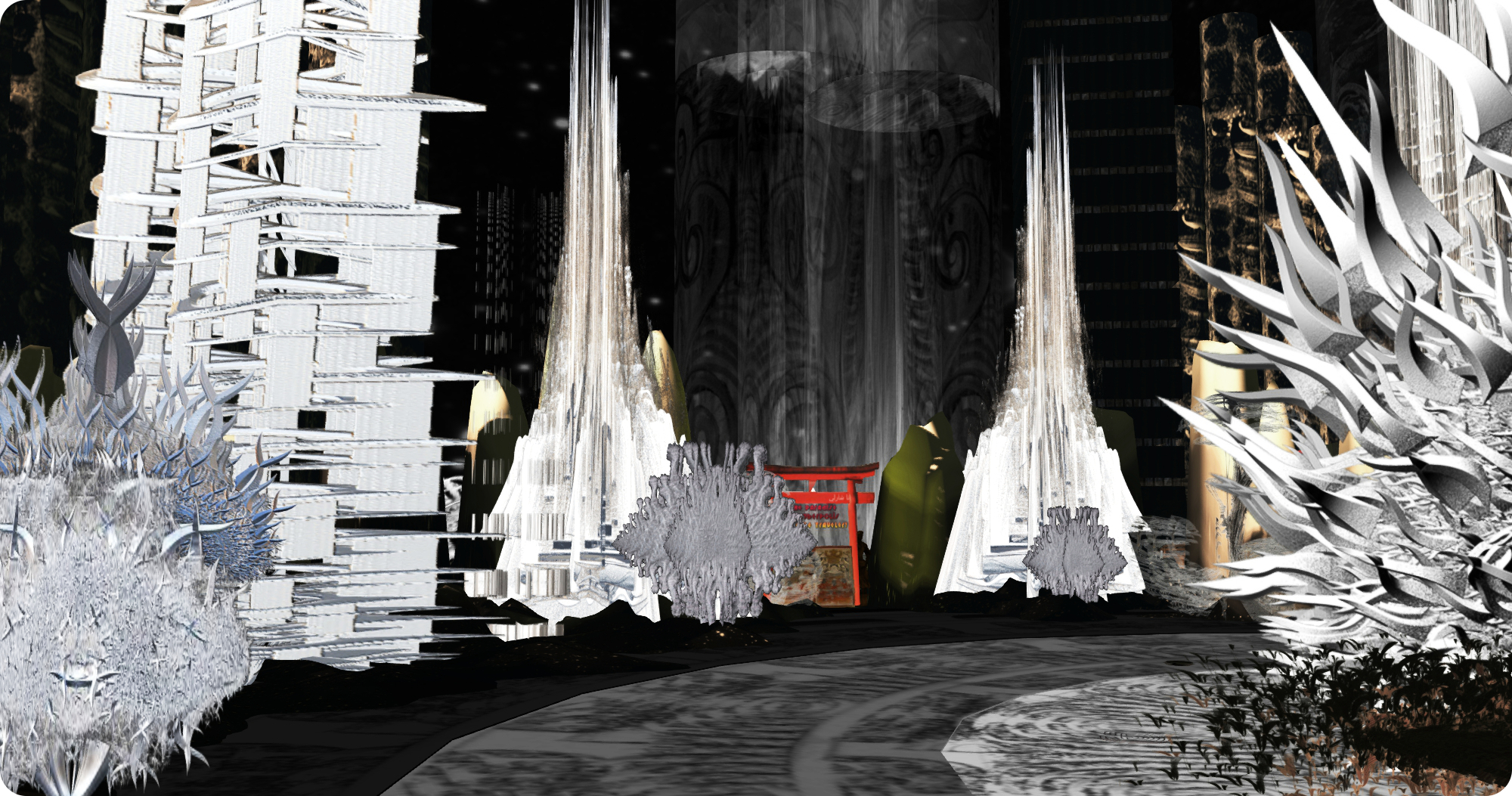
Currently open to explore, although the official opening doesn’t take place until Sunday, March 15th, is The Paradise of CyberPolis, by Asmita Duranjaya and Sable (snakeappletree) at LEA 12. It is billed as a “a grey-scaled story and game-based art installation”, and comes with a narrative storyline visitors are asked to follow whilst exploring the installation, solving clues, with the explanatory notes reading:

Crash-landing on an urban planetary system …

A researcher is slowly awaking from unconsciousness, starting to explore the environment of an ancient, abandoned cyber-city and to solve its mysteries. Seven letters need be found to experience the last surprising solution.

The Paradise of CyberPolis

The starting point is the researcher’s crashed aircraft, complete with unconscious space-suited researcher. A HUD is also offered, and you’ll need this in order to unlock (literally) the mysteries and make your way to the surprising solution.

The HUD actually takes the form of a journal (available in English or German), written by the researcher, describing their initial examinations of this world and the discoveries made. Your task is to follow the clues in the book, re-trace the researcher’s  footsteps and learn all that they have learned, and in the process find the seven letters mentioned in the introduction. Four of these will be required to unlock the gates of the cyber-city proper (your initial investigations taking place outside of the city’s core), while all seven are needed to unlock the final secret.

The Paradise of CyberPolis
The Paradise of CyberPollis

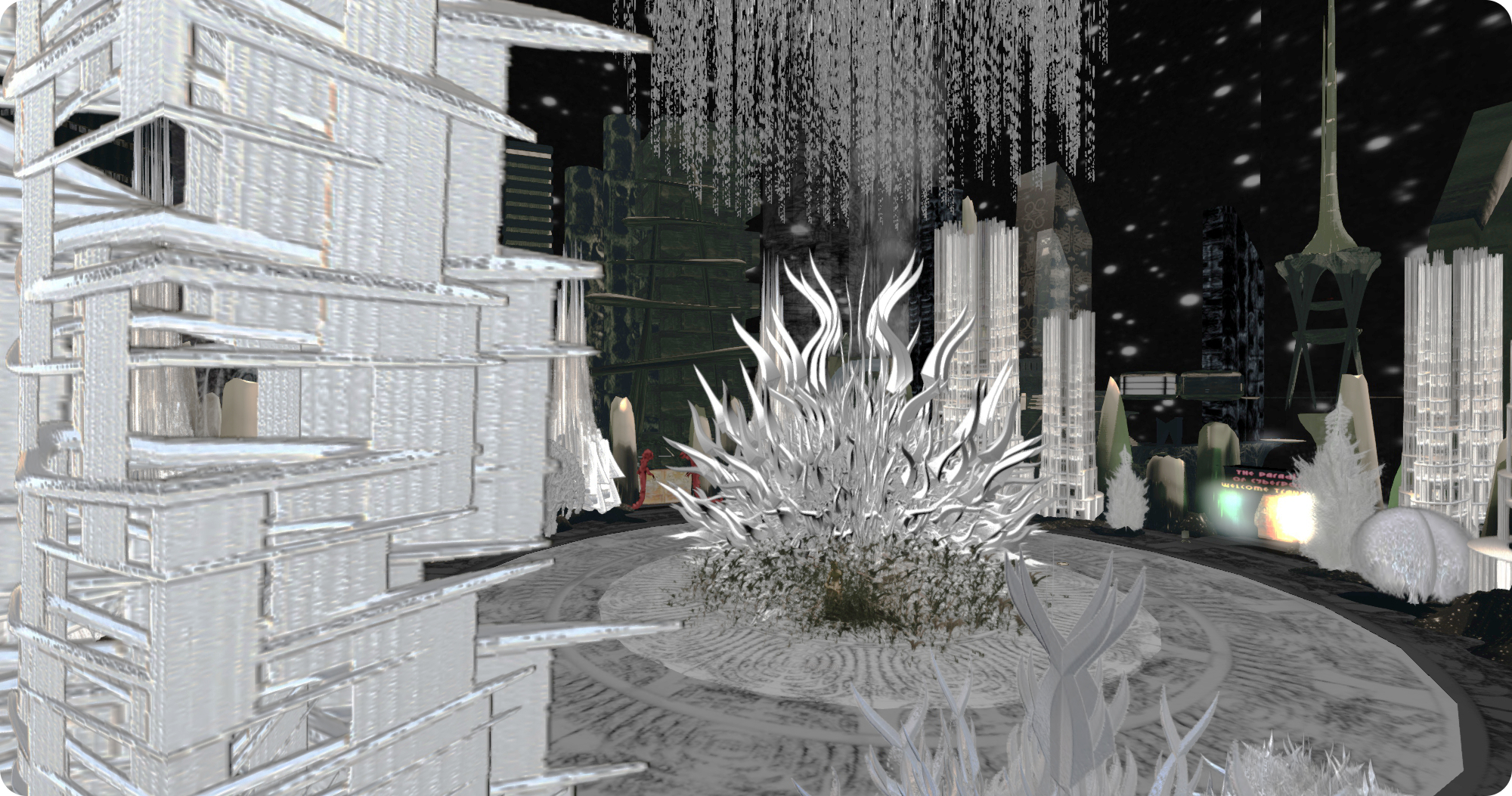
Along the way you’ll encounter a curious environment with mixed influences from the worlds anime, cyberpunk and dystopian sci-fi, in a story with something of a spiritual slant. Most of the landscape is a muted greys and whites, but there are splashes of colour scattered throughout, which form visual cues to places you might want to investigate more closely.

As a game, the idea almost works; you read the book, you riddle the clues, you uncover the required letters. But there is a problem. Of the seven letters to be discovered, only three actually require you investigate the city due to them requiring direct interaction with in-world objects to properly identify the letters in question; the other four can be discovered just by reading the book. Thus, it is possible for some of the visual context of the story to be lost as one simply reads ahead, identifies the letters and goes directly to things like opening the gates of the inner city; and sad to say, I’m not sure that much would be lost from the experience in doing so.

The Paradise of CyberPolis

The build itself, while interesting to explore, bears a strong resonance to the NeoCyberCity both artists recently built at Asmita’s own Space4Art / Port Lyndus region (indeed, the two builds appear to share many common elements). As such, it’s actually quite hard to determine why there was a need to utilise an LEA region to produce this particular piece, rather than incorporate it into a pre-existing and similarly themed environment already operating.

Related Links

FreeWee’s Lab: the magic of sound, light, physics and colour

The power of projected lights at FreeWee's Laboratory v.8.0: Music, Myth, Magic, Light, Shadows, Physics, LEA27
The power of projected lights – neither of these figures is textured; the colours and clothing on them is created purely be projected lights. FreeWee’s Laboratory v.8.0: Music, Myth, Magic, Light, Shadows, Physics, LEA27

FreeWee Ling is perhaps best known for her tireless work on behalf of the University of Western Australia (UWA), and co-organiser and curator of the UWA’s art-related projects, activities and galleries within Second Life. She recently – and rightly – gained recognition from the Australian Department of Education for this work when she was awarded her an Endeavour Fellowship at the end of 2014. This has allowed her to travel from her home in the eastern United States to spend four months at the UWA in Perth, Australia, where she is based with the UWA’s Department of Physics.

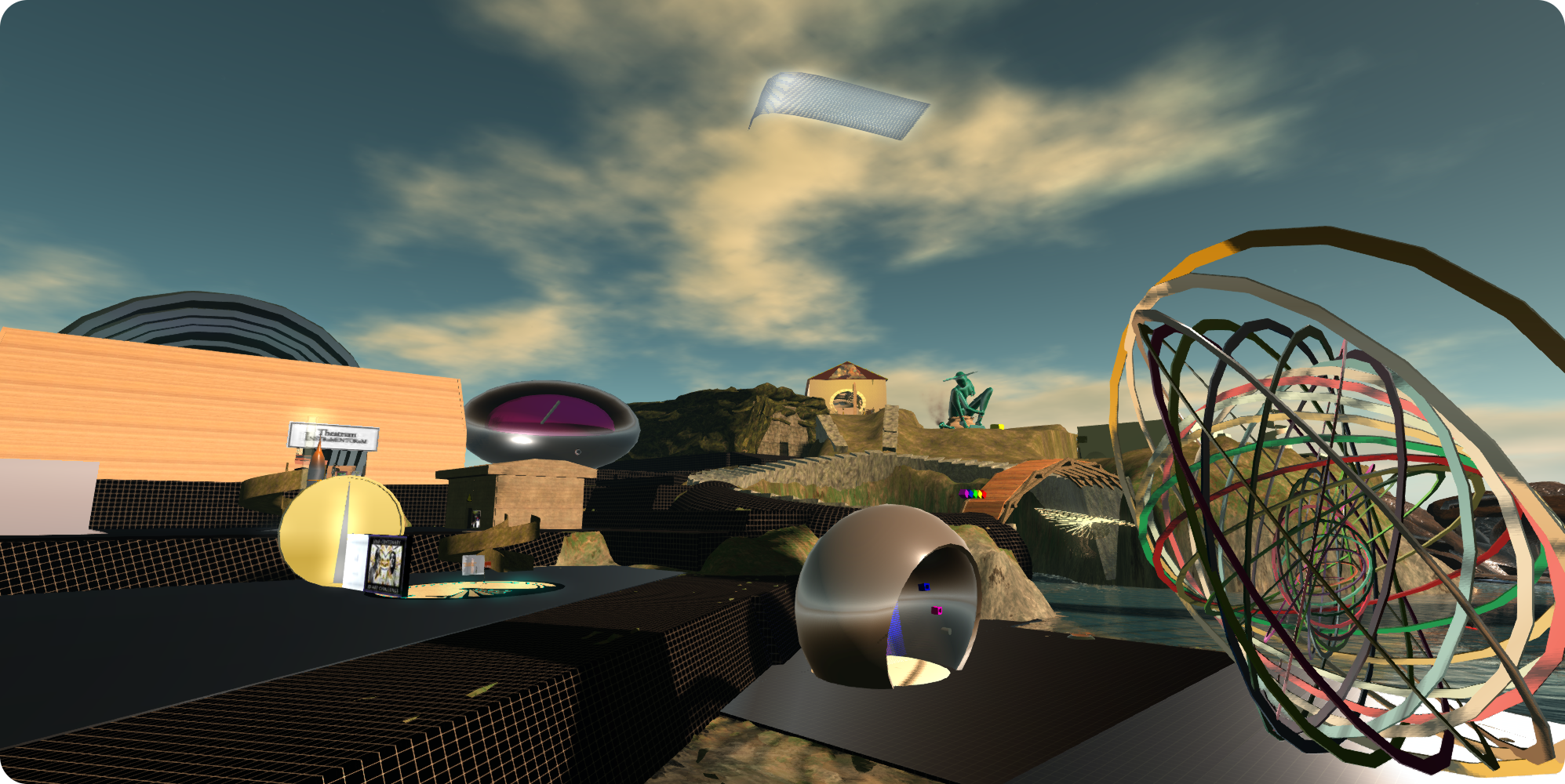
In conjunction with her time at the UWA in the physical world, FreeWee has been granted the use of a LEA Artist in Residence region, where she has established FreeWee’s Laboratory v.8.0: Music, Myth, Magic, Light, Shadows, Physics, a unique combination of workshop, study space, laboratory and gallery focused on helping her demonstrate the potential of virtual worlds to students at the UWA.

FreeWee's Laboratory v.8.0: Music, Myth, Magic, Light, Shadows, Physics, LEA27
FreeWee’s Laboratory v.8.0: Music, Myth, Magic, Light, Shadows, Physics, LEA27

When you arrive in the region, it may look somewhat chaotic and perhaps even feel half-finished. Don’t let this put you off; this is a workshop / lab, and what is on offer more than makes up for chaotic the appearance. Keep in mind as well, that elements within the installation may change over time in order to meet FreeWee’s evolving needs as a part of her work at the UWA.

As FreeWee is working with the Department of Physics at the UWA, many of the items within the region explore the nature of physics in Second Life, be it through movement, light or colour.  Just up the ramp from the landing point, for example, is her award winning nanoprim physics lab from 2010, together with a rocket that will take you up to her Solar Observatory, which I’ll have more to say about anon.

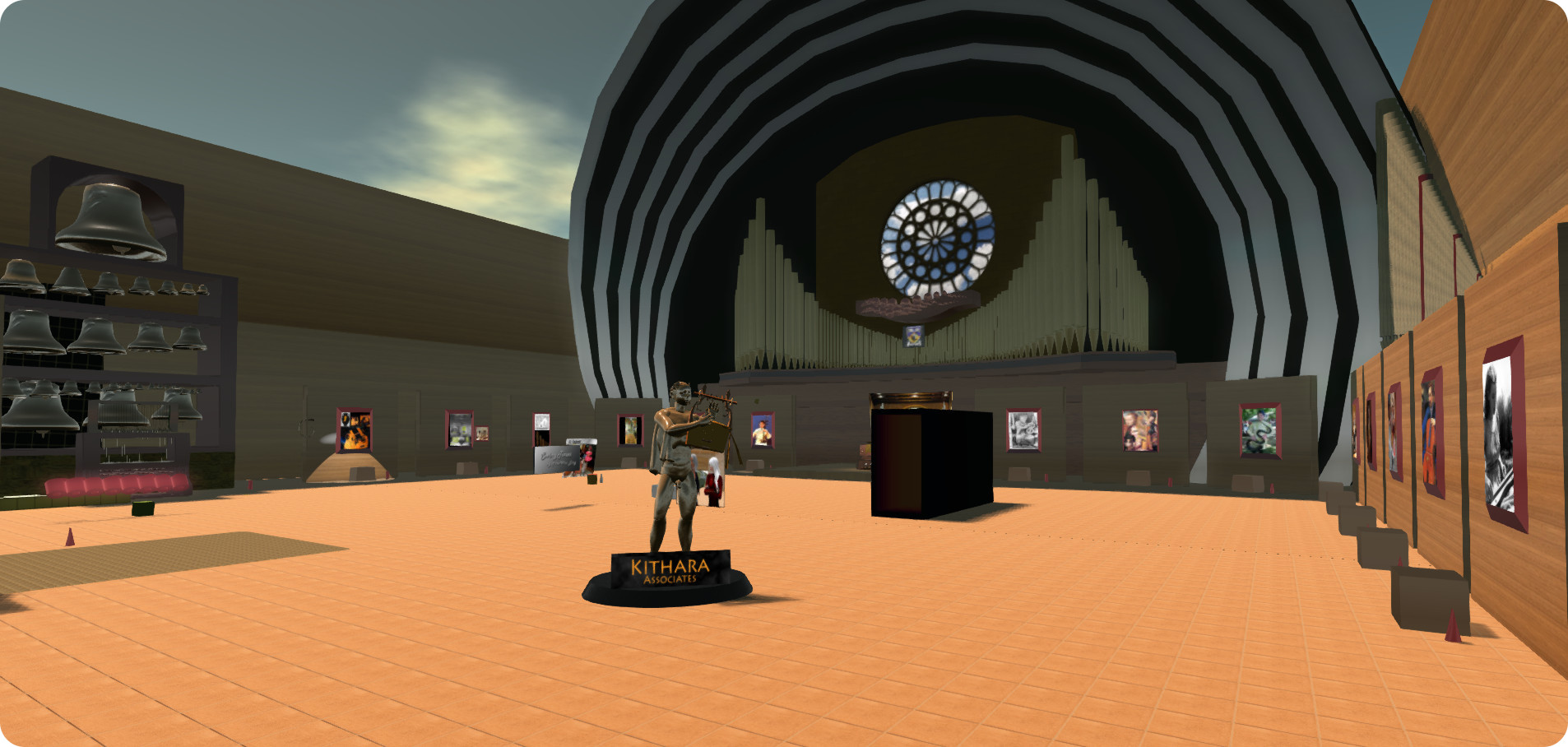
FreeWee is a musicologist by education, with a specialist interest in the history, use and physics of music. Together with fellow musicologist Oriscus Zauberflote, she formed the Kithara Associates, which is focused on the creation of musical instruments in SL that are reasonably authentic in appearance, in order to enhance the immersive experience of the platform for the purpose of learning and research, and this work is also present within the installation, in the form of the Theatrum Instrumentorum.

FreeWee's Laboratory v.8.0: Music, Myth, Magic, Light, Shadows, Physics, LEA27 - Tthe Theatrum Instrumentorum
FreeWee’s Laboratory v.8.0: Music, Myth, Magic, Light, Shadows, Physics, LEA27 – the Theatrum Instrumentorum

This is, in essence, a museum of musical instruments featuring photographs and information boards of the instruments in the physical world, and samples of instruments built in-world, some of which extend to the creation of hybrid / fictional instruments depicted in works of art. Several of the pieces are playable, and I particularly enjoyed using the carillon to play a melody I’d had to learn many, many moons ago when starting to learn to play the piano. Also on offer within the Theatrum is a teleport up to Swingtones, a demonstration of the effectiveness of sound in helping to create an ambient, immersive environment.

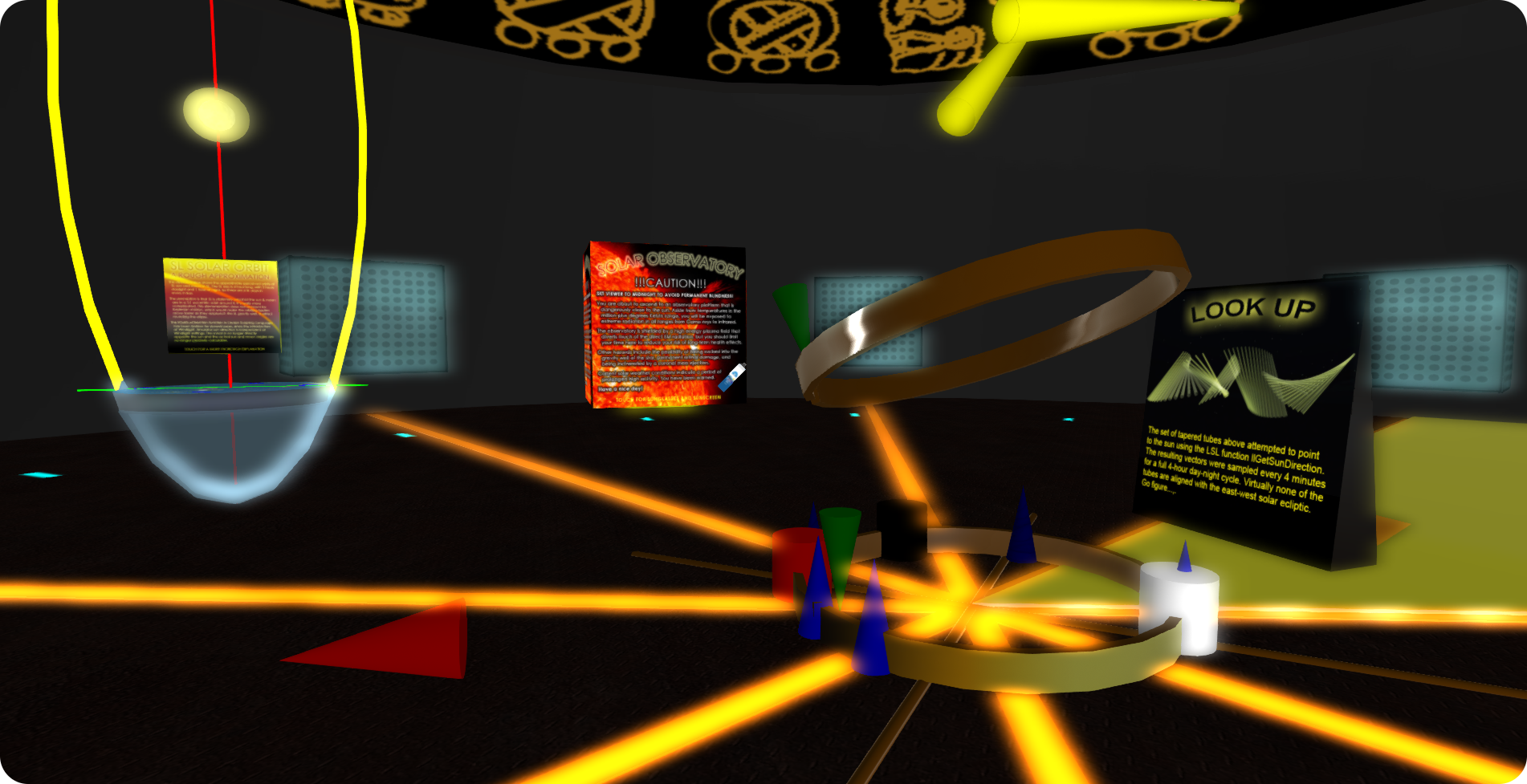
The Solar Observatory mentioned earlier, and which can be reached by rocket, is spread over two levels. The lower level presents visitors with both an introduction to elements of solar and stellar astronomy and also provides insight into the peculiarities of the SL “solar system” and day / night cycle, with interactive demonstrations throughout, as well as well-written information cards and links to external sources.

FreeWee's Laboratory v.8.0: Music, Myth, Magic, Light, Shadows, Physics - the lower floor of the Solar Observatory
FreeWee’s Laboratory v.8.0: Music, Myth, Magic, Light, Shadows, Physics, LEA27 – the lower floor of the Solar Observatory

The upper level, reached by elevator, offers the chance to study the Sun first hand, complete with coronal mass ejections (CMEs), sun spots and the flow of the solar wind. The elevator is guarded with a firm caution about the risks of blindness and exposure to gamma radiation should you opt to take the elevator, but both both sun screen (SPF 1000) and sunglasses are thoughtfully provided to mitigate the effects of both 🙂 . At the top of the elevator is a platform allowing you to view the Sun Sunshine-like, or if you’re feeling particularly daring, you can rez a chameleon flyer and fly yourself around the Sun. However, if you opt to do the latter, do try to keep in mind the story of Icarus, and what happened when he flew a tad too close to the Sun …

Elsewhere in the region you can find a novel “get away from it all” rezzer system, interactive art pieces, a gallery of FreeWee’s own art and, in what is another superb demonstration of SL’s capabilities in the Projection Room (a large white building on the east side of the region.

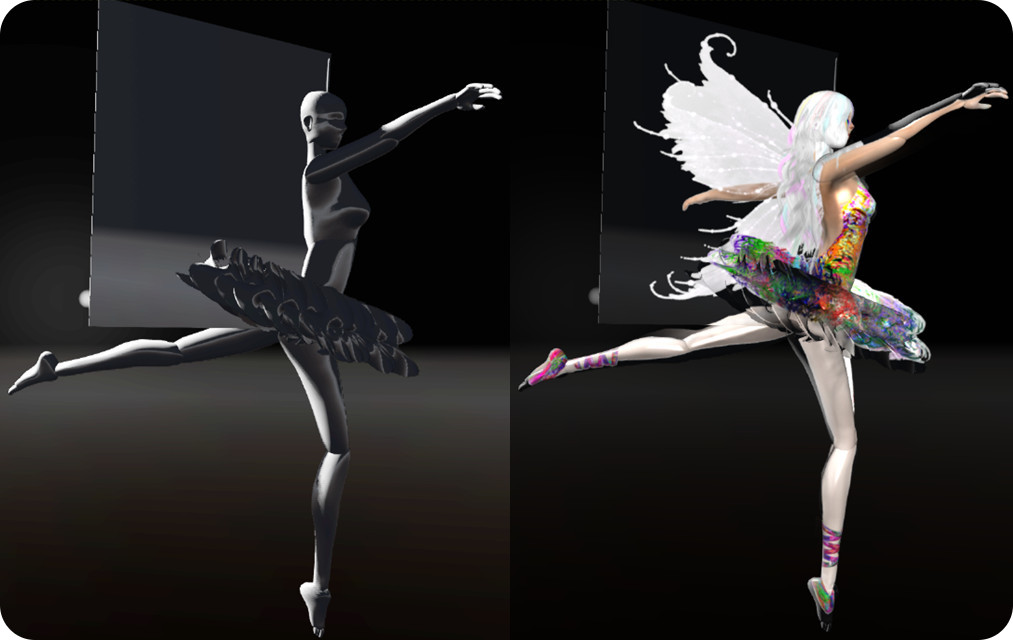
The power of projected lights - the image on the left shows an untextured figure; on the right, the same figure, lit entirely by projected lights. FreeWee's Laboratory v.8.0: Music, Myth, Magic, Light, Shadows, Physics, LEA27
The power of projected lights – the image on the left shows an untextured figure; on the right, the same figure, lit entirely by projected lights. FreeWee’s Laboratory v.8.0: Music, Myth, Magic, Light, Shadows, Physics, LEA27

This focuses on the use of projected lights in Second Life. As such, you will need to have the Advanced Lighting Model graphics option enabled on your viewer (you do not need to enable shadows, so any performance hit you may experience shouldn’t bee too great), and keep in mind that none of the figures in the room are actually textured. What you see as you move around and active the lighting sources is purely the result of using projected light sources and textures.

All told, the Laboratory makes for a fascinating installation, one in which it is easy to become absorbed in the individual elements on offer, allow of which are provided with informative note cards which not only provide insight into what they are and how they work, but often explore the creative processes involved in creating them, and provide a glimpse into FreeWee’s mind and thought processes, further enhancing the time one takes in exploring the installation.

Highly recommended.

Related Links