It’s Up to U in Second Life

Up to U; Inara Pey, July 2015, on FlickrUp to U, July 2015 (Flickr) – click any image for full size

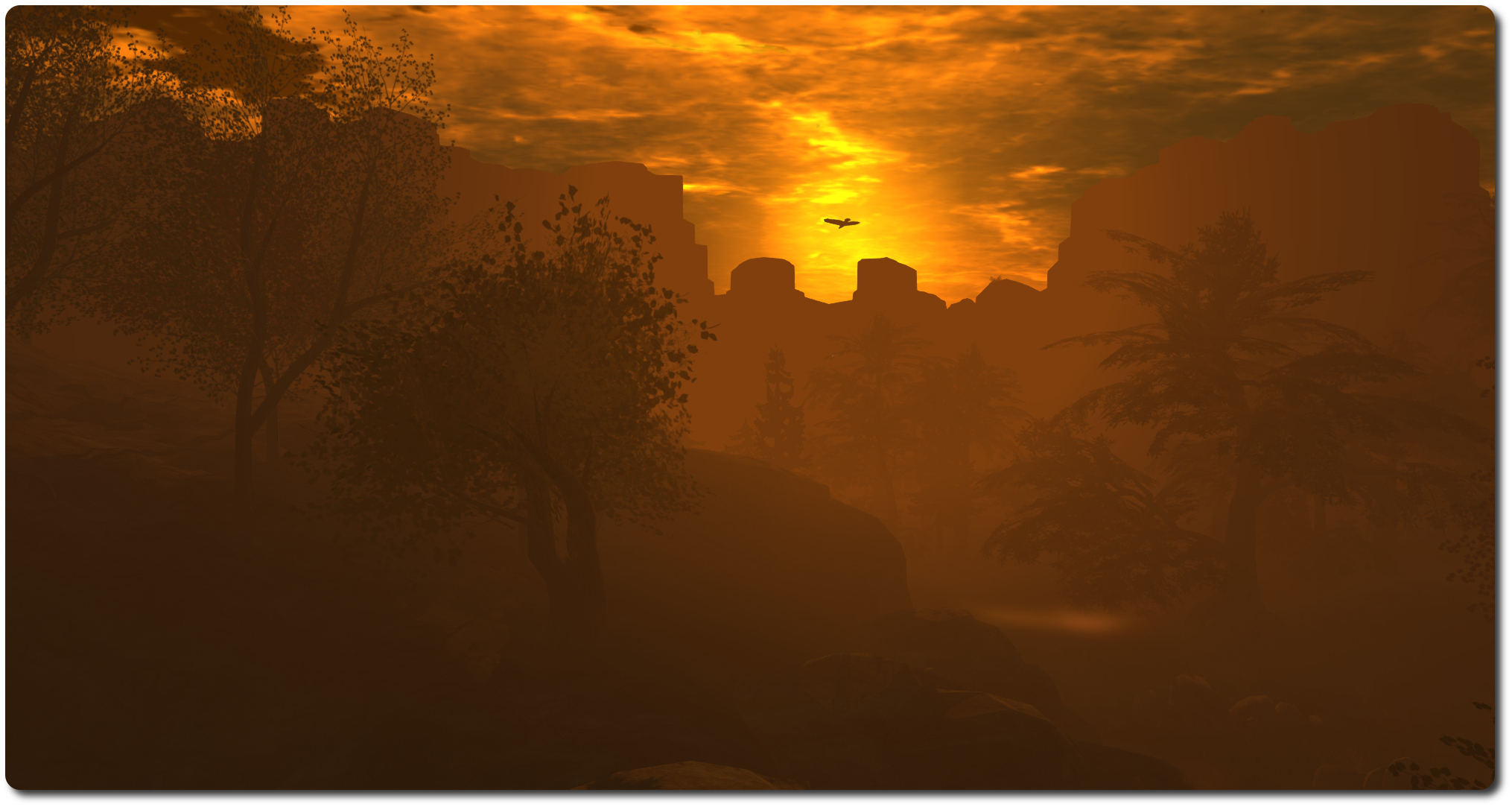
Ricco Saenz recently posted that while Roche as we know it may be gone, the region remains, but under new ownership. Ricco’s post offers considerable food for thought on aspects of the region’s new look, which prompted me to go take a look for myself.

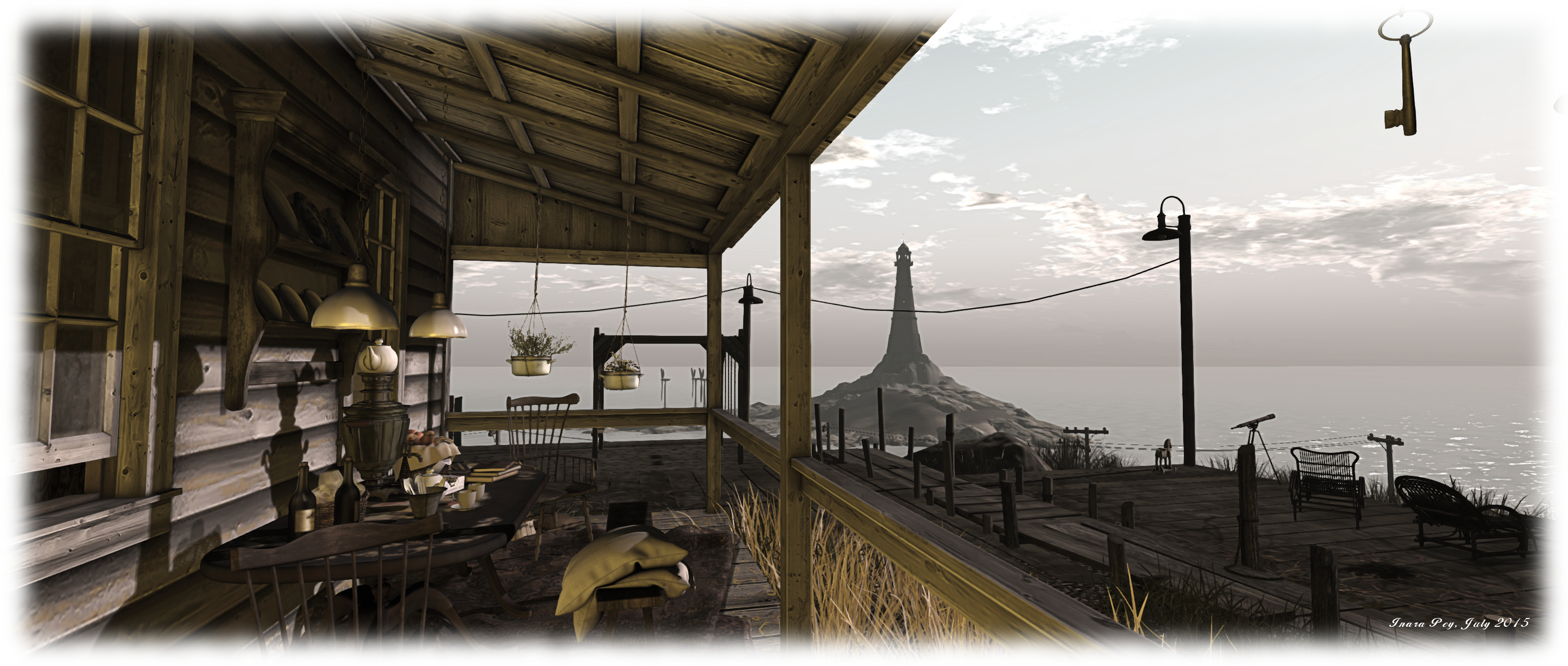
Roche is now held by ๑๑Ŧﻨσ๑๑ (Fio Bravin), who has given it the name Up To U. The make-over appears to be a shared activity between Fio and ありえす (ArieS Magic), and it sees the region split into two islands connected by a lone wooden bridge, while further out on the water sit a couple smaller islands, one of which has a lighthouse located on it.
Up to U; Inara Pey, July 2015, on FlickrUp to U, July 2015 (Flickr)

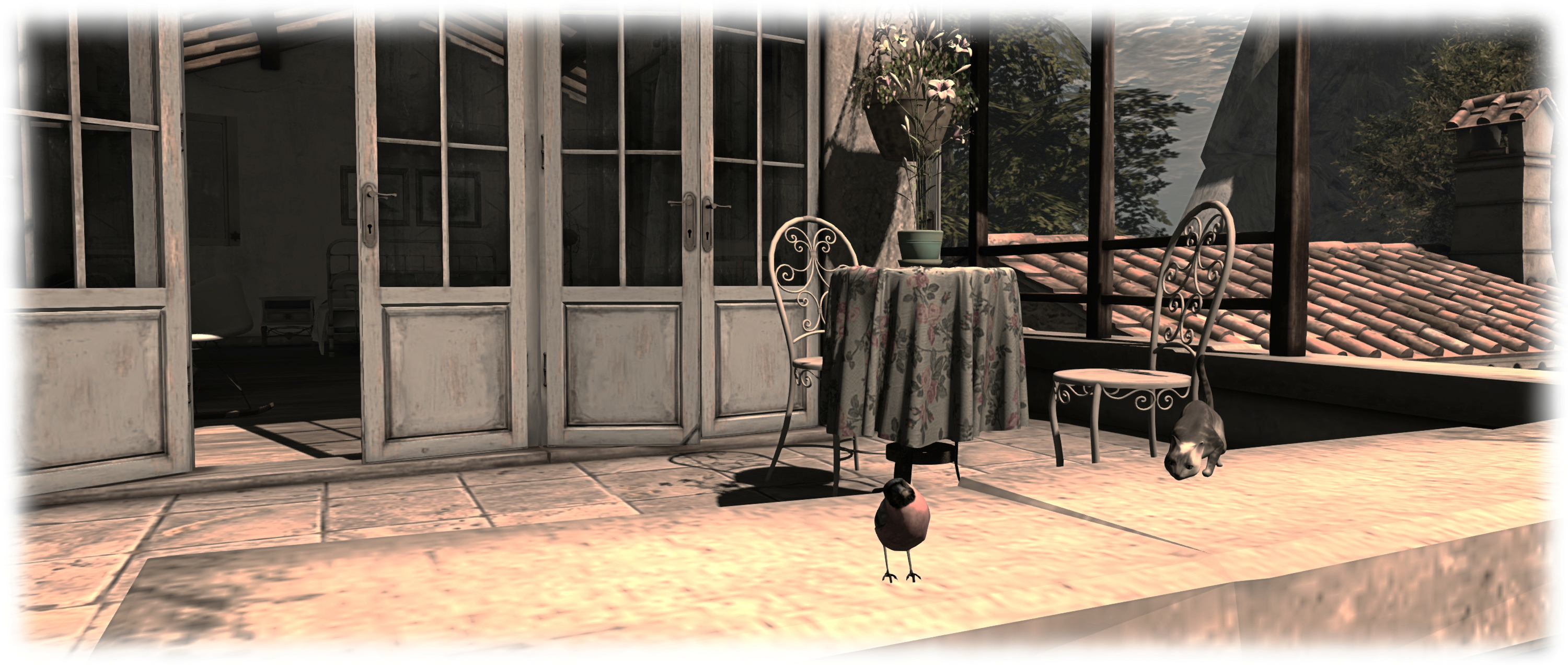
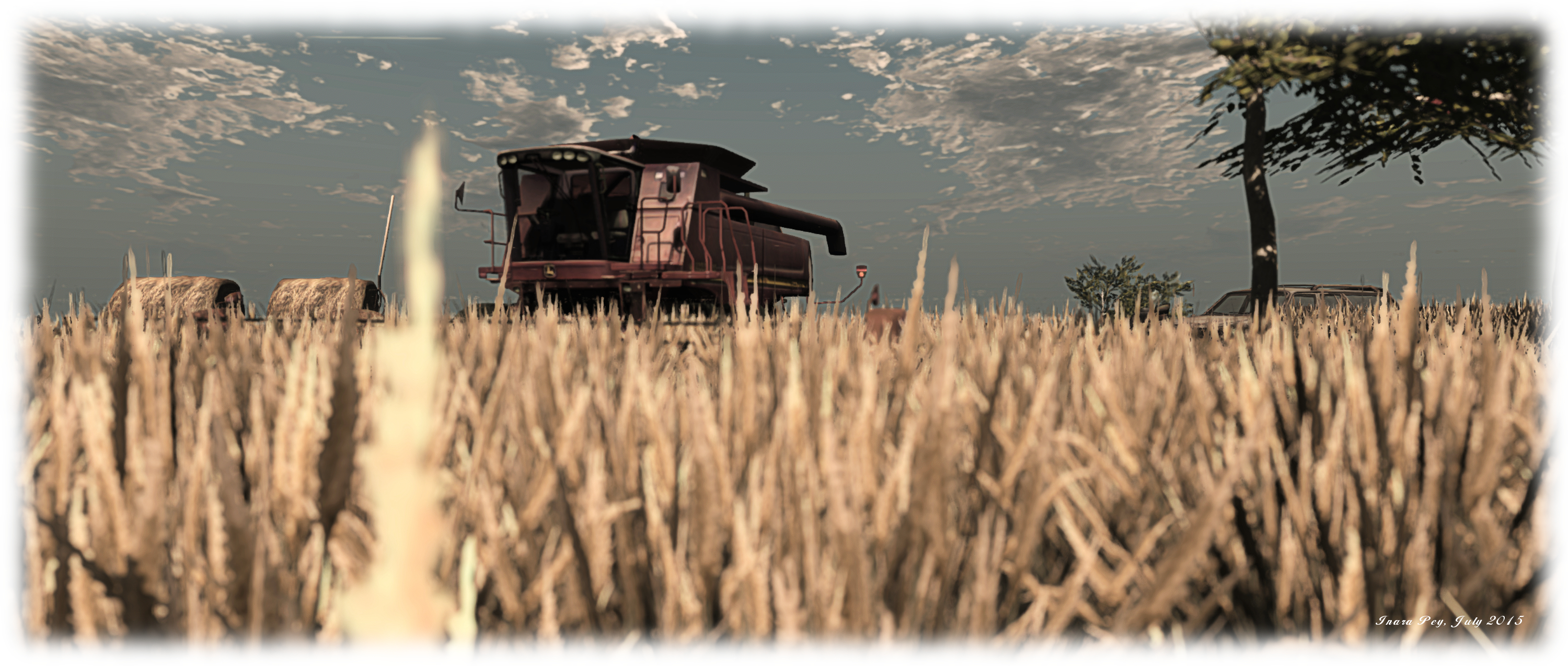
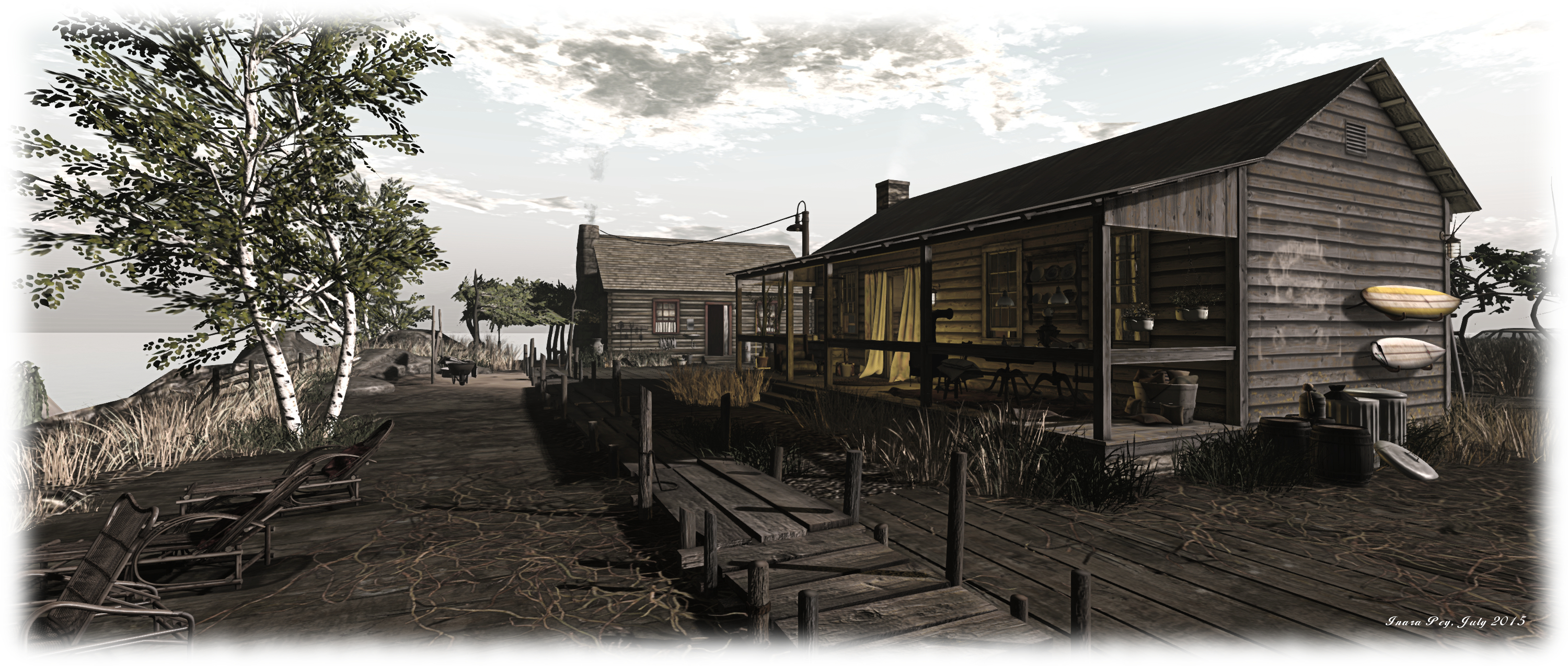
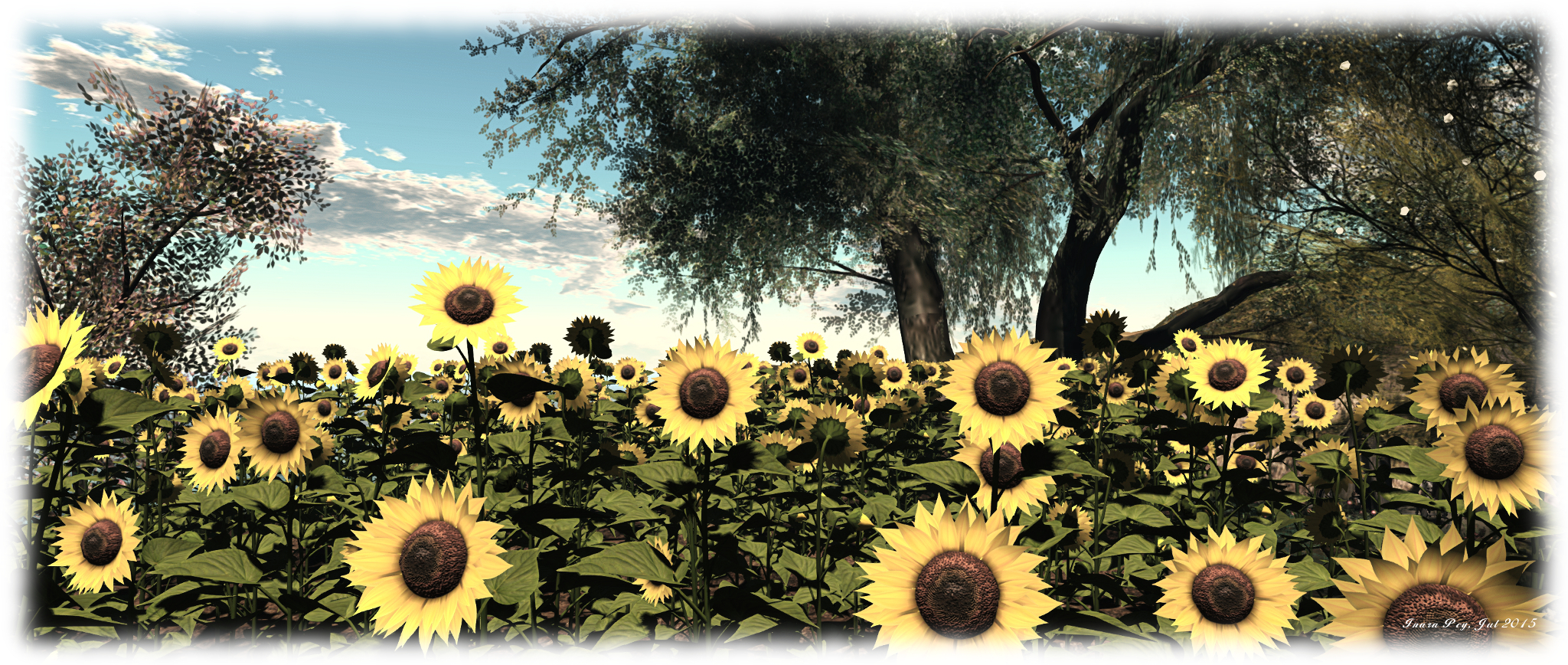
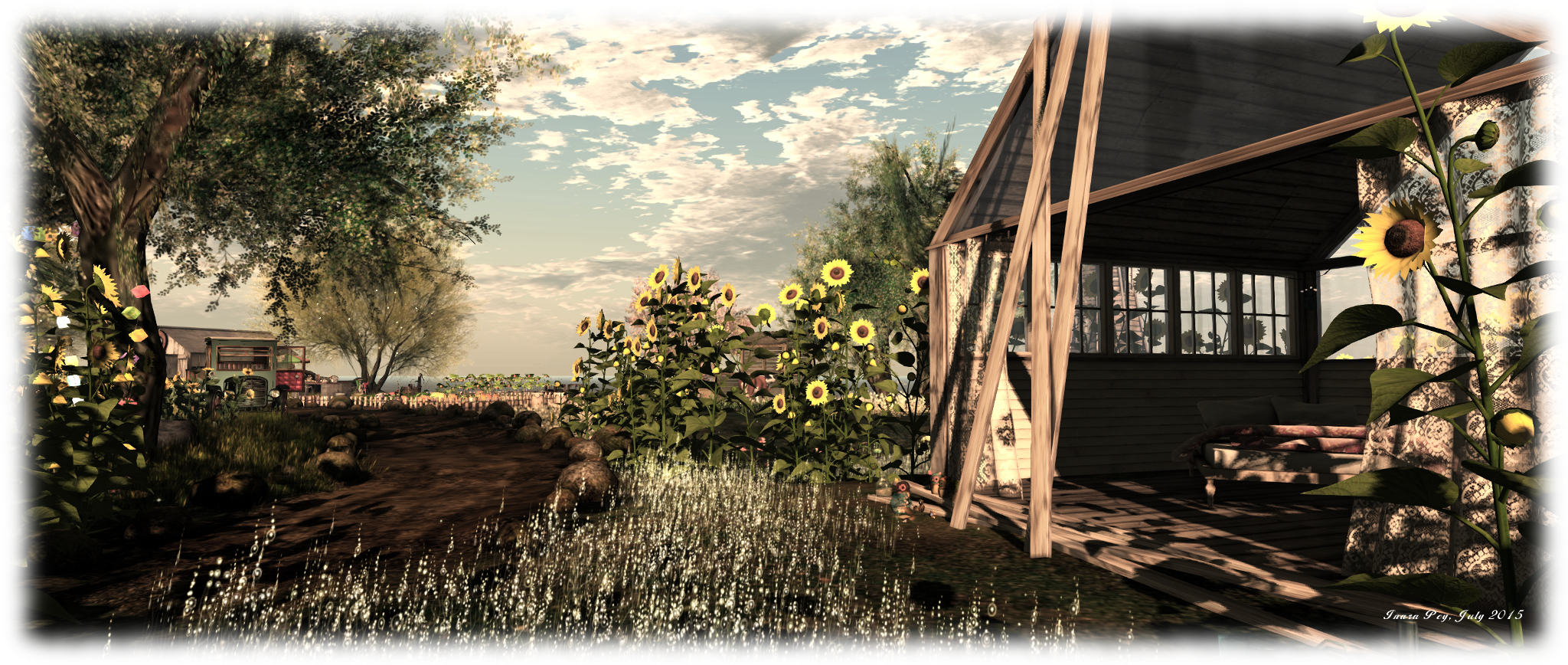
The larger of the two islands is awash with sunflowers neatly planted as if being cultivated. A dirt track curves across part of the island, passing a working barn and between the neat rows of sunflowers to arrive at a small summer-house still under construction, itself surround by a ring of the tall, yellow flowers. The entire scene is suggestive of country living, but there’s more.

Alongside the track sits a small area set-up for a barbecue, offering plenty to refresh the weary traveller. Nearby is a vegetable patch in the process of becoming a playground for rabbits and foxes. Further afield, things become a little more whimsical: alongside the barn float a trio ethereal blue leaves, inviting visitors to repose upon them and forget the world. Not too much further away, and in part hidden by the long grass and a fallen log, sits one of the little scenes which had Ricco turning his thoughts very eloquently to the subject of  anthropomorphism.
Up to U; Inara Pey, July 2015, on FlickrUp to U, July 2015 (Flickr)

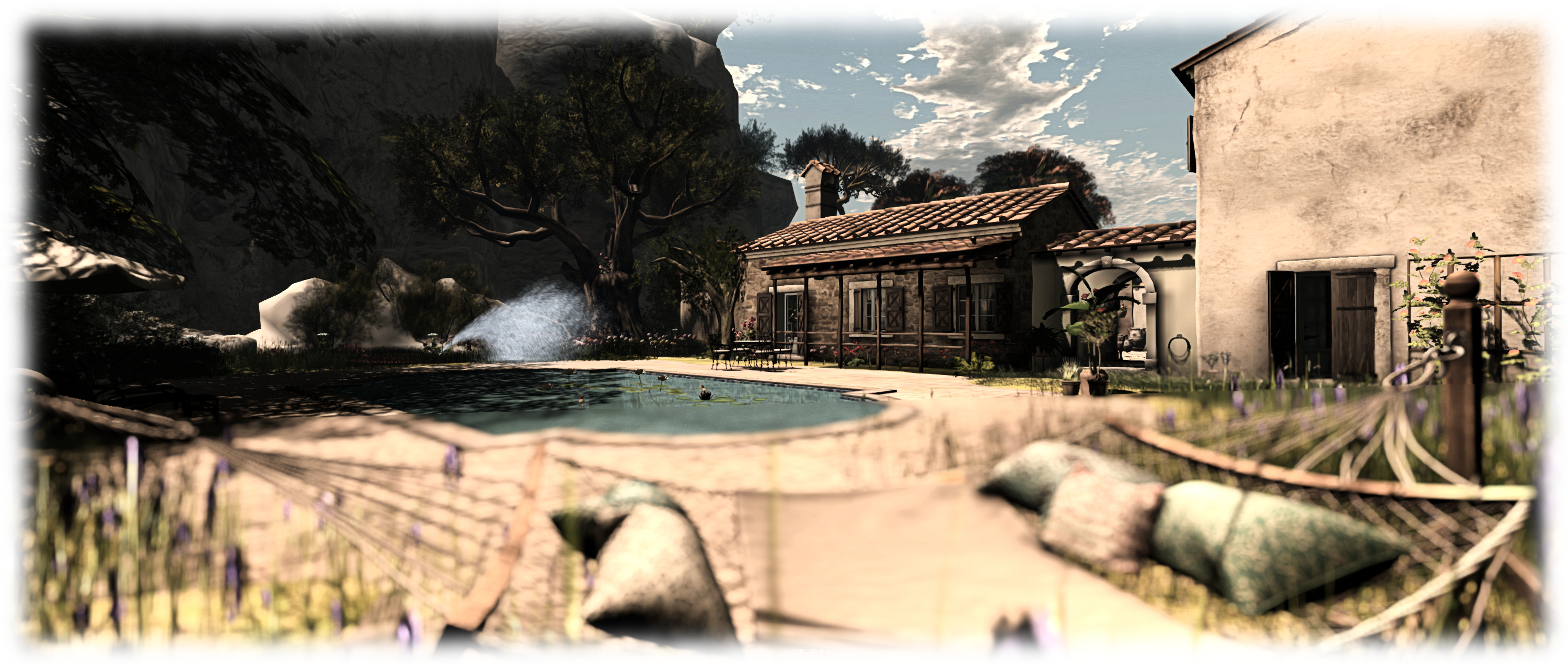
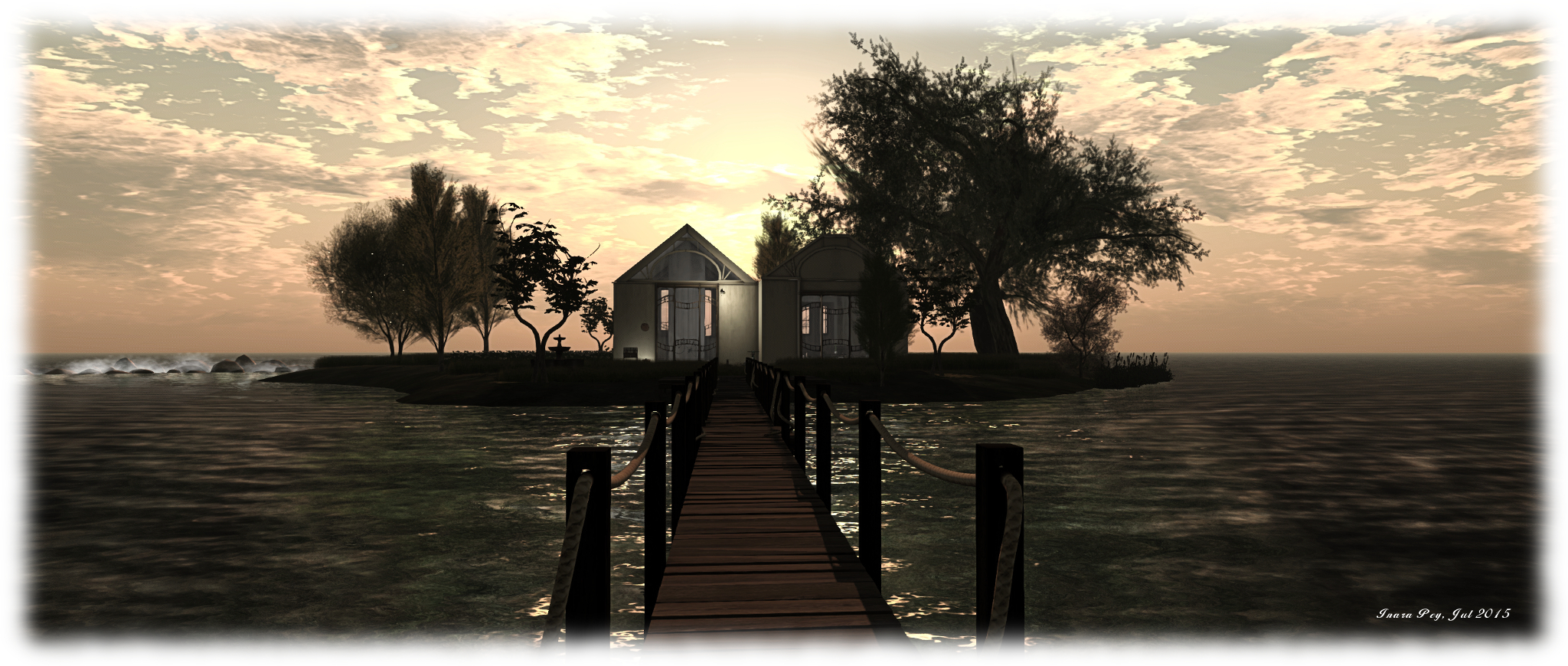
Across the water and the wooden bridge, the smaller of the two islands is the setting for a whitewashed house surrounded by white flowers and long grass. I’ve no idea if it is open to the public or a pied-a-terre for Fio and ArieS when visiting the region, so I didn’t intrude inside; although a quick peep through the windows suggested it is a place where cats rule!

Taking over a region which has been so well-known and so well-loved for so long is no easy task. No matter how things are made over, there is always a risk that those who visit and who remember the “old” look are going to be haunted by ghosts of the past.
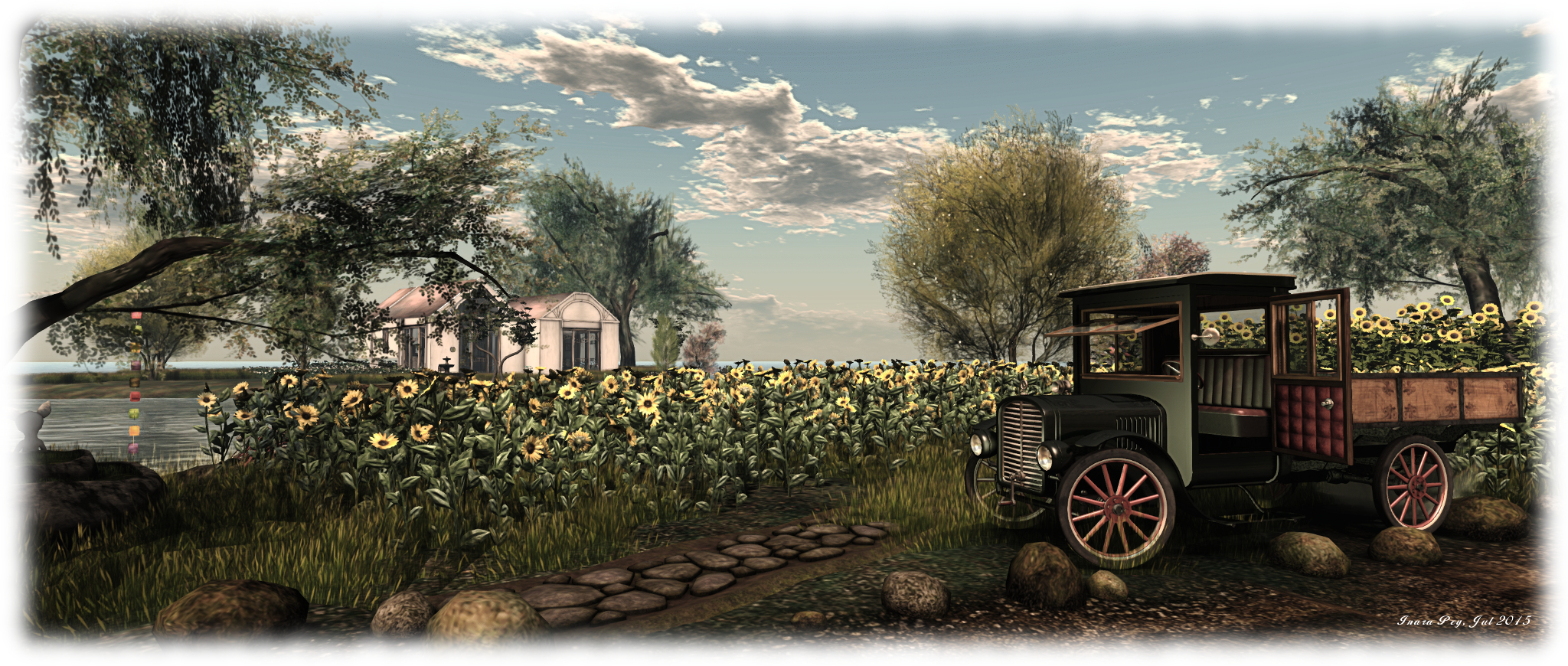
Up to U; Inara Pey, July 2015, on FlickrUp to U, July 2015 (Flickr)

Perhaps Up to U, as a name, reflects this, and is intended to offer the visitor with a simple choice when exploring the region: to see it with new eyes or with old. If so, I’ll opt for the former; Up to U brings a fresh and very different look to Roche, one that has its own charm and attractiveness, offering plenty of opportunities of those who want to take photos or want to sit and ponder or chat – and even those who fancy a little whimsy to stir their thinking!

SLurl Details

Encountering King Arthur and Beowulf in Second Life

Beowulf and King Arthur

In June I wrote about the non-profit Literature Alive! project operated by Desideria Stockton and Royce Sommer, and their Canterbury Tales Virtual Pilgrimage. They now have a new literary adventure for people to enjoy.

Beowulf and King Arthur is hosted on the Lingnan Drama Island by Brant (MrK Kas). The title itself pretty much explains what the installation is about: an exploration of the legends and times of Beowulf and King Arthur. And if this sounds an odd combination when one considers Beowulf is an Old English epic set in Scandinavia while King Arthur really came to literary prominence as a romantic figure in the 11th and 12th centuries, keep in mind both are firmly rooted in Anglo-Saxon times, and thus the pairing is apt.

As with Canterbury, Beowulf and Arthur is an interactive investigation of both legends, this one set within a huge castle structure. Entering the courtyard of this will bring the visitor to a famous image: Excalibur stuck fast in a great stone. Paths leading either side of this serve as introductions to the two legends – left for Beowulf, right for Arthur. From here, one can explore on foot, passing through the Beowulf section and on to the Arthurian section, or a teleport board provides access directly to Arthur, and one can then progress to Beowulf from there.

Beowulf and King Arthur

Given this is interactive piece, there is a lot to click on throughout; with Beowulf, blood spatters on the floor of the castle hall and on the tables provide information on his legend, while visitors can also learn about Anglo-Saxon times in Britain, paganism and Christianity (which sit as uneasy partners in the Beowulf legend) by clicking on wall displays, flowers, and so on.

Moving through the hall leads the visitor increasingly toward Arthur and Arthurian legends, notably Sir Gawain and the Green Knight, a reference to Myrddin (Merlin) prior to his fusion into Arthurian tales, and thence a climb up to Arthur’s hall, where sits the round table and an opportunity to learn about the code of chivalry.

Both elements of the installation include quizzes and puzzles and the opportunity to win prizes (keep an eye out for the quiz chests scattered around). As with Canterbury, this is an engaging exploration of literature, and one that appears to be part of a bigger project. Outside of the castle sit a series of Tudor style houses which look to be in the process of being set-up to offer insight into other works of literature; this is something I’m hoping to talk to Desi and Royce about in the near future.

Literature Alive!
Literature Alive!

In the meantime, if you fancy the opportunity to find out more about two classic mythologies and the times in which they are set, Beowulf and King Arthur offers an interesting and easy-to-follow means of doing so.

SLurl Details


A Lick of science fiction in Second Life

The McFly Project; Inara Pey, July 2015, on FlickrThe McFly Project, July 2015 (Flickr) – click any image for full size

I’ve visited Oyster Bay, the demonstration region for Lick Sim Designs, several times; however, for various reasons I’ve never managed to actually blog about it. So when I saw Sera Bellic, Lick’s proprietor and chief designer, had once again re-worked the region, and this time with something of a science fiction leaning, I decided to put matters right and not only visit and take photos, but this time actually write about my time there.

Like all of Sera’s designs, The McFly Project is a marvellously photogenic, immersive environment which once again demonstrates her talent for region design. It’s also a place very much of two parts, although they are intertwined, perhaps in ways beyond that suggested by the region’s Destination Guide description: Step into the past and explore what once was, and find your way to the future.

The McFly Project; Inara Pey, July 2015, on FlickrThe McFly Project, July 2015 (Flickr)

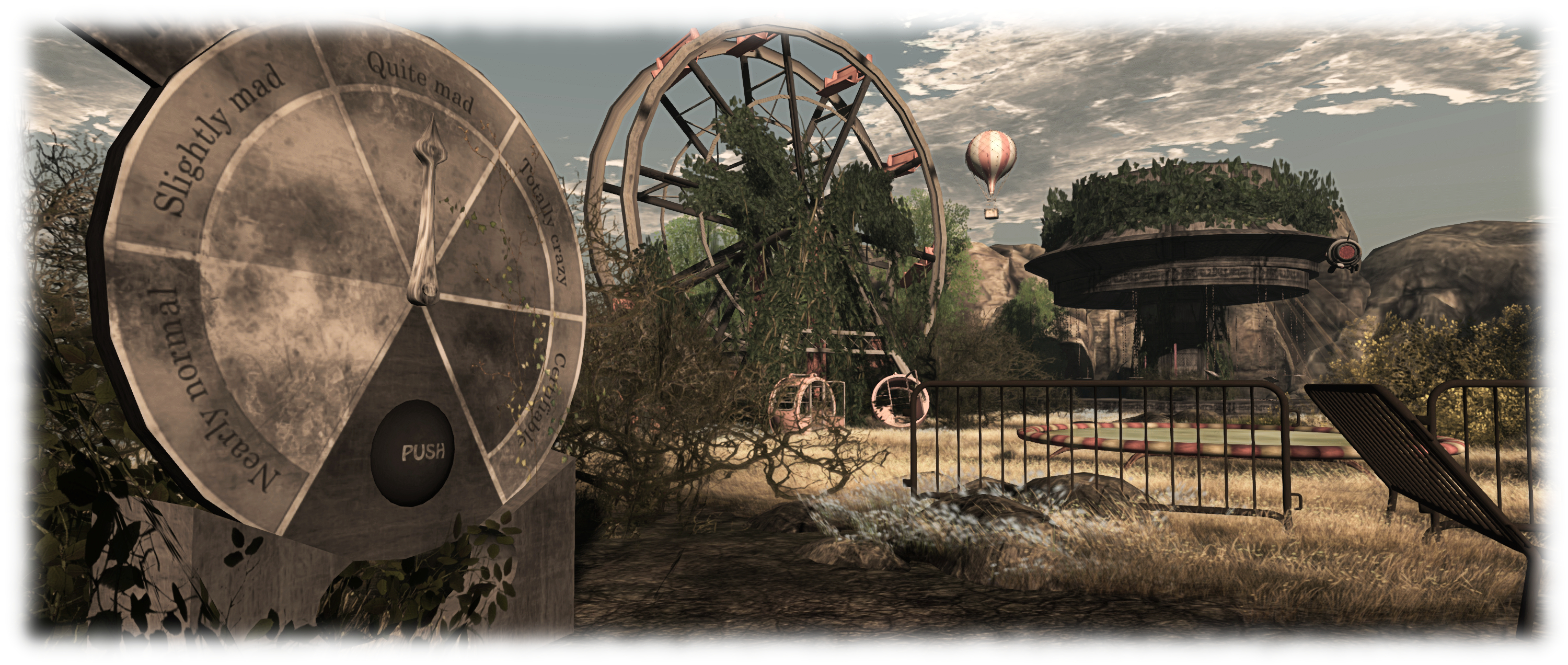
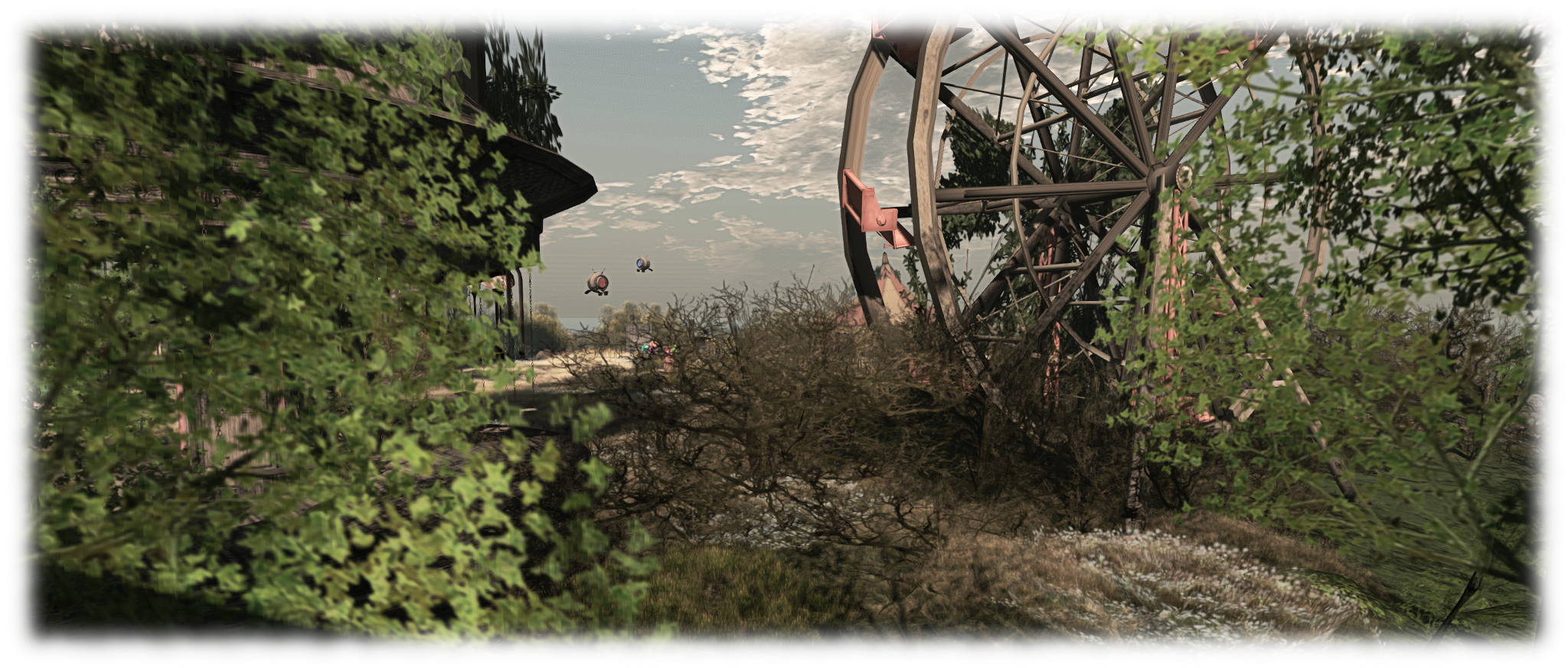
“That past” comes in the form of an old fun fair, a place gradually being reclaimed by nature. The big top tent is fading, the Ferris wheel and carousels are broken and overgrown,  signs are fading while weeds are taking over the ticket booth. Everywhere you look, it is clear that nature is slowly reclaiming everything.

Or almost everything; overhead, humming quietly are a number of automated drones. They appear to be keeping an eye on things, roaming back and forth slowly, sometimes circling, sometimes dipping towards the ground before rising again, their presence the first hint of the more sci-fi nature of this place.

The McFly Project; Inara Pey, July 2015, on FlickrThe McFly Project, July 2015 (Flickr)

From the big top, a dirt path (with helpful arrows) will lead you through the dilapidated fairground to the distant cliffs.  Here sits the entrance to a cave leading underground, guarded by an R2 unit in as much a distressed condition as the fun fair.

The cave will take you underground and to caverns deep and – well, if not exactly dungeons old, then certainly to places that should be explored fully, and which build up more of the sci-fi side of the region’s design. Follow directions here carefully to make sure you get to see everything – especially when finding your way back out.

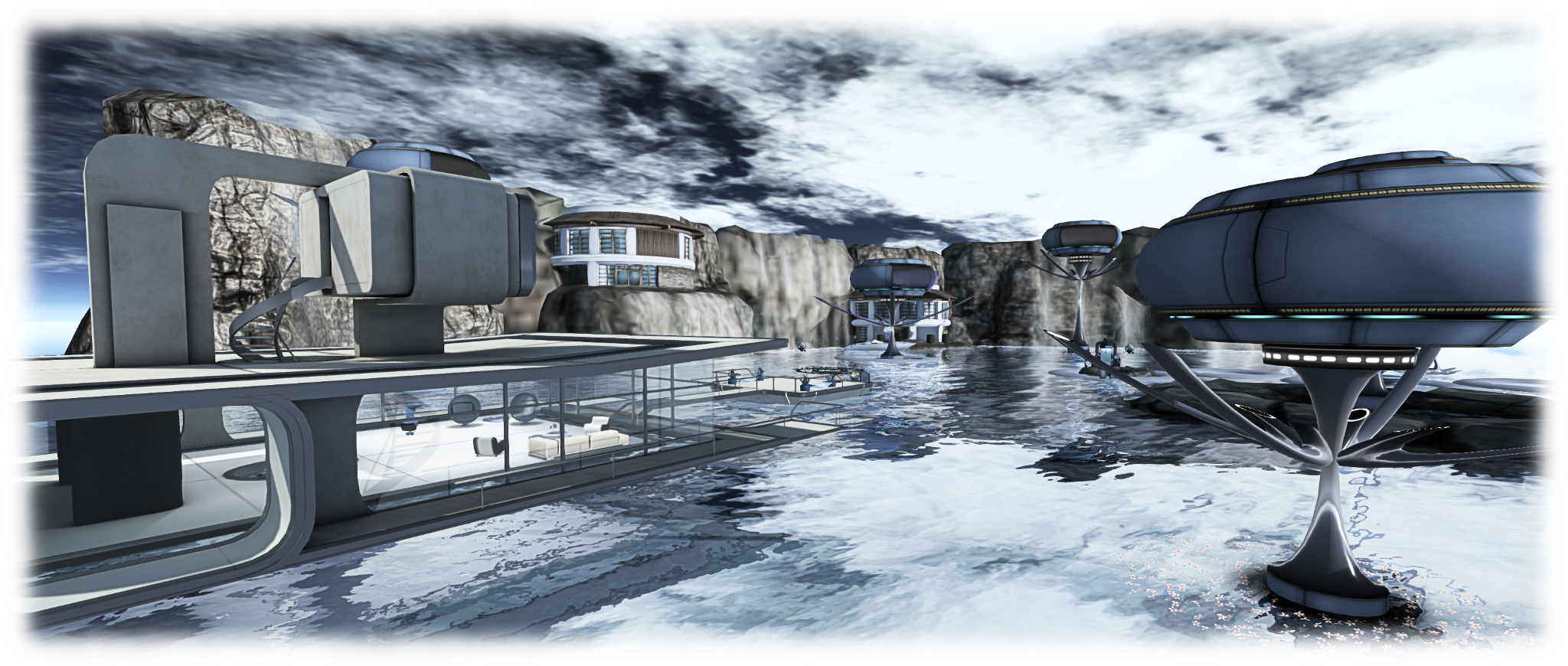
Assuming you follow the right path (it’s not hard 🙂 ), you’ll arrive at the future: a watery environment complete with fantastic structures, bordered by a greensward to one side, and overlooked by cliff side houses as more of the automated drones hover and flit overhead.

The McFly Project; Inara Pey, July 2015, on FlickrThe McFly Project, July 2015 (Flickr)

One of the buildings here will likely be familiar to any sci-fi fan who has seen 2013’s Oblivion, although it occupies a position very different to that seen in the film. Small platforms dot the water while teleport pads offer one means of getting around, boat rezzers another.

While The McFly Project’s description suggests you are visiting times past and times future (hence the name: think Marty McFly), there is nevertheless a narrative running through the design, starting at the big top and finishing at this idyllic-looking waterside living.

For me, that narrative, complete with distant echoes of Oblivion throughout, suggested that far from being a vision of the future, the seemingly perfect high tech environment, protected by high cliffs and tumbling waterfalls, is actually “the present” for those living there. The fun fair, meanwhile, is a part of their past, shattered by some kind of catastrophe which may even now present a threat, perhaps physical or perhaps biological. Why else would there be drones patrolling and monitoring it, and why else would there be a weapons cache in the caverns, and decontamination units both there and on the platform where one emerges from that subterranean world?

The McFly Project; Inara Pey, July 2015, on FlickrThe McFly Project, July 2015 (Flickr)

The McFly Project is offered with recommended windlight settings, and I do suggest adopting the one for the trip through the caverns to “the future”, as it is ideal for both settings.  Also make sure you have local sounds on, and do take the time to touch things as you explore; the region is awash with interactive elements literally from the moment you arrive (click the silver star on landing point platform), together with numerous places to sit and rest.

Sera tends to change the region’s design every 2 – 3 months; so as The McFly Project has only recently opened, it is liable to be around for a while yet. Even so, I wouldn’t put of playing a visit too long, just in case; if you love exploring region builds, this isn’t one to miss.

SLurl Details

A farewell to Matoluta Sanctuary in Second Life

Matoluta Sanctuary, Sartre; Inara Pey, March 2015, on Flickr Matoluta Sanctuary (Flickr), March 2015 – click any image for full size

Manatou (Ursus Broono), who along with Mz Marville, has been a driving force behind the Matoluta Sanctuary has announced the two regions on which it is located  (Hudhufushi and Sartre) are to close on or around Monday, July 20th and Tuesday July 21st, 2015.

Having opened in July 2014, Matoluta Sanctuary was established with a unique aim in mind: to offer people the opportunity to engage in equine role-play (i.e. actually taking on a horse avatar), and to learn about the plight of the Colonial Spanish Horse on the North American continent –  and in doing so, donate to the ongoing conservation of these horses.

Matoluta Sanctuary, Sartre; Inara Pey, July 2014, on FlickrMatoluta Sanctuary (Flickr), July 2014

The Colonial Spanish Horse, perhaps more familiarly known as the Spanish Mustang,  is descended from the original Iberian horse stock brought to America from Spain, and are one of only a very few genetically unique horse breeds worldwide. Following their arrival in North America, some of the breed escaped into the wild. In time, due to their nature and abilities, they became the preferred mount of the Great Plains tribes of native Americans. Unfortunately, in more recent times their numbers have greatly reduced,  and the breed’s extinction status is regarded as critical.

To assist in the preservation of the breed, donations made when visiting Matoluta Sanctuary go to Return to Freedom, an organisation dedicated to “preserving the freedom, diversity, and habitat of America’s wild horses through sanctuary, education, and conservation, while enriching the human spirit through direct experience with the natural world”.  Return to Freedom is fully aware of the activities at Matoluta, and representatives from the organisation have been into Second Life to  witness activities in the regions first-hand.

Manatou (Ursus Broono) at Matoluta Sanctuary
Manatou (Ursus Broono) at Matoluta Sanctuary, July 2015

Since opening, Matoluta has evolved, both in terms of its expansion to a second region in September 2014, and in terms of activities offered: equine care, conservation awareness, special events aimed at raising donations for Return to Freedom, and so on. However, while both Manatou  and Mz Marville have met the cost of the regions directly in order to ensure donations go to Return to Freedom, the situation has been gradually changing, prompting the decision to close the regions.

“We’ve had good traffic since we opened,” Manatou informed me as we discussed the decision, “but to be honest, it has slackened off to the point where we’re better off donating the money we spend on tier directly to the charity, rather than relying just on donations.”

Matoluta Sanctuary, July 2015

Not that he is in any way blaming the situation on a lack of traffic. “It has been helpful in encouraging people become aware of the need to preserve wild horses,” he said. “It has led to others to join in with giving aid, so it has surely been of worth.”

Nor does it mean the end of in-world activities related to equine preservation, as Manatou informed me. “We will still do activities to raise money to help wild horses; we’ll open up a special region a few times a year for this, most likely once a quarter. That way we can continue involving people in raising money to benefit these efforts of preservation, and keep awareness of the need to preserve wild horses in people’s minds. Return to Freedom is very conscientious about how they allocate funds, most of every cent they receive go towards rescue efforts, very little goes towards administration.”

Matoluta Sanctuary and Bay; Inara Pey, September 2014, on FlickrMatoluta Sanctuary (Flickr), September 2014

In the meantime, Matoluta Sanctuary is still open to visitors, with the regions due to close, as noted, on Monday, July 20th (Hudhufushi) and Tuesday July 21st (Sartre)  and might be around a little bit beyond that. So if you want to visit them before they go and enjoy their natural beauty, do make the time over the weekend. And, if you’re so minded, feel free to make a donation towards Return to Freedom’s work.

SLurl Details

More Timeless Memories in Second Life

Timeless Memories; Inara Pey, July 2015, on FlickrTimeless Memories, July 2015 (Flickr) – click any image for full size

Timeless Memories, the homestead region held by Elvira Kytori, captivated me the first time I visited it back at the start of 2015. Since then, the region has undergone a redesign to match the season here in the northern hemisphere and prompting me to make a re-visit.

In its current iteration, the region draws its inspiration and name from coastline at Tropea, southern Italy, and the monastery of Santa Maria dell’isola. In doing so, it presents another quite stunning landscape which is highly photogenic as well as offering some charming locations in which to relax.

Timeless Memories; Inara Pey, July 2015, on FlickrTimeless Memories, July 2015 (Flickr)

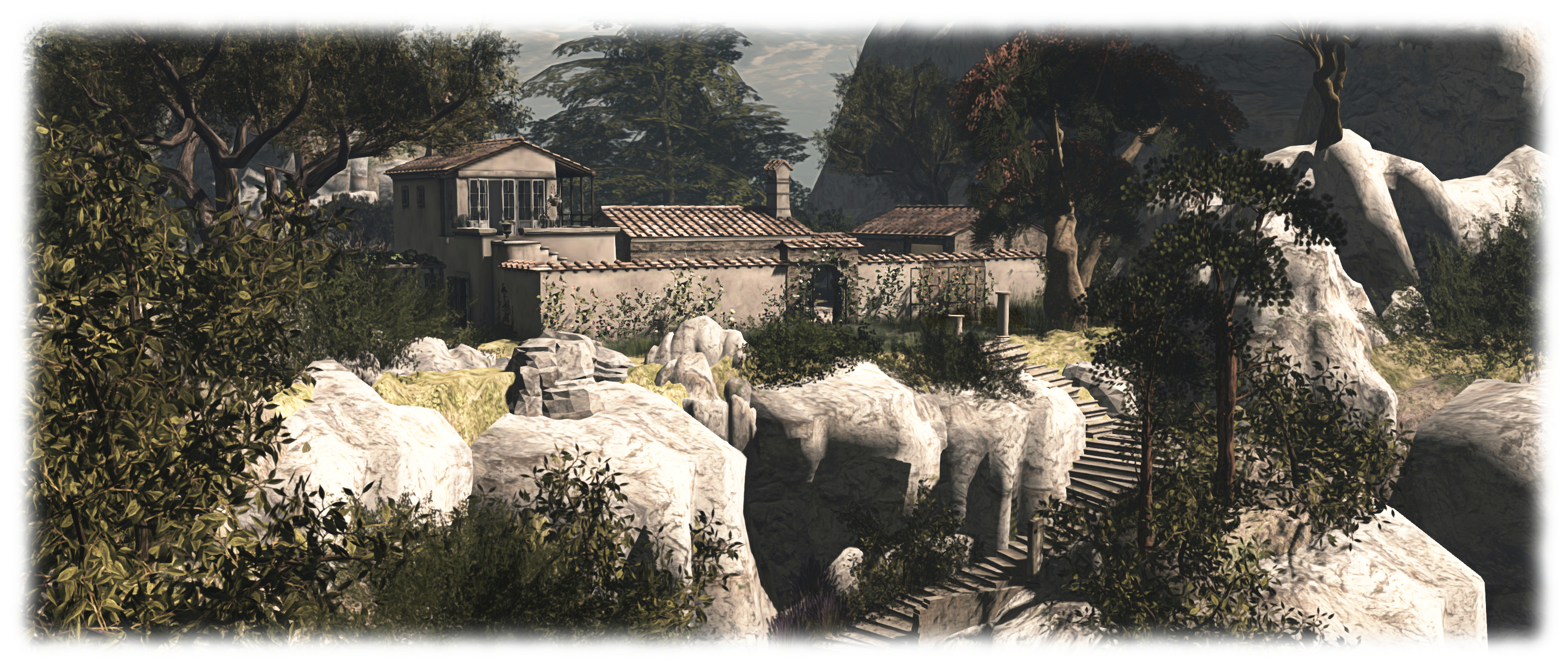
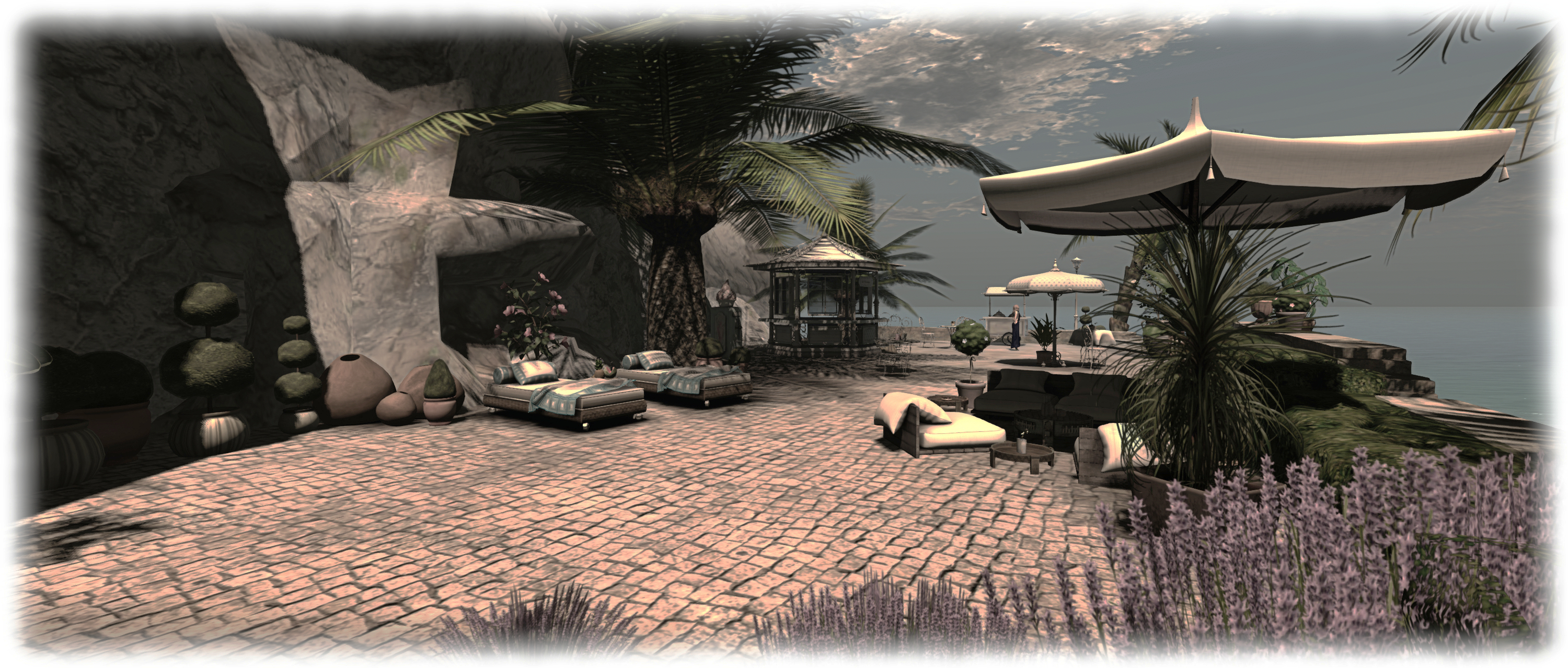
The 7th century monastery may be absent from the scene, but the coral cliffs upon which it sits have been recreated, offering a high perch on which sits one of the delightful Italian-style villas designed by iBi (8f8). This is reached from the beach, itself reached from the landing point via a short walk along a charming, palm-shaded terrazzo hugging the foot of the south-east side of the cliffs.

This offers plenty of opportunity for relaxation: sun loungers, seats shaded by parasols with a kiosk offering refreshing gelato close to hand. Meanwhile, the golden sands of the beach stretch their way around the south side of the island, offering superb views out over the open sea. Look westward, and you’ll spy a float-plane heading towards a gentle splashdown just off the coast, perhaps bringing new visitors to the island (and the temptation to stand up on the cliffs of the villa and call out, “The plane, boss! The plane!” while waving towards its arrival 🙂 ). That said, the pilot had better keep an eye on the water below, as it is the playground of orcas and dolphins.

Timeless Memories; Inara Pey, July 2015, on FlickrTimeless Memories, July 2015 (Flickr)

The villa is reached by a flight of stone steps snaking up the side of the cliffs, guarded in places by stone walls which appear to be quite aged. Together with the columns also to be found on the climb, the walls suggest that perhaps the stairs and one time gave access to something much older than the villa which now occupies the grassy plateau just below the island’s peak.

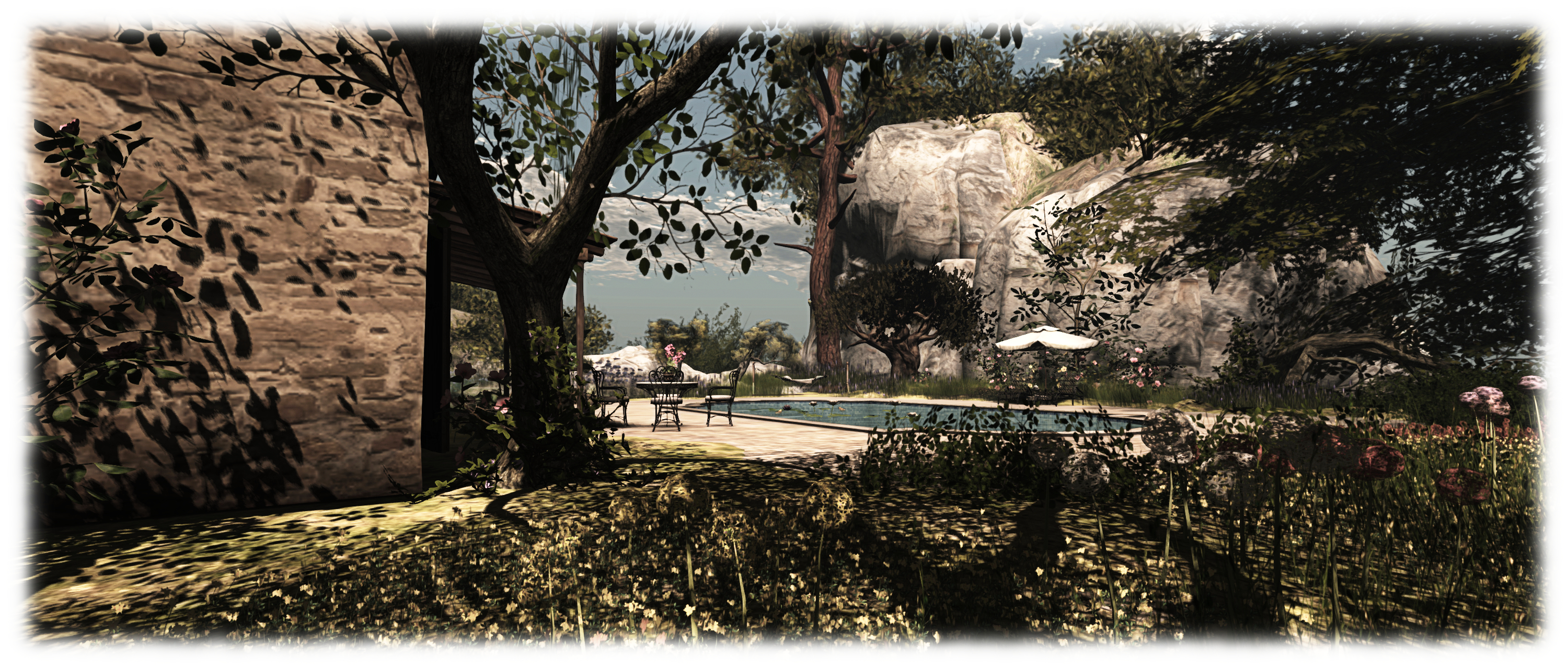
Here there is more on offer to please the eye; the villa itself is a work of art, and beautifully decorated with rustic charm both inside and in the stone-flagged courtyard around which it is built. Behind the house is a garden area with a stone swimming pool surrounded by cobbles, the flower borders to one side being watered by a gently rotating sprinkler. However, if you opt for a swim, do take note that the pool is already occupied by a couple of little chaps!

Timeless Memories; Inara Pey, July 2015, on FlickrTimeless Memories, July 2015 (Flickr)

Such is the design of the island that is it hard to pull oneself away from it; the terazzo and beach offer plenty of places to relax in the sun (Jodi and I spent a couple of hours lounging  and chatting, lost in the surroundings), while the villa offers a cool retreat for those who might want to escape to the shade.

When I first wrote about Timeless Memories, the About Land notes indicated that it might not survive. I’m glad this has turned out not to be the case; with this second build, Elvira has provided yet another utterly captivating design, and I have no hesitation in recommending you visit and see for yourself. And please, when doing so, do consider tipping the laptop at the landing point and help Elvira to keep Timeless Memories alive so that we can all continue to enjoy it.

Timeless Memories; Inara Pey, July 2015, on FlickrTimeless Memories, July 2015 (Flickr) – click any image for full size

And as it is a romantic location with an Italian theme, I’m going to bow out with Matt Monro’s One Days Like These, a song I love quite apart from its links to a certain 1969 film; and who wouldn’t, given Mr. Monro’s silken voice?

SLurl Details

Exploring beautiful Baby’s Ear in Second Life

Baby's Ear; Inara Pey, July 2015, on FlickrBaby’s Ear, July 2015 (Flickr) – click any image for full size

Baby’s Ear is the name of Neva Crystall’s latest region design in Second Life – and it is an absolute must see.

Comprising two islands, Baby’s Ear is a treasure to behold; a place which is at once unique to Second Life, yet at the same time the various elements within it can resonate with the visitor in such a way that a slight feeling of deja-vu is felt; a feeling that perhaps there is somewhere like this in the physical world that we might have visited.

Baby's Ear; Inara Pey, July 2015, on FlickrBaby’s Ear, July 2015 (Flickr) – click any image for full size

The larger of the two islands brings together a number of motifs, which stand both individually and as a collective whole. The farm sitting atop the central plateau could easily have been lifted for half a hundred arable landscapes; similarly, the low-lying beach carries echoes of seaside holidays and children running across the warm sands, while the fisherman’s quay with fish hanging from a rack as they dry ready to be salted and boxed, gives rise to images of working wharves and fishing folk.

Taken together, the various elements flow one to another, presenting the feeling that this is the island home of an extended family, who enjoy a fair degree of self-sufficiency – and who have time to relax and spend time with the children. The farm, fishing shack and beach are all linked via wooden walkways and steps, bringing them neatly together as a unified environment, a feeling enhanced by the spread of children’s climbing frames between farmyard and beach and the sheep that freely roam the land.

Baby's Ear; Inara Pey, July 2015, on FlickrBaby’s Ear, July 2015 (Flickr) – click any image for full size

Only the little cottage nestled between the rocks of the plateau and the placid waters gives a sense of separation; it stands apart from the rest of the beach, reached by a wooden causeway,, while a separate step of stairs connect it with the farm above, suggesting that it is perhaps more for the use of guests than family.

Self-sufficiency is much in evidence. The sheep offer meat and wool; there are fish in the sea, a crop growing in the fields, apples and lemons ripening in the orchards, and a line of bee hives hint at the sweetness of honey. Even the electrical power appears to be provided naturally: a tall windmill harvests the wind passing over the island, as do three turbines, blades slowing revolving as they share the smaller island with a brick-built lighthouse.

Baby's Ear; Inara Pey, July 2015, on FlickrBaby’s Ear, July 2015 (Flickr) – click any image for full size

There are interesting contrasts here as well. A decrepit  station wagon sits on a cinder track along with an old motorbike and odds and ends which appear to have been removed from other vehicles and perhaps even a garage, going by the air pump. These and the telegraph poles running along one side of the island suggest that perhaps it might be part of a larger island or coastal community, and it has been left to our imaginations to fill-in the blanks (just as I prefer to think of the wild grass in the field as a crop, rather than just wild grass).

The imagination is perhaps encouraged to think in these terms by the cinder track, which winds its way down from the plateau, skirting the base of the main island before turning sharply and plunging into the sea. It’s almost as if there is a causeway there beneath the water, waiting only for the tide to recede so it might be revealed and beckon us to follow it wherever it might lead.

Baby's Ear; Inara Pey, July 2015, on FlickrBaby’s Ear, July 2015 (Flickr) – click any image for full size

This is truly another marvellous build from Neva, and one most definitely worth seeing – but if you’re planning to visit, keep in mind that it may only be here for a short time. I understand that  having opened on the 10th July, 2015, Baby’s Ear will only remain open for a two-week period.

Given that it may well be a transient setting in Second Life, I took the opportunity of my visit to film another music video, although my Space Navigator (again) got a tad bit upset.

SLurl Details