A Mainland taste of Italy in Second Life

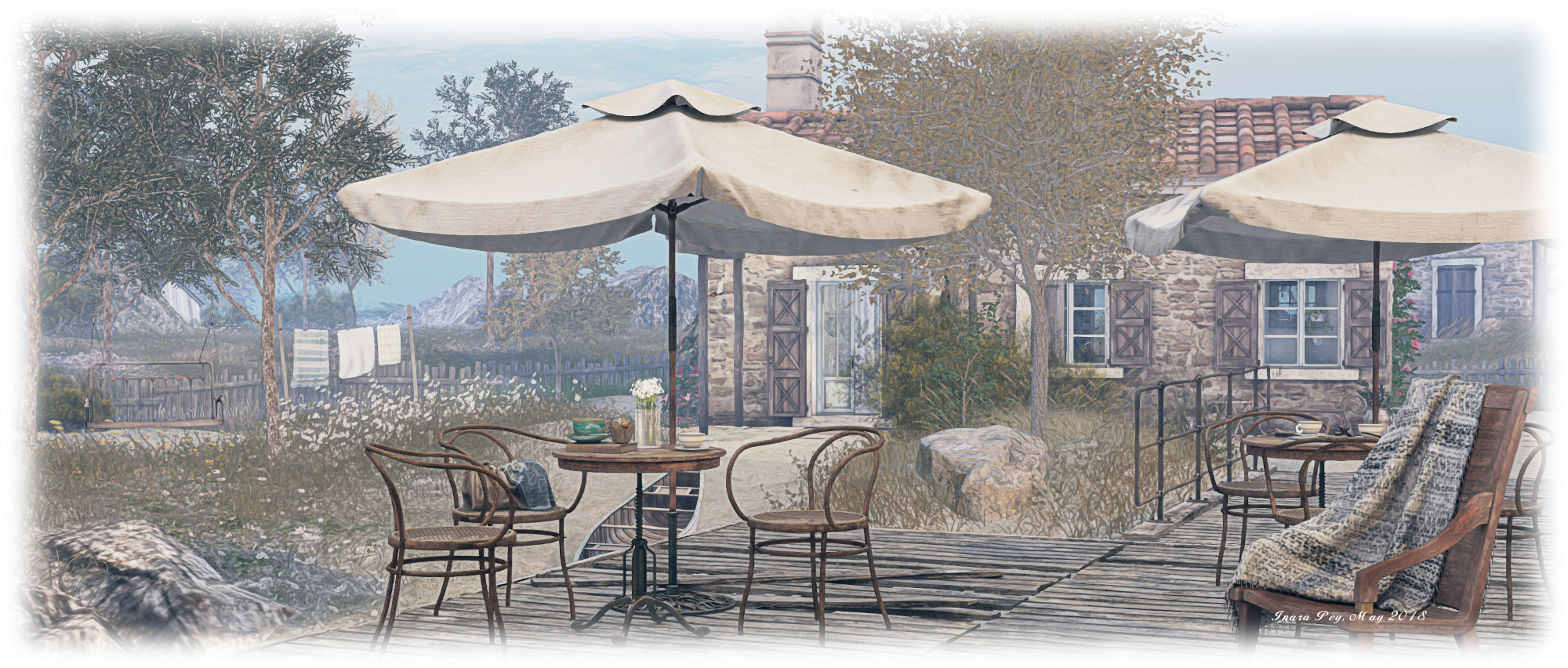
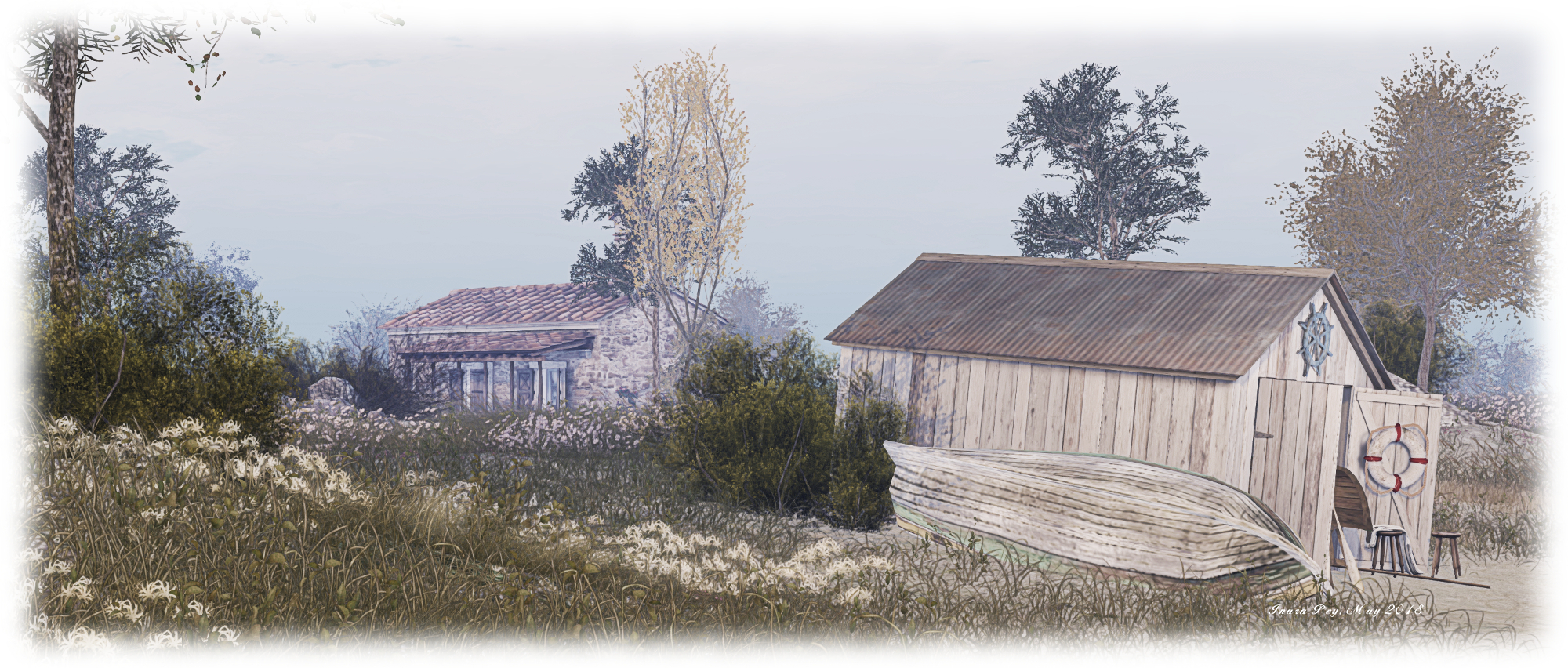
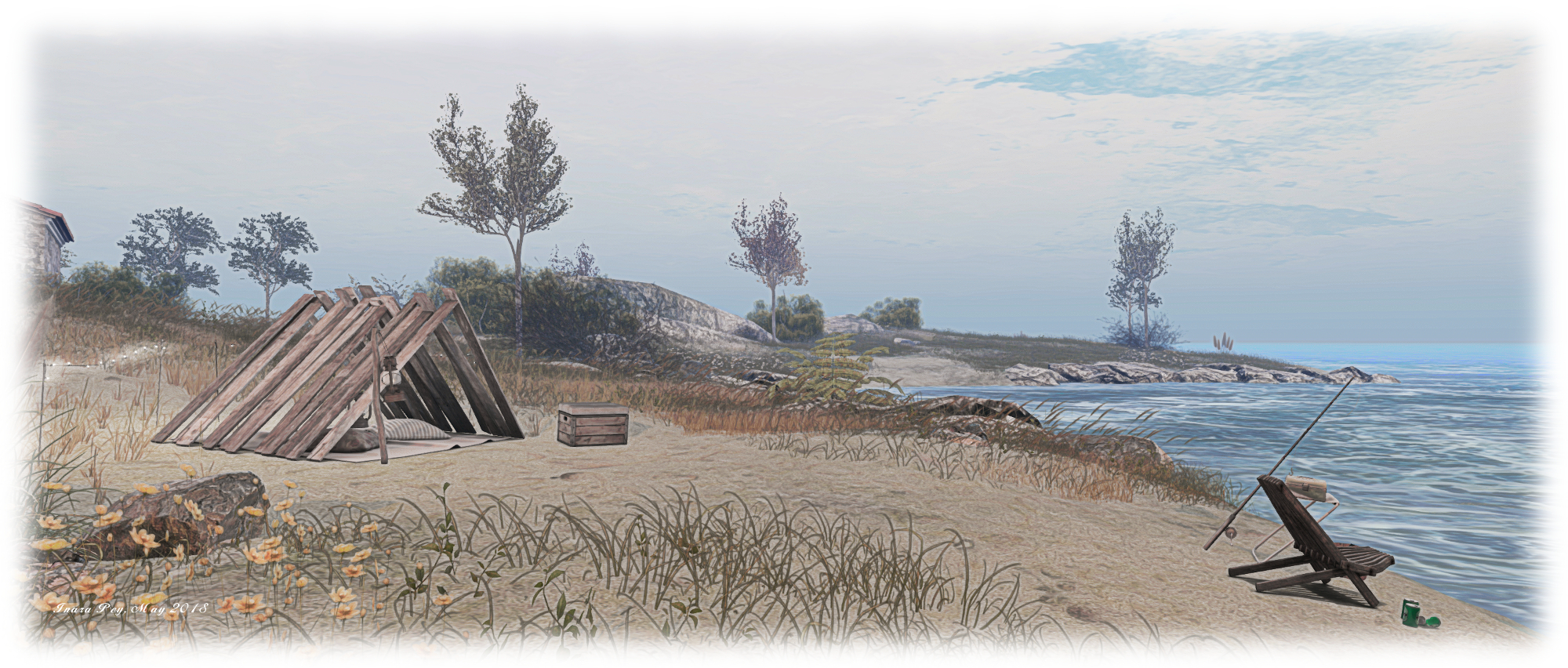
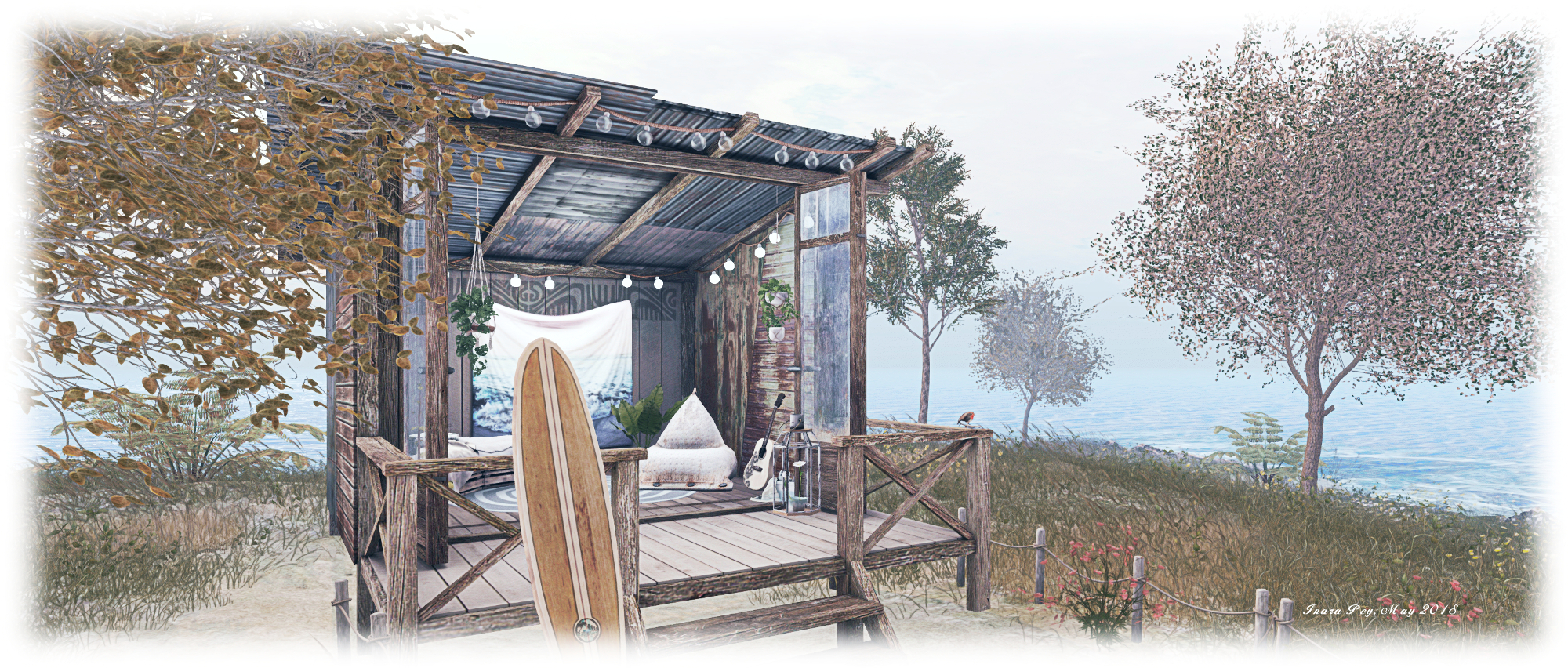
Italian Village of Ciampi, Italy; Inara Pey, May 2018, on FlickrItalian Village of Ciampi, Italy – click any image for full size

The Mainland tends to have a reputation for either being “cluttered” or “empty” – nothing but ugly builds and masses of abandoned land.

While it is true the lack of zoning on Mainland can lead to confusing jumbles of parcels and buildings running one against the next, and that it may well have tracts of abandoned land (although the latter would appear to be getting eaten into with the Mainland pricing restructure), it is also true that there are many treasures to be found across the different Mainland continents. Some of them I’ve covered in these pages, others I’m still – despite 11 years in Second Life  –  discovering.
Italian Village of Ciampi, Italy; Inara Pey, May 2018, on FlickrItalian Village of Ciampi, Italy

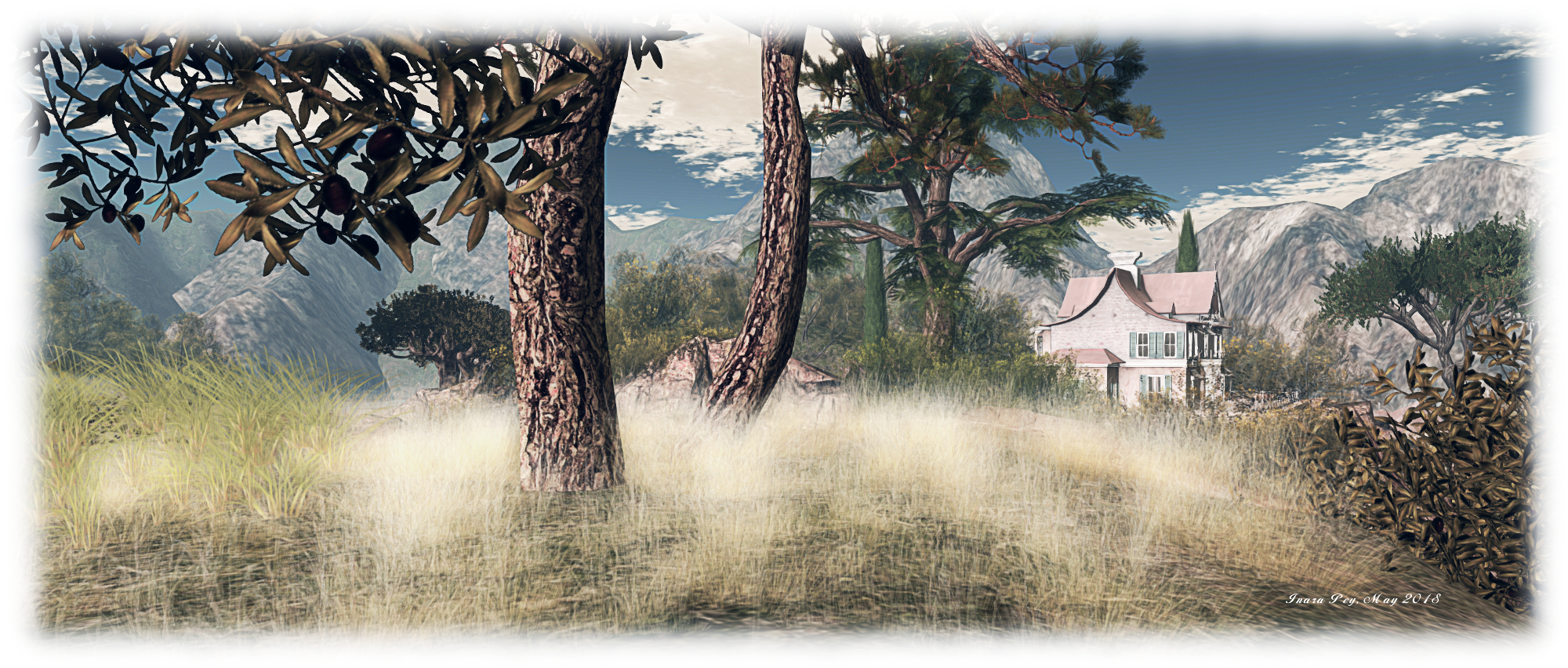
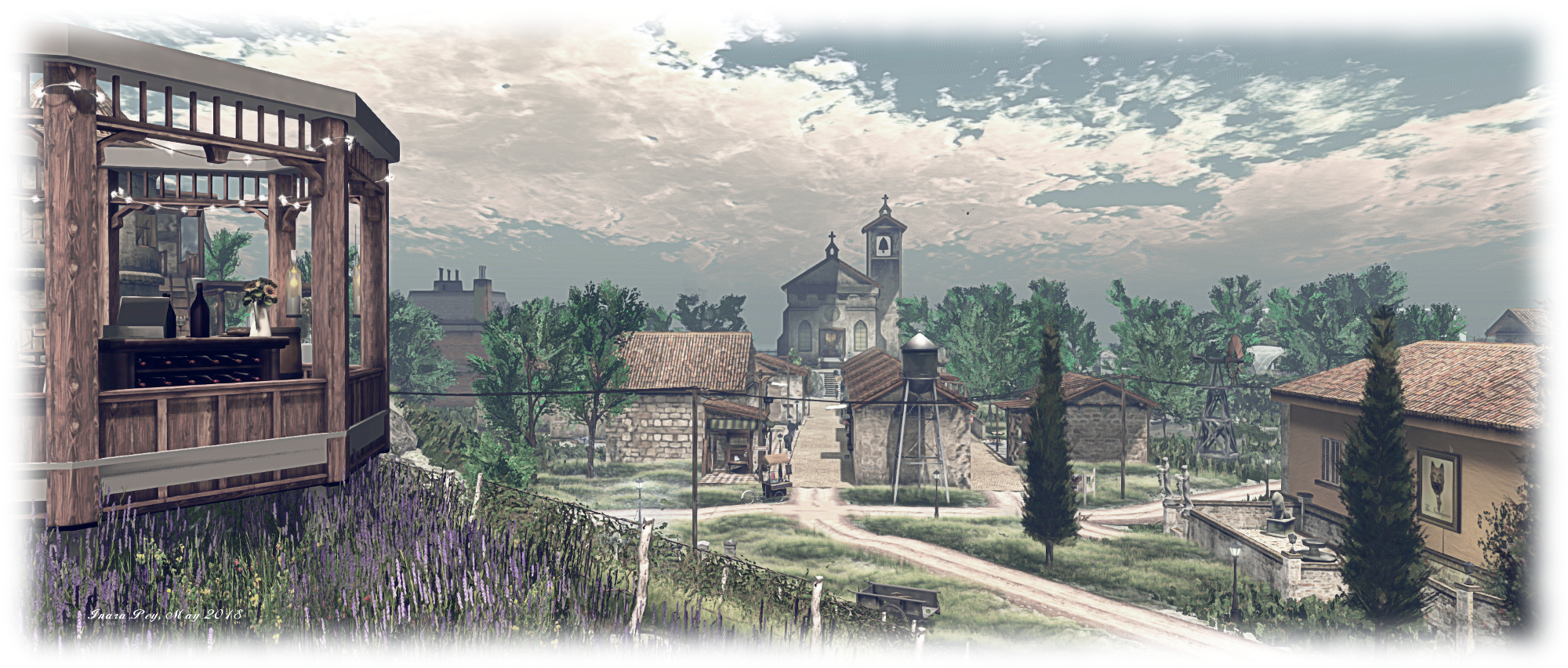
One such place Caitlyn and I found a few months ago, and which has been waiting a blog post in the Italian Village of Ciampi, Italy. Located within the western extent of Heterocera, this is a combination of public spaces and private rental residences operated by Viggen Petofi (MasterViggen).

As the name suggests, this is a location themed after a countryside Italian village. If you want to reach it by road, it sits just off the western end of the continent’s road system shortly before it reaches the coast and turns north. For those teleporting into the village, the landing point is located in the main public area of the village, near the foot of the steps leading up to the local church on the south side of the region in which the village sits.
Italian Village of Ciampi, Italy; Inara Pey, May 2018, on FlickrItalian Village of Ciampi, Italy

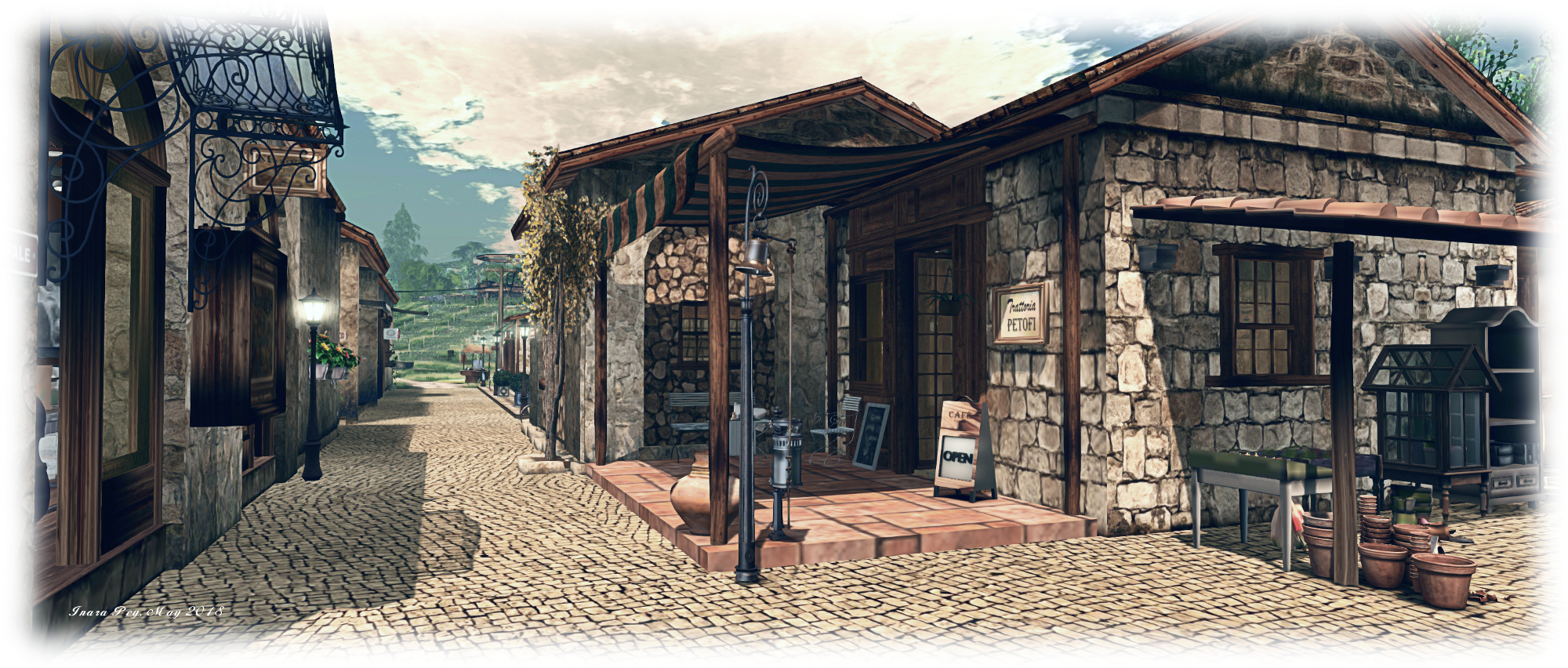
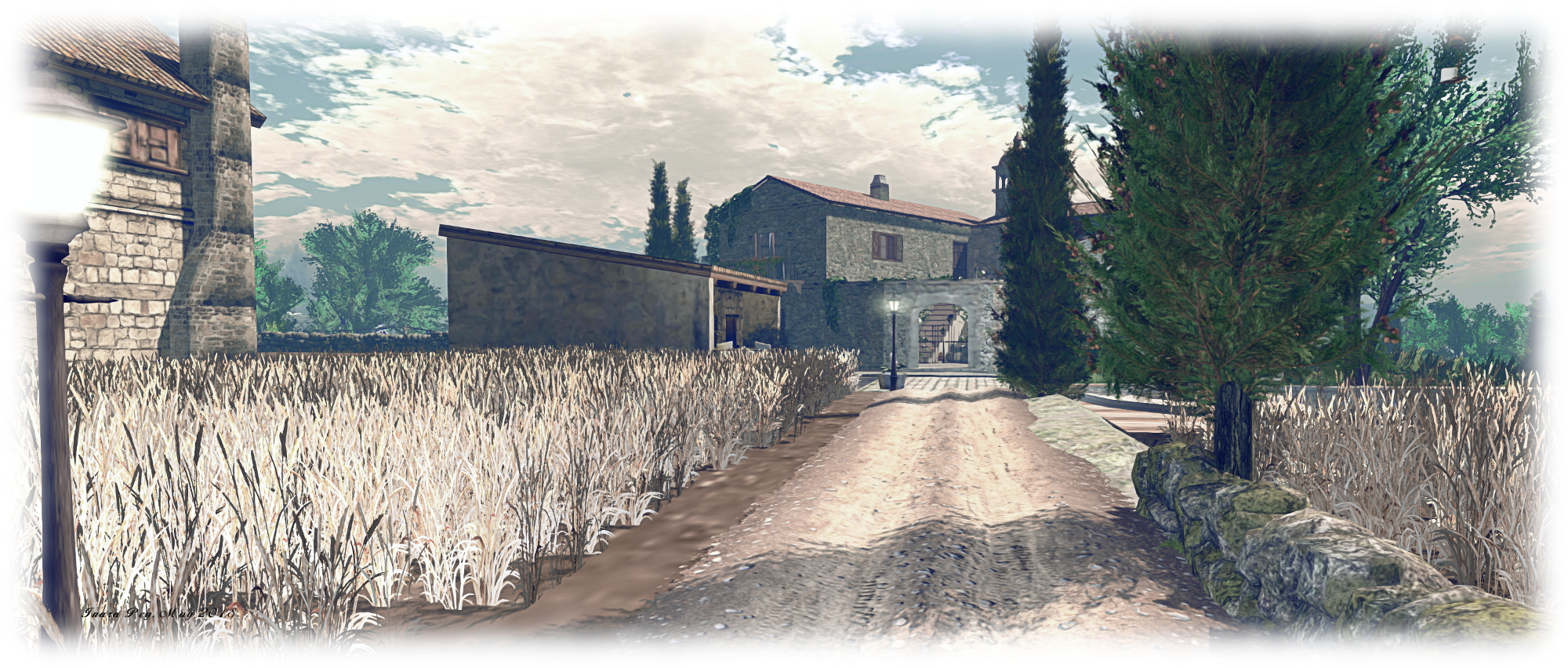
From here visitors can wander among the little stores and cafés, pay a visit to the church or spend time alongside the village pond or exploring the village farm. Dirt tracks lead away from this public area in several directions. Along these can be found the private rental properties of the estate – so please do regard resident’s privacy when exploring.  These house come in a number of different sizes, and those interested in renting one might be able to do so via the village office. This is located across the continent’s cobbled road to the south, within a riverside group of shops.

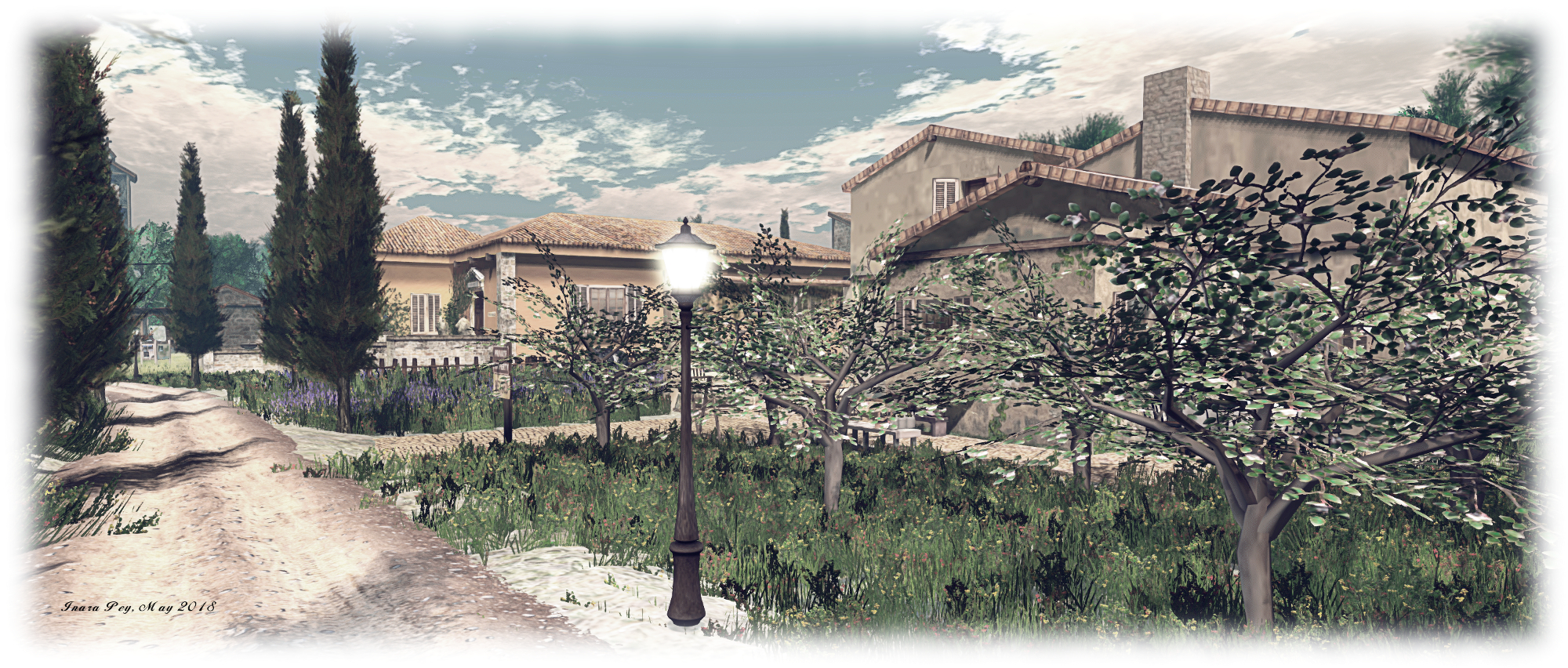
Devoid of visible skyboxes overhead, with plenty of opens spaces which help to give the setting a rural feel, the Italian Village of Ciampi, Italy, offers a relaxing, pleasing visit for those looking for something a little different on the Mainland. It also offers assorted opportunities for photographs, and for Mainland explorers a pleasure stop along the road.
Italian Village of Ciampi, Italy; Inara Pey, May 2018, on FlickrItalian Village of Ciampi, Italy

SLurl Details

A Butterfly Beach in Second Life

Butterfly Beach; Inara Pey, May 2018, on FlickrButterfly Beach – click any image for full size

Updated May 23rd: to include information on the donation box for the region.

Miro Collas dropped me a tweet suggesting Caitlyn and I take a look at Butterfly Beach,  a Homestead region that recently opened to the public. The region has been designed by (the always delightfully named) Funky Banana (FunkyBananas) working with Lien Lowe. Funky was also responsible for Banana Bay, which we enjoyed visiting in the summer of 2017.

Butterfly Beach shares something of a common heritage with Banana Bay: both offer sunny, sandy beaches, a feeling of getting away from it all and an opportunity to relax and simply spend time in thought or with someone. From the air (or the Map) it’s clear how the island came by its name, and a visit starts on what might be considered the butterfly’s upper right wing (actually down towards the south-east corner of the region in terms of Map orientation).

Butterfly Beach; Inara Pey, May 2018, on FlickrButterfly Beach

First impressions on arriving is that this could be a small vacation island just off the coast of Italy or perhaps in the Aegean, available to those who want to escape the every day demands of life. A lone, single-story house sits towards the centre of the island, looking to the west and east. Tuscan in style, it shares the low-lying island with a scattering of outhouses: a small stone-built barn, a wooden boathouse and a small beach house, also built from wood.

A wooden deck extends eastward out over the sea a short distance from the house. The fencing around the house seems to lay claim to the deck such that it is easy to imagine wandering across the sand from the house to enjoy breakfast on the deck as the Sun eases its way higher over the eastern horizon.

Butterfly Beach; Inara Pey, May 2018, on FlickrButterfly Beach

As might be gathered from the name of the region, beaches are very much the feature of the island. However, rather than offering a single contiguous stretch of coastal sands running around the island, Funky and lien have carefully used small outcrops of rocks and runs of rough grass dotted with bushes to break the island’s sands into a number of discrete – and entirely natural looking – sandy headlands and small, curving coves.

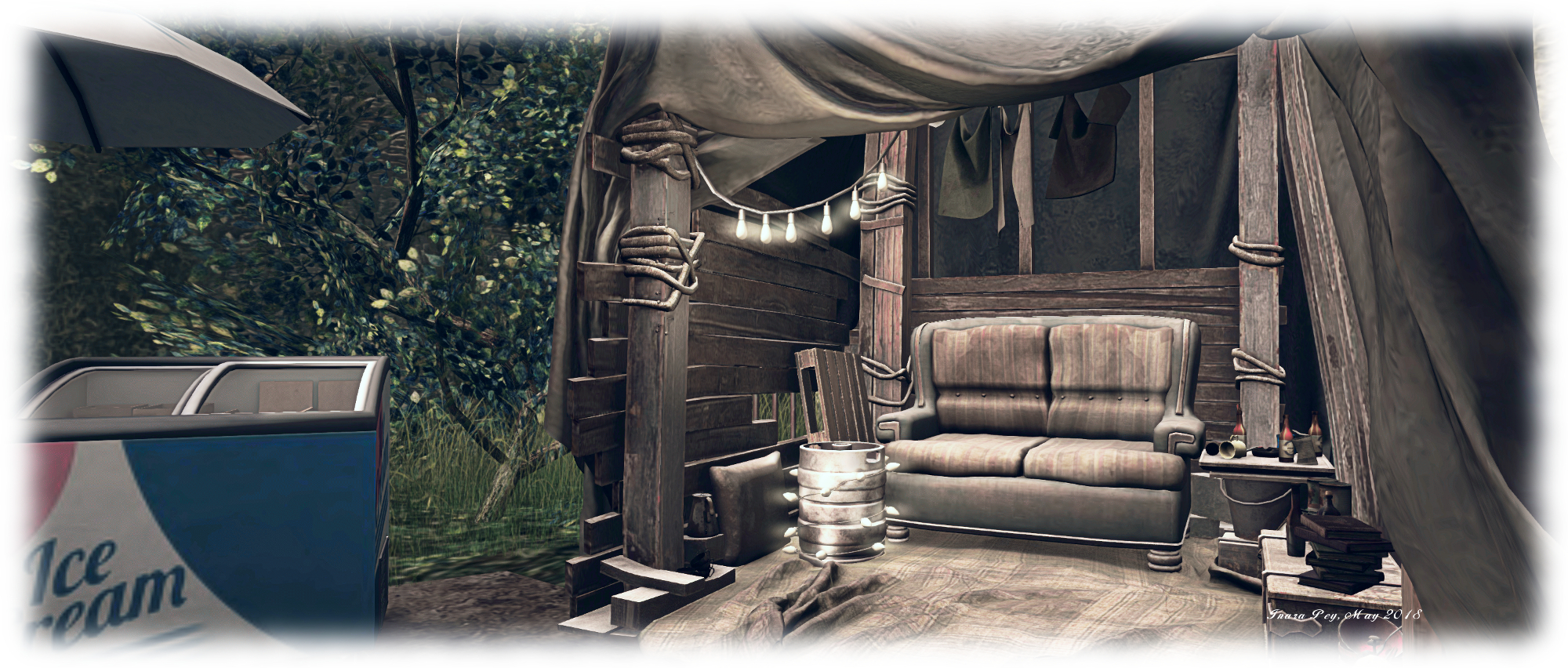
Each of these little beaches has its own attraction, be it a simple blanket laid out on the sand or deck chairs under a parasol, through to a tent or makeshift shelter, all the way to the simply but cosily furnished beach house. Rowing boats and kayaks are drawn up on the sand or undergoing a repaint in the boat shed, swings hang from trees and wooden benches can be found amidst the grass. All of this gives the island an additional attraction and encourages time spent just wandering and appreciating, as well as in sitting and enjoying the setting.

Butterfly Beach; Inara Pey, May 2018, on FlickrButterfly Beach

Restful, set beneath an early morning’s summer sky and very photogenic, Butterfly Island is well worth a visit. If you do take photos, there is an open invitation to share them through the region’s Flickr group. A donations “box” in the form of a butterfly can be found near the landing point – so if you enjoy your visit,, do please consider making a donation towards the region’s continued upkeep.

Thanks again to Miro for the pointer, and to chericolette (see her comment below) for the pointer to the donation box, which I’d missed during my two visits to the region!

SLurl Details

Exploring ONI Zen in Second Life

ONI Zen; Inara Pey, May 2018, on FlickrONI Zen – click any image for full size

ONI Zen is a new adult / BDSM-oriented region within Second Life aimed at offering those with an interest / genuine curiosity about the BDSM lifestyle. It’s a subject that may not be to everyone’s interest or liking, so if this is the case, you might want to skip this article; but keep in mind specific adult activities are confined to specific areas of the region – such as the dungeon area and skyboxes – rather than being on public display.

However, before we get into the region itself, a few words on a couple of things.

There is a tendency in Second life – and the world as a whole – for the uninitiated to view BDSM (bondage, discipline, sadism and masochism) and D/s (Dominance and submission) as being one in the same – and that both are closely linked with sex. The truth is, they are not; although they can be intertwined. In terms  of D/s and BDSM, for example, D/s is about the psychological exchange of power – a control dynamic, if you will – within a relationship. This may – or equally may not – involve practices such as bondage and / or s/m play. It also may, or may not, extended into the bedroom.

ONI Zen; Inara Pey, May 2018, on FlickrONI Zen

BDSM is, as the initials suggest, about whips, and chains, and bondage, and pain – although it doesn’t have to encompass all of these elements. Speaking broadly, it is much more about the practice; the kinky stuff, if you will. As such, it is possible to practice BDSM without necessarily being in a D/s relationship: couples can simply take on different roles without identifying with a deeper power dynamic. Nor need BDSM necessarily involve sex.

ONI Zen, according to its introductory note card, exists to encourage those engaging in BDSM to do so from more of a “lifestyle” perspective. In this, I would suggest the philosophy behind the region might also encompass D/s – particularly as the introduction note card seeks to emphasise the idea of the control dynamic, differentiating it from the view that BDSM = kinky sex play.

ONI Zen; Inara Pey, May 2018, on FlickrONI Zen

To this end, ONI Zen offers, among its many facilities, a Lifestyle Academy, where those interested in understanding more about BDSM as it might be seen within a broader context than “kinky sex” can do so. Also on offer is an events area, a games centre, and entrainment space, a subterranean dungeon, a general discussion area, a ceremonial area, all joined together by open spaces and paths to wander and explore.

Given the nature of the region, care should be taken in visiting, as it is possible to come across adult activities. Any causal visitor should certainly read the region’s introduction and rules prior to proceeding from the landing point (as an aside, the introductory note card also explains how the region came by its name).

ONI Zen; Inara Pey, May 2018, on FlickrONI Zen

Leaving aside the adult nature and intent behind ONI Zen, I can say it is one of the most skilfully executed region designs I’ve come across – kudos to Buggie (Cricket Ceawlin) for this. Surrounded by mountains and split into two areas – a rugged upland area which makes up the majority of region, and a smaller, low-lying island covering the south-east portion of the region. Richly wooded, and making full use of the 30K land capacity available to Full regions, both parts of Oni Zen make extensive and skilled use of paths and trails to make them feel far larger in size than one might expect.

These paths, winding over grass, around hills, through rocks and up cliffs, can actually be a little confusing – which adds greatly to the mystery of the region when exploring. To make things easier, maps highlighting the major destinations together with teleport discs, can be found at those locations as well as the landing point. However, I really do recommend taking the time to explore on foot; the visual richness of the region is equally matched by its depth of sound scape.

ONI Zen; Inara Pey, May 2018, on FlickrONI Zen

Exploring on foot also means the opportunity to discover the more secret parts of the region – such as the swimming pool sitting behind a waterfall – or the opportunities for playing games like My Virtual Lifestyle out in the open (there are more games in the Game Hall) or to play bumper boats – or even take a swimming in the waters at the edge of the region.

Officially opening on Monday, May 21st, 2018, ONI Zen is already hosting discussions and music events – details of events can be found on the board at the landing point. When visit, and at the risk of repeating myself,  do keep in mind it is intended as a lifestyle region, rather than a place for casual SL tourism.

ONI Zen; Inara Pey, May 2018, on FlickrONI Zen – click any image for full size

SLurl Details

  • ONI Zen (Aina Kealoha, rated: Adult)

Disclosure: Will Burns (Aeonix Aeon), one of the leaders of ONI Zen is a friend.

A village called Ahiru in Second Life

Village of Ahiru; Inara Pey, May 2018, on FlickrVillage of Ahiru – click any image for full size

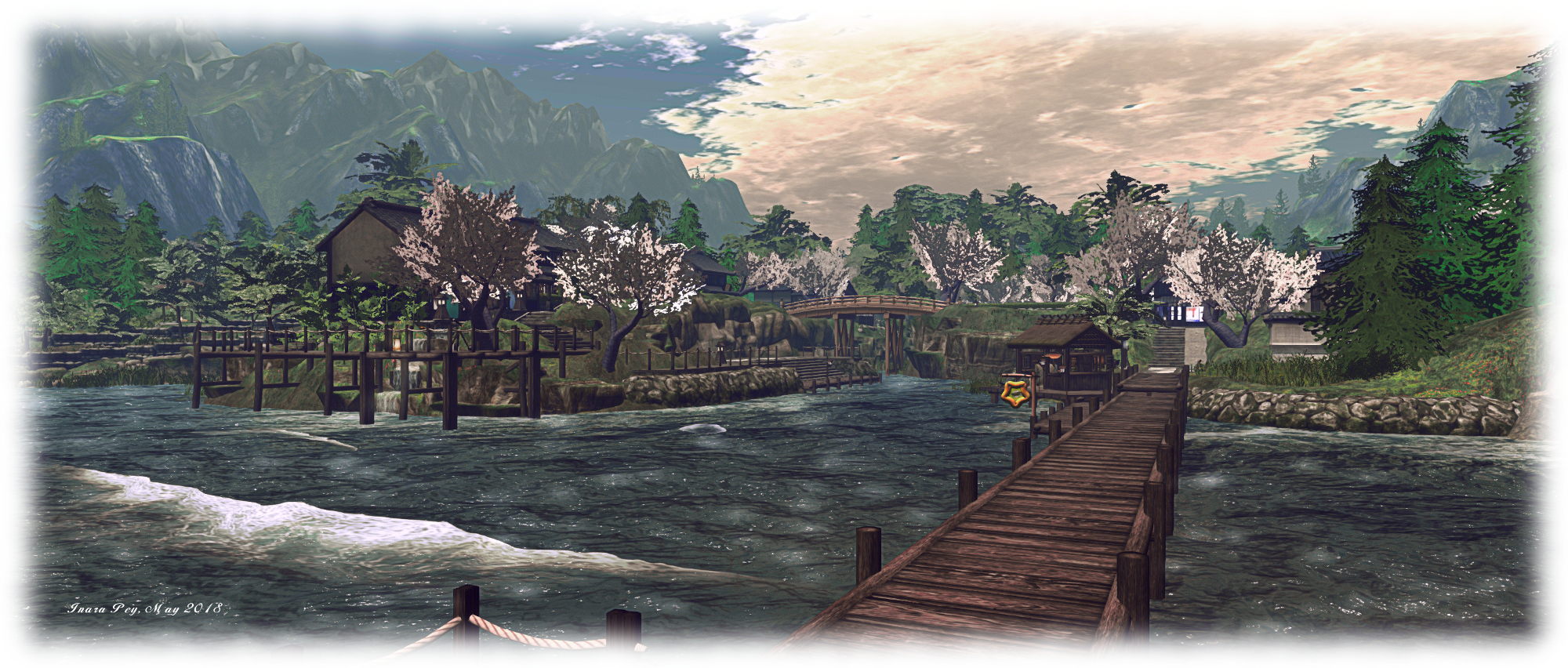
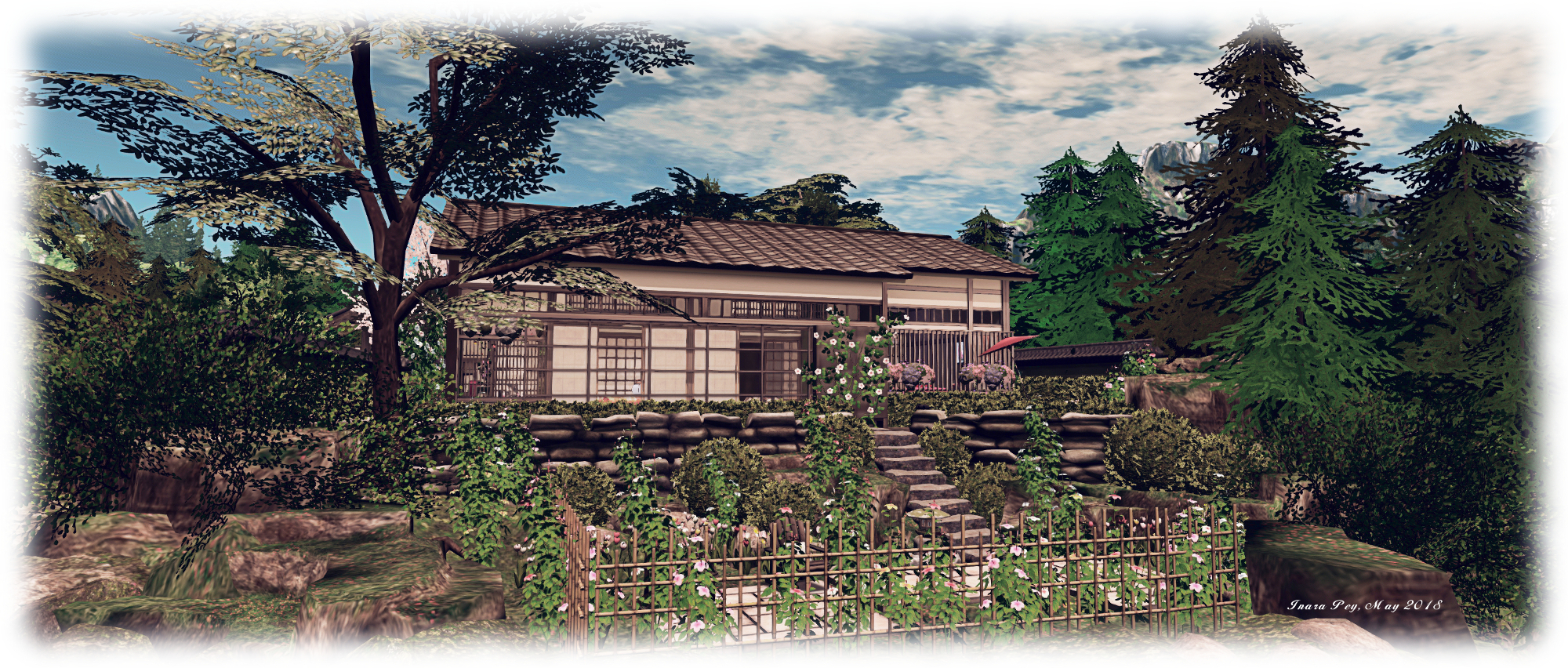
Village of Ahiru is a full region themed along Japanese  / Edo period lines (although the time frame for the region isn’t specifically the Edo period, as evidenced by things like the bicycles to be found scattered along the extensive paths and walks within the region).

The main landing point, located in the sky above the region offers an introduction to the setting, noting it is a mixed public / private location with a number of rental properties to be found within it. However, providing the privacy of those renting is respected, visitors and photography are both welcome, and for those wanting to get a little more in character, two vendors at the landing point offer free female and male kimonos.

Village of Ahiru; Inara Pey, May 2018, on FlickrVillage of Ahiru

Ground level is reached via a map teleport board. This lists all of the public areas, and denotes the rental properties – the majority of which are located to the east of the region, with a few more located on the southern coastline. The large rentals are surrounded by walls guarding their inner gardens / courtyards, and smaller properties can be identified by the “mailbox” rent boxes on their walls.

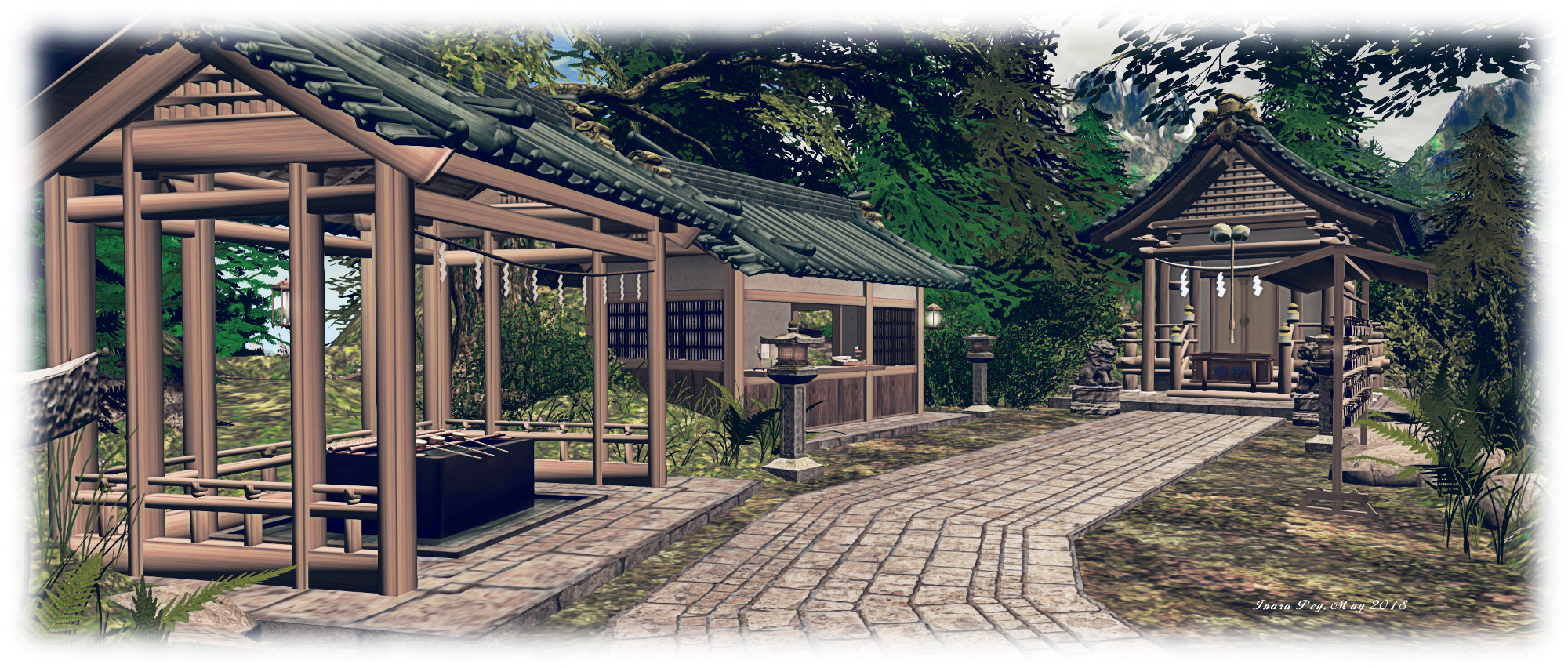
At ground level, the region is split into two land masses by a narrow river. Public areas straddle both of these islands, so decided on where to start a visit is open to choice. However, having spent time wandering through the village, I’d recommend the shrine on the south island or the Onsen or theatre on the north island as being good starting points; they are all public places, and offer good map reference points when making your way around the region.

Village of Ahiru; Inara Pey, May 2018, on FlickrVillage of Ahiru

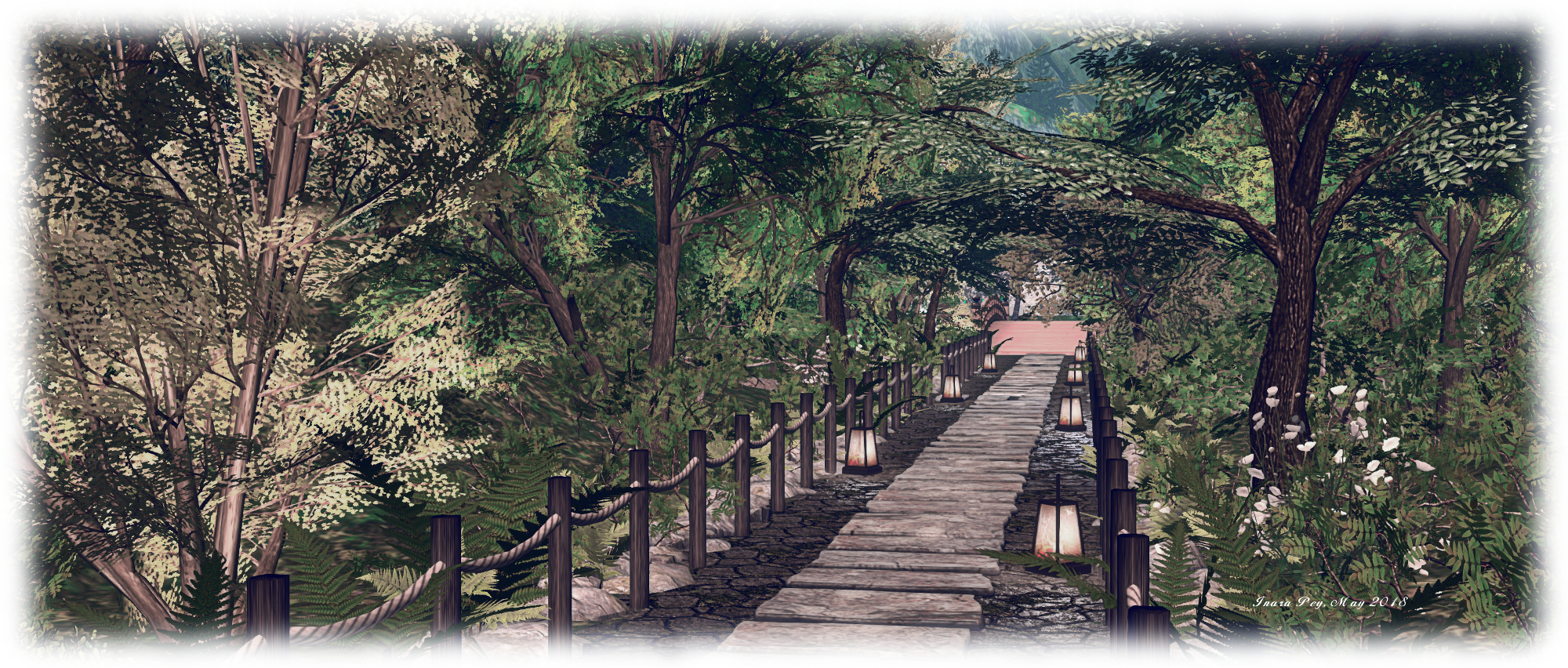
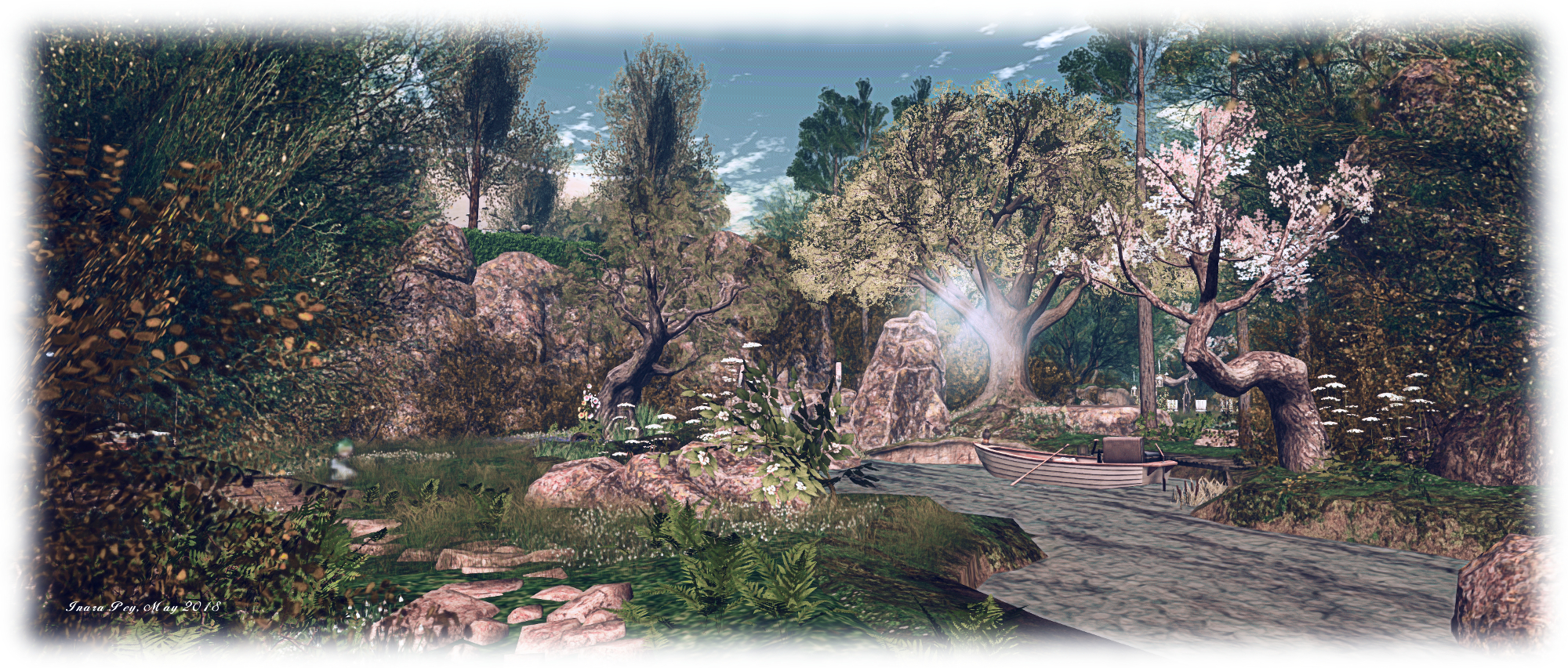
Richly wooded, Village of Ahiru also has a veritable web of paths and trails running around and through it.  Climbing and descending over stairs and steps, winding around hills, passing under the arched canopies of trees, some of these paths are paved, some form grass tracks and others are marked by stepping-stones or look like cinder tracks. The thing that the have most in common is that they form a complete network which, as you follow it as paths cross and divide, serves to make Village of Ahiru feel a lot larger than the usual 256 metres on a side region.

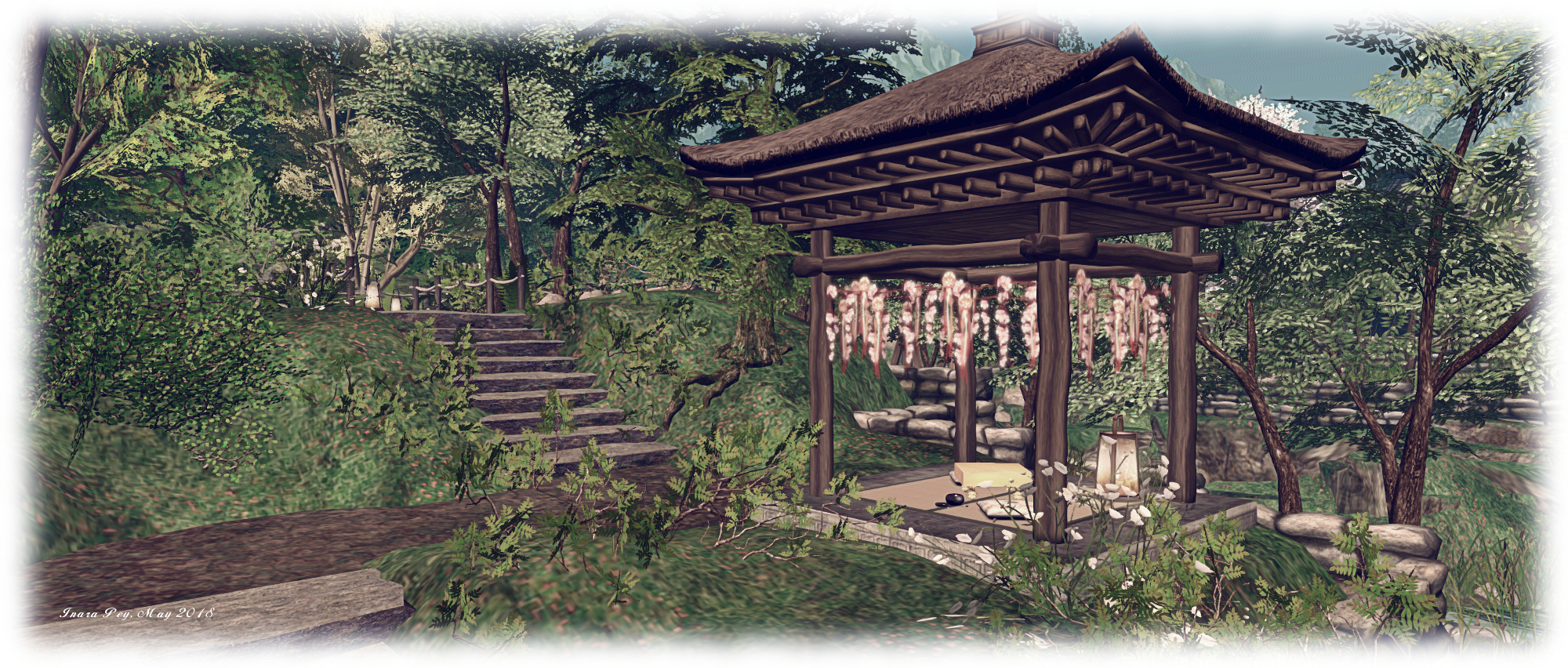
From the grand bulk of the Theatre, visitors can head south along an arrow-straight avenue to one of the bridges spanning the river. Branching from this to the right (west) and east (left) are paths leading to other points of interest: a wild garden with standing stones, a more formal garden area with pavilions, a little waterfall spanned by another little bridge and opportunities to relax.

Village of Ahiru; Inara Pey, May 2018, on FlickrVillage of Ahiru

To the left from the theatre avenue, stone steps offers a way to the ochaya (tea house) located on one of the region’s two high points. Or if you prefer, you can follow the path around the hill on which the tea house sits and find your way to the impressive Osen, with heated and cold water pools for bathing. With waters following past its entrance from water falls, this is perhaps the centrepiece of the region, and another point at which a teleport map board can be found for those wishing to hop between locations. The second high point for the region is located on the southern island. It is home to the region’s shrine and overlooks the rental properties to the east and south, the base of the hill again surrounded by paths.

Other highlights within the region include a small commercial shopping area, a children’s playground nestled under the trees, and several lookout points such as the waterside hangout – and perhaps one or more places to discover. “As usual, my areas have a couple places hidden away,” principal designer Hatsumomo (Yasyn Azemus) informed me during our visit. I’m not going to give these all away, but I did enjoy discovering the Café Grotto.

Village of Ahiru; Inara Pey, May 2018, on FlickrVillage of Ahiru

Surrounded by mountains, rich in flora and trees, and laid out in such a way to give the impression of far more space than the region might otherwise suggest, Village of Ahiru makes for an engaging visit with plenty to see and discover while exploring.

SLurl Details

A Mediterranean Soul2Soul in Second Life

Soul2Soul Med; Inara Pey, May 2018, on FlickrSoul2Soul Med – click any image for full size

In February 2018, I wrote about a visit we made to two Homestead regions designed by Minnie Blanco (Minnie Atlass): Soul2Soul River and Soul2Soul Bay (see here for more). While I’m somewhat hesitant about blogging regions that are intended for rental purposes, but both Soul2Soul River and Soul2Soul Bay were so beautifully designed and offered sufficient public spaces, I felt comfortable in writing about them.

Since then, Minnie has added a third region to her group, Soul2Soul Med. As the name implies, this homestead region has something of a Mediterranean theme to it. Once again, the region in part offers properties for rent to those looking for a home; although at the time of our visit there were only three such properties on the region, leaving the greater part of it open to public exploration.

Soul2Soul Med; Inara Pey, May 2018, on FlickrSoul2Soul Med – click any image for full size

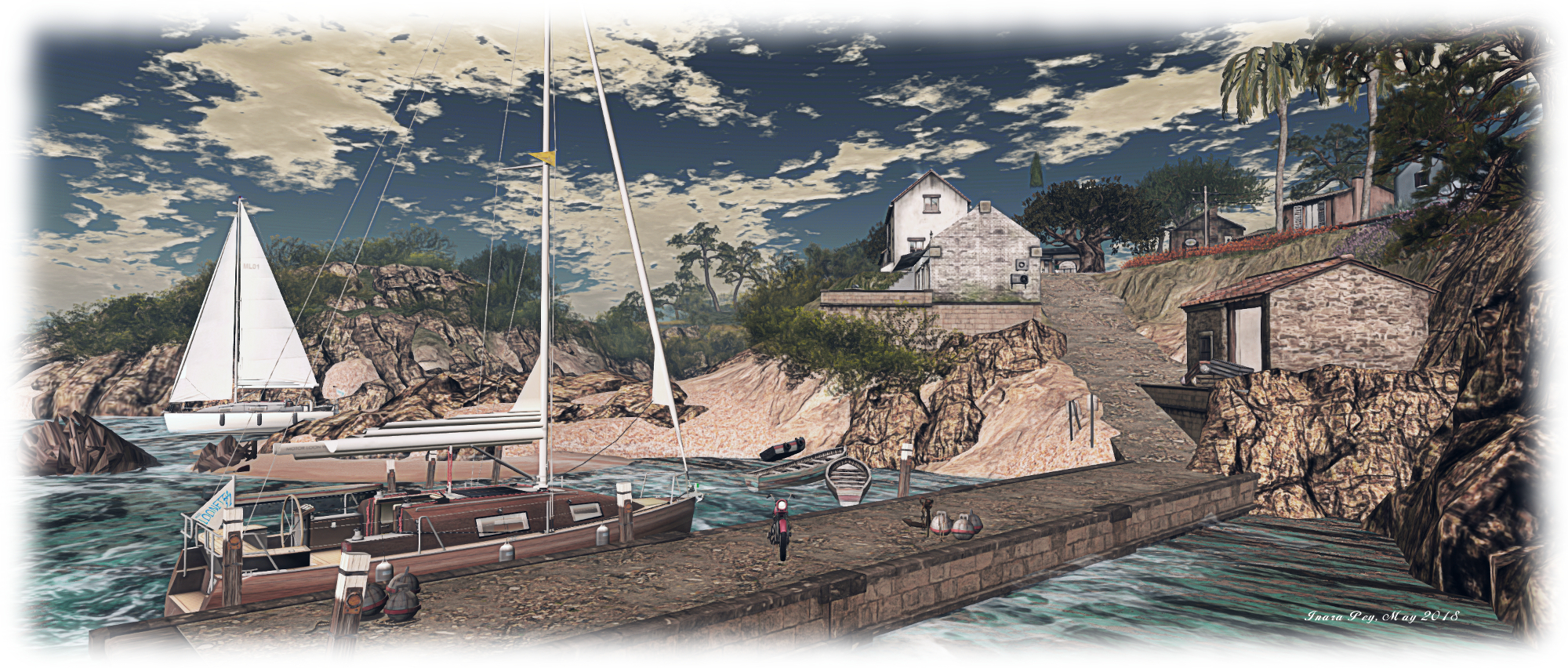
Visitors arrive on the southern most of the two island the regions has been split into. This points roughly south-west to north-east, a rocky shoulder of land on which is perched a little hamlet sitting above a beach and pier for boat moorings. Gaily painted houses run along the upper street, although the paint on some of them is showing signs of fading under the bright Sun. Cars are parked along the little street, flowers are in full bloom, while the café half-way down the slope to the beach presents a welcome rest-stop from explorations.

A second rocky island crosses the first to the north, forming a “t” to its base. A narrow channel separates the two islands, turning south to run between them to the east, a single bridge spanning it.

Soul2Soul Med; Inara Pey, May 2018, on FlickrSoul2Soul Med – click any image for full size

This northern island is given over to the rental properties.  All three are spread far enough apart to offer those renting them a fair amount of privacy, while roads leading from each of them come together before the bridge, offering a direct connection with the little hamlet on the southern island.

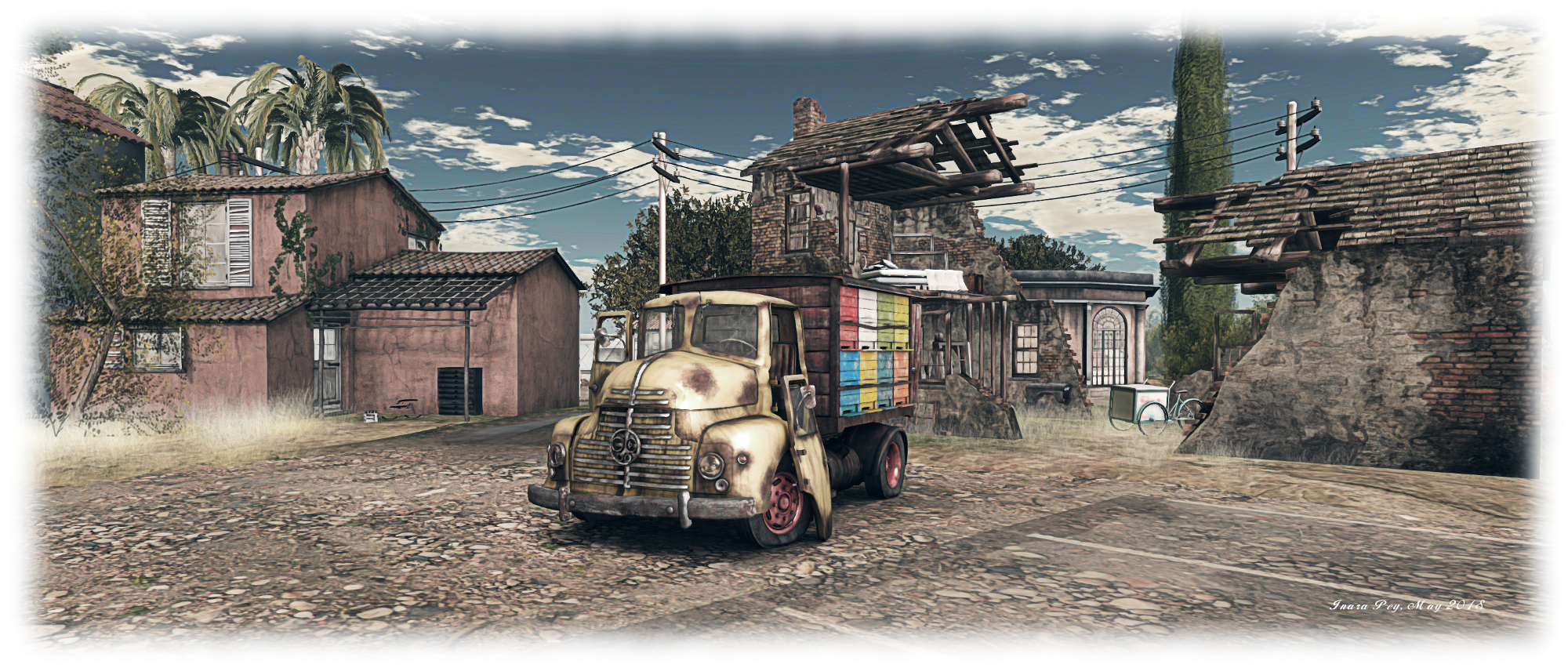
There’s a feeling of life that has been added to the region: boats are moored down on the water; bicycles and vehicles are scattered around, and a couple of maintenance chaps are performing repairs here and there. Meanwhile, and on the edge of town is the ruin of a house where a group of mannequins appear to have set-up home, complete with a bed on the upper floor and a broken-down truck parked out back. It’s a further quirky addition that gives the region additional atmosphere and depth.

Soul2Soul Med; Inara Pey, May 2018, on FlickrSoul2Soul Med – click any image for full size

With its rugged, coastal look, mixed flora, hilltop hamlet and surrounding hills, Soul2Soul Med is delightfully picturesque, and matches both Soul2Soul River and Soul2Soul Bay in the level of detail and styling put into the region. For those looking for somewhere to live, the rental parcels are well placed and offer a lot of room. For those looking for a place to explore – remembering that there are private residences on one of the islands – and take photographs, Soul2Soul Med offers an ideal destination.

SLurl Details

A Little Bit of Soul in Second Life

A Little Bit of Soul; Inara Pey, May 2018, on FlickrA Little Bit of Soul – click any image for full size

Update: A Little Bit of Soul is now closed, and SLurl links have been removed from this article.

Occupying one half of a Full region, A Little Bit of Soul is group design offering a huge amount to see and explore.  Running from west to east across the region, it presents what might be seen as a build in three parts, all of which flow together to offer a unifies setting.

At the western end is a built-up area which encloses the landing point. Split into two parts, it encloses the landing point within a plaza-like square surrounded by boutique-style businesses, some of which have town style houses built above them. Footpaths run around the shops on two sides, one of which forms a small road lined with more shop fronts with living spaces over them, while the other offers a way to a waterfront area.

A Little Bit of Soul; Inara Pey, May 2018, on FlickrA Little Bit of Soul

This small precinct offers a pristine setting: shop fronts are freshly painted, balconies are lined with potted plants, and trees and hedges are neatly trimmed. A small metal gazebo sits towards the middle of the square, a harpsichord, guitar and drum set forming a curious setting for a trio of musicians. All-in-all, there is a strong European cosmopolitan air within this part of the parcel.

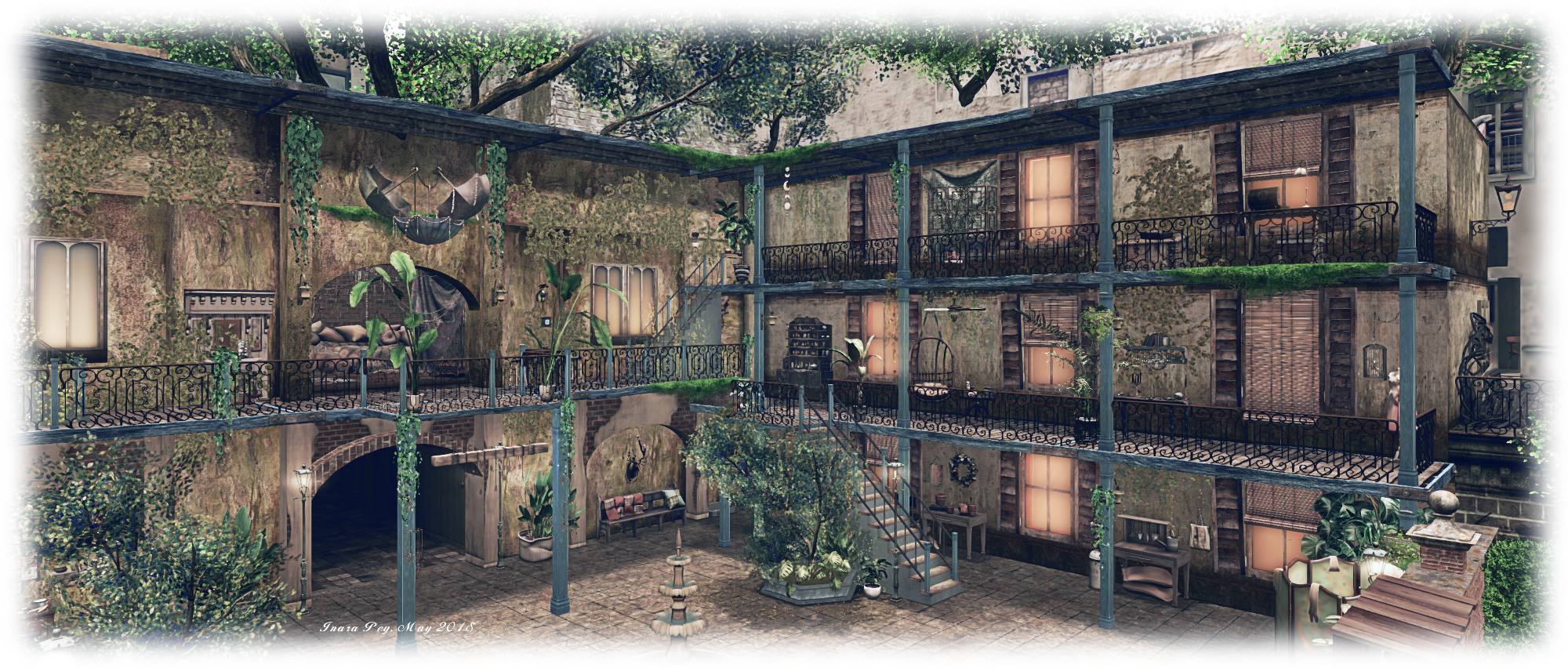
Walk westward across the plaza from the landing point, and you’ll find a narrow set of steps lead up to the second half of this built-up area. This is altogether more run-down in tone – and becomes progressively more so as you explore. It is reached via two pairs of doors at the top of the steps leading up from plaza, which open onto another square surrounded on three sides by what might at first glance appear to be small apartments or perhaps hotel rooms, windows lit. With its hanging ivy, open verandahs in cast iron, and open courtyard, this area has something of an old New Orleans feel to it.

A Little Bit of Soul; Inara Pey, May 2018, on FlickrA Little Bit of Soul

With the exception of a first floor room sitting over an arched entrance leading out of the square, the “rooms” of this hotel / apartment setting are actually false, and demonstrate a clever use of space on the part of the designer here, Megan Prumier. Pass through the archway and take the ramp or steps on its other side, and you’ll find the “rooms” of the hotel / apartment house have become the frontage for run-down stores facing out onto little streets.

This raised area offers a collection of footpaths and open spaces set with tables and chairs, market stalls and other bric-a-brac and general detritus, all set amidst the shells of ruined buildings. The entire area exuding an aged feel, with more shells of ruined buildings sitting off-shore, rising above tall walls to give the parcel an added sense of depth.

A Little Bit of Soul; Inara Pey, May 2018, on FlickrA Little Bit of Soul

Travel east from the landing point, under an archway between two stores, and you’ll come to the second element in the parcel’s design. The first part of this area is a small chapel and churchyard, again put together by Megan, caught under a steady downfall of rain. Beyond this, under a further archway, sits a much smaller group of shops, bordered on both sides by woodlands, the southern of which has paths and trails running through it, as well as places to sit – or bathe.

Designed by Xange Madrigal, this area flows seamlessly into the surrounding woodlands and the surrounding rugged countryside. A small body of water can be found here, together with a raised terrace with seating while more paths lead the way to hidden gems of areas, simple wooden bridges crossing the water where necessary to encourage explorers onwards.

A Little Bit of Soul; Inara Pey, May 2018, on FlickrA Little Bit of Soul

And still there is more: the eastern end of the region offers more woodland, copses, trails, an outdoor space for weddings or other celebrations, a waterfront  a sauna deck and gazebo looking out over offshore islands which again add further depth to the parcel, and a cabin-style home. These have all been brought together by several more contributors to the region – although I’m not entirely sure if the cabin is intended to be open to the public at large, so please keep this in mind when visiting.

Throughout my visits, A Little Bit of Soul was caught under a twilight sky, and while this works, I would suggest it limits the appreciation of the beauty of the parcel, which far more comes to life under a daylight setting. However, I strongly recommend seeing the setting under both its intended windlight (Bryn Oh’s Mayfly) and a good daylight setting: A Little Bit of Soul is a marvellous setting, well deserving of a visit.

A Little Bit of Soul; Inara Pey, May 2018, on FlickrA Little Bit of Soul

With thanks toy Shakespeare (SkinnyNilla).