Le Avaline Village in Second Life

Le Avaline Village; Inara Pey, August 2015, on FlickrLe Avaline Village August 2015 (Flickr)

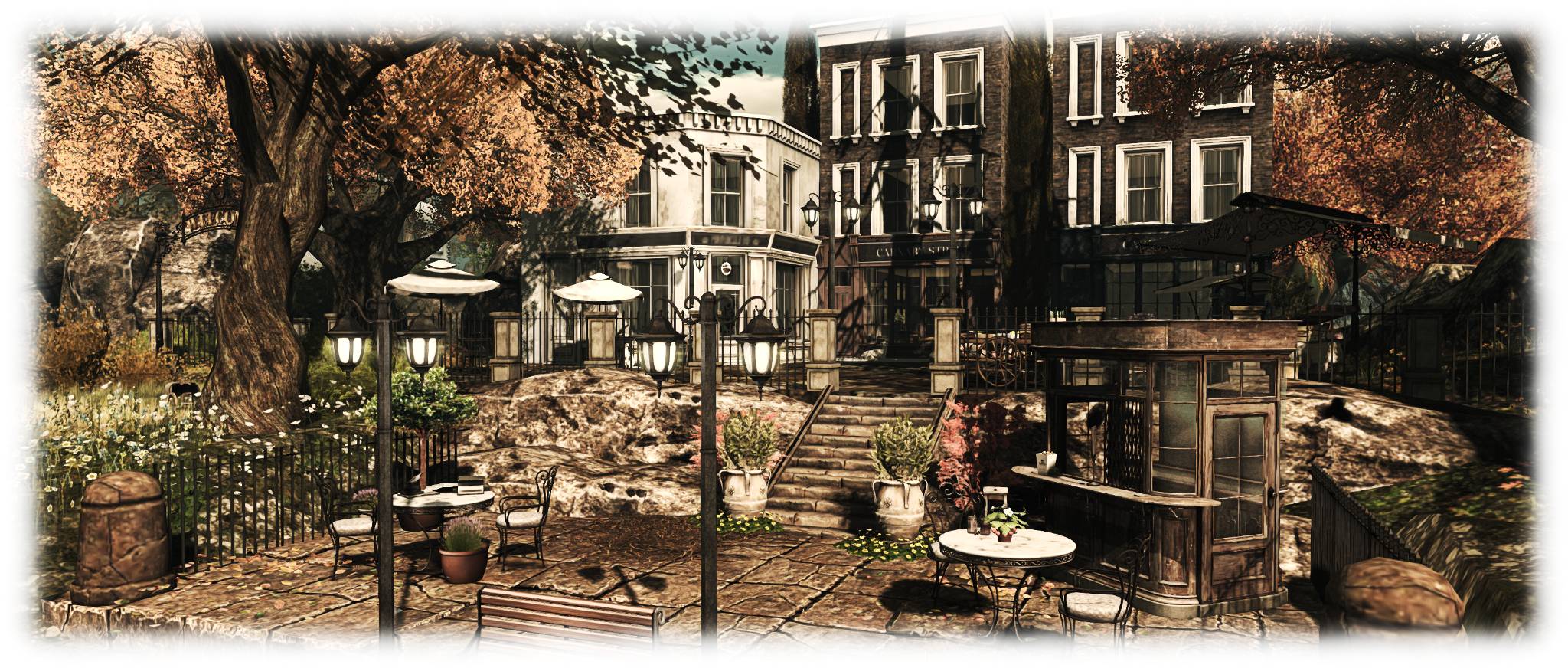
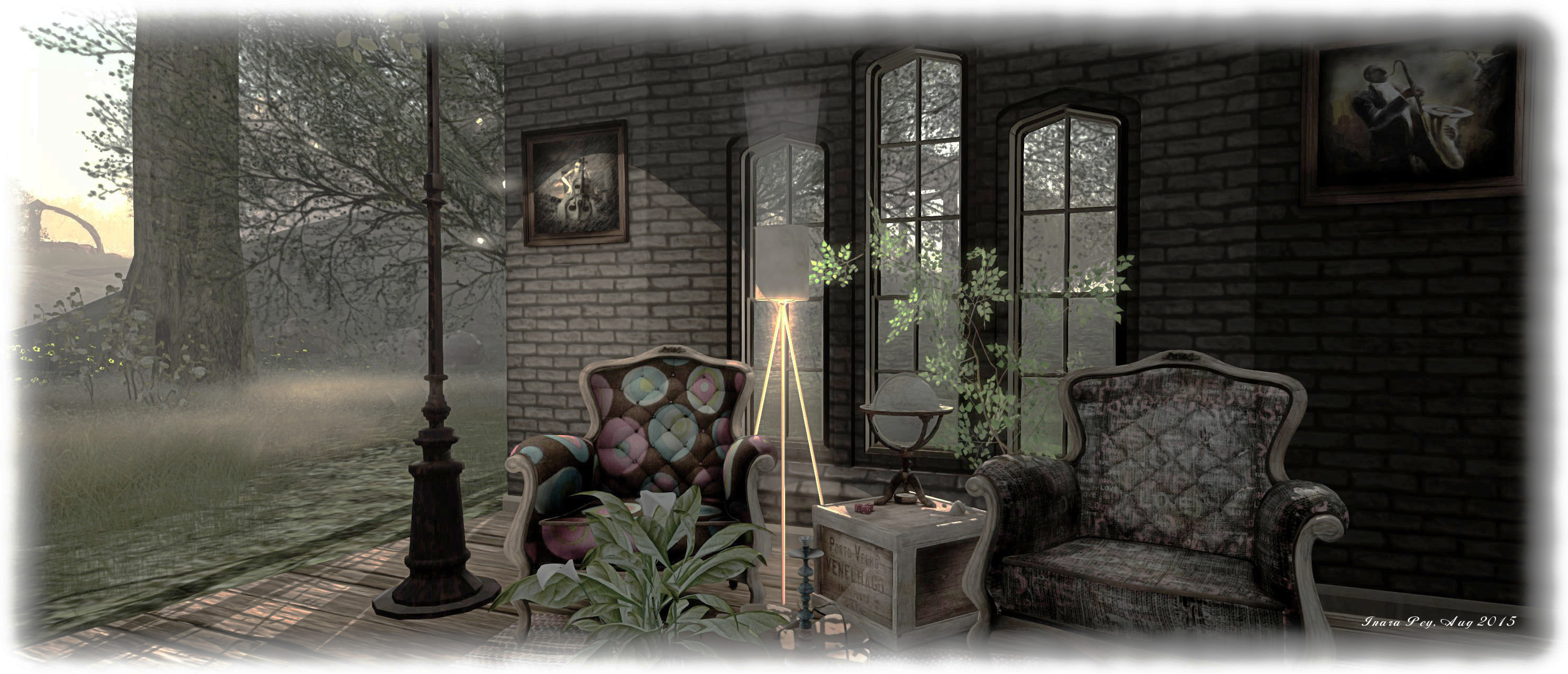
Le Avaline Village is a full sim residential / photographic region designed by Shyne Autumn Meadow (Shyne Button) which seems to blend together a number of influences to produce and interesting rural / coastal environment with just a tiny hint of an urban centre.

Cam out over the water a little from the landing point, looking towards the  group of brick shops and their terraced courtyard, and you might catch a hint of Amsterdam or Rotterdam, the buildings and water suggesting a canal front scene. But walk a short distance way and you’re in altogether more rural and more rugged terrain, the landscape broken up by water which doesn’t quite do enough to create any individual islands, and which is easily crossed by bridges here and there.

Le Avaline Village; Inara Pey, August 2015, on FlickrLe Avaline Village August 2015 (Flickr)

Much of this landscape is elevated  – although not too greatly – by rocky uplands and plateaus upon which houses sit, each within their own grounds. When exploring, do keep in mind that some of these are rented out as private homes, so please be mindful not to invade anyone’s privacy.

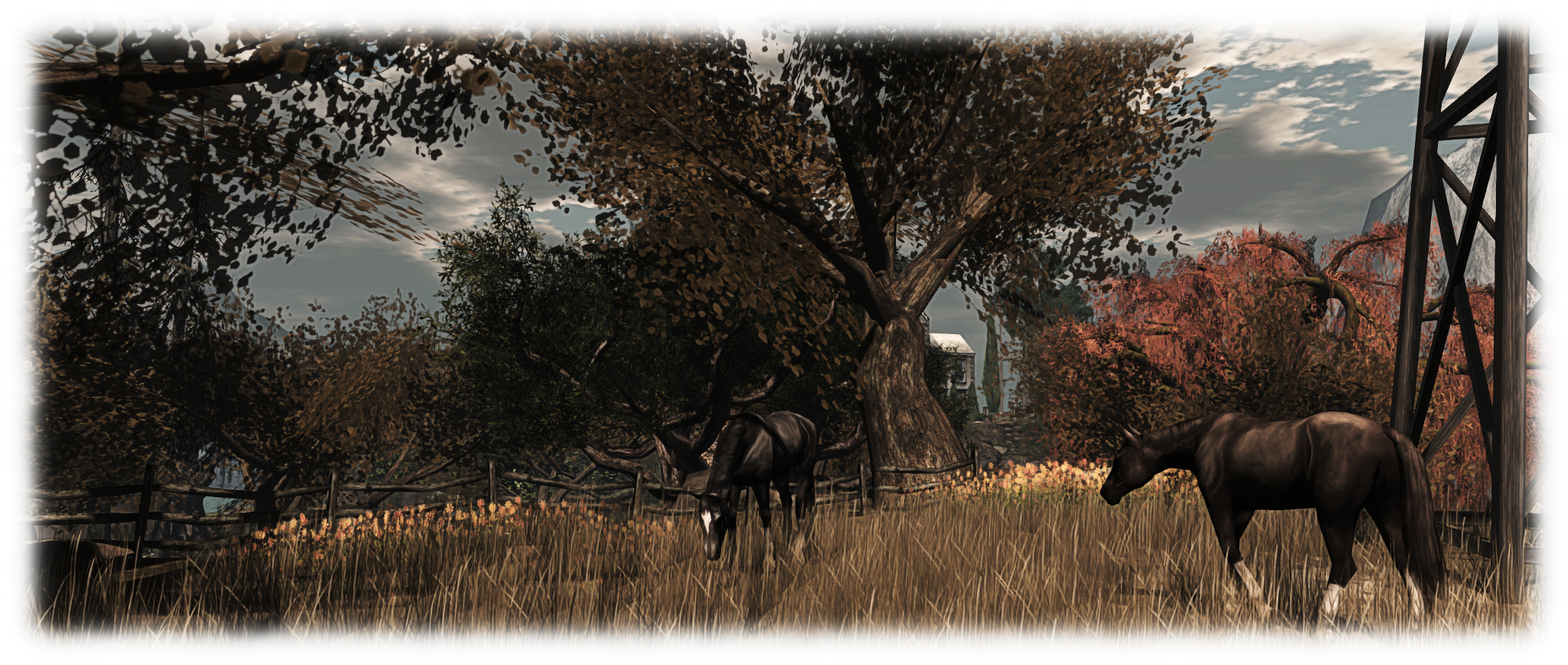
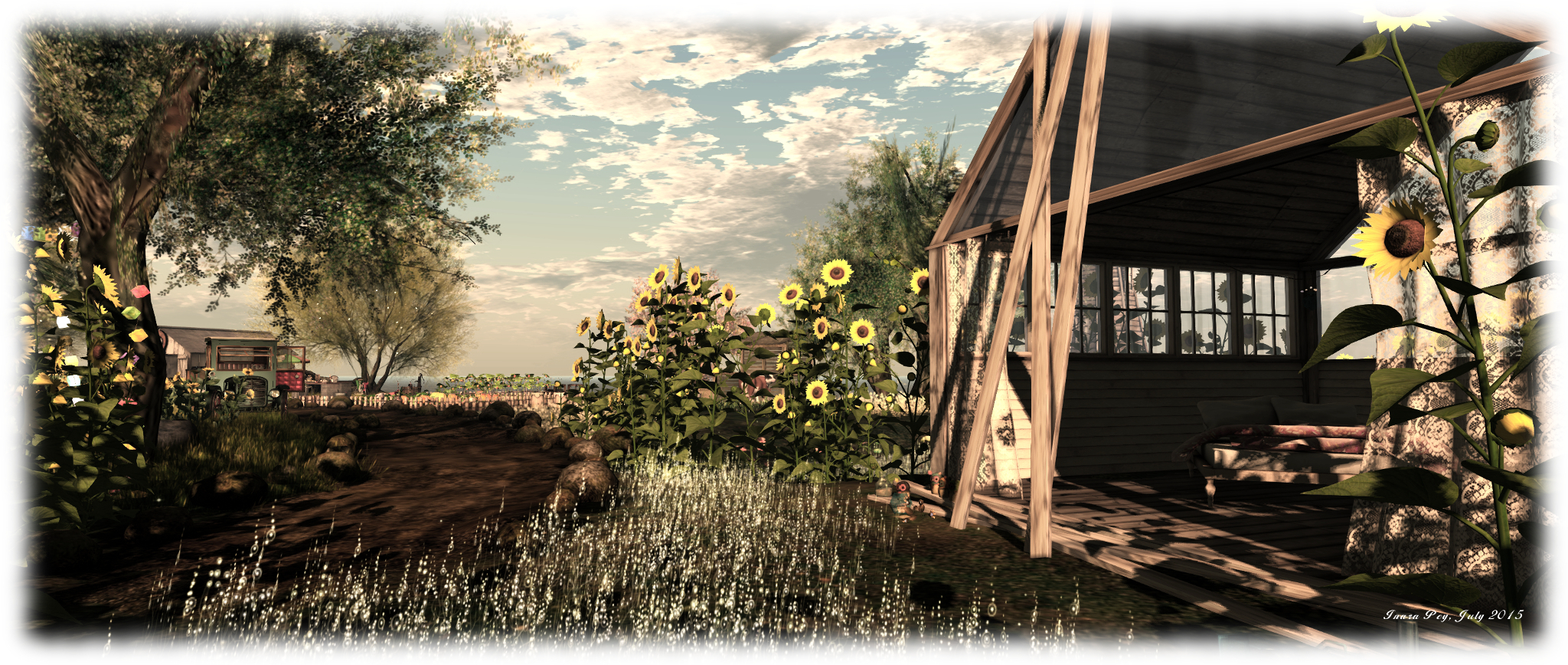
A small farm occupies a part of the land, the house atop one of the plateaus to hold a commanding view over the partially fenced lands below. Fencing there may be, but it hasn’t stopped some sheep and horses from wandering away in search of alternate grazing!

Le Avaline Village; Inara Pey, August 2015, on FlickrLe Avaline Village August 2015 (Flickr)

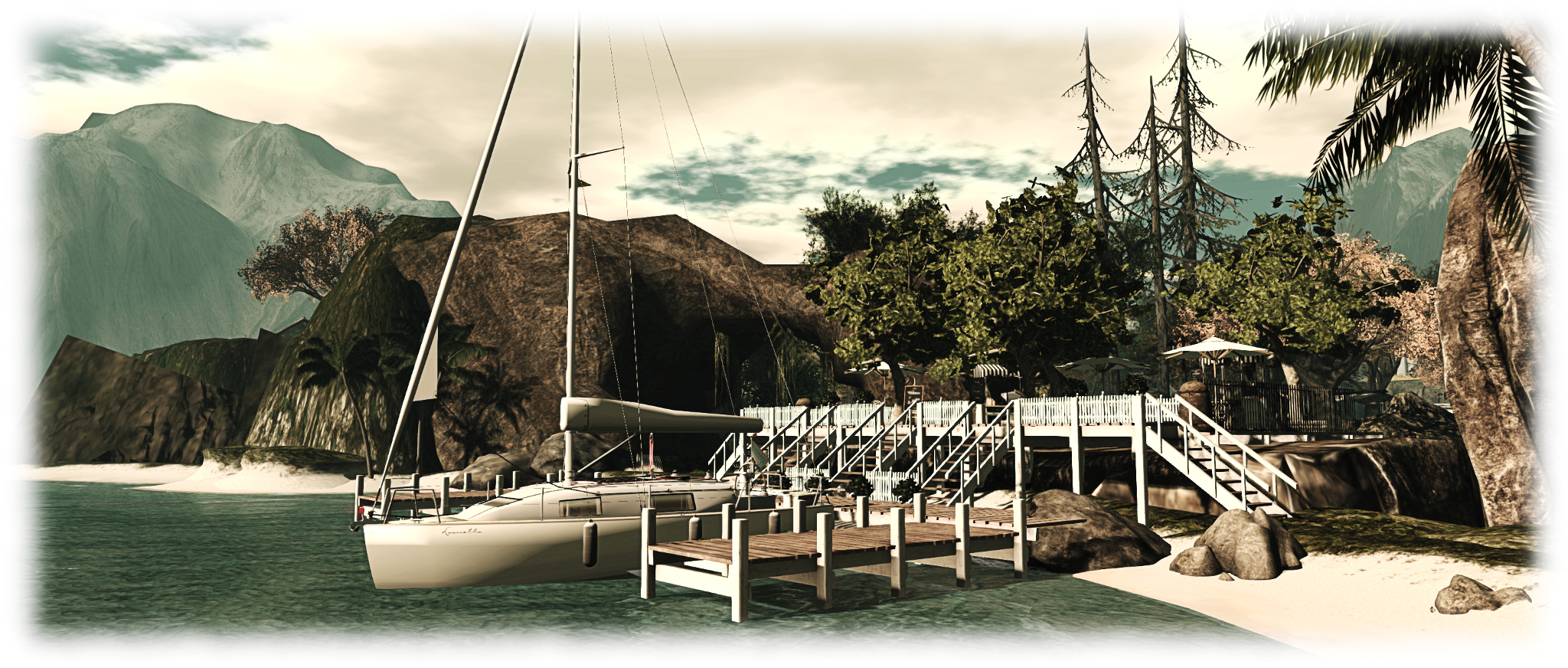
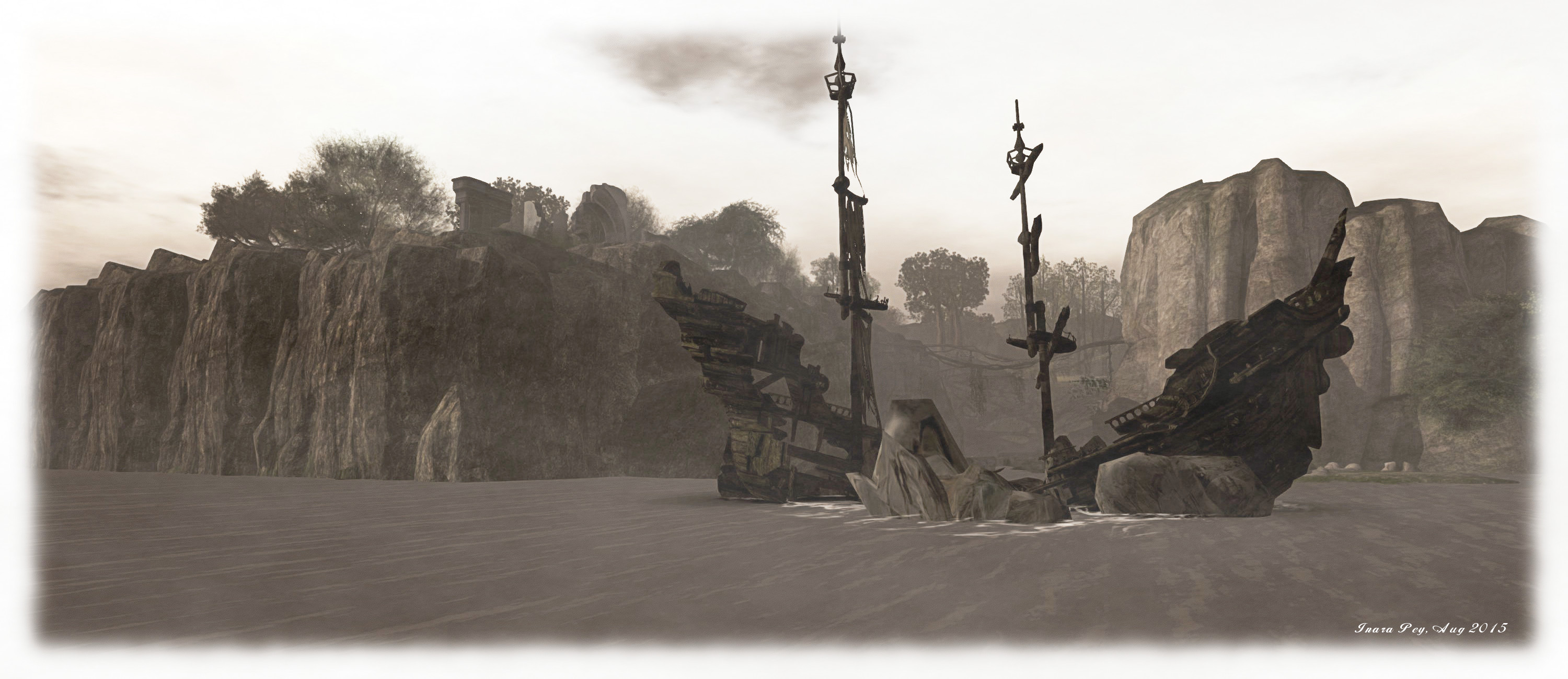
Follow the paths away from the landing point and over bridges and under rocky arches, and a cosy beach can be found, complete with pier and moorings for boats, together with a little cafeteria offering refreshments and a chance to sit and gaze out over the sea. Further around the coast is an open-air movie theatre;  I won’t call it a drive-in unless you have a 4×4 🙂 ,  but the supplied pick-ups and couches offer places to relax.

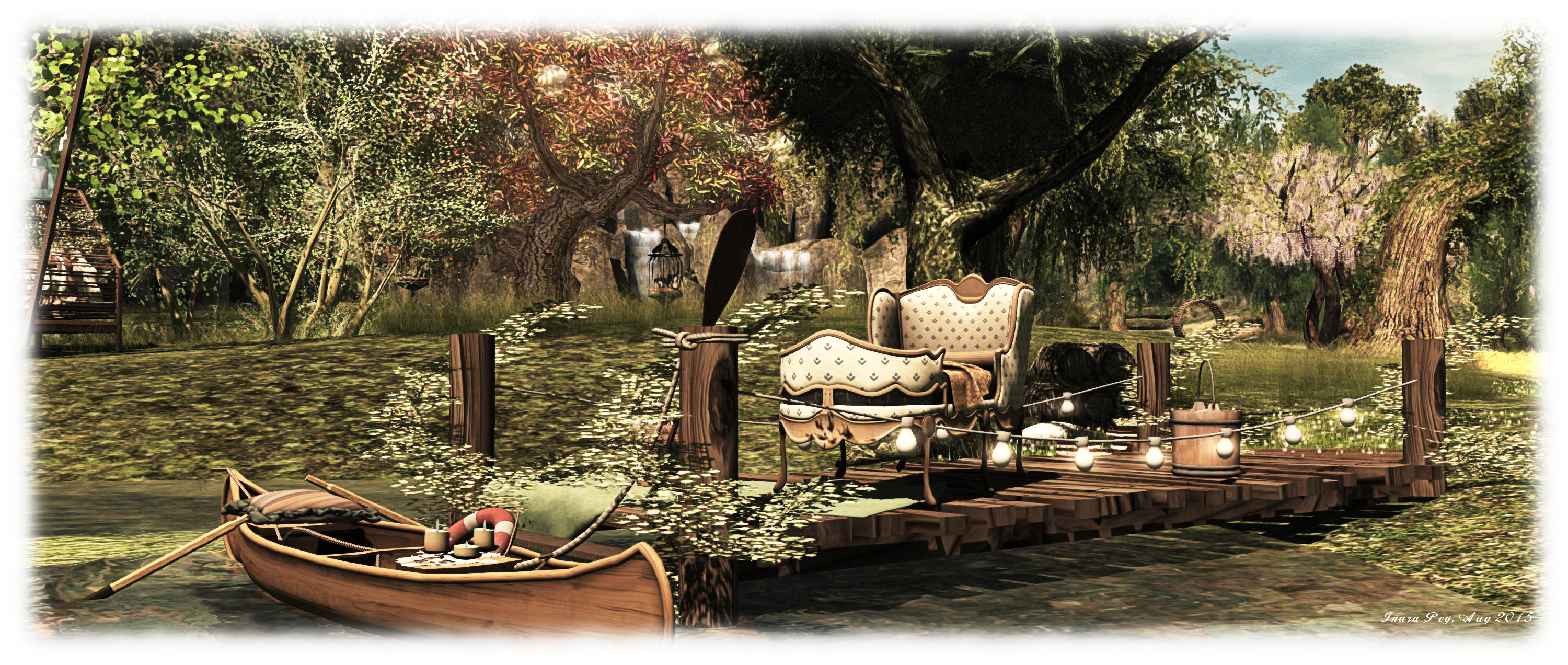
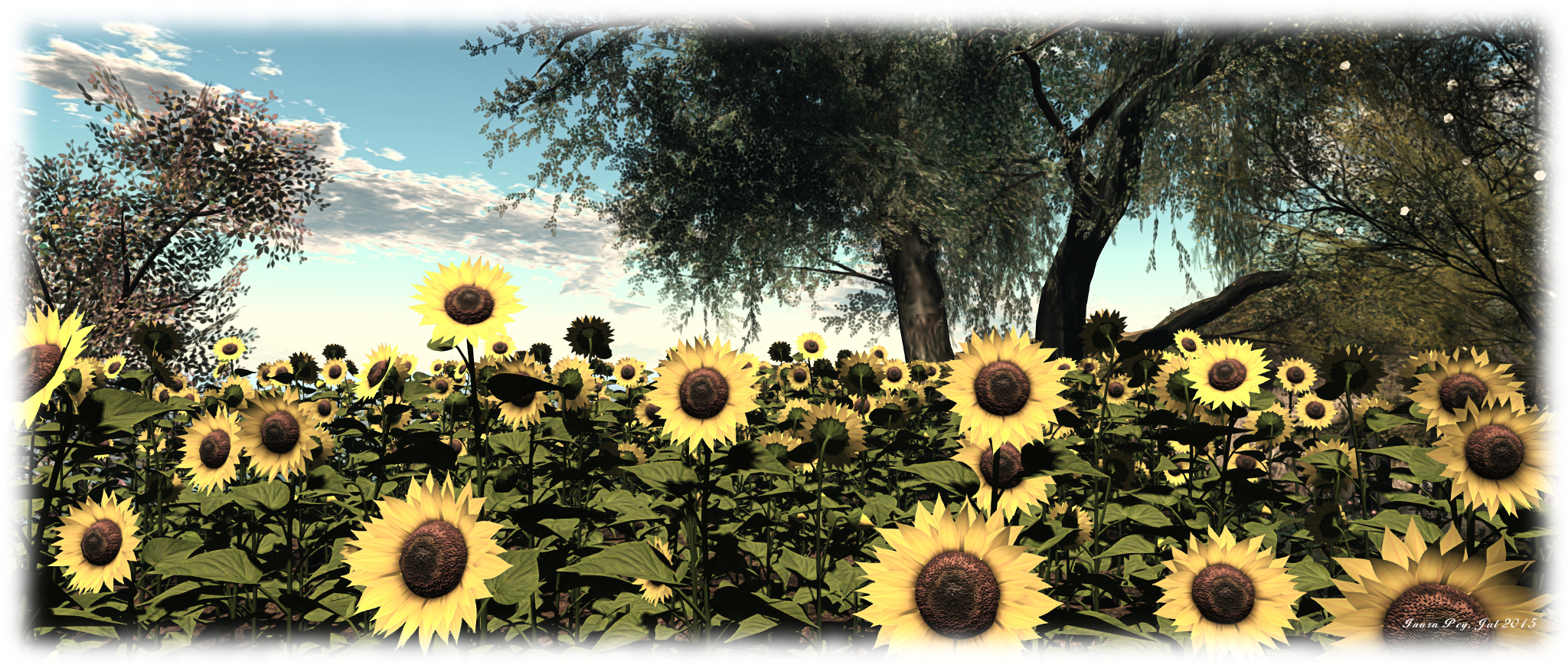
This is a place where the seasons mix easily with one another as you explore; the greens of summer stirred gently with the yellows and golds of autumn, while under spreading boughs parasol-shaded chairs and tables offer further places to sit and enjoy the surroundings.

Le Avaline Village; Inara Pey, August 2015, on FlickrLe Avaline Village August 2015 (Flickr)

There are plenty of opportunities for photographs within the region, and should you choose, after taking them, you can share them on the Le Avaline Flickr pool.

I enjoyed my meanderings around Le Avaline Village; after my recent self-imposed hiatus from exploring Second Life, it was good to end my walking shoes on one more and find somewhere new to get me back into the habit of wandering and nosing.

You might even say that normal service is being resumed in these pages!

SLurl Details


An eclectic visit in Second Life

Eclectica; Inara Pey, August 2015, on FlickrEclectica August 2015 (Flickr) – click any image for full size

Eclectica, located on the homestead region of The Place, is somewhere I’ve been meaning to visit since it opened earlier in 2015. Designed by Maddy  (Nibby Riddler), it is disarmingly described as an “enchanting sim with an eclectic blend of forestry, fantasy, folklore, whimsy and magical exploration, with wonderful photo opportunities amongst the ruins, hidden caves, lovers spots and romantic meadows.”

And the truth is – it really is – and so much more. This is a region of scenic contrasts, from low-lying, meadows edged with water, to high rocky plateaus from which waterfalls cascade, this is a place demanding gentle exploration, by either following the footpaths leading away from the landing point, or by wandering where soever your feet wish to take you.

Eclectica; Inara Pey, August 2015, on FlickrEclectica, August 2015 (Flickr)

This is a place rich in natural colours, the trees and flowers suggestive of a long afternoon stretching its way lazily from spring to early autumn, and where surprises await around every corner. Romantics are catered for, with plenty of cuddle spots scattered around, some on the ground, others hanging from sturdy tree branches and others floating on the waters or under the tiled roofs of gazebos. often with Intan dance systems nearby.

Photographers are also catered for; there is much here to attract eye and snapshot floater, and under a wide selection of windlights, depending upon your location and where you’re looking. The paths, trees and fields offer lots of rural opportunities for pictures, while the wreck of an ancient man o’ war (or is it perhaps a pirate ship? Ah, let your imagine decide!) sitting off the coast, watched over from ruins on a high cliff offers plenty of opportunity for dramatic and mysterious shots. Meanwhile, the ruins offer a hint of fantasy in which to indulge, as does what appears to be an alchemist’s cottage sitting a short distance away.

Eclectica; Inara Pey, August 2015, on FlickrEclectica, August 2015 (Flickr)

This is also a place of delightful whimsy, with lots of little touches scattered throughout which cannot fail to bring a smile to the face when discovered. Even the orient touches the region in one corner, adding to the eclectic nature of The Place.

Not that everything is in any way a jumble. Such is the skill of the design, everything flows together naturally; so much so, that the overall effect of exploring Eclectia is one of journeying through neighbouring lands, rather than simply wandering a single region.

Eclectica; Inara Pey, August 2015, on FlickrEclectica, August 2015 (Flickr)

In fact, with so much to discover, coupled with the opportunity to take photographs, as well as the myriad of places to sit and unwind as the music plays, it’s easy to get lost within Electica – as I did, for an entire afternoon!

Maddy has done a superb job with what is her first region build. Electica has deservedly gained wide recognition across Second Life. With my own project beckoning me back, I hope that some of her creative eye has rubbed off on me, such is the captivating look and feel to the region. And if not, then I’ll just and to come back and sit under tree or on boat or couch and let the world take care of itself.

SLurl and Website Details

Luxembourg 1867: exploring virtual history in Second Life

The Virtual Pfaffenthal; Inara Pey, July 2015, on FlickrThe Virtual Pfaffenthal, July 2015 (Flickr) – click any image for full size

Currently featured in the Editor’s Picks section of the Destination Guide, The Virtual Pfaffenthal is interesting mix of role-play environment and historical project which crosses over into the real world.

The project – run by the 1867 group founded by Hauptmann Weydert (Weydert), comprises 8 regions, with Pfaffenthal Vauban and Kirchberg being the most developed, although there is much evidence of construction work going on in the other regions. Kirchberg is actually the home of Fort Thüngen, which has been in operation in SL since 2012, and as such may be familiar to some SL residents.
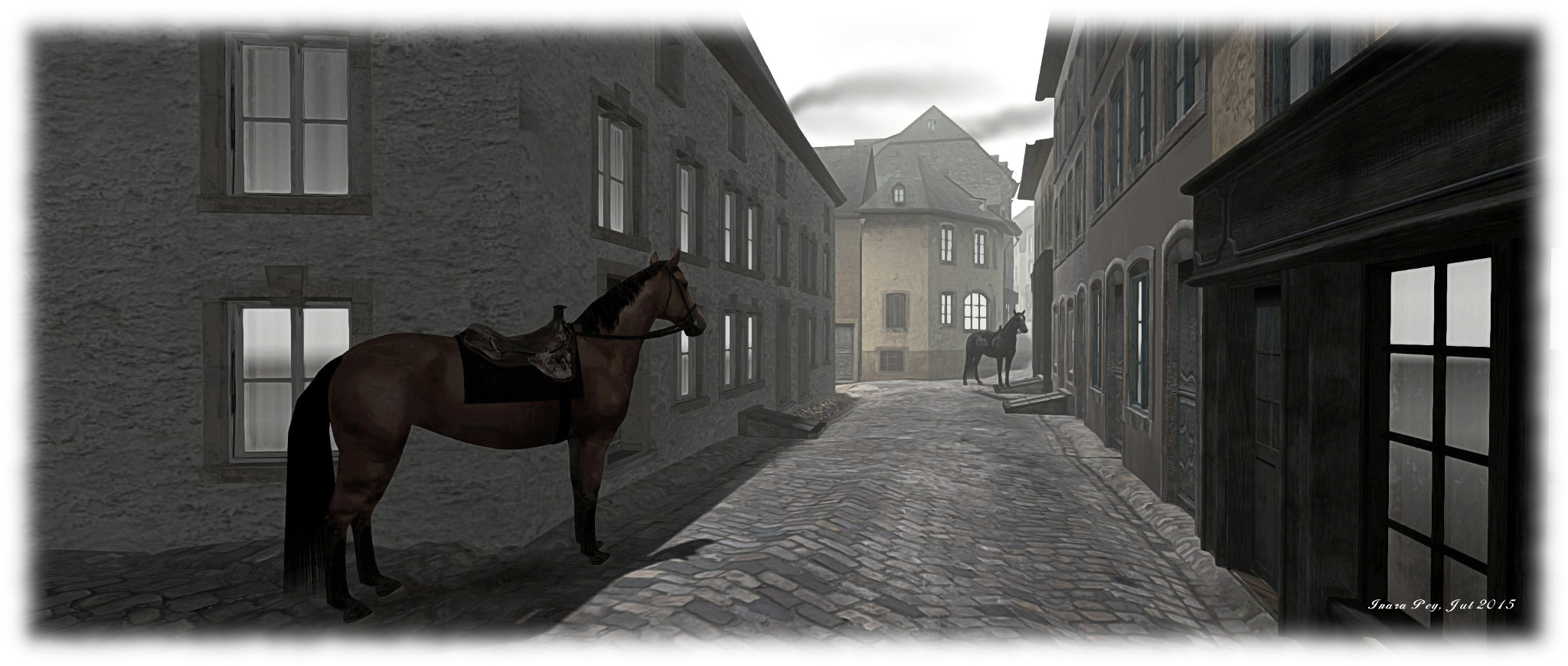
The Virtual Pfaffenthal; Inara Pey, July 2015, on FlickrThe Virtual Pfaffenthal, July 2015 (Flickr)

Eventually, the regions will offer a reproduction of the fortress city of Luxembourg as it appeared in the 19th Century, offering a period role-play focused on a specific point in the city’s history, as the introductory note card explains:

In spring 1867, Luxembourg is a complex military fortress, the ultimate result of a construction that took hundreds of years, a city occupied by a Prussian garrison. The Grand Duchy is an ‘autonomous’ country  and member of the Zollverein, the customs union established by Prussia. The attempt of  Napoleon III to buy the land from the Grand Duke King William the first, creates tensions among the population, trouble spreads throughout  the capital  and the country. The great nations send their secret agents and mobilize their troops, Bismarck intervenes …

However, there is another purpose to the project, as I alluded to in the opening paragraph of this article: it forms an interactive exhibit at the Luxembourg City History Museum, where visitors can come in-world and explore the virtual Luxembourg of 1867 using the Oculus Rift.

At the museum, PCs have been set-up which can be used, with guidance from staff, to directly access The Virtual Pfaffenthal. “We have two PCs set-up right now,” Weydert informed me when we met in-world to discuss the project as he prepared to host a group of visitors at the museum. “One has an Oculus HMD, the other uses a big screen. A further  Oculus Rift set up is to follow shortly.”

Visitors use prepared avatars, complete with period dress, to explore the city, guided by a young boy, Steft who tells them the history of the City from both his perspective and that of 1867.
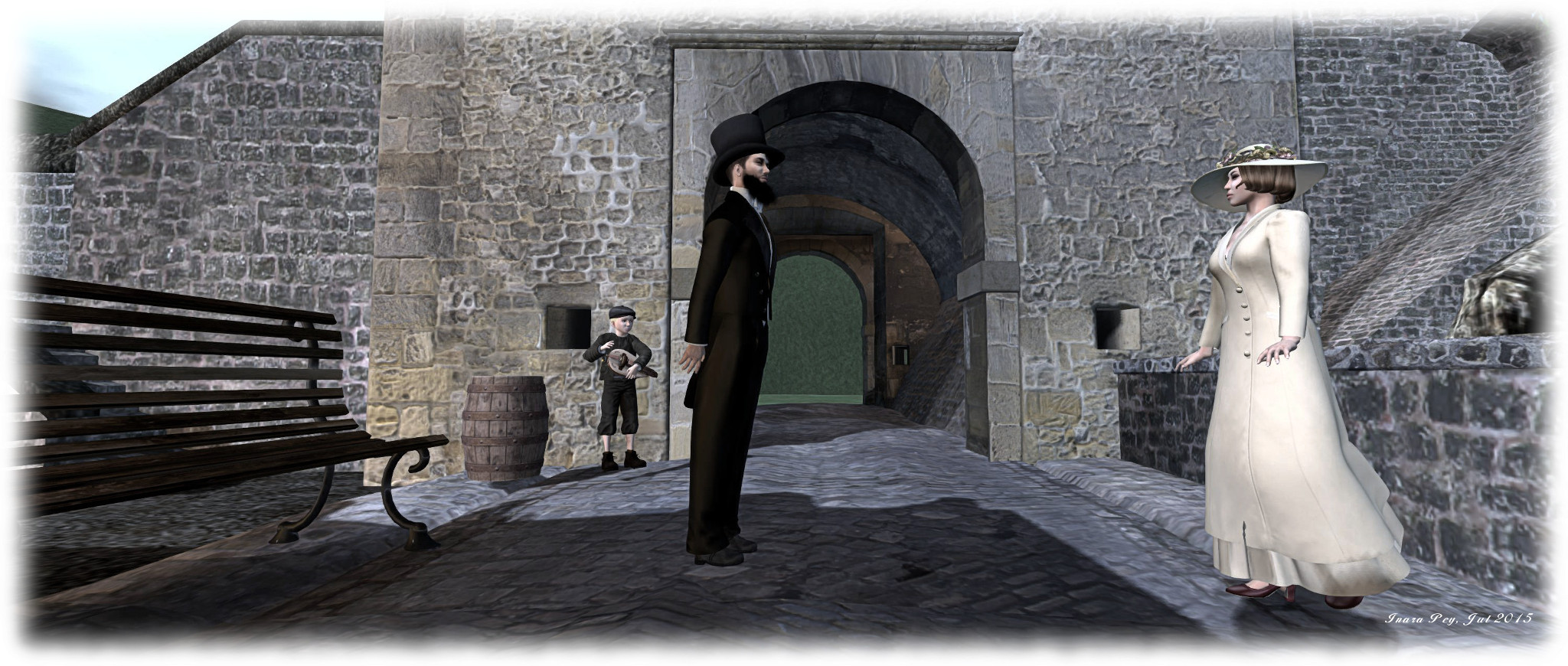
The Virtual Pfaffenthal; Inara Pey, July 2015, on FlickrVisitors at the City History Museum, Luxembourg, can enter The Virtual Pfaffenthal using prepared avatars such as Jang and Ammy Ecker, above, enjoying a dance on the street, to music by Steft, the virtual guide, in the background

“This has actually be quite a challenge,” Weydert confides in me as we chatted and strolled along the cobbled streets. “We didn’t want people finding themselves accidentally undressing the avatars or teleporting themselves off somewhere, so we’ve had to turn off a number of functions in the viewer.”

Not only are visitors able to time-travel in this way, and witness how Second Life can be used as an immersive experience, Weydert also offers museum visitors the museum the opportunity to learn more about Second Life itself. “I run open workshops on certain days,” he explains, “where folks can learn to create their own avatar, find out more about SL, and then continue their explorations and involvement from home. We also encourage School classes to register for the workshops, so they can learn more about Luxembourg’s history interactively.”

This aspect of the project is something of an extension of activities started at Fort Thüngen. For the last few years, this has been the focal point for workshops on virtual environments  involving the general public and schools, with sessions hosted at the Fortress Museum in Luxembourg in association with the Luxembourg National Museum of History and Art.
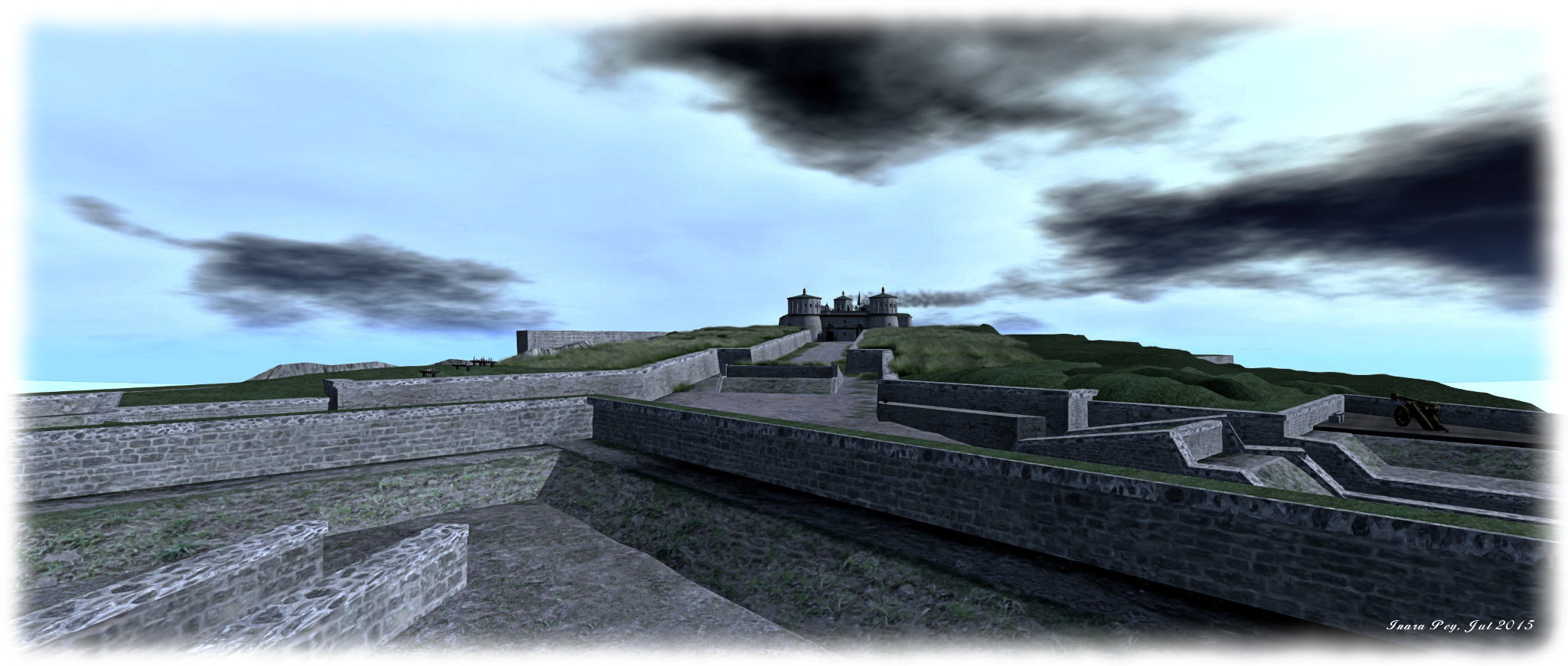
The Virtual Pfaffenthal; Inara Pey, July 2015, on FlickrFort Thüngen, Kirchberg, has been in operation since 2012 as a workshop for virtual activities since 2012, and is now a part of the wider regions making up the 1867 project

The educational element of the project is of keen interest to the team, which they’d like to expand. “We want to include schools and other institutions,” Weydert told me, after a slight distraction as he assisted a visitor at the museum. “Such as classes having avatars their students can use to participate [in-world] the whole term.”

So far, the 1867 group has been run on a closed basis, but with the museum element now running, Weydert and his team are keen to open out the venture to include other residents, and grow it as an ongoing venture in Second Life.

“1867 invites residents, artists, 3D builders and graphic artists, scripters, animators, educators and other social actors to come and join us,” he says. “We want to build a community where people can come, enjoy themselves, and in the process learn from history and contribute to our growth.”
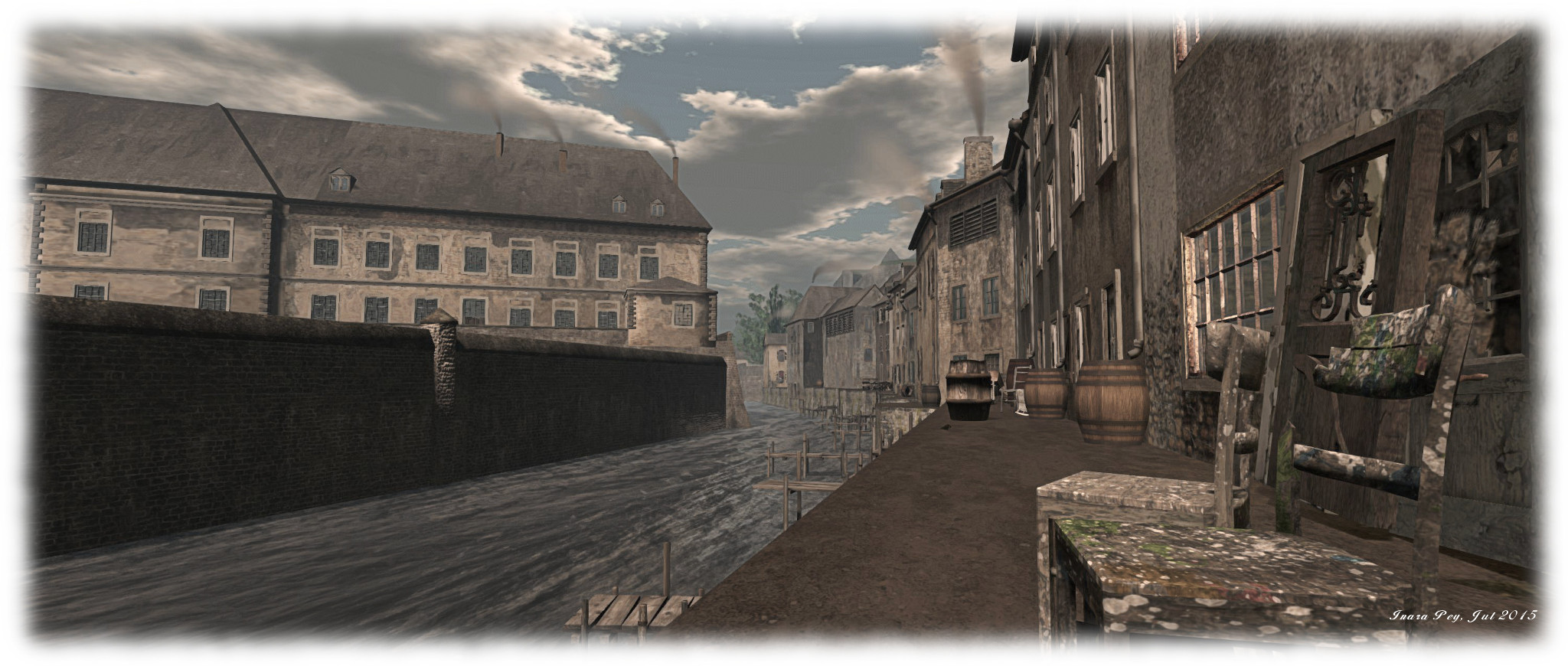
The Virtual Pfaffenthal; Inara Pey, July 2015, on FlickrThe Virtual Pfaffenthal, July 2015 (Flickr)

Those that do engage with the community are offered free housing within the project – although they are obviously asked to keep to the period. Those interested are invited to explore the regions and  contact Hauptmann Weydert if they’d like to become a part of the group.

Beyond this, the 1867 group are also considering some pretty far-reaching plans, such as a series filmed entirely in-world within the project spaces together with a supporting comic book, in what Weydert refers to as a transmedia project aimed at engaging students and those interested in history and in discovering more about virtual worlds.

The Virtual Pfaffenthal, July 2015 (Flickr)

For my part, I spent a pleasant afternoon wandering the streets of Pfaffenthal, feeling at home in a free period costume provided to visitors from SL, and encountering a number of the residents along the way. It would be intriguing and interesting to experience The Virtual Pfaffenthal via a HMD, but I’ll content myself with future visits to see how things progress.

My only real disappointment in visiting was seeing the number of people who simply could not be bothered to read – or disregarded  – the request that they wear period costumes prior to leaving the arrival area. Considering perfectly good free outfits are clearly and readily available (you have to walk past them to reach the doors), this struck me as a shame.

SLurl and Additional Links
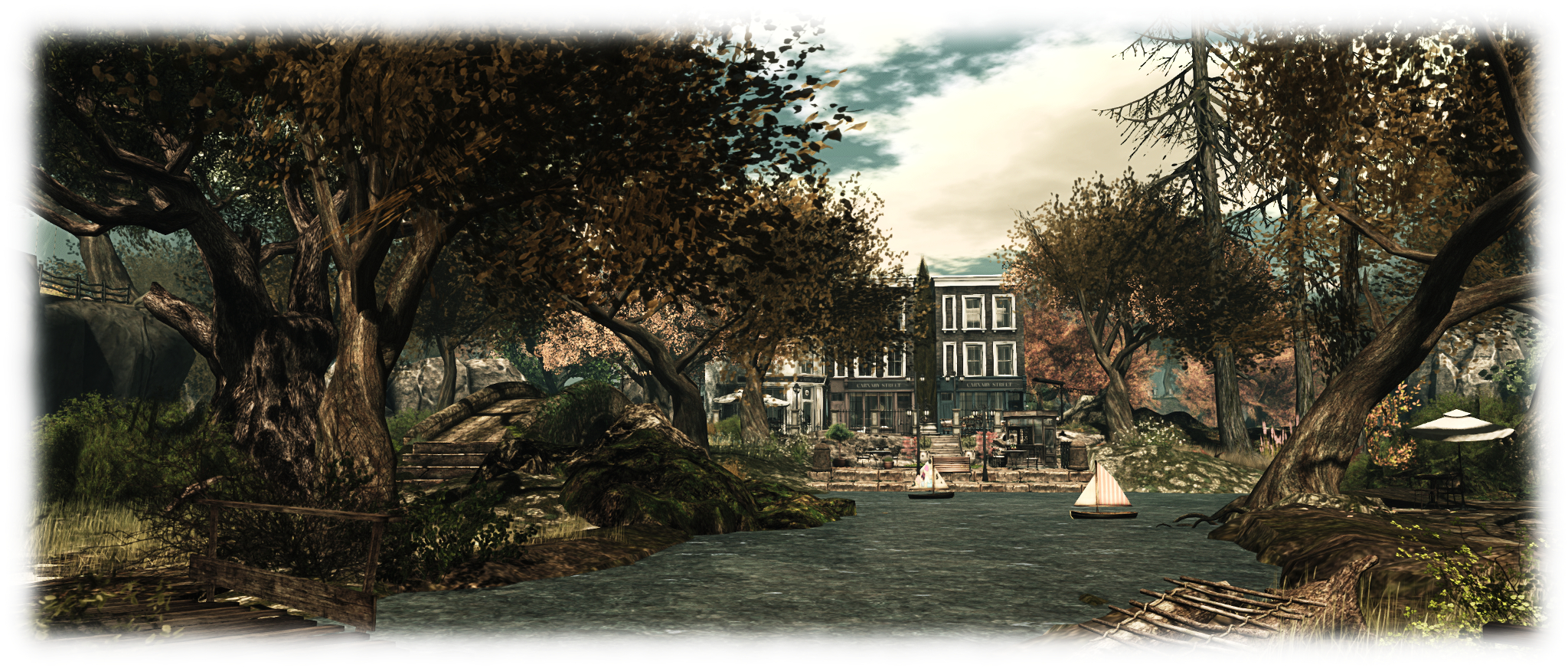
It’s Up to U in Second Life

Up to U; Inara Pey, July 2015, on FlickrUp to U, July 2015 (Flickr) – click any image for full size

Ricco Saenz recently posted that while Roche as we know it may be gone, the region remains, but under new ownership. Ricco’s post offers considerable food for thought on aspects of the region’s new look, which prompted me to go take a look for myself.

Roche is now held by ๑๑Ŧﻨσ๑๑ (Fio Bravin), who has given it the name Up To U. The make-over appears to be a shared activity between Fio and ありえす (ArieS Magic), and it sees the region split into two islands connected by a lone wooden bridge, while further out on the water sit a couple smaller islands, one of which has a lighthouse located on it.

Up to U; Inara Pey, July 2015, on FlickrUp to U, July 2015 (Flickr)

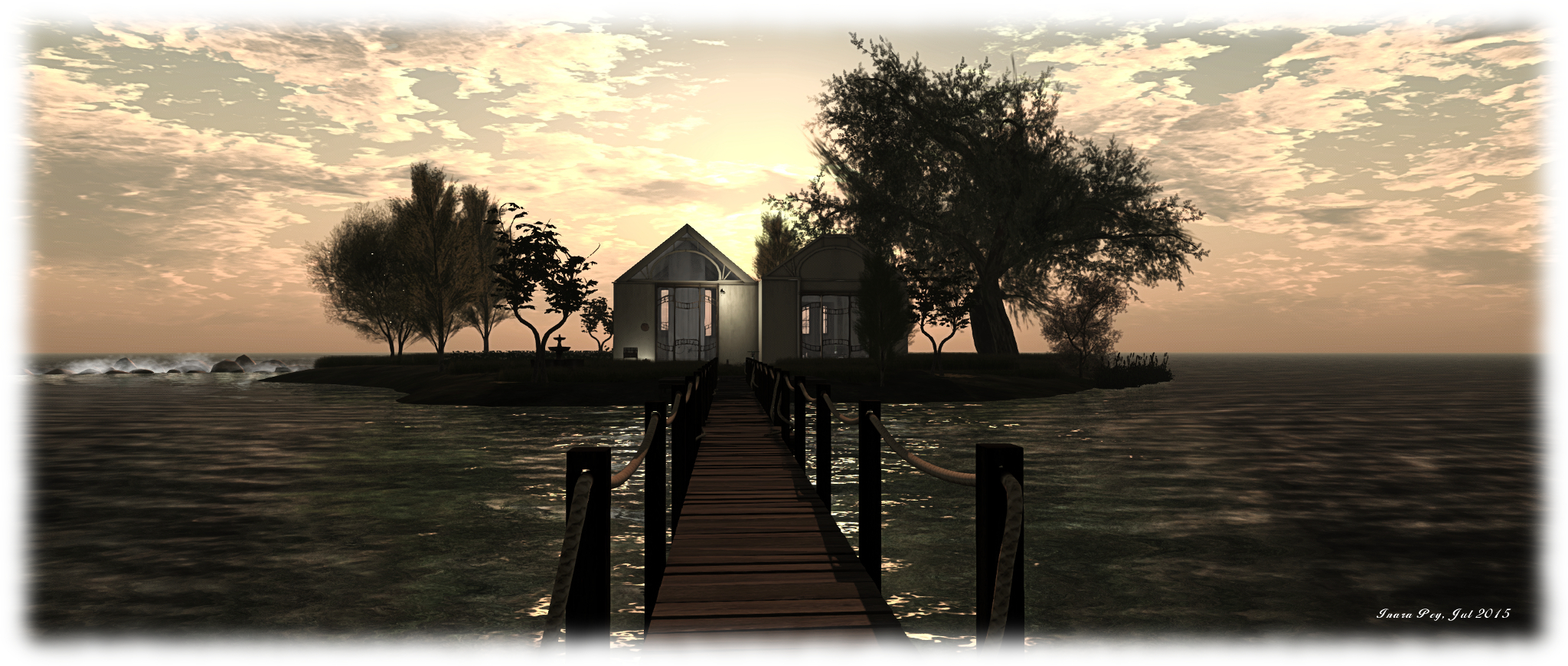
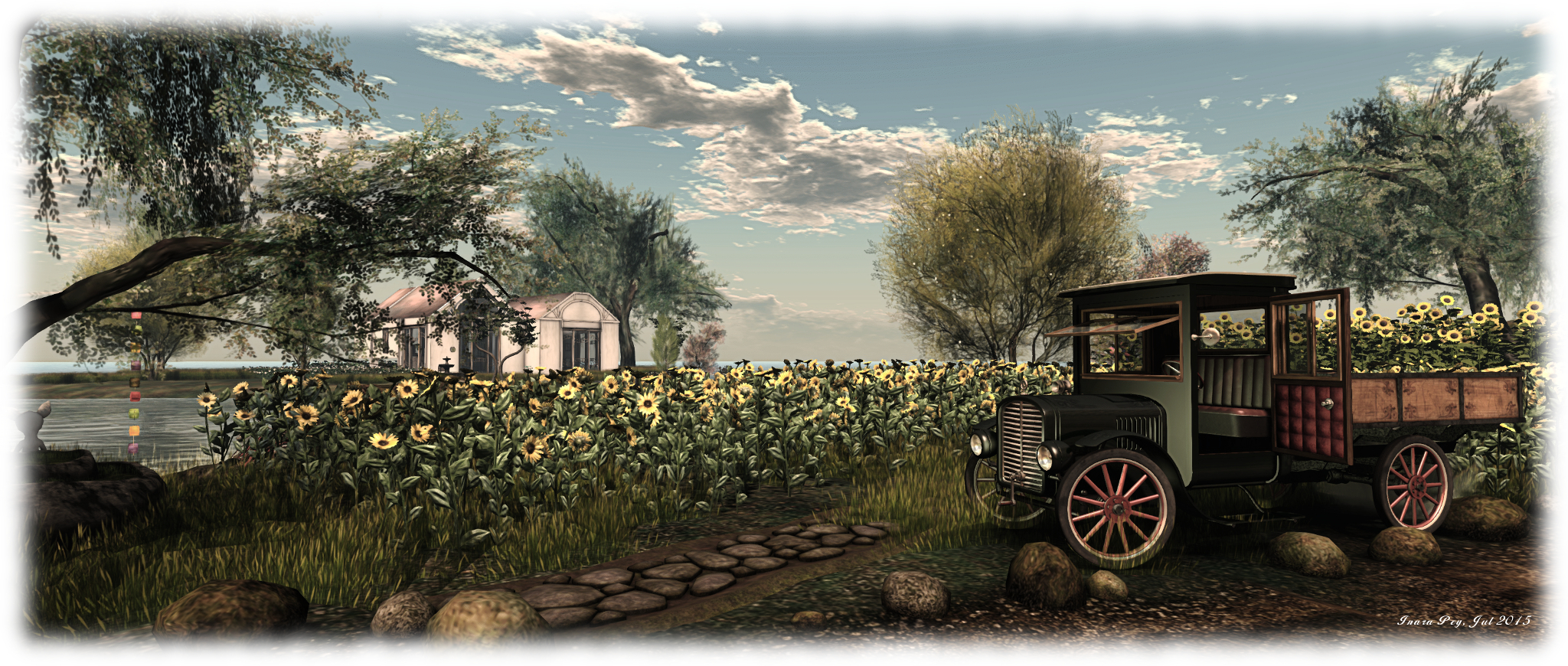
The larger of the two islands is awash with sunflowers neatly planted as if being cultivated. A dirt track curves across part of the island, passing a working barn and between the neat rows of sunflowers to arrive at a small summer-house still under construction, itself surround by a ring of the tall, yellow flowers. The entire scene is suggestive of country living, but there’s more.

Alongside the track sits a small area set-up for a barbecue, offering plenty to refresh the weary traveller. Nearby is a vegetable patch in the process of becoming a playground for rabbits and foxes. Further afield, things become a little more whimsical: alongside the barn float a trio ethereal blue leaves, inviting visitors to repose upon them and forget the world. Not too much further away, and in part hidden by the long grass and a fallen log, sits one of the little scenes which had Ricco turning his thoughts very eloquently to the subject of  anthropomorphism.

Up to U; Inara Pey, July 2015, on FlickrUp to U, July 2015 (Flickr)

Across the water and the wooden bridge, the smaller of the two islands is the setting for a whitewashed house surrounded by white flowers and long grass. I’ve no idea if it is open to the public or a pied-a-terre for Fio and ArieS when visiting the region, so I didn’t intrude inside; although a quick peep through the windows suggested it is a place where cats rule!

Taking over a region which has been so well-known and so well-loved for so long is no easy task. No matter how things are made over, there is always a risk that those who visit and who remember the “old” look are going to be haunted by ghosts of the past.

Up to U; Inara Pey, July 2015, on FlickrUp to U, July 2015 (Flickr)

Perhaps Up to U, as a name, reflects this, and is intended to offer the visitor with a simple choice when exploring the region: to see it with new eyes or with old. If so, I’ll opt for the former; Up to U brings a fresh and very different look to Roche, one that has its own charm and attractiveness, offering plenty of opportunities of those who want to take photos or want to sit and ponder or chat – and even those who fancy a little whimsy to stir their thinking!

SLurl Details

Encountering King Arthur and Beowulf in Second Life

Beowulf and King Arthur

In June I wrote about the non-profit Literature Alive! project operated by Desideria Stockton and Royce Sommer, and their Canterbury Tales Virtual Pilgrimage. They now have a new literary adventure for people to enjoy.

Beowulf and King Arthur is hosted on the Lingnan Drama Island by Brant (MrK Kas). The title itself pretty much explains what the installation is about: an exploration of the legends and times of Beowulf and King Arthur. And if this sounds an odd combination when one considers Beowulf is an Old English epic set in Scandinavia while King Arthur really came to literary prominence as a romantic figure in the 11th and 12th centuries, keep in mind both are firmly rooted in Anglo-Saxon times, and thus the pairing is apt.

As with Canterbury, Beowulf and Arthur is an interactive investigation of both legends, this one set within a huge castle structure. Entering the courtyard of this will bring the visitor to a famous image: Excalibur stuck fast in a great stone. Paths leading either side of this serve as introductions to the two legends – left for Beowulf, right for Arthur. From here, one can explore on foot, passing through the Beowulf section and on to the Arthurian section, or a teleport board provides access directly to Arthur, and one can then progress to Beowulf from there.

Beowulf and King Arthur

Given this is interactive piece, there is a lot to click on throughout; with Beowulf, blood spatters on the floor of the castle hall and on the tables provide information on his legend, while visitors can also learn about Anglo-Saxon times in Britain, paganism and Christianity (which sit as uneasy partners in the Beowulf legend) by clicking on wall displays, flowers, and so on.

Moving through the hall leads the visitor increasingly toward Arthur and Arthurian legends, notably Sir Gawain and the Green Knight, a reference to Myrddin (Merlin) prior to his fusion into Arthurian tales, and thence a climb up to Arthur’s hall, where sits the round table and an opportunity to learn about the code of chivalry.

Both elements of the installation include quizzes and puzzles and the opportunity to win prizes (keep an eye out for the quiz chests scattered around). As with Canterbury, this is an engaging exploration of literature, and one that appears to be part of a bigger project. Outside of the castle sit a series of Tudor style houses which look to be in the process of being set-up to offer insight into other works of literature; this is something I’m hoping to talk to Desi and Royce about in the near future.

Literature Alive!
Literature Alive!

In the meantime, if you fancy the opportunity to find out more about two classic mythologies and the times in which they are set, Beowulf and King Arthur offers an interesting and easy-to-follow means of doing so.

SLurl Details


A Lick of science fiction in Second Life

The McFly Project; Inara Pey, July 2015, on FlickrThe McFly Project, July 2015 (Flickr) – click any image for full size

I’ve visited Oyster Bay, the demonstration region for Lick Sim Designs, several times; however, for various reasons I’ve never managed to actually blog about it. So when I saw Sera Bellic, Lick’s proprietor and chief designer, had once again re-worked the region, and this time with something of a science fiction leaning, I decided to put matters right and not only visit and take photos, but this time actually write about my time there.

Like all of Sera’s designs, The McFly Project is a marvellously photogenic, immersive environment which once again demonstrates her talent for region design. It’s also a place very much of two parts, although they are intertwined, perhaps in ways beyond that suggested by the region’s Destination Guide description: Step into the past and explore what once was, and find your way to the future.

The McFly Project; Inara Pey, July 2015, on FlickrThe McFly Project, July 2015 (Flickr)

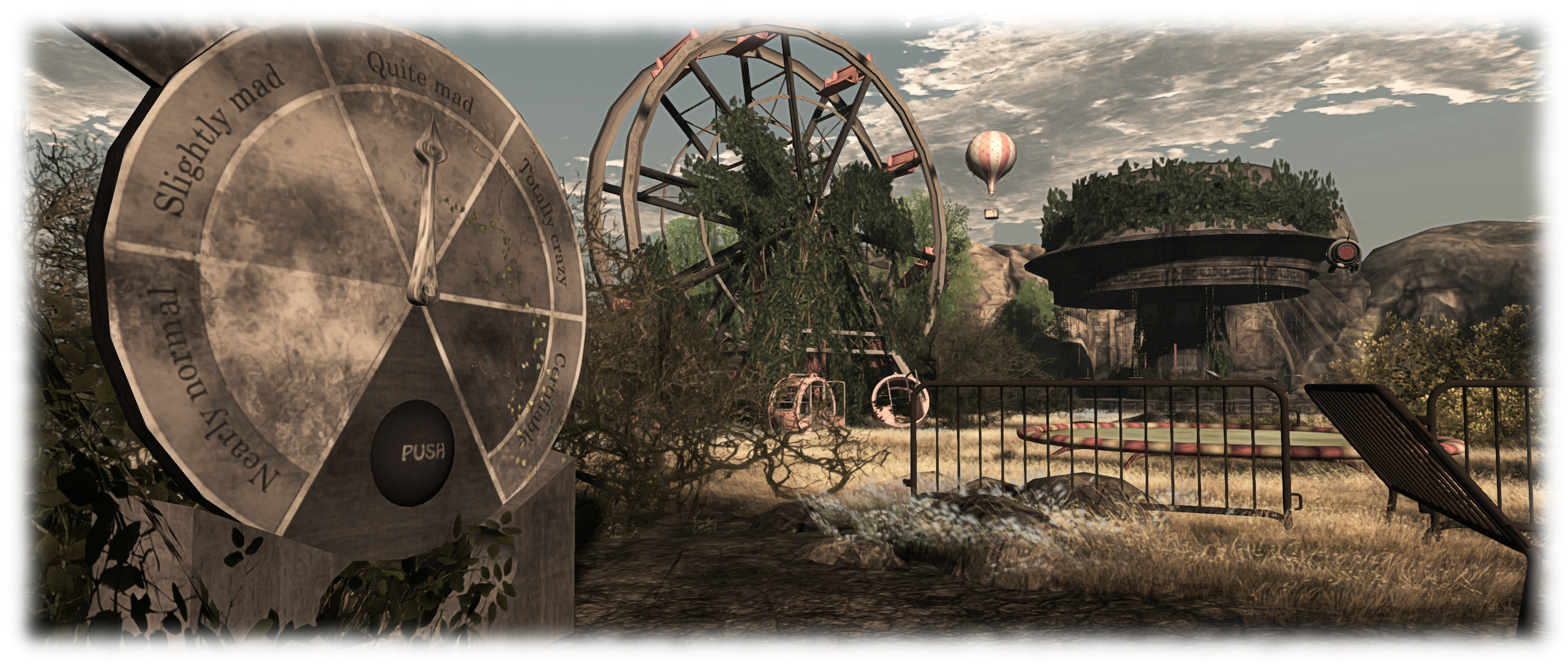
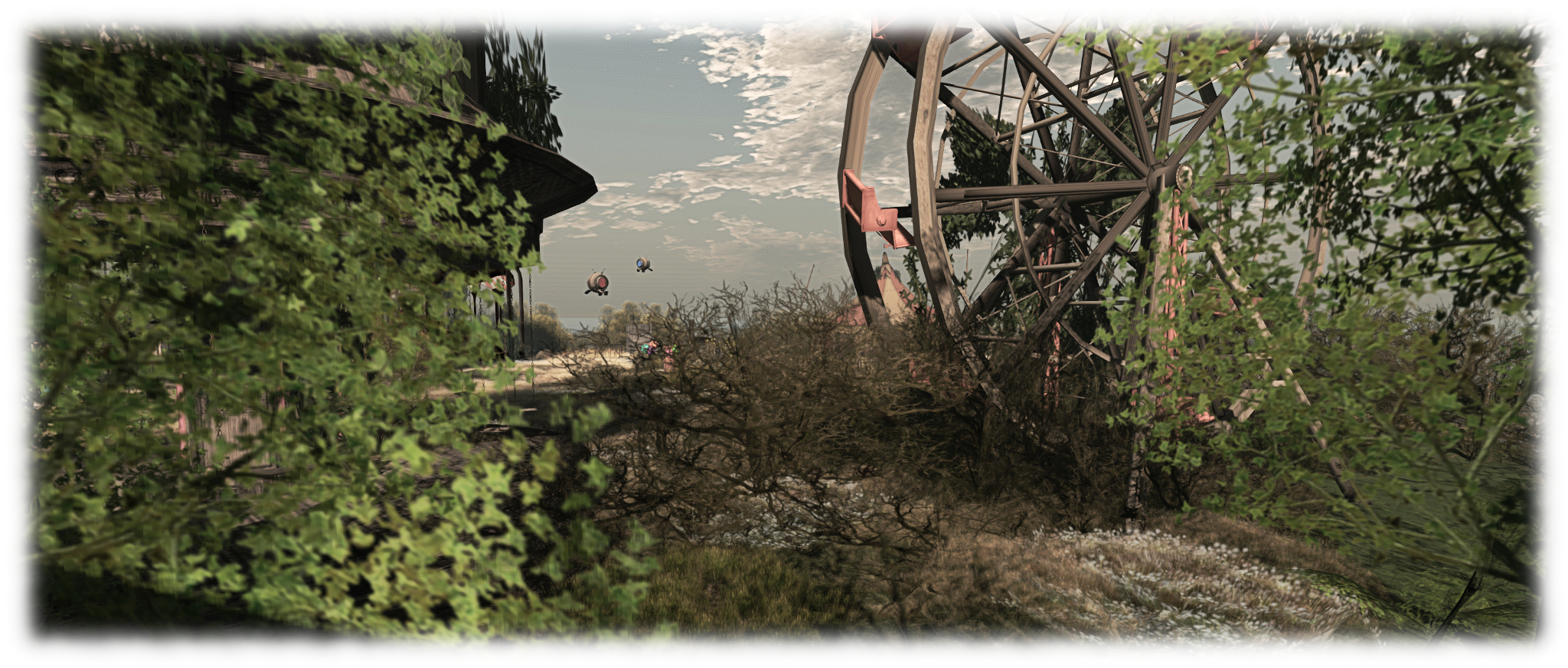
“That past” comes in the form of an old fun fair, a place gradually being reclaimed by nature. The big top tent is fading, the Ferris wheel and carousels are broken and overgrown,  signs are fading while weeds are taking over the ticket booth. Everywhere you look, it is clear that nature is slowly reclaiming everything.

Or almost everything; overhead, humming quietly are a number of automated drones. They appear to be keeping an eye on things, roaming back and forth slowly, sometimes circling, sometimes dipping towards the ground before rising again, their presence the first hint of the more sci-fi nature of this place.

The McFly Project; Inara Pey, July 2015, on FlickrThe McFly Project, July 2015 (Flickr)

From the big top, a dirt path (with helpful arrows) will lead you through the dilapidated fairground to the distant cliffs.  Here sits the entrance to a cave leading underground, guarded by an R2 unit in as much a distressed condition as the fun fair.

The cave will take you underground and to caverns deep and – well, if not exactly dungeons old, then certainly to places that should be explored fully, and which build up more of the sci-fi side of the region’s design. Follow directions here carefully to make sure you get to see everything – especially when finding your way back out.

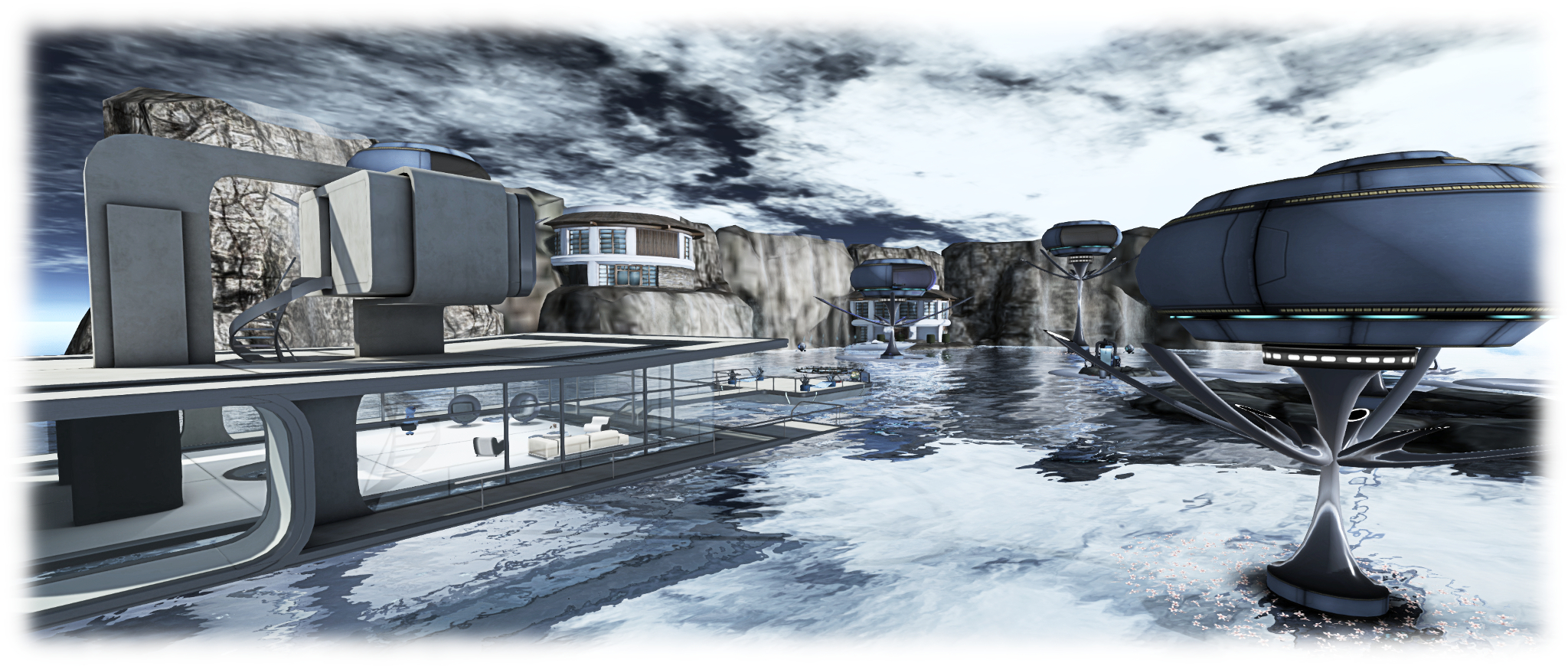
Assuming you follow the right path (it’s not hard 🙂 ), you’ll arrive at the future: a watery environment complete with fantastic structures, bordered by a greensward to one side, and overlooked by cliff side houses as more of the automated drones hover and flit overhead.

The McFly Project; Inara Pey, July 2015, on FlickrThe McFly Project, July 2015 (Flickr)

One of the buildings here will likely be familiar to any sci-fi fan who has seen 2013’s Oblivion, although it occupies a position very different to that seen in the film. Small platforms dot the water while teleport pads offer one means of getting around, boat rezzers another.

While The McFly Project’s description suggests you are visiting times past and times future (hence the name: think Marty McFly), there is nevertheless a narrative running through the design, starting at the big top and finishing at this idyllic-looking waterside living.

For me, that narrative, complete with distant echoes of Oblivion throughout, suggested that far from being a vision of the future, the seemingly perfect high tech environment, protected by high cliffs and tumbling waterfalls, is actually “the present” for those living there. The fun fair, meanwhile, is a part of their past, shattered by some kind of catastrophe which may even now present a threat, perhaps physical or perhaps biological. Why else would there be drones patrolling and monitoring it, and why else would there be a weapons cache in the caverns, and decontamination units both there and on the platform where one emerges from that subterranean world?

The McFly Project; Inara Pey, July 2015, on FlickrThe McFly Project, July 2015 (Flickr)

The McFly Project is offered with recommended windlight settings, and I do suggest adopting the one for the trip through the caverns to “the future”, as it is ideal for both settings.  Also make sure you have local sounds on, and do take the time to touch things as you explore; the region is awash with interactive elements literally from the moment you arrive (click the silver star on landing point platform), together with numerous places to sit and rest.

Sera tends to change the region’s design every 2 – 3 months; so as The McFly Project has only recently opened, it is liable to be around for a while yet. Even so, I wouldn’t put of playing a visit too long, just in case; if you love exploring region builds, this isn’t one to miss.

SLurl Details