Namaste: serenity and contemplation in Second Life

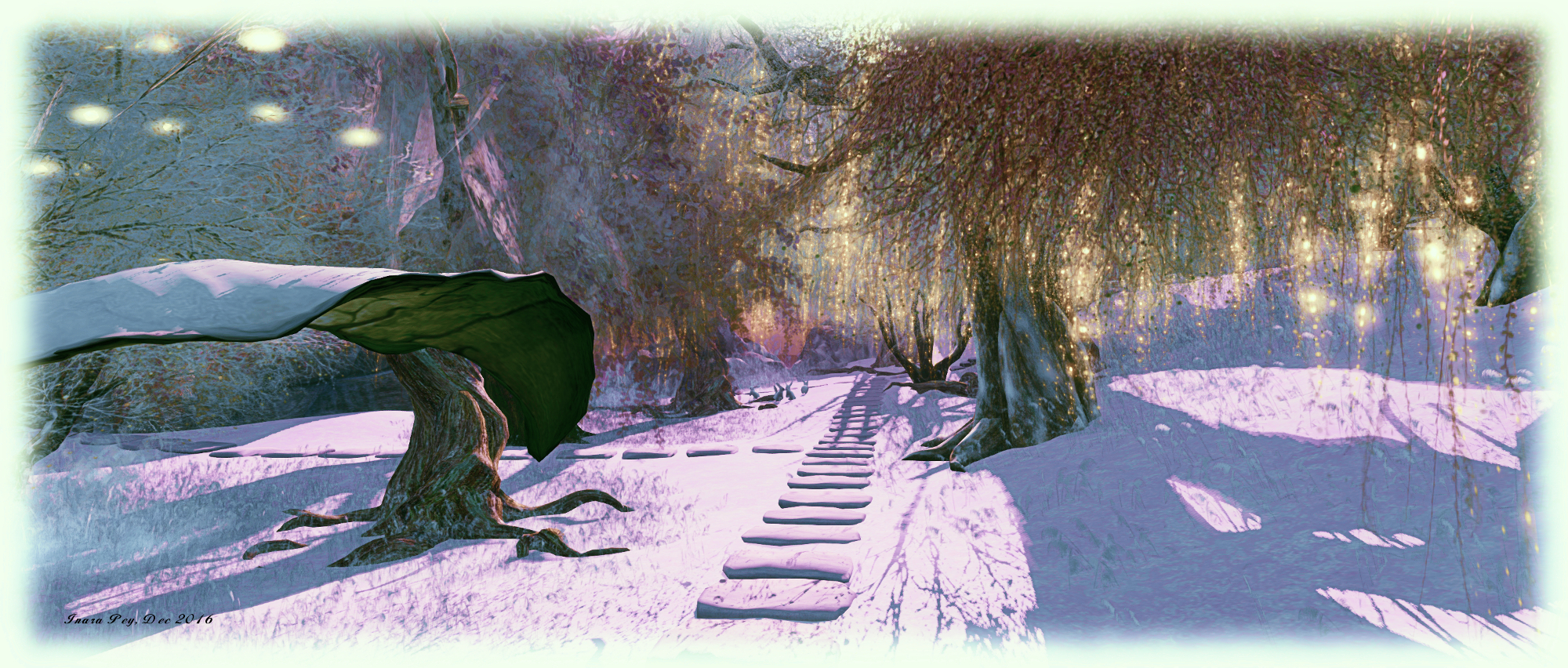
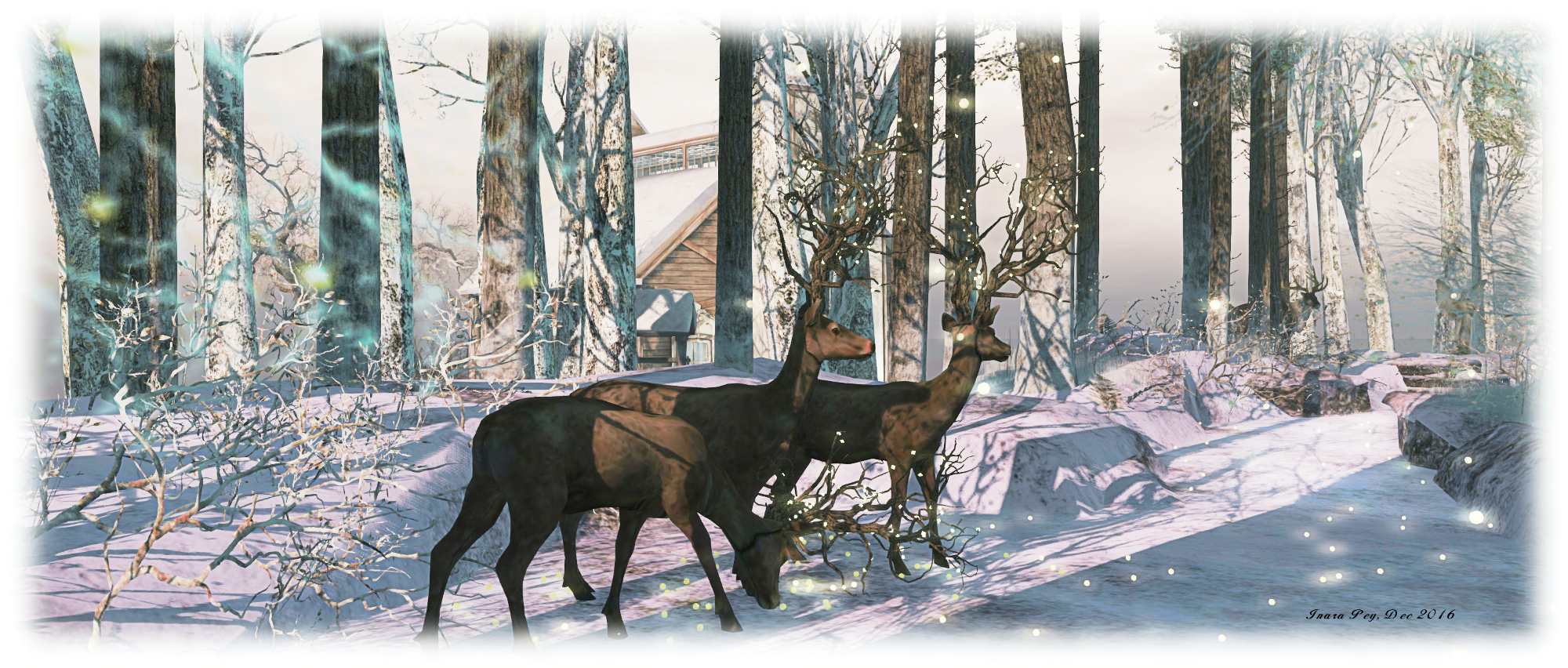
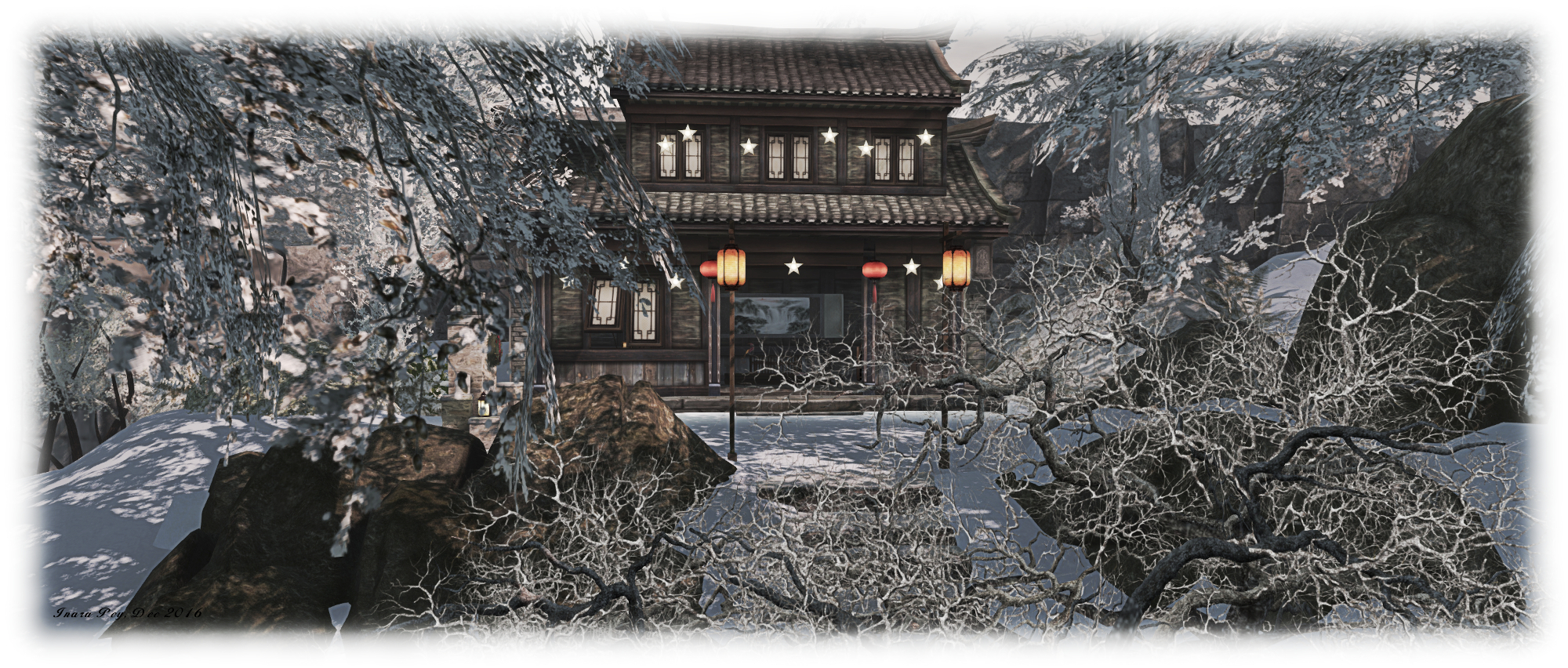
Namaste, Namaste; Inara Pey, December 2016, on Flickr Namaste, Namaste – click any image for full size

Far back in the mists of time (by Second life standards!) I visited and blogged Sethos Lionheart’s beautiful quarter region of oriental design, The Snow Lion, which offered harmony and serenity in a tiered garden setting. Such was my appreciation of the build, I missed it when it vanished from Second life.

So it was with the delight of receiving a Christmas gift that I accepted an invitation from Sethos to visit his most recent creation in Second Life, which forms a home for his growing furnishing design business – and more importantly – an interconnected set of locations open to the public with a special purpose.
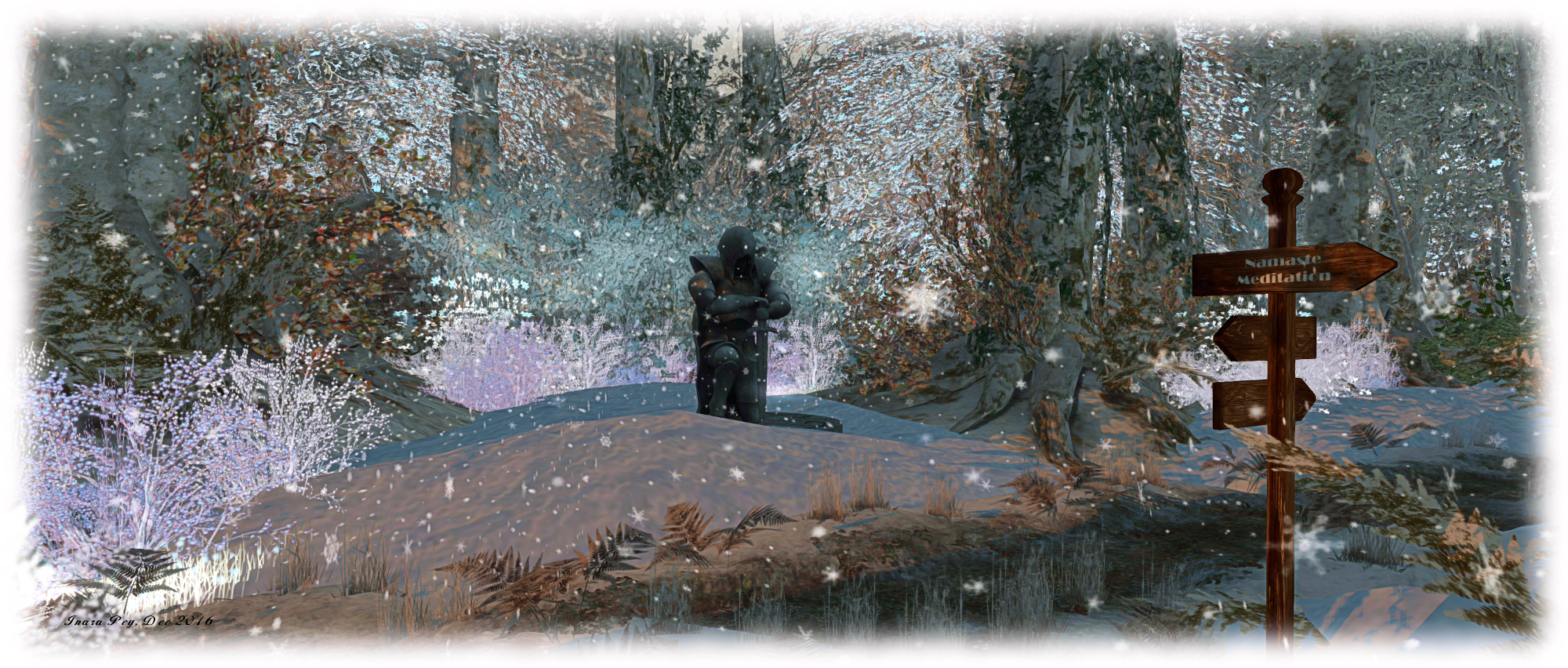
Namaste, Namaste; Inara Pey, December 2016, on Flickr Namaste, Namaste

“I decided to try a region,” Sethos told me, “not for the business – that exists there purely to help fund the region – but because I wanted to dedicated large parcels to the meaningful aspects of my life (both physical and SL), with the hope that others will find solace and comfort in it and come away feeling spiritually refreshed.”

Currently caught in the depths of winter, the region has four potential starting points for people’s visits. There is Namaste (after which the region is named), which for me offered a direct link back to the Snow Lion, and thus a natural place to start my visit. Within it sits a small Chinese style house, perfect for meditation, facing a low pagoda occupying a curl of land which wraps itself around a facing turn of water.
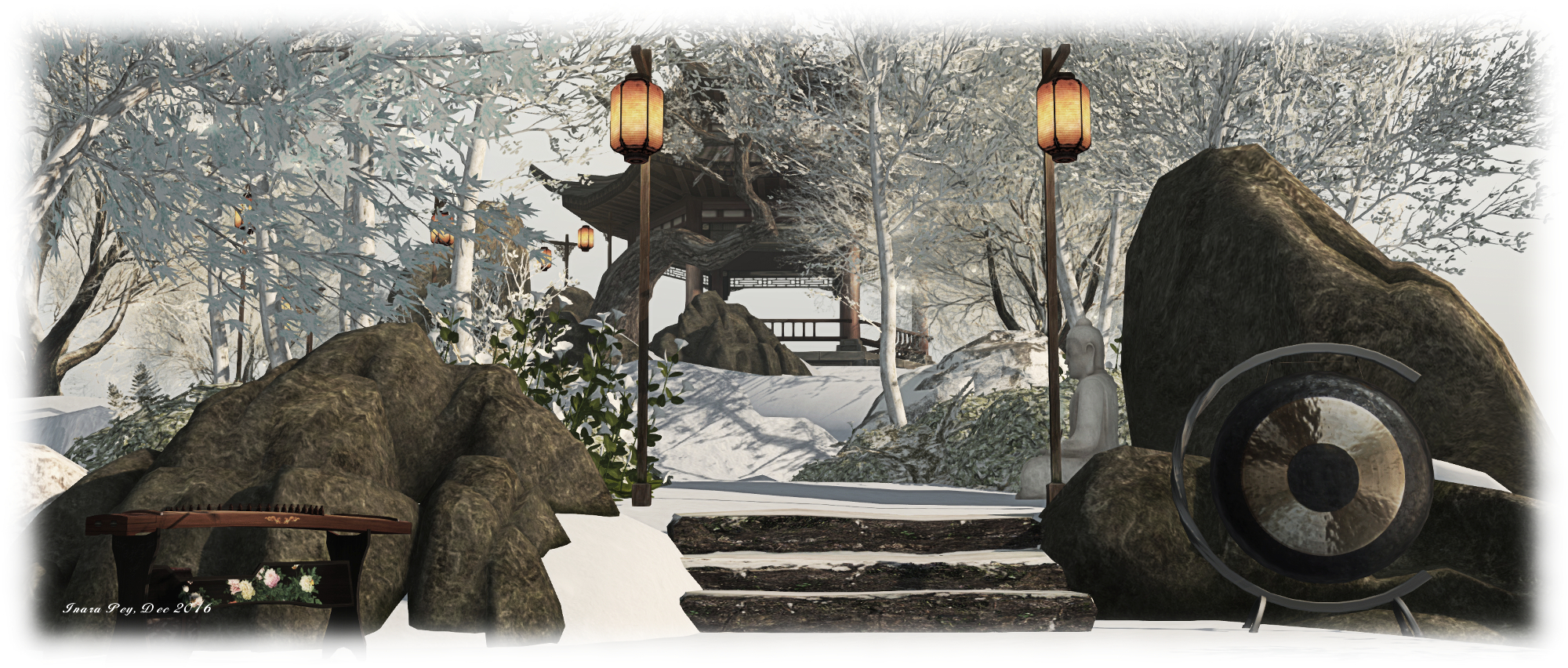
Namaste, Namaste; Inara Pey, December 2016, on Flickr Namaste, Namaste

Observe these from above, and you’ll see they form a yin-yang, echoing one of the centrepieces of The Snow Lion. Here, as with that design, the use of water and land to form the symbol perfectly encompasses the philosophical concept of opposites being complementary.  The best place, perhaps to appreciate this yin-yang, is by climbing the stone steps up to another pagoda, occupying a rocky promontory and offering further opportunities for reflection and meditation. Whilst there, do note how the pagoda and fountain are positioned to complete the yin and yang symbols.

“I’ve been meditating every day for the past year and I’ve never felt more integrated with life or more at peace with myself,” Sethos told me. “My hope is that this parcel offers as a quiet place for meditative contemplation and conversation while presenting a visual metaphor for the long process of self-discovery.” To help visitors relax and free their thoughts, Tai Chi balls and yoga mats are offered for visitors to use.
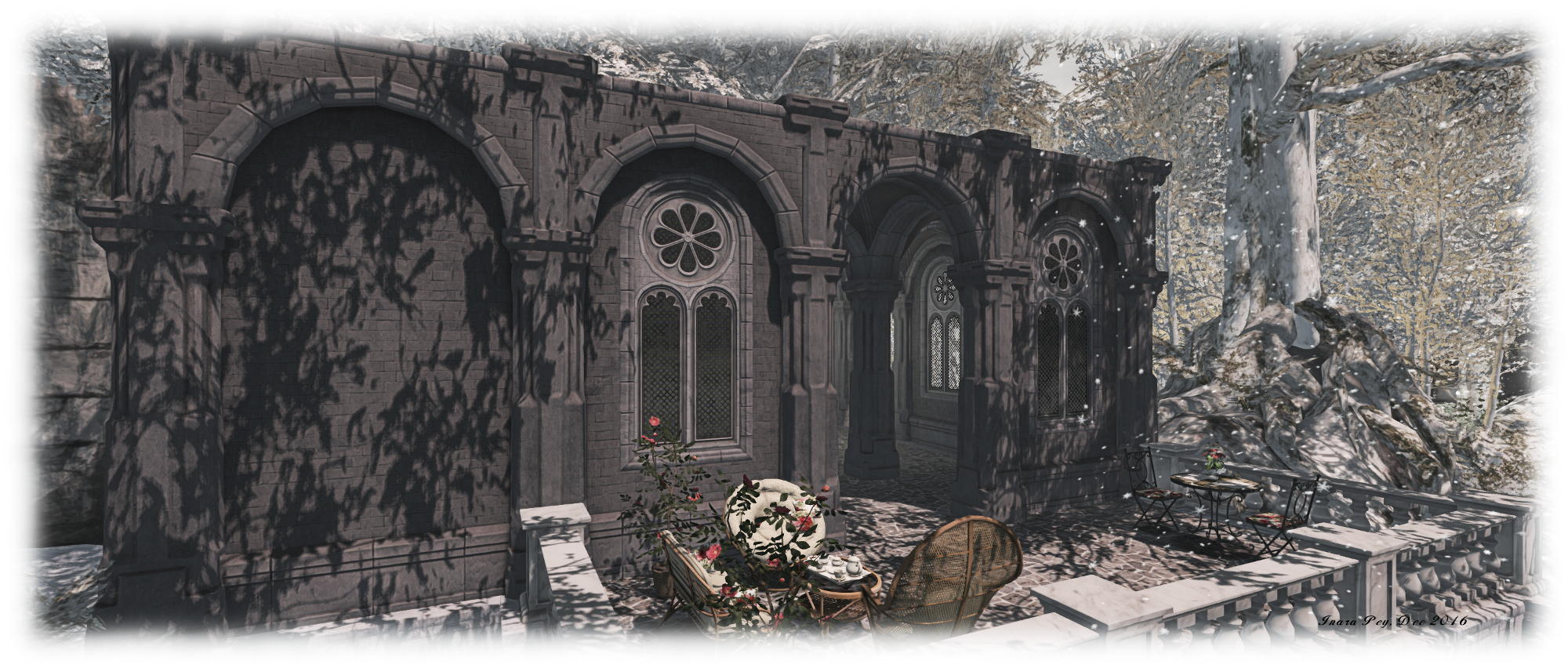
Namaste, Namaste; Inara Pey, December 2016, on Flickr Gaia’s Grove, Namaste

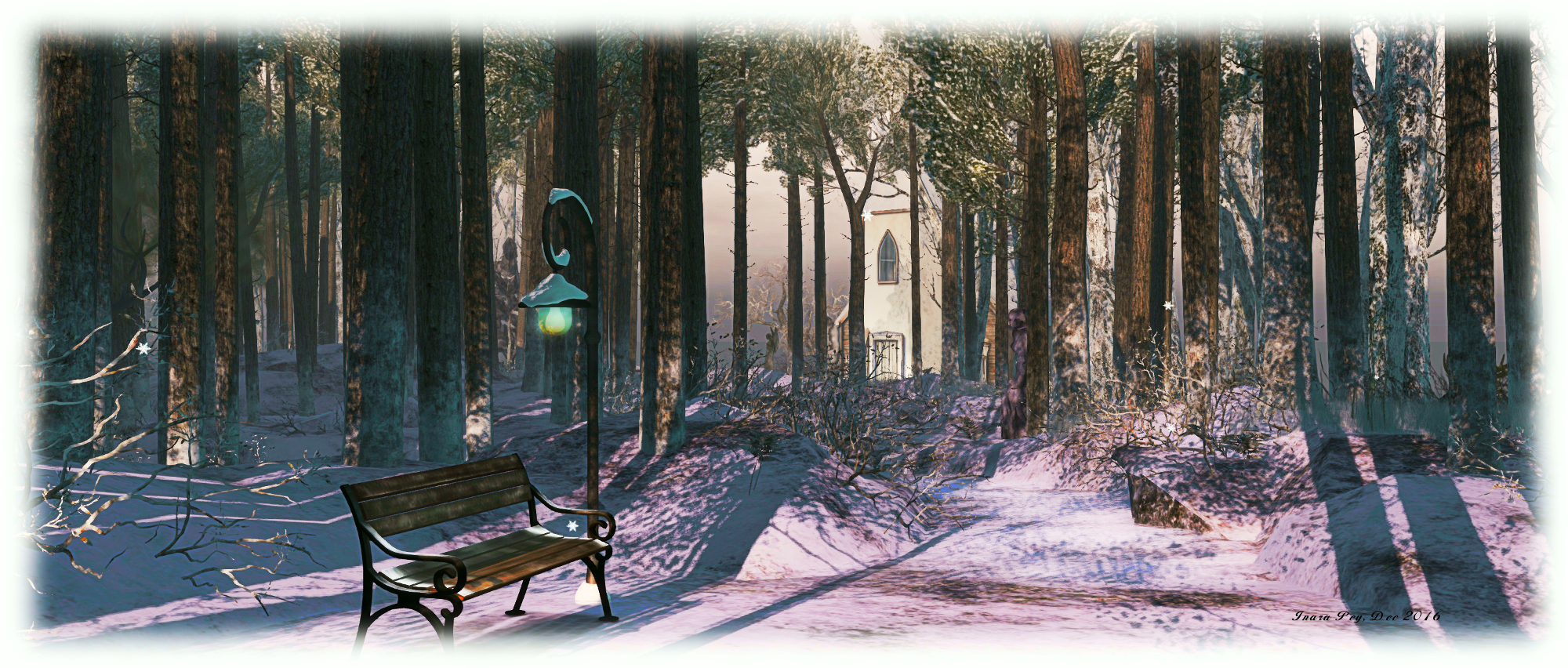
“I’ve spent most of my life as a practising pagan,”  Sethos said in introducing Gaia’s Grove, which can be reached from Namaste via the footpath winding through the trees – take the left turn where it branches – or you can follow the snow northwards along the water’s edge. “So Gaia’s Grove is meant to offer a place where one can commune with nature through long walks in the woods, a small temple, and even a version of Stonehenge.  I’ve also included an outdoor ballroom for good times with friends and family.”

The temple sits shaded under trees, reached via a second left turn in the path, its back against the wall separating it from the outdoor ballroom area. It also presents a place of quiet contemplation, with a balcony overlooking the water presenting a place for soft conversation. A short distance away, Stonehenge is offered as it might have looked to those who built it, and sits as a peaceful location amidst the snow.  Open to the air, the ballroom allows plenty of room for dancing under the sun or stars, in a romantic setting.
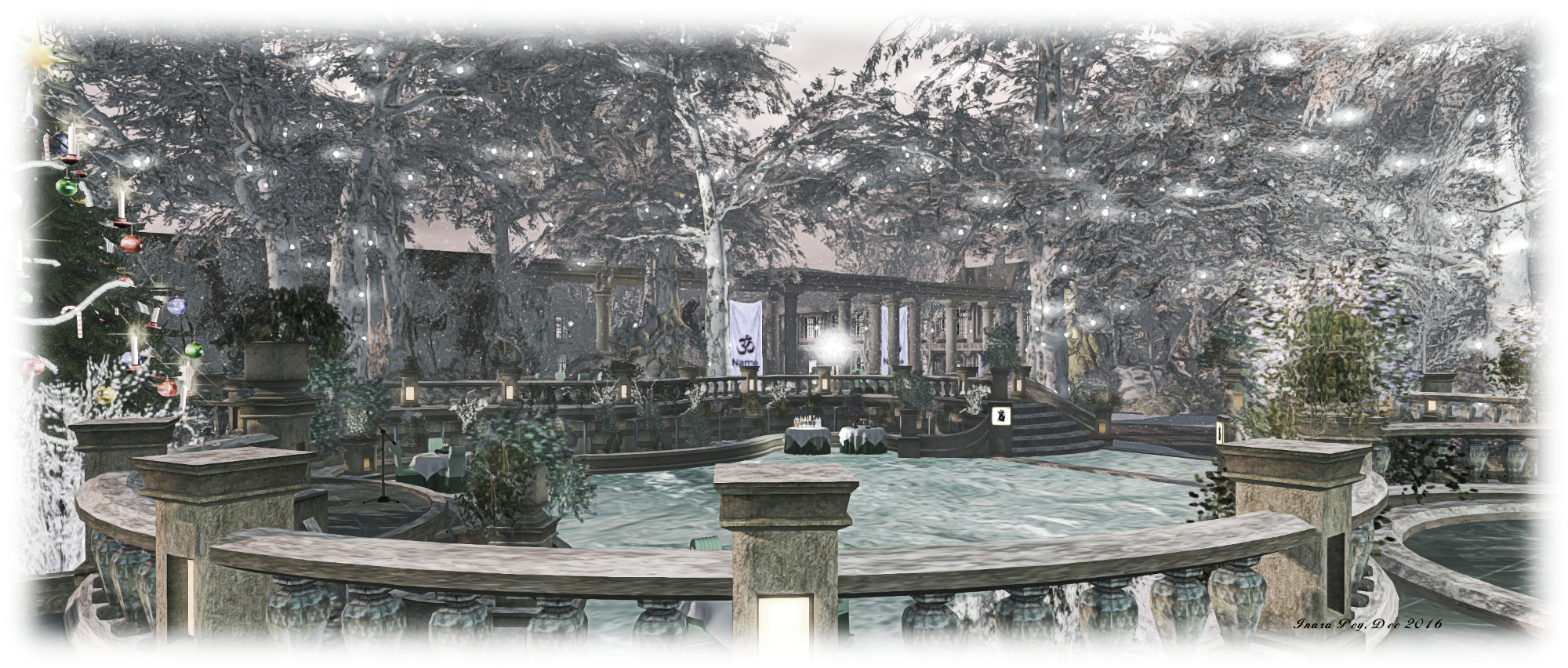
Namaste, Namaste; Inara Pey, December 2016, on Flickr The dance area, near The Old Stone Church, Namaste

The eastern half of the region is home to Sethos’ store, OM Namo, and The Old Stone Church. “I spent some time as Friar Sethos in Tintagel,” Sethos said of the latter. “Teaching basic Latin to the village children and giving mass each Sunday was some of the best moments in my Second Life. I finally understood in SL what I’d not seen in real life. That the church often is the heart-centre of a community.  So I offer this build as a reflection of that, and a place of sanctuary.  If you do go, visit the graveyard to the right of the church.  I find it particularly serene.”

Connecting the church and store is the second of the regions two large dance venues (a smaller third dance area is located to the side of the church), and a frozen pond awaiting skaters.

Caught within the snows of winter, with trees frosted and white and rolling snow-dusted hills surrounding it, Namaste made for a perfect seasonal visit this Christmas Eve. My thanks to Sethos for extending the invitation to drop in – Caitlyn and I will be back for certain!

Hell’s Crossing and the Walking Dead in Second Life

Hell's Crossing: Terminus - sanctuary, or ...?
Terminus at Hell’s Crossing: sanctuary, or …?

Back in June, friends Lυcy (LucyDiam0nd) and Max Butoh, famed for running [The Chamber]  and the always outstanding  Dathúil Gallery, both in the region of Floris, opened a new ventures; Hell’s Crossing, a free-form role-play environment (which you can read about here). At the time of the opening, it was a medieval role-play location; however, Lucy dropped me an IM to let me know things had been changed, and inviting Caitlyn and I to take a look.

As a role-play environment, Hell’s Crossing is intended to be updated from time-to-time, but in doing so, the core theme of crossing danger will always be present. And for this iteration, Max and Lucy has turned to what has become a modern classic: the comic book series turned hit TV show The Walking Dead, with “Terminus” added to the region’s name, reflecting a major location from the series.

Hell's Crossing: Terminus
Terminus at Hell’s Crossing

I have to confess, I’ve neither read the comic books nor watched the TV series, so beyond apocalypse, zombies and survival, I’m in complete ignorance of things. However, a deep understanding of either the show or the comics isn’t required; which Hell’s Crossing includes various locations from the series – the titular Terminus, the railroad tack with sign promising sanctuary at Terminus, an old church, a barn, etc., the emphasis here is fun, not getting buried in the minutiae of the series.

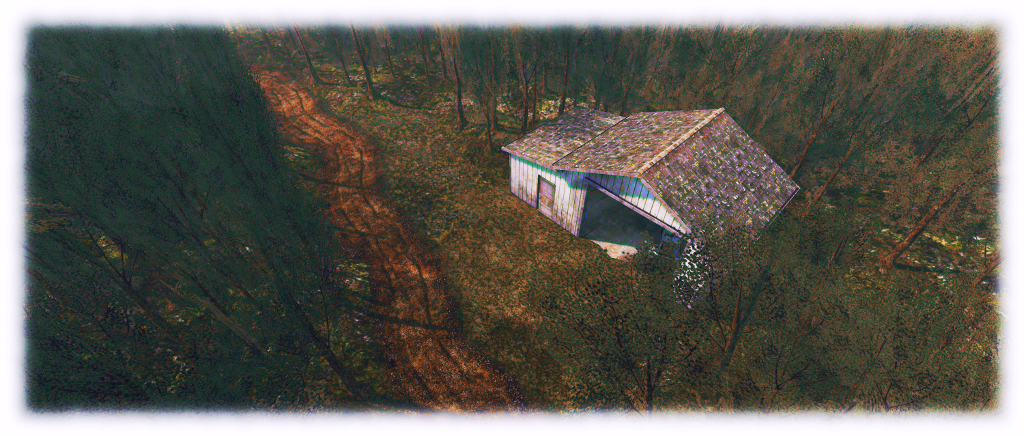
Visitors arrive at one end of the region, where they’ll receive a note card with some background information. Where you go from there is up to you. There’s the railroad to follow, winding dirt track and also twisting trails through the dense woodland. The various locations scattered across the region may (or may not!) offer safety from the zombies, but if you’re in the open, you’re fair game for eating: and if you “die”, you’ll be teleported home.

Hell's Crossing: Terminus - zombies!
Terminus at Hell’s Crossing: zombies!

If you intend to engage the zombies, you’ll need to be armed with a gun capable of causing damage*. If you want to simply explore, set CTRL-R, keep a sharp eye out for movement among the trees and be ready to scoot away. I’m actually not a big fan of shoot-’em-ups, but I admit, there is something addictive about Terminus at Hell’s Crossing. I found myself completely lost in running around and blasting zombies (which explode rather spectacularly, if bloodily, that I genuinely lost track of time.

Quite how much role-play will evolve is hard to judge. Certainly, the safe areas, Terminus in particular, offer scope for groups of people to come together in character or friends  / fans of the show to hop over in “informal” character and mix a little role-play with shooting the walkers.  However, I have the feeling the focus for most is going to be on splashing zombies.  With a points board on the wall just off to one side of the main warehouse in Terminus, there is a subtle encouragement to keep blasting away and engage in a little friendly competition.

Hell's Crossing: Terminus - zombies splashed!
Terminus at Hell’s Crossing: zombies splashed!

For those who do fancy a little RP amidst the shooting, there are a couple of points to keep in mind: Hell’s Crossing: Terminus isn’t intended to be a metered combat environment, and use of weapons against other avatars is frowned upon: the emphasis is on walker shooting. The region is open to rezzing, so weapons should work without a group tag, and props can be rezzed for photo shoots, with auto-return set to 20-minutes. Just make sure you have a means to stop any attempts at zombie photobombing!

All told, Terminus at Hell’s Crossing is a lot of fun. I can say that honestly, as I’ve so far spent around 3 hours there in the last 24, blasting away at things. What was I saying about not liking shoot-’em-ups?!

Hell's Crossing: Terminus - all along the watchtower...
Terminus at Hell’s Crossing: all along the watchtower…

* In editing, I removed a comment noting that the region uses the default damage indicator, rather than any metered damage system specific to the walkers, which means you can be “killed” while still apparently 100% healthy. Weapons-wise, the system isn’t geared to any specific make of weapon. I tried five different systems, and all worked fine. YMMV.

SLurl Details

A winter’s Magical Mystery in Second Life

Magical Mystery, Folk Town; Inara Pey, December 2016, on Flickr Magical Mystery, Folk Town – click any image for full size

“Magic and Mystery await around every corner,” Joonie Jatho says of her Homestead region, itself called Magical Mystery. “Come explore and see if you can find all the enchanted, secret places!”

It’s an enticing invitation, and one well worth taking the time to accept. Designed on Joonie’s behalf by the combined talents of Kaelyn Alecto (responsible for  It All Starts With a Smile (which I last visited here), LuaneMeo (who designed Luane’s World – see here – with Kaelyn, and most recently opened Luane’s Magic World – see here), and Gorba McMahon, Magical Mystery presents visitors with a lot to see and discover.

Magical Mystery, Folk Town; Inara Pey, December 2016, on Flickr Magical Mystery, Folk Town

This is a rugged landscape, icy and cold – but it has a warm heart waiting to be found by those who seek its secrets. Tall shoulders of rock and flat-topped plateaus surround the centre of the region, cut through by a deep gorge itself spanned by rocky arches. Snow caps the tops of these high, seemingly impassable cliffs, whilst encircling their feet is a low-lying realm of ice and snow.

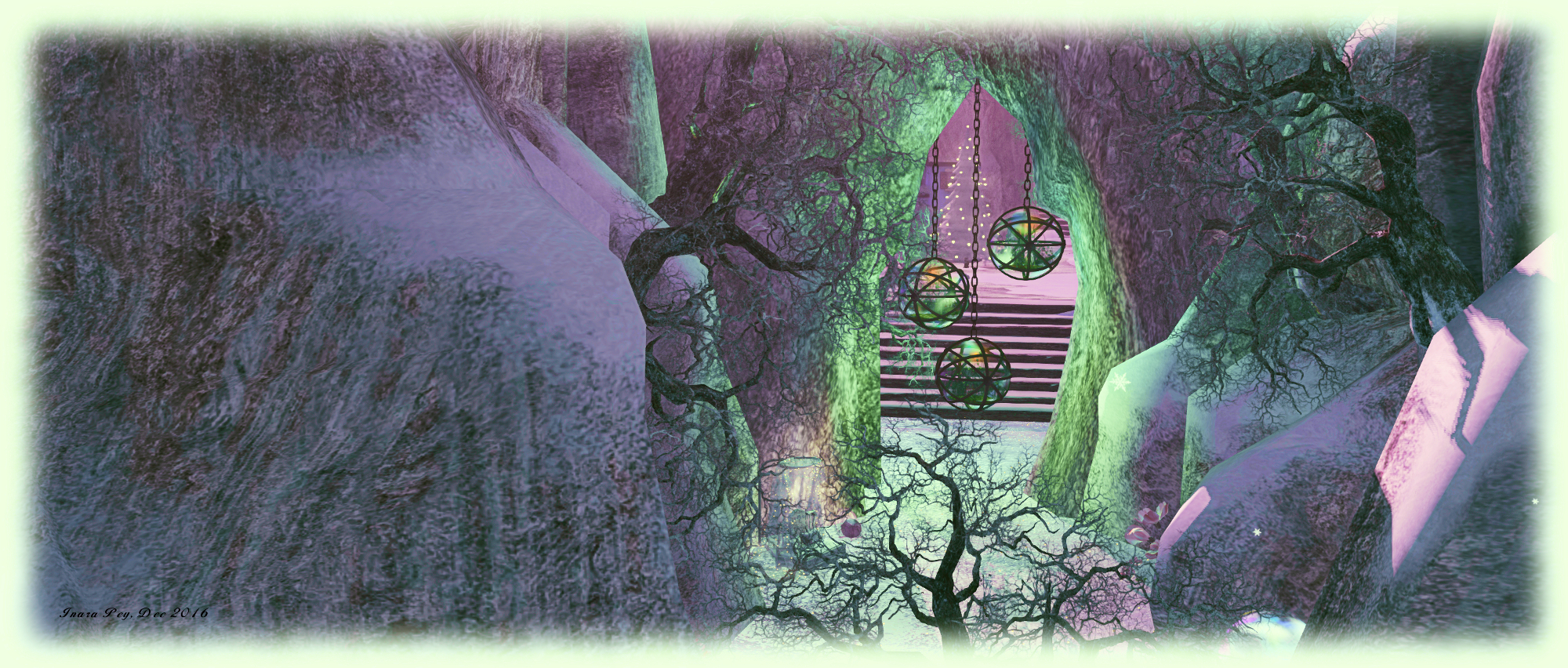
Visitors arrive on the south side of the region, where a path of snow-covered slabs forms a “T” junction. To the left and right, it points the way across the ice, while northward, it directs one’s feet into the deep cleft of the gorge towards a set of stone steps over which hang three great Fae bubbles, the hint of buildings lying beyond.

Magical Mystery, Folk Town; Inara Pey, December 2016, on Flickr Magical Mystery, Folk Town

Which route you take in exploring is up to you; go east and you can enjoy the frolics of penguins waddling over ice and belly sliding down snowy slopes. Go west and a bridge suspended between coloured balloons leads to a small island. Boats bob on the water close by, offering cuddle spots, and a frozen pond sits in the middle of the island, watched over by snowy egrets and pink unicorns. A sign warns of the danger of thin ice – but find the right point and you can plunge through the ice and into another world.

The northward route, through the gorge, leads you under the gnarled form of an ancient tree, bent with age, lie a tired sentinel at the gate of the deep cleft. Across a stretch of glittering ice, the stone steps lead the way to a little village hidden and safe within the enfolding might of the rocky walls surrounding it.

Magical Mystery, Folk Town; Inara Pey, December 2016, on Flickr Magical Mystery, Folk Town

Here the aged, bent trees clinging limpet-like to the near vertical walls of the gorge give way to firs trees, the largest of which is festooned with lights, the houses colourful and bright beneath it. A pond offers an opportunity for skating. Beyond the houses, more steps visible through a stone arch invite the visitor onwards and upwards, passing through a frosted wood to where a church sits on a finger of flat rock, reached via a sturdy wooden bridge.

But this is not all – far from it. Before the church the path again branches left and right through the trees, presenting visitors with more chances to explore – and those who take them will find more to explore, and that diving through broken ice isn’t the only way of finding the hidden magic of this region;  more to be found underground and up on the rocky peaks. Throughout it all, the local wildlife also awaits discovery, and there are places to sit and places to cuddle, opportunities to slip inside and warm up after the cold. For those who feel a little more active, skating and sledding is also to be found.

Magical Mystery, Folk Town; Inara Pey, December 2016, on Flickr Magical Mystery, Folk Town

Magical Mystery makes for a rewarding visit. Should you enjoy your time there, do please consider making a donation towards the region’s continued enjoyment by others.

SLurl Details

Resting in Fall Trace in Second Life

Fall Trace, Tranquil Bay; Inara Pey, December 2016, on Flickr Fall Trace, Tranquil Bay – click any image for full size

In November, Caitlyn and I dropped in to Winter Trace, one of the three seasonal Trace regions in Second Life designed by Kylie Jaxxon and Elvira Kytori – see my article here. At the time of writing, I noted that we had yet to visit Fall Trace, so having spent some time bouncing around wintry regions, we decided to spend a lazy Monday taking a look.

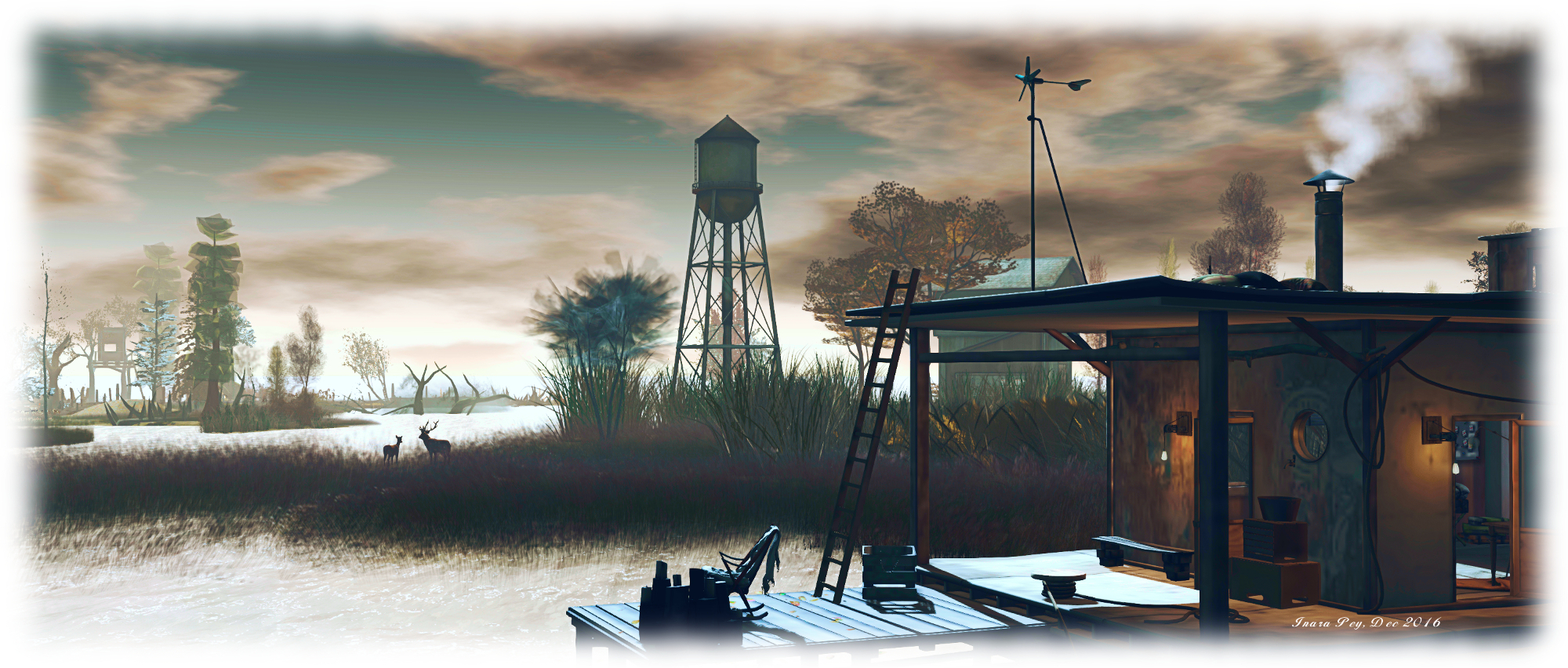
As the name suggests, Fall Trace offers an autumnal look and feel, with Eliva taking the lead in the design, and Gnaaah Xeltentat providing additional support. The presentation is that of a low-lying marshland, perhaps at the estuary of a slow-flowing river. The land is flat and reedy, much of it under a shallow covering water, across which trees coloured in autumn’s golden hues stand sentinel.

Fall Trace, Tranquil Bay; Inara Pey, December 2016, on Flickr Fall Trace, Tranquil Bay

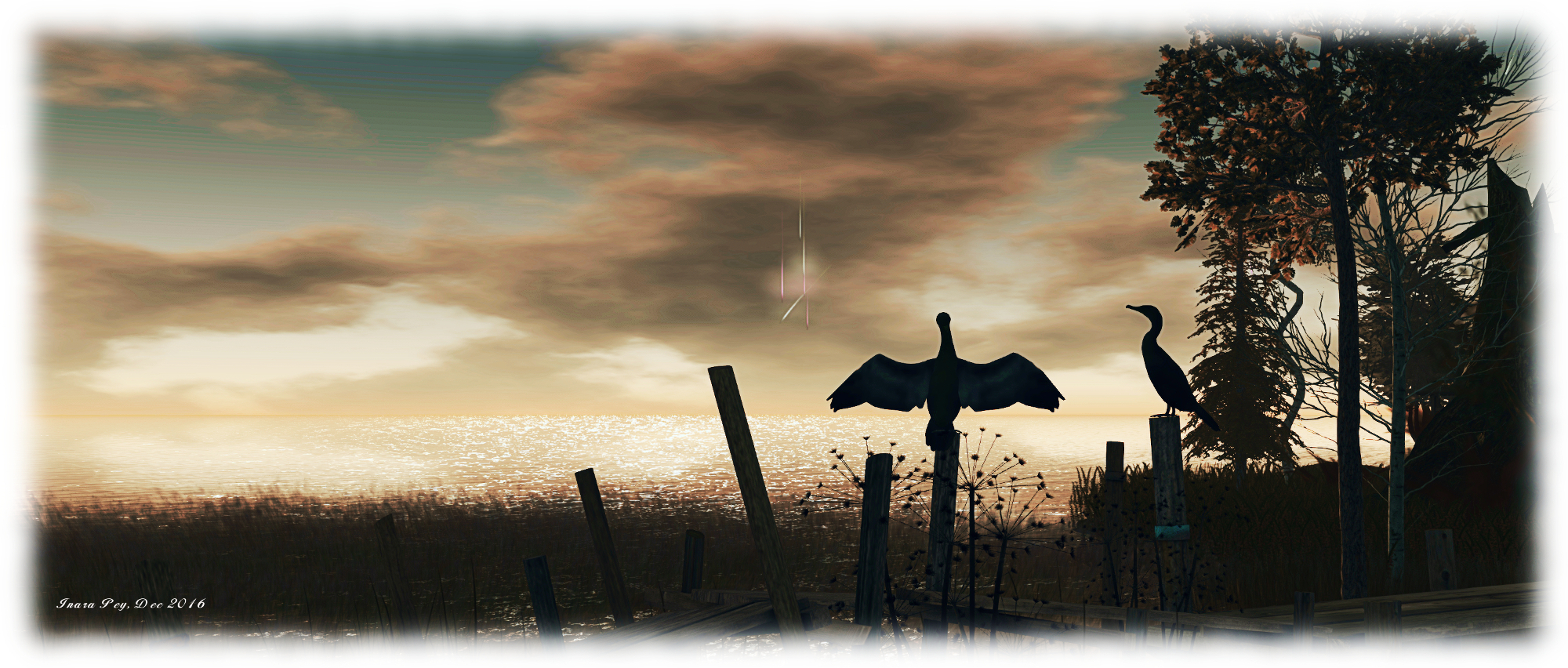
This is a wildlife haven: deer stand in the ankle-deep water, appreciative of the tall grasses growing along the edges of the various water channels, watched by geese and black swans on the water. Cormorants and pelicans vie for perches on the posts supporting the wooden board walks which snake across the landscape, while crows wheel overhead.

The board walks offer visitors a dry means of getting around a lot – but not all – of the region. From the landing point, they run eastward before curling north and then back to the west, branching periodically to offer access to the stilt-mounted cabins and shacks or pointing the way to little decks with seating. Roughly half way around this arc of walkways sits a houseboat, smoke wafting from its stack, testament to the warmth inside.

Fall Trace, Tranquil Bay; Inara Pey, December 2016, on Flickr Fall Trace, Tranquil Bay

South of this main route around the region, across a broad swathe of water, sits a little group of islands, another board walk running along them. These are home to a social deck with music, a tree house and, at their eastern end, a small shack. Two more shacks lie to the north-east, whilst dotted around the region are rowing boats and poses offering plenty of opportunities – along with the deck seats noted above – for sitting and watching the wildlife or enjoying time with a partner or loved one.

It seems that airboats were at one time available for getting between the main board walk and these outlying areas, but the rezzers were disabled on our visit; we assumed they’d proven too disruptive to the local wildlife. Getting across the water is therefore a case of getting feet wet and wading.

Fall Trace, Tranquil Bay; Inara Pey, December 2016, on Flickr Fall Trace, Tranquil Bay

Set under a cloud scudded autumn sky, the sun low on the horizon, bathing it in a soft golden glow and scattering glimmering reflections over the water, Fall Trace offers a peaceful haven when so much is rush, rush, rush at this time of the year. It perfectly accompanied by an ambient sound scape, and offer considerable scope for the photographer.

I confess to having some performance issues during our visit – the region and my PC just did not want to play nicely, forcing me to turn off options such as shadows when moving around. However, this wasn’t a major inconvenience, and certainly didn’t in any way diminish my impressions of Fall Trace.

SLurl Details

Discovering 1920s New York in Second Life

1920s New York Project

“I’d been considering doing a 1920’s New York Project for a long time, wanted to make sure I had the time and resources for a project this big,” Jogi Schultz (yogijo) – “Mr. S” to the folk in his neighbourhood – told me as we emerged from the subway station into the world of New York in the mid-1920s, as modelled by his 1920s New York Project.

As we stood at the roadside, a few cars parked at the kerb, he continued, “New York City has been my favourite city since I was a kid.  There is so much history here, even in the buildings themselves.  And it’s so diverse in what it has to offer.”

I’d first come across the project via Annie Brightstar. Her article was enough to pique my curiosity and encourage me to hop over to take a look – and that encouraged me to contact Jogi to find out more.

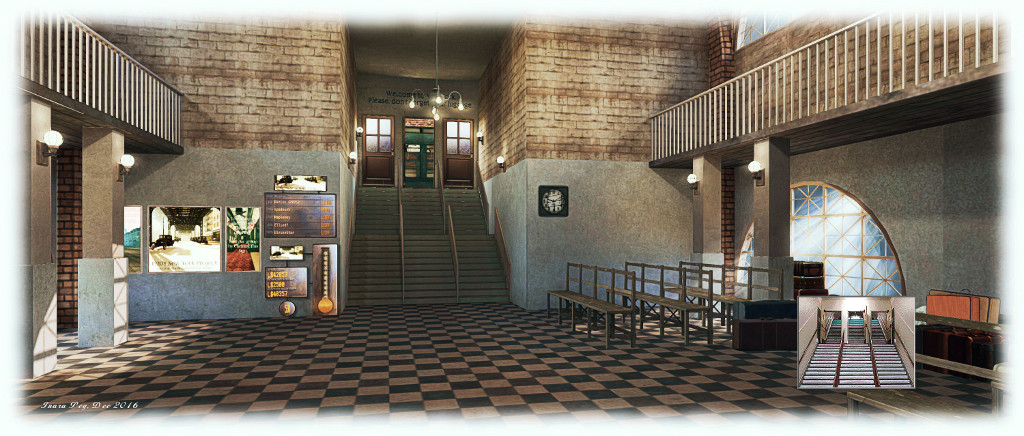
1920s New York Project: the landing point, model on the Detention Hall, Ellis Island, complete with the Stairway of Separation (and the real thing, inset)

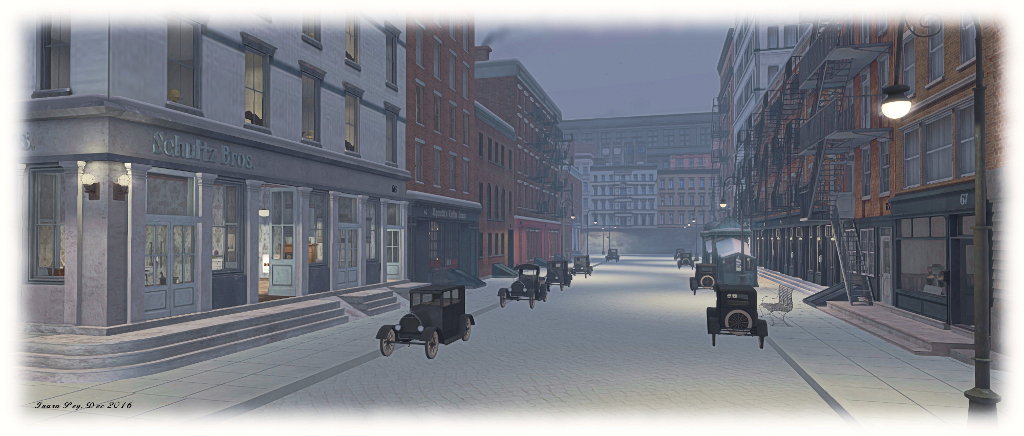
“I started back in September,” he told me as we stood chatting. “I’m doing everything by hand; none of the builds are intended for sale to others. It’s all for the project.” And by ‘everything’, he means just that: buildings, roads, sidewalks, street lamps, the elevated rail line, the ornate iron subway stair copulas – even the period cars parked at the kerb side – everything has come from Jogi’s research, and been carefully designed and constructed.  “We’re at a quarter region now, and I’m just starting on the next quarter, in time the project will extend over a full.”

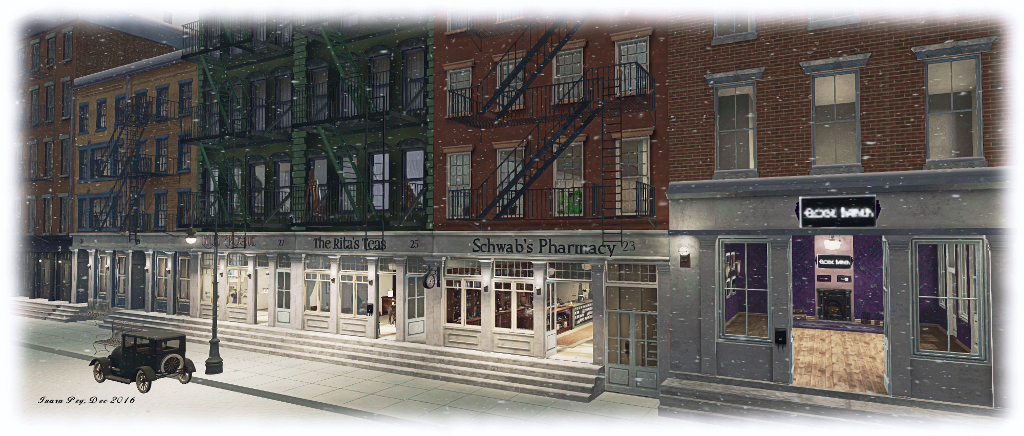
The work completed so far is impressive. Jogi has taken extraordinary care to recreate buildings from the period which actually existed (some of which still do today) along streets such as Pearl St and Water St in lower Manhattan. At street level, stores and boutiques line the sidewalks, with brick-faced and concrete apartment blocks rising 3, 4 or 5 stories above them, fronts often hung with the wrought iron railings and stairs of fire escapes, great ladders ready to drop to street level should they ever be needed.

Nor are these simply empty structures. “The aim here is authentic role-play,” Jogi told me. “We have around 50 rentals in total. Already all the available apartments have been rented, and the stores are filling up. When we formally open, a dress code will be in place, and visitors will be encouraged to dress the part on arriving. We’ll be requesting all open chat is kept in character, and everything else, questions and things,  are kept to IM.”

19920s New York Project: Water Street businesses
1920s New York Project: Water Street businesses – click on any image for full size

As if to echo this, one of the local tenants came by, a bonnet protecting her head and hair from the cold, heavy coat falling to her knees. “afternoon Mistah S,” she greeted, with a nod and a smile to Jogi.

“Afternoon, Matilde,” Jogi replied, lifting a finger to touch the brim of his fedora in a polite salute.

Visitors to 1920’s New York Project arrive below a subway station in a large hall, on one side of which is a broad stairway leading up to the station’s platform. “It is actually modelled on the detention area at Ellis Island, New York”, Jogi told me. “And the stairs are the Stairs of Separation. When immigrants came to New York by ship, they’d arrive at Ellis island and checked. Some would be detained due to illness or other concerns, and get directed down the stairs to the detention area, where they might face deportation.”

It’s a sobering start to a visit to the project – but one not entirely out-of-context in a way. 1920s New York Project, as noted, is intended to be a period environment, and so the hall acts as a point at which arriving visitors can read the rules, understand things like the period dress code. Then, they can either pick up a suitable period outfit from the free vendors or, if they feel it is not for them, they can “deport” themselves by teleporting home or elsewhere.

Those taking the stairs up from the hall will pass by way of the station’s platform and ticket hall to street level. “Obviously, there isn’t a real subway platform connected to the Ellis Island hall,” Jogi said, “but it all seemed to fit together visually here. At street level, the station is actually a couple of blocks over from where we’re standing, but after seeing the original, I thought one would really complete the picture I was going for. In fact, I actually started the entire project with the subway.”

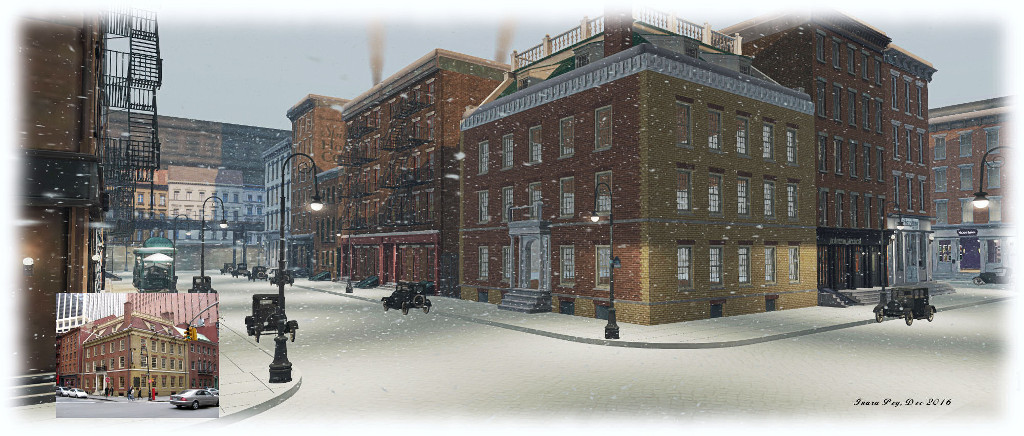
1920s New Tork Project: Fraunces Tavern in Second Life, and inset - how is looks today
1920s New York Project: Fraunces Tavern in Second Life, and inset – how is looks today

Jogi indicates a building across the street from the stations entrance.  “That’s one of the oldest blocks in New York; still in existence today, actually. When picking an area, I really wanted something typical New York, but which offers things like a park, a waterfront, the elevated subway, and something like Fraunces Tavern and its history.”

The current build is centred on a one-block area of lower Manhattan, running from Broad Street up to Coenties Slip, and from Water Street across to Pearl Street, not far from either the East River or Battery Park. The second block, occupying a further quarter region area, is currently under construction, but even without this, the opportunities for role-play are clear. The apartments offer room for tenants to establish themselves (all who rent are aware the entire build will be re-locating in the future), while there are a number of businesses set-up specifically for the purposes of role-play.

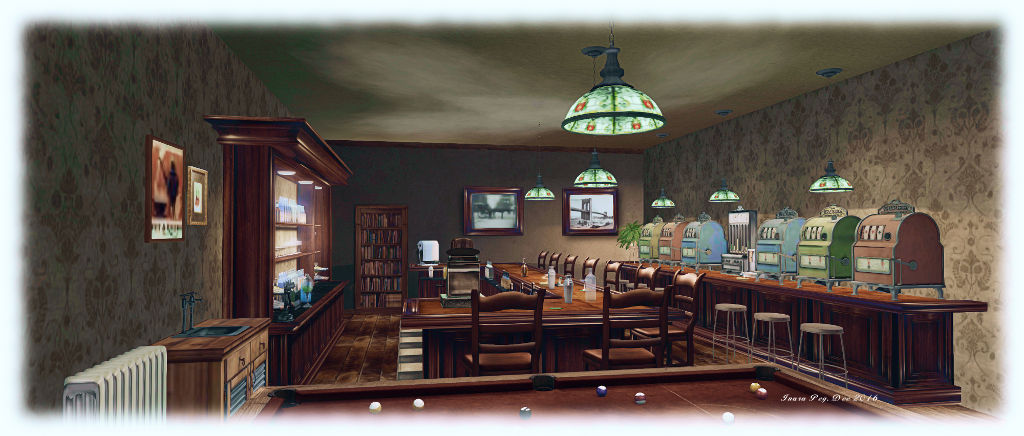
Take the men’s barber’s shop on Water Street, for example, and remember that the 1920s were the era of Prohibition. Following the sign for the restrooms, you’ll come across a back room speakeasy, where the booze flows in secret (I’ve heard it’s run by Mr. S himself, but I cannot confirm or deny the rumour). While there, make sure you try the slot machines and games on the counter: they’re exquisitely made by Jogi, and all of them work.

1920s New York Project: The speakeasy under the barber's
1920s New York Project: The speakeasy under the barber’s

“That’s one of the reasons I chose this era,” Jogi replied when I asked him about prohibition and the boom / bust cycle of the 1920s. “That, and the 1920 and 1930s have always been one of my favourite periods of history. So much changed in that time for better and for worse.  New York offered so many Americans the chance at a new life.

“But the 1920’s weren’t just a decade of happy times. This city was tough, and to make it here took a lot of effort & major sacrifices.  My goal is to help people learn about that, and experience it themselves.”

I wondered if the name of the environment was a reflection on a certain other recreation of the period in Second Life. Jogi laughed. “I’m a fan of the Berlin Project; always have been. It helped me realise what could be achieved in Second Life. Jo [Yardley] likes my sim and I enjoy hers. Originally, this was going to be just 1920’s New York, but that name was already taken; and since this is a project & work in progress, we added ‘Project’ to the end.”

1920s New York Project: under the elevated railway track running over Coenties Slip

Given all that has already been achieved,1920s New York Project is already a fascinating build and I look forward to witnessing it grow. The amount of effort already poured into it is amazing, and with all of the apartments already rented, the streets are starting to come live with local residents and characters. During our explorations, Caitlyn and I bumped into several and received a warm welcome each time. We both look forward to return trips to see how things grow.

SLurl and Links

With thanks to Jogi for putting aside time for me while preparing for the official opening of the project.

Boarding the Arctic Express in Second Life

DRD Arctic Express
DRD Arctic Express

Inspired by the 1985 children’s classic, The Polar Express, written and illustrated by Chris Van Allsburg, the DRD Arctic Express, built by sisters Jaimy Hancroft and Ewoyn Swords, is currently being showcased in its own region for the holiday season. As the region is a venue for the Lab’s Jolly Holiday Crawl, and DRD is the subject of segment #42 of the Drax Files World Makers; (see my review here), Caitlyn and I took time out on a Friday afternoon to pay it a visit.

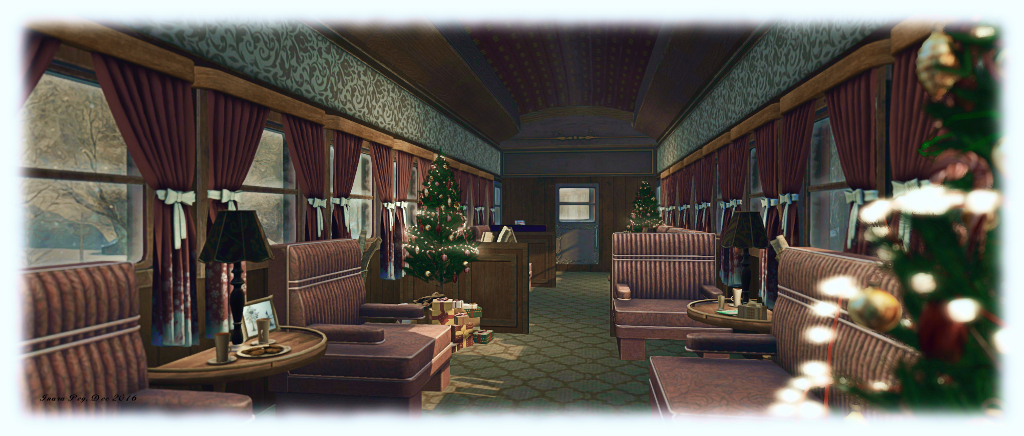
The express sits to one side of a snow-bound landscape under an overcast sky, patiently awaiting passengers to climb the steps and board the carriages. Those who do will find there’s considerable comfort to be had within. For example, the First Class saloon located immediately behind the engine and its tender, provides soft sofas and armchairs in which to relax, with decorated Christmas trees offering a seasonal sparkle, while cookies and hot chocolate are on hand to ward off the cold.

Travel in style
Travel in style

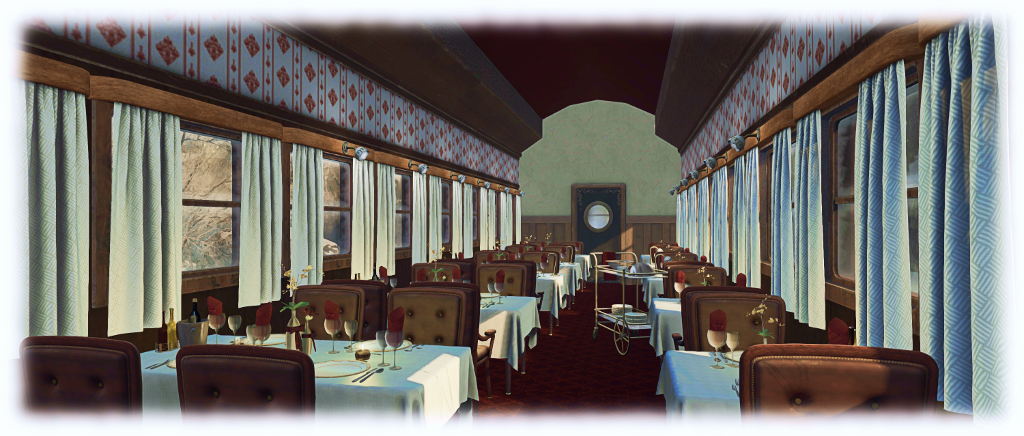
Behind this sits the dining car, where the tables are set for those seeking a filling repast – just take a seat and discover for yourself!  Travel further back through the train, and the first class carriage awaits, and behind it, the club car. The latter offers a range of alcoholic beverages for those seeking something with a little more edge than hot chocolate to help them recover from the cold air outside. Bringing up the rear of the train are the standard and third class carriages.

Hauling all of this – so Google informs me – is a mighty 4-6-6 locomotive modelled after the Berkshire 2-8-4 engine from the book (and its cinematic counterpart). This is beautifully detailed on the outside (and the cab number includes a special significance for Jaimy and Eowyn, being three of the digits from their late father’s birth date). While the cab might appear a little plain, there is fun to be had  – simply touch the boiler and select Sit to find out more!

Enjoy a meal and a glass of wine

Across the snow from the train, for those who feel a need to stretch their legs, is a little DRD outpost where those joining in with the Lab’s Jolly Holiday Crawl on December 19th will be able to claim some special DRD gacha items.

Perfectly showcased, DRD’s Arctic Express makes for a pleasant visit and an ideal location for photography.  I’m not sure how long it will remain available for visits, but it’s definitely not one to be missed, either on its own, or as a part of the Jolly Holiday Crawl.

DRD Arctic Express
DRD Arctic Express

SLurl Details