A trip to R.A.H.M.E.N.L.O.S. in Second Life

 R.A.H.M.E.N.L.O.S.; Inara Pey, January 2018, on Flickr R.A.H.M.E.N.L.O.S. – click on any image for full size

Rahmenlos is the private team project of the Rahmenlos-Chaos-Team (R.C.T.). We are a mixed troupe from different German-speaking areas. And as different we are, R.A.H.M.E.N.L.O.S. is too. Everyone of us got involved with his own ideas and personality. And the result is really good. Whether you like beach, nice landscape, City- or Club-Live, animals, hidden places or just much small things to explore: everyone will find his favourite place!

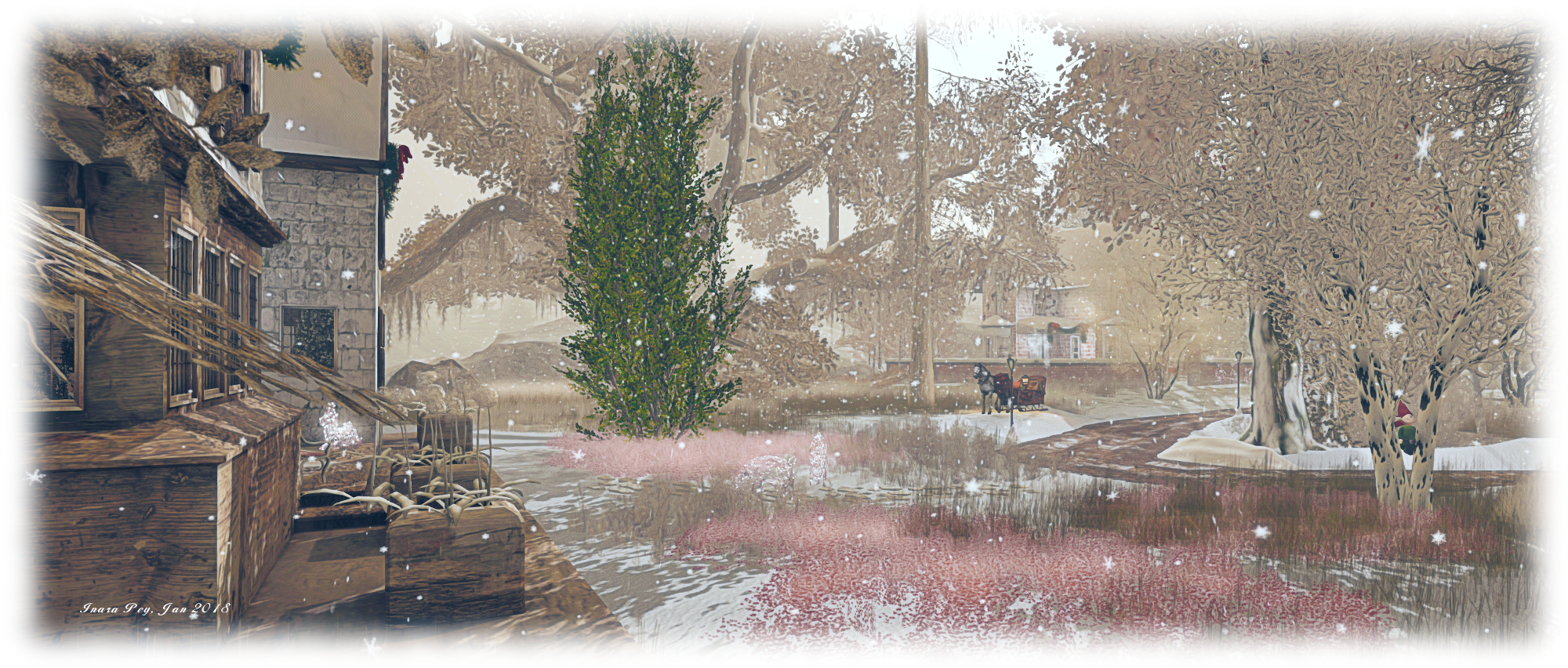
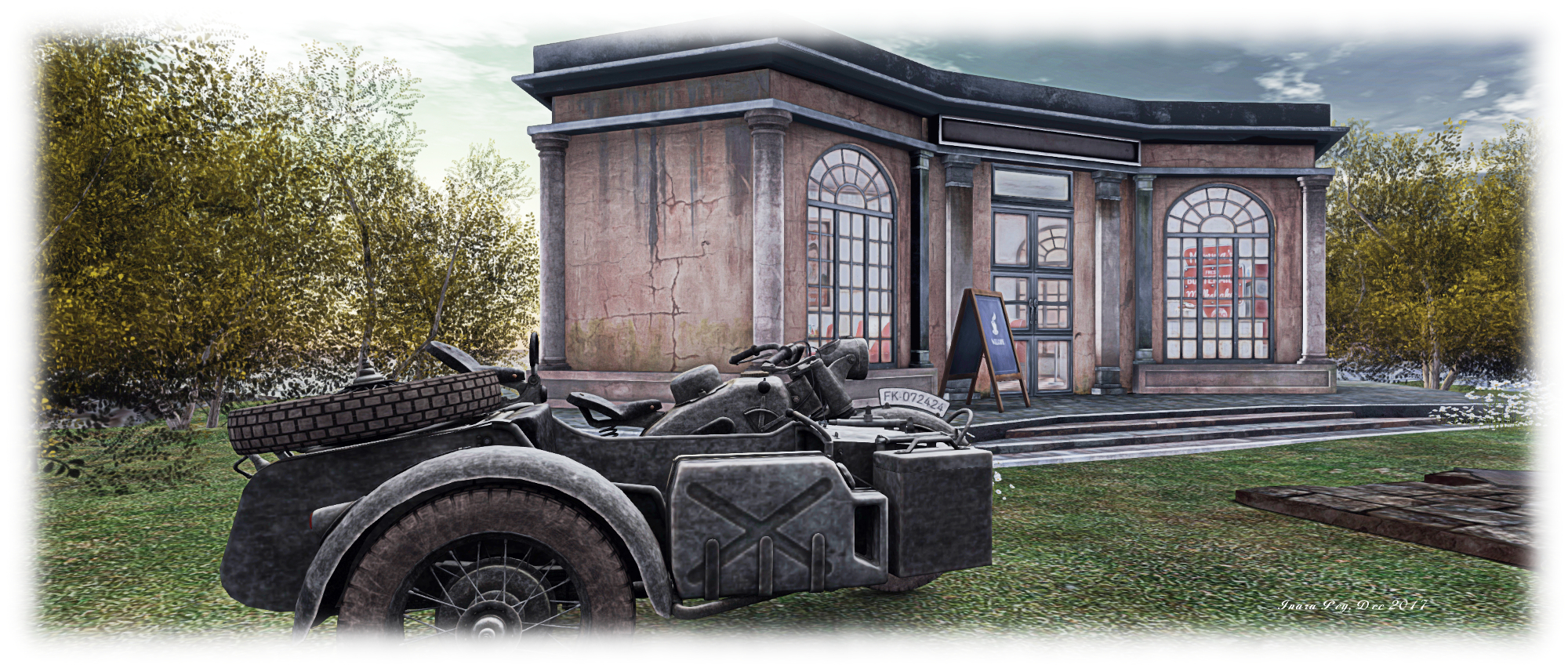
Thus reads the introduction to R.A.H.M.E.N.L.O.S, a 1/2 region design Shakespeare and Max pointed us towards. It’s an interesting team / community build, which as the introduction states, offers a little something of everything. Occupying the south side of a Full region, there is no set landing point, so I’ve opted a location on the east side of the parcel, close to its northern edge. This takes the form of a small precinct of town-style buildings which include a coffee bar and cheese shop sitting before a terraced seating area, together with a brewery, and where an information giver is located.

 R.A.H.M.E.N.L.O.S.; Inara Pey, January 2018, on Flickr R.A.H.M.E.N.L.O.S.

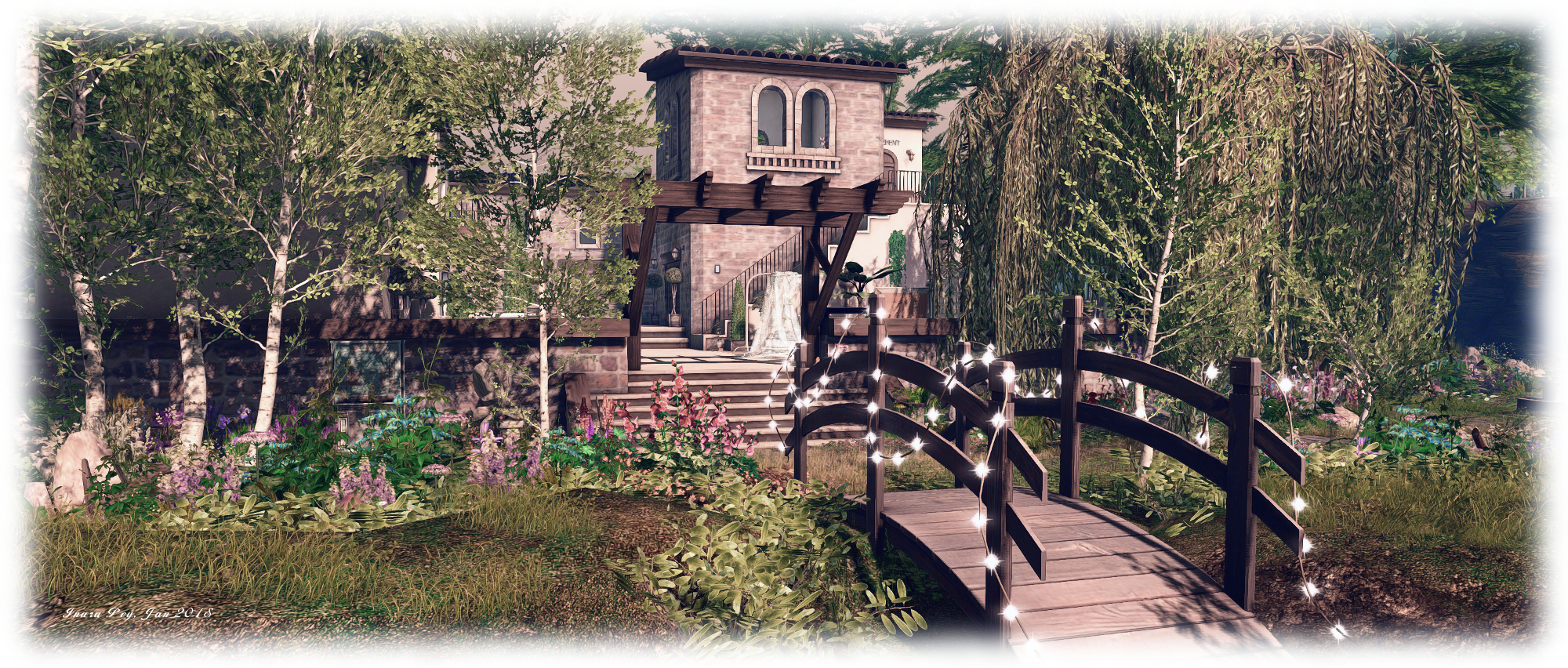
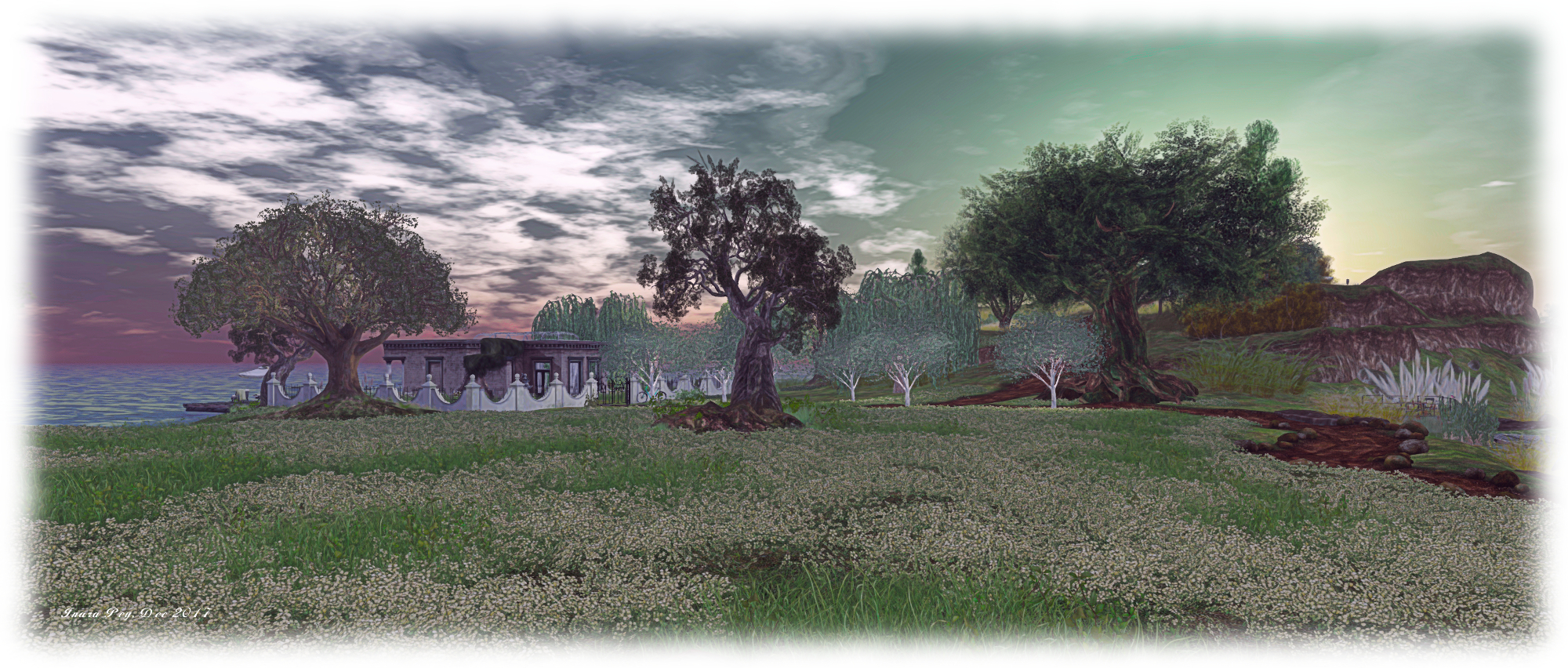
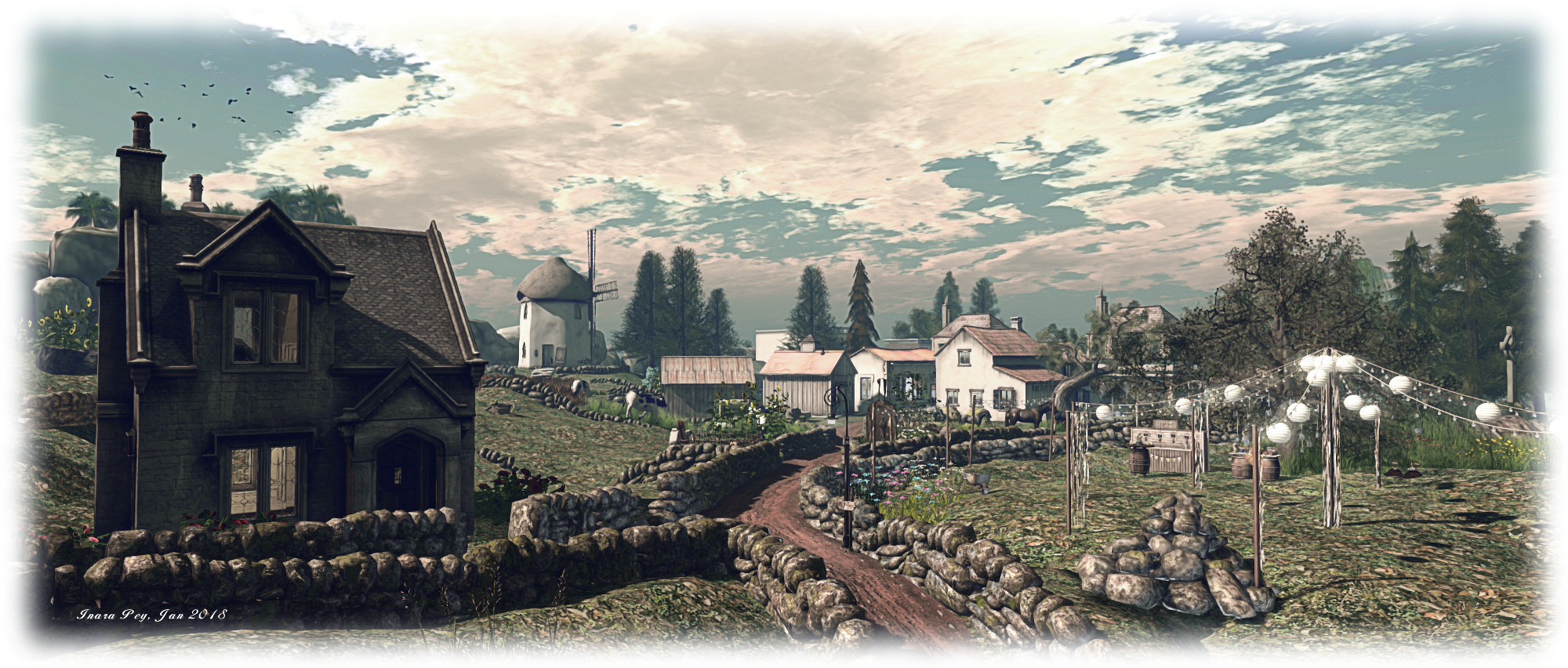
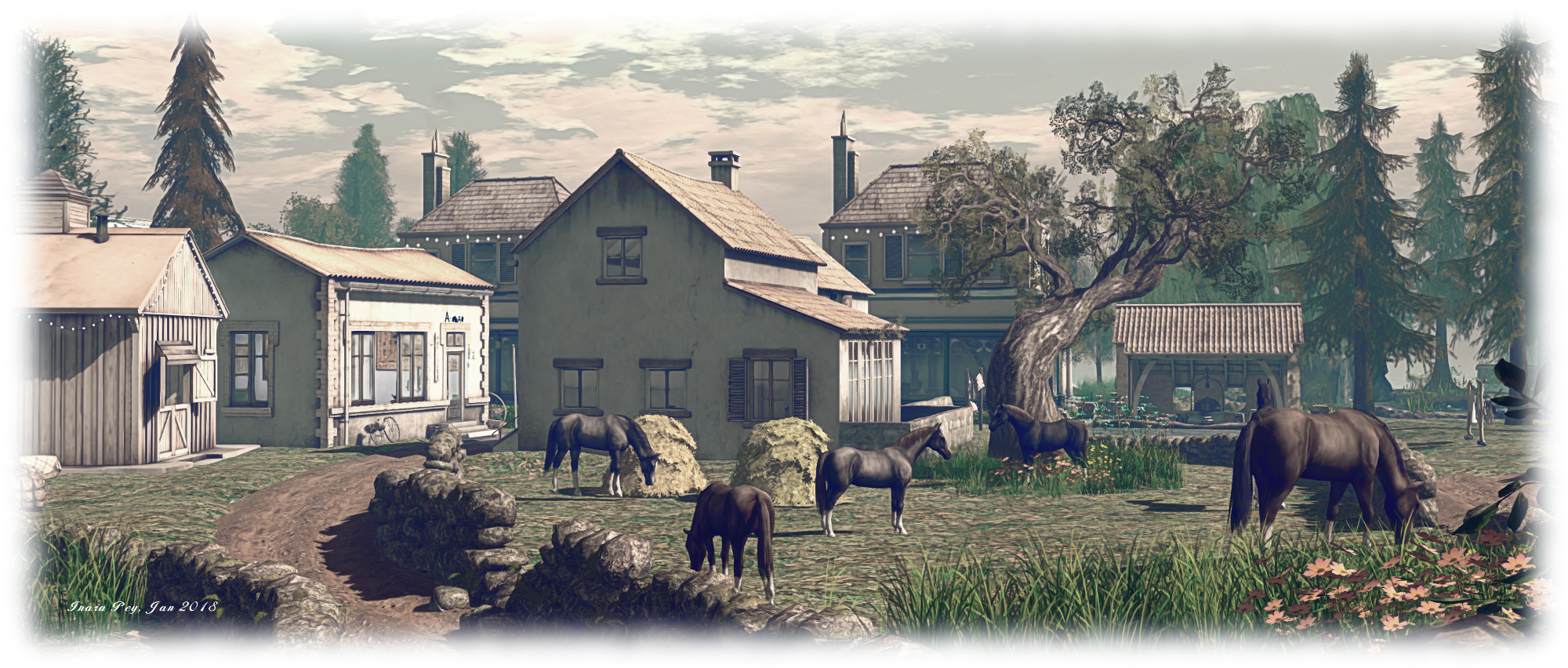
Across a rough cobbled road from these is a second piazza, home to another shop and a small art gallery. Two more shops are close by, guarding the way to a small hamlet of houses beyond which open fields stretch westwards, climbing gently up to a Tuscan villa sitting atop a low hill.

Beyond the hamlet, the cobbled roads quickly give way to a dirt track that runs up to the villa. Along the way, it is joined by others, like tributaries joining a stream. One of these offers the way to a rough path leading down to a small beach on the south side of the land, others offer paths to the houses and cottages scattered across the landscape below the villa. The largest of these houses also sits on the south side of the land above a range of low cliffs rising from the sea, a small music venue in the field alongside it. Inland from here, a thatched cottage and windmill watch over cows and horses grazing in the fields.
 R.A.H.M.E.N.L.O.S.; Inara Pey, January 2018, on Flickr R.A.H.M.E.N.L.O.S.

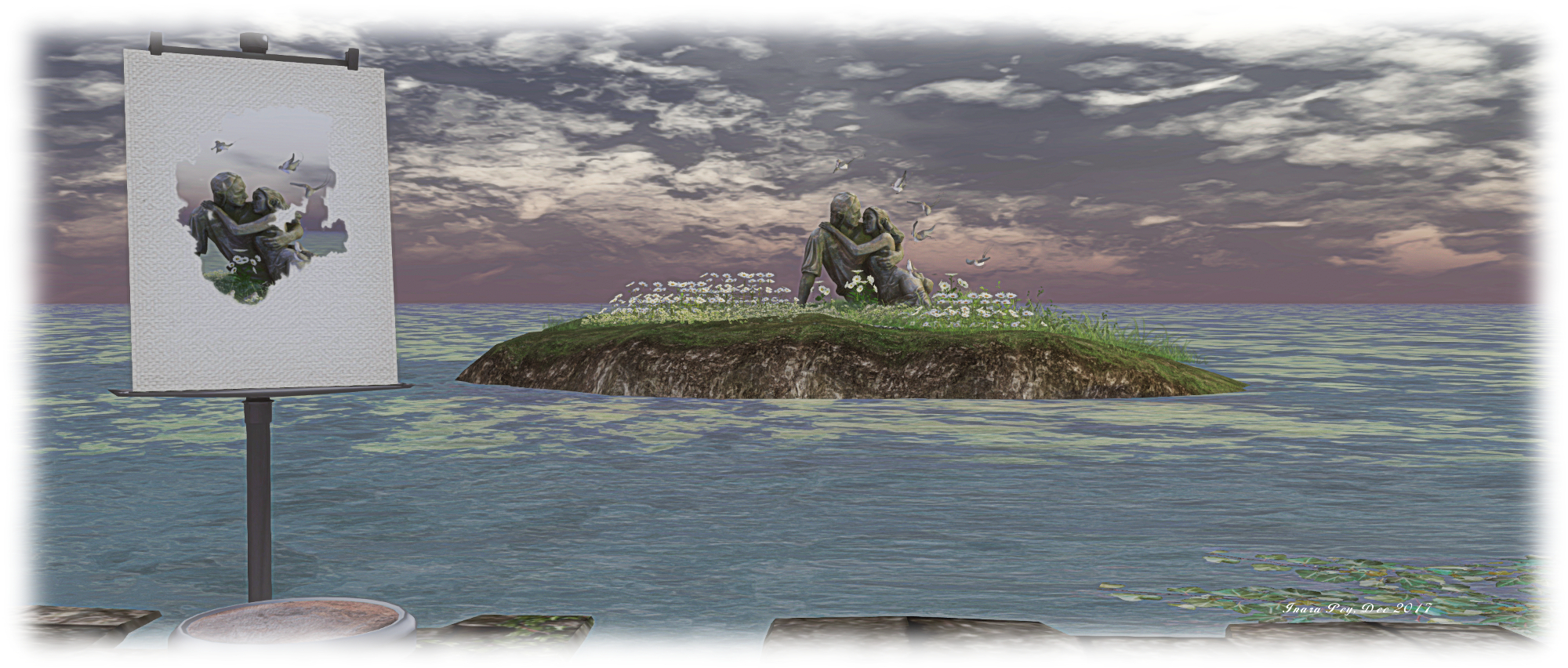
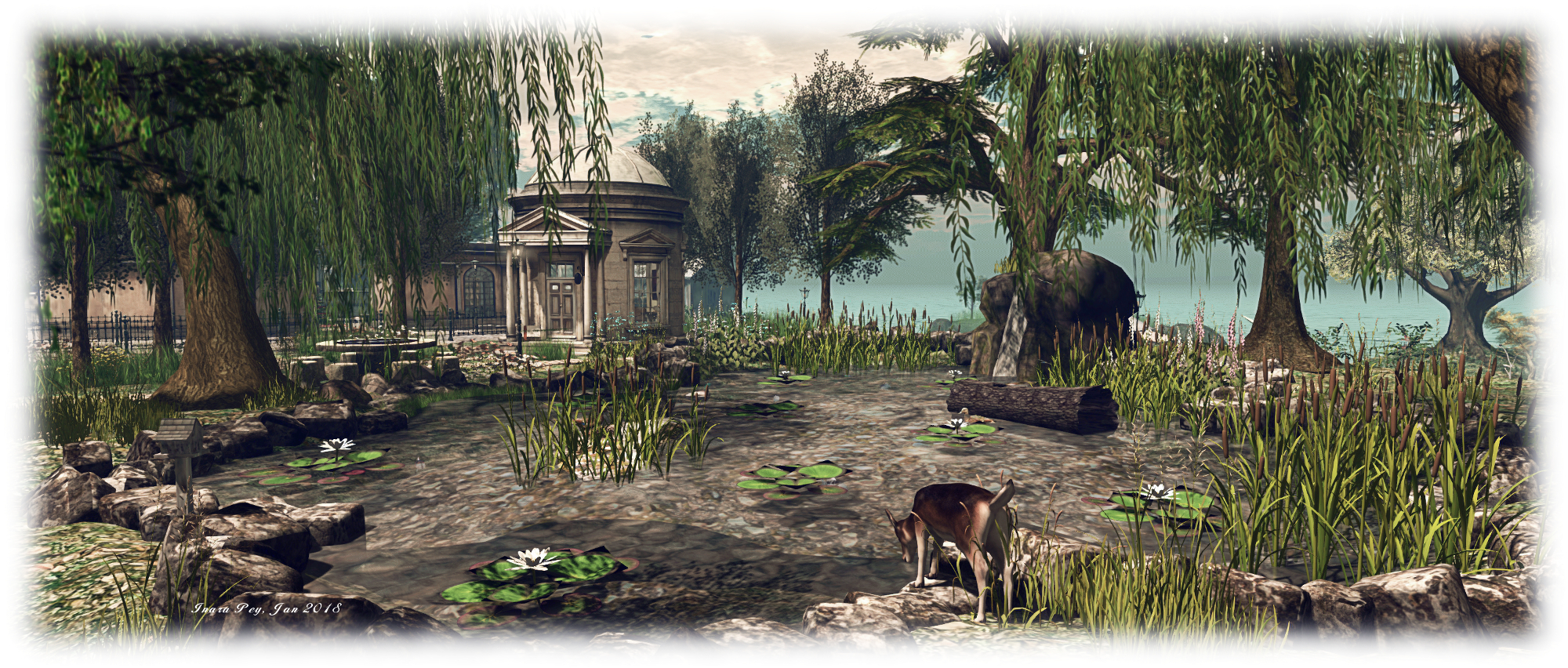
To the east of the land, reach via a winding road and a bridge, is a small artist’s commune, with one studio on the “mainland”, the others on a small island separated from the rest of the land via a small channel. Above these, facing the little hamlet of houses and shops sits a further house, a large pond before it, with a folly on the far side. Secluded by trees, overlooking the sea, it has all the looks of a private country home, a getaway. Closer examination, however, reveals it to be a cosy café.

With ducks and geese, deer, pigs and birds, as well as horses and cattle, the land is rich in detail and natural sounds, while the art gallery and studios offer further attractions for people to see. All of which makes R.A.H.M.E.N.L.O.S. a pleasing visit. When doing so, I would recommend perhaps trying out various windlight options; I’m not convinced the default does the land full justice. For the images here, I took the liberty of using Annan Adored’s Morning Dream – with a little retouching through GIMP.
 R.A.H.M.E.N.L.O.S.; Inara Pey, January 2018, on Flickr R.A.H.M.E.N.L.O.S.

SLurl Details

Winter at La Vie in Second Life

La Vie; Inara Pey, January 2018, on FlickrLa Vie – click on any image for full size

Reader and fellow grid traveller Diomita Maurer (her blog is here) dropped me a line about the winter look at La Vie, the homestead by Krys Vita and Arol Lightfoot we’ve visited twice before (see here and here for more), suggesting Caitlyn and I  pay it a further visit before the snow melts. So, we headed over for a look.

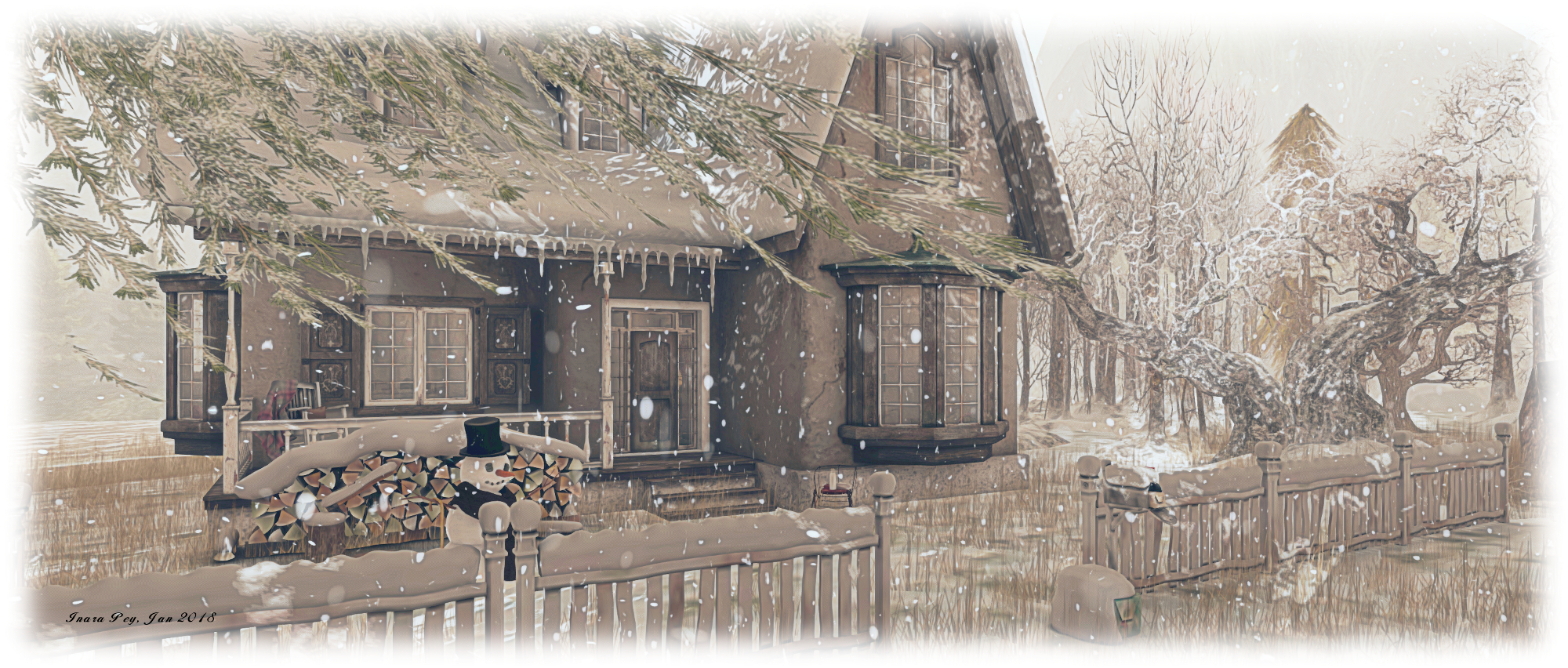
As with the autumn build, which we visited in October, the winter design is built around a central body of water. However, almost everything else within the region has been completely redesigned and covered in a soft blanket of snow – with more falling from the sky – although it does retain the same use of muted colours and soft tones.

La Vie; Inara Pey, January 2018, on FlickrLa Vie

Visitors arrive on a track running along the bank of this water, the snow finding it hard to gain a purchase on the rutted earth. Set back from this track sits a large house, aged both inside and out, warmly furnished and decorated for Christmas. In the ground behind the house sits a raised deck with a small gazebo and swing, a hot tub sitting out under the falling snow, its heat countering the colder air. The deck offers a view out over the frigid waters surround the land, a view which likely makes the water in the hot tub all that more inviting as a means of avoiding the cold.

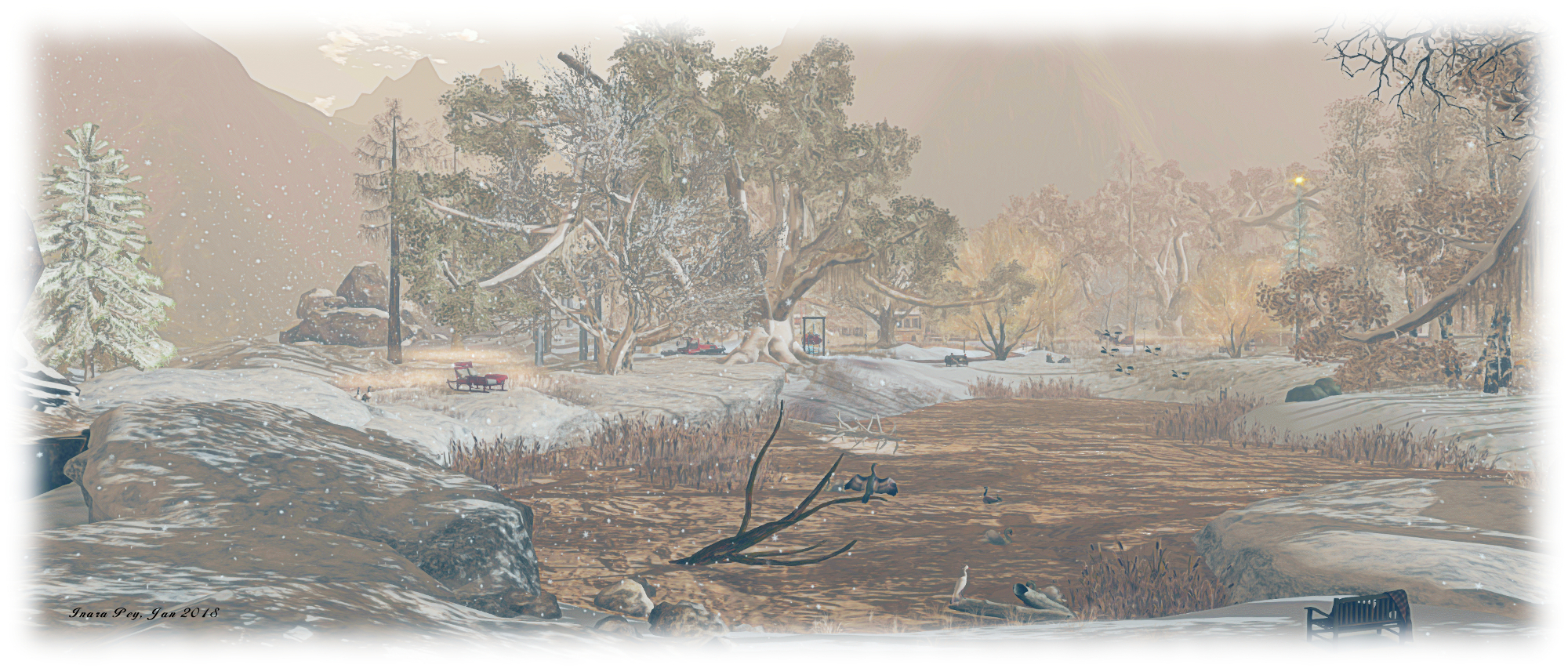
The reason the snow is having a hard time finding purchase on the track is revealed further around the central pond: a tracked snow plough is paused mid-way through its work of clearing the worst of the snow. It sits parked near the towers of an old ski lift, a rezzing point for sledges at the best of one of the towers. Nor is this the only rezzer in the region:  a closer look at the pond will reveal signboards offering skates for those who ice a little dancing on ice.

La Vie; Inara Pey, January 2018, on FlickrLa Vie

Follow the track in the opposite direction to the snow plough, and it will loop you around the pond to another house, a small shack selling fir trees beside it. The track ends just beyond this, but travellers can continue across the rough terrain, to where a fence marks the boundary of another house, sitting in the south-west corner of the land. A rugged, curve ridge rises westward of this house, climbing in steps to a flat table of rock topped by an old church – although there doesn’t appear to be a way to easily climb the rocks and reach it.

Across this landscape sit cars and tucks with fir trees strapped to roofs, in the flat beds or poking out of the sunroof. There are also numerous places to sit – from sleighs pulled by a horse or reindeer to park benches to swings – as well as in the houses. These  combine to make La Vie’s winter setting very pleasing to see and photograph and in which to spend time sitting, talking and just passing the time.

La Vie; Inara Pey, January 2018, on FlickrLa Vie

We once again enjoyed our time visiting, and will doubtless return to see further seasonal changes at La Vie.

SLurl Details

  • La Vie (La Vie, rated; Moderate)

Return to Brand New Colony in Second Life

Brand New Colony; Inara Pey, January 2018, on FlickrBrand New Colony – click on any image for full size

Brand New Colony is closed. SLurl have been removed from this article as a result.

In September 2017, we visited Brand New Colony, a homestead designed by Bunny Blessed (Svelte Blessed) and Mimara Blessed (Mimara), and we very much enjoyed our explorations. So when Miro Collas sent me a message to say the region had relocated and in the process had been rebuilt, we decided to jump to the new location and take a look.

Still in the hands of the Blessed family, and designed once again by Bunny and Mimara, with assistance from Seren La Croix (torturedstar), the region in its new location carries on some of the themes from the September 2017 design whilst presenting a wholly new look that touches on fantasy in an eye-catching and imaginative way.

Brand New Colony; Inara Pey, January 2018, on FlickrBrand New Colony

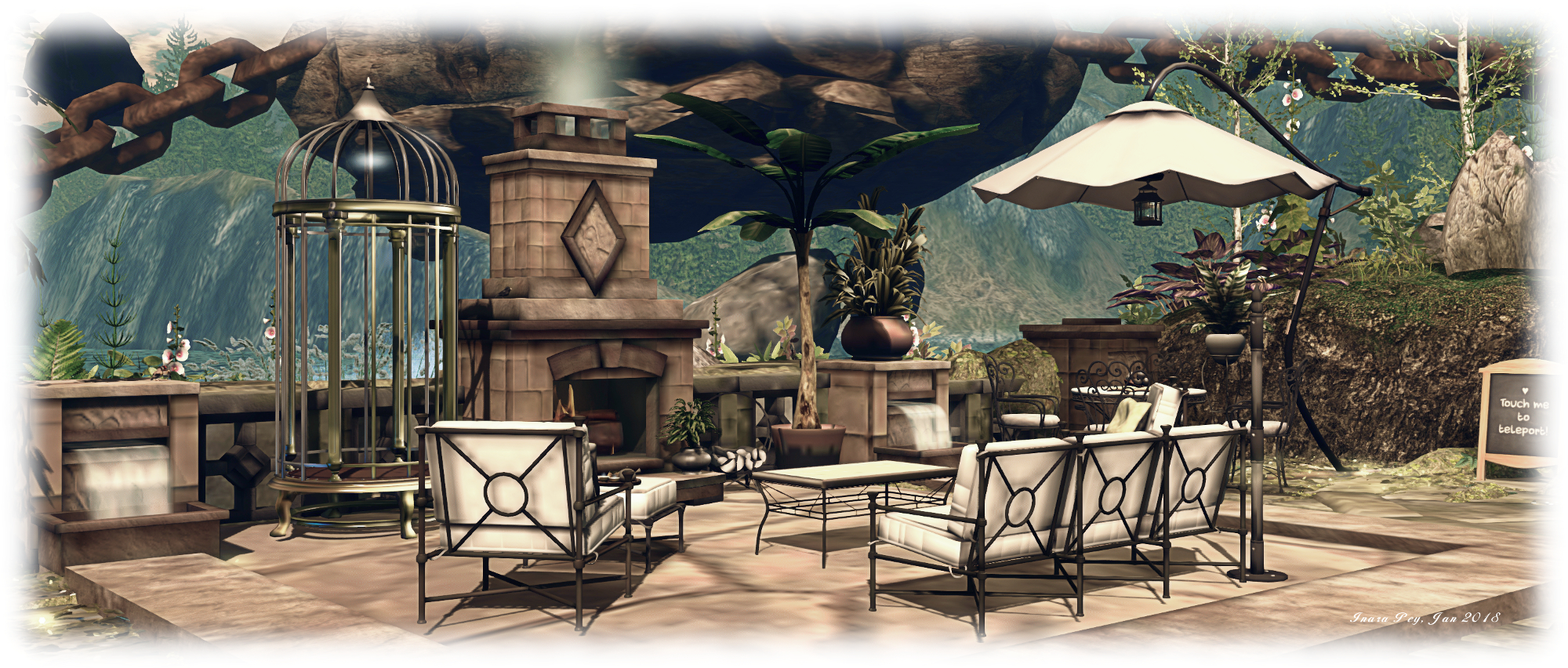
As with the September design, a core aspect of this new build is islands. Surrounded by tall, grass-covered peaks, Brand New Island presents six islands – although three are not what you might expect. The largest of these islands is a rugged affair, thrusting up from foamy waters, its flat top home to a large villa which echoes part of the look from the September 2017 design. Furnished indoors and within its courtyard, the villa shares this table of rock with an outdoor terrace located closer to the water, sitting on a low shoulder of rock reached via a stone stairway. With plenty of room to sit around the fireplace, this terrace ends at a small jetty against which a Loonetta 31 is moored.

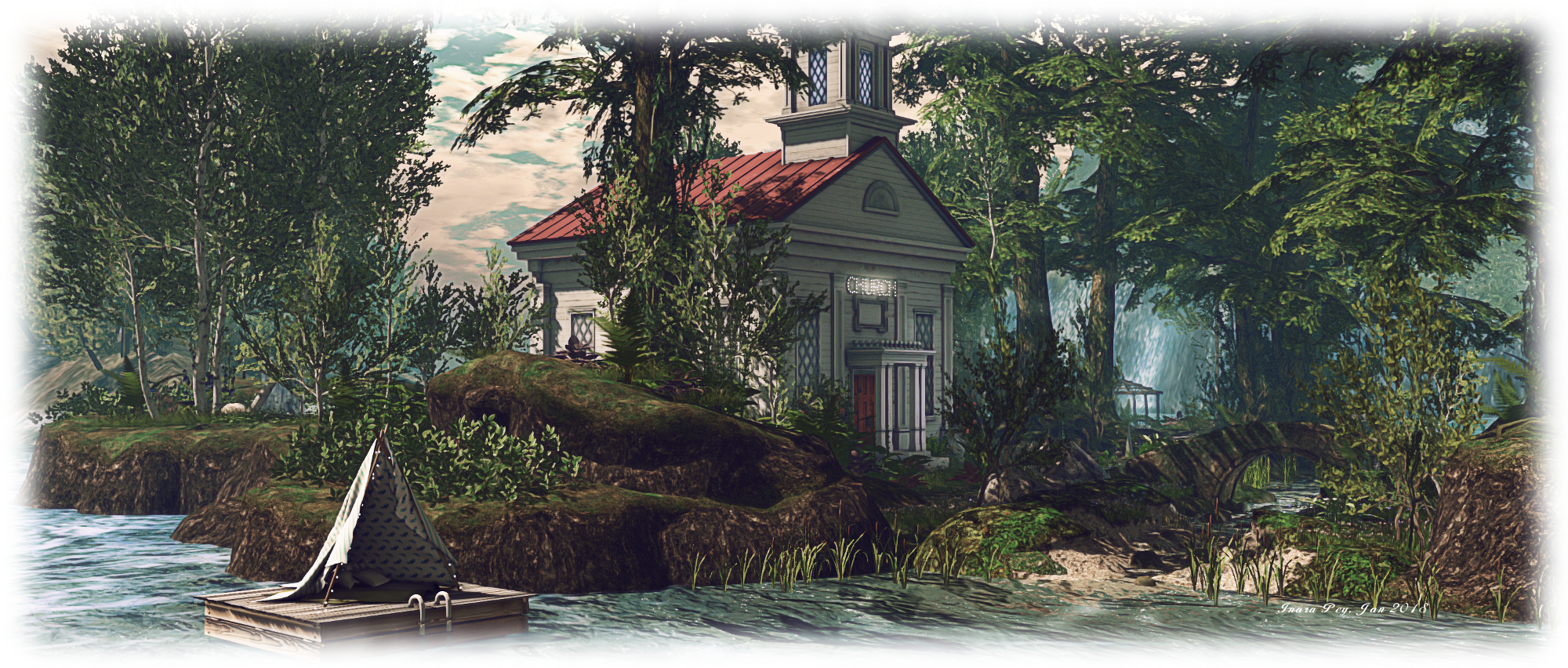
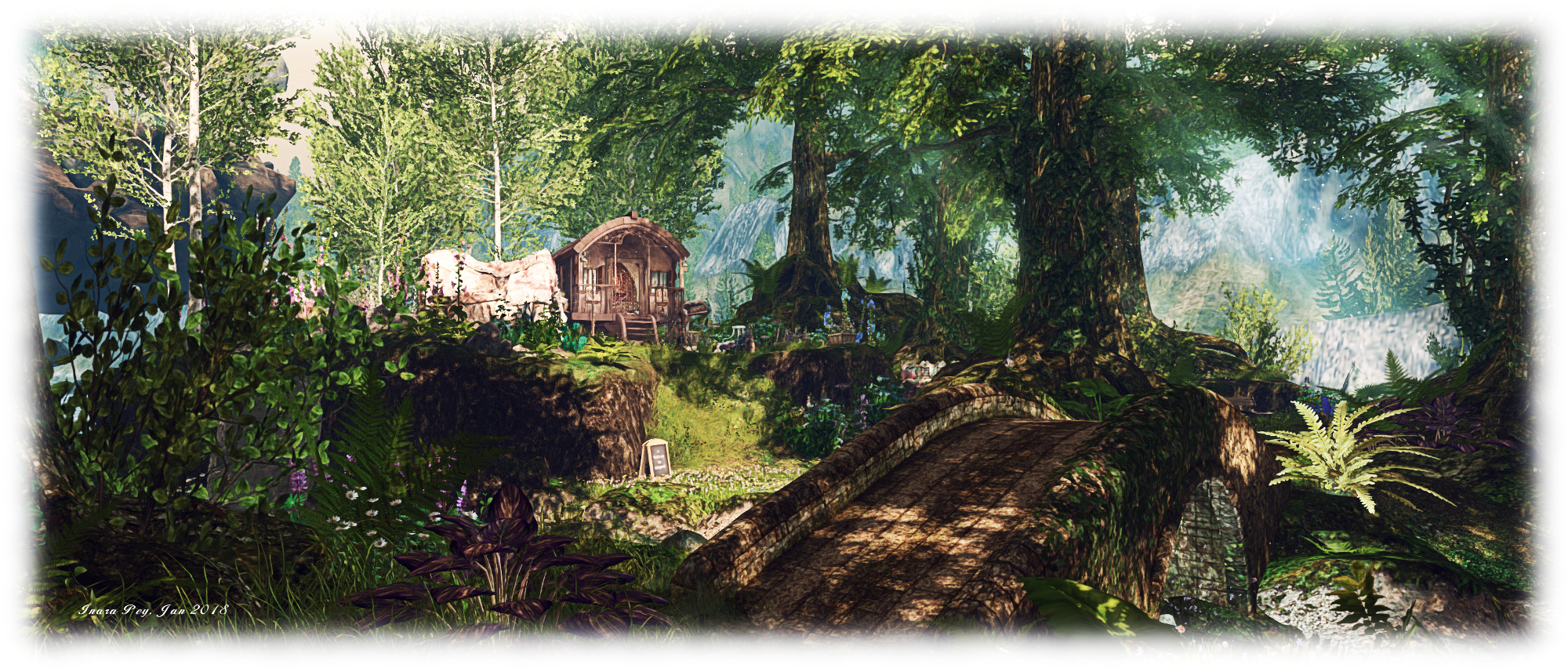
The terrace also offers a fine view across the water to two more islands – these so closely linked, they at first appear to be a single body of land rising gently from the surrounding waters. It is only while exploring that the narrow channel dividing them becomes apparent, stone and wood bridges spanning it to link these two richly wooded islands. Much is to be found on them, be it the red-roofed chapel or the little Romany encampment or, a little further afield and more secluded, various points where couples can sit and cuddle under the shade of trees or by rounded pools of quiet water.

Brand New Colony; Inara Pey, January 2018, on FlickrBrand New Colony

But how does one get from the villa island to its neighbours? The answer to that question isn’t hard to find, lying as it does within the unique presentation of the three remaining islands, one of which forms the landing point for visitors, and is home to a gazebo those who visited the September 2017 design will likely find familiar.

Rather than being surrounded by the region’s foamy waters, these three islands are floating – rising, even – above them. It is as if gravity has forgotten them, so they have cut loose from their foundations to start a slow rise into the sky, setting smaller boulders and rocks tumbling and spinning in the air in defiance of gravity in the process. But they have not been allowed to escape entirely: great chains anchor the larger two of these floating islands to their cousins below, the chains massive and rusted, forming iron bridges visitors can use to travel between those below and those in the air.

Brand New Colony; Inara Pey, January 2018, on FlickrBrand New Colony

Two of these islands seem content with their lot, firmly anchored in place to those below. The third, however, linked to the landing point island, appears more wayward. Canted at a slight angle, it seems to resent the massive chain impeding its upward progress and is still attempting to ascend, the great trees on its grassy top seeming to grasp the grassy rock in their roots, grimly determined to hang on.

With chains connecting it to both the villa island and one of the wooded islands, the landing point offers a natural connection between the two, while to the south-east, and linked only to the villa island, the last of those floating in the area offers its flat top to a garden setting. Focused on a large gazebo, this features statues, fountains, a rich variety of unusual flower planters – including an old grand piano and a garden swing to an overgrown tea party attended by stone sculptures, presenting a wonderfully fanciful scene.

Brand New Colony; Inara Pey, January 2018, on FlickrBrand New Colony

For those who prefer not to chance the chains linking the islands together, a teleport system is supplied; look for the chalk signs boards found at or near each of the major locations and click on them for a list of destinations. Make sure you accept the local experience, and TPs will be automatic on selecting a destination thereafter.

At the time of our visit, some construction work still seemed to be in progress, so some things may well change over the coming days. However, that shouldn’t put visitors off. This latest iteration of Brand New Colony retains all the beauty of the former region, while offering something very new and fun to explore.  Our only word of warning is that it is rich in textures, some of which can take a little time to load.

Brand New Colony; Inara Pey, January 2018, on FlickrBrand New Colony

SLurl Details

  • Brand New Colony (Teasers, rated: Adult)


Once more to Whimberly

Whimberly; Inara Pey, December 2017, on FlickrWhimberly – click on any image for full size

Whimberly marked one of the first places we visited in Second Life at the start of 2017, when I remarked that the great beauty of the region lay within its simple elegance. In August, a return visit was made, after region holder Staubi (Engelsstaub) had given Whimberly a make-over, presenting a new look along the same elegant simplicity of presentation. So, when friend Miro Collas tipped me that a further make-over had been made to the region, it seemed a third visit would make a fitting end-of-year report on the region, balancing may January write-up.

This latest iteration of the region offers something of an echo of both the designs from mid-year and the start of 2017. As with August 2017, the landing point sits towards the north-east of the island, up on a rocky shoulder of a hill. Once again, this is home to a small summer-house – but in difference to August’s design, this one has been converted into a 50’s style diner inside, complete with jukebox, vinyl covered bench sitting and plenty of chrome. Also echoing the August design, a stone fountain sits outside of the diner, a parasolled seating area to one side, looking southwards across the water to a small island where a windmill stands, sails gently turning.

Whimberly; Inara Pey, December 2017, on FlickrWhimberly

A dirt track runs down the hill to the lower reaches of the island, which have something of a feel for the January design of the region. A wide-open, grassy scene dominates the central landscape beneath the cloud-laden sky, the track splitting before the tide of grass, one arm leading to another summer-house, this one sitting within ornate walls, but offering a strong reminder of a similar place found within the January 2017 build, complete with the deck looking out over northern waters.

To the south, the track curve past a second wooden deck, where little motor boats can be rezzed and used to reach the windmill island, before following the water’s edge westwards before forking again, offering route to a choice of local houses.

Whimberly; Inara Pey, December 2017, on FlickrWhimberly

The first of these has a distinctly Mediterranean look to it. With the old pick-up truck parked outside the front, the well and the cart wheels stacked against a wall, it might easily be taken for a farm-house. A look inside and a walk to the back of the house, with its terraced pool, reveal it to be anything but. An old stone jetty, broken and partially flooded – one of two to be found alongside the shoreline – sits close by, a place where an artist has been practising their skill with brush and paint.

The second house is much larger, and occupies the south-west spur of the island. Sitting among what might be oak trees and watched by a weeping willow, this has the feel of a family home – three pairs of Wellington boot in the hall, a meal for three set on a table, and so on. A car sits outside the garage, guarding the front door.

Whimberly; Inara Pey, December 2017, on FlickrWhimberly

The little motor boats available to puttering around on the water are, I have to say, quite nippy; also, getting out of them takes a little care as well – any double-click teleporting will carry you back to the landing point. However, the windmill offers a haven for Greedy, Greedy and On a Roll fans, while a picnic blanket is spread under the wind-bent back of an old tree close to the windmill’s doors.

Whimberly always has been a region of serene, natural beauty, and this iteration is no exception; the melding of ideas from earlier designs is sublime, and the entire look and feel of the region so perfectly executed with a wonderfully light touch. It’s the perfect setting for an end-of-year visit, and a reminder that while we are in the midst of winter in the northern hemisphere, spring is really not that far away. In other words, an ideal place to visit and escape the winter blues.

Whimberly; Inara Pey, December 2017, on FlickrWhimberly

SLurl Details

Tralala’s Diner in Second Life

Tralala’s Diner – click any image for full size

We first came across Tralala’s Diner courtesy of (who else?) Shakespeare and Max, who forwarded the landmark back in September 2017, although time didn’t permit us a visit until November (partly because I misfiled the LM in inventory). The description for the region – designed by tralala Loordes – did pique my curiosity in part: “Hong Kong Rooftop Slums” – not that I managed to find anything that remotely put me in mind of that wonderful city. The rest of the description, however, suits this full region right down to the T: it really is post-apocalyptic setting, with lots going on.

In fact, so much is going on visually, that the region is perhaps lifted above other regions offering similar settings; there is a quirkiness about Tralala’s Diner which makes it a little more than “just” your typical post-apocalyptic setting. Yes, there are the fires, the ruined buildings, the areas being reclaimed by nature, the attempts to organise life after the fall as witnessed through the presence of wind turbines, and what appears to be – at least going on the number of antennae, aerials and satellite dishes vying for rooftop space – attempts to make contact with other group who may have survived whatever disaster has befallen this world.

Tralala’s Diner

A visit starts at the landing point, slight off-centre to the middle of the region, in a shack at the end of an old street. An overpass rises just outside the shack, broken and bearing the wrecks of vehicles rusting in the elements. Signs beneath the elevated road warn of bio hazards ahead, perhaps encouraging those stepping out under a grubby sky to turn and follow the old road pointing away from the dire warnings. This road has long since been overtaken by nature, grass and bushes laying claim to its one pristine tarmac, the ageing and decrepit buildings on either side of it seeming to have faired better under nature’s attempts at reclamation.

Where you go from here is a matter of pointing your feet; it actually doesn’t matter where you go, as you’re bound to come across something extraordinary in whichever direction you opt to strike out. Daring the warning signs, for example, will bring you to a shanty town built within and on the roofs of old industrial units, and huddled around the square of a market offering a Sino-Japanese fusion of looks. Southwards, and the southern aspect of the region is given over to the ruins of city tower blocks standing as if blasted by one ore more explosions. Then there are the more eclectic structures to be found that together add a strange whimsy to the place; like the sliced hull of a submarine converted into a dormitory or barracks or the improbable sight of the home built of shipping containers held aloft by a propeller lazily turning beneath them, the owner’s bicycle neatly propped outside the vault-like door.

Tralala’s Diner

And that’s just the start. Everywhere are buildings old and older, whole and broken, some sheltering homes or market stalls or shops or other signs of commerce, others harking back to a bygone era when machines turned within them, people pulled off the roads to spend a night in their bedrooms and money was the oil that kept life moving. Now, among the hodgepodge of homes and places of commerce, the broken road and the decaying vehicles, the only things moving seem to the birds and the wind turbines. The latter are scattered across the landscape, standing alone or in regimented rows of three, as if waiting for some latter-day Don Quixote to come tilting at them, perhaps on a bizarre steed of human design.

What makes Tralala’s Diner particularly fascinating is the detail poured into it. Everywhere you wander there is something to see, be it large or small. The marketplace, for example is chock full of human bric-a-brac and the needs of life, while many of the buildings have interior fittings and furnishing, however shabby they might be. There is some cost for this however, particularly if you run the viewer with shadows enabled: with all the textures, the rainfall, etc., I found my FPS collapsing into single digits while exploring, and did struggle in a couple of places with rendering / movement.

Tralala’s Diner

Nevertheless, for those who like dystopian environments and places offering a post-apocalyptic outlook, Tralala’s Diner should not be missed. It is photogenically captivating, and those taking pictures are encouraged to post them to the region’s Flickr group.

SLurl Details

A photogenic twirl in Second Life

La virevolte; Inara Pey, December 2017, on FlickrLa virevolte – click on any image for full size

La virevolte (The Twirl) is a gorgeous Homestead region designed by Iska (sablina). Caught in a winter setting, this is a rugged region is a rugged setting, running from lowland areas in the west to highland regions to the east, surrounded by snow-capped mountains.

Where this might be is open to question – there are few clues in the form of architecture and wildlife, although the vehicles in the region are of European origin. But where this might be really doesn’t matter; what is important is the sheer beauty of the region’s composition, which uses muted tones and colours to considerable effect, both outdoors and inside the buildings scattered across the region.

La virevolte; Inara Pey, December 2017, on FlickrLa virevolte

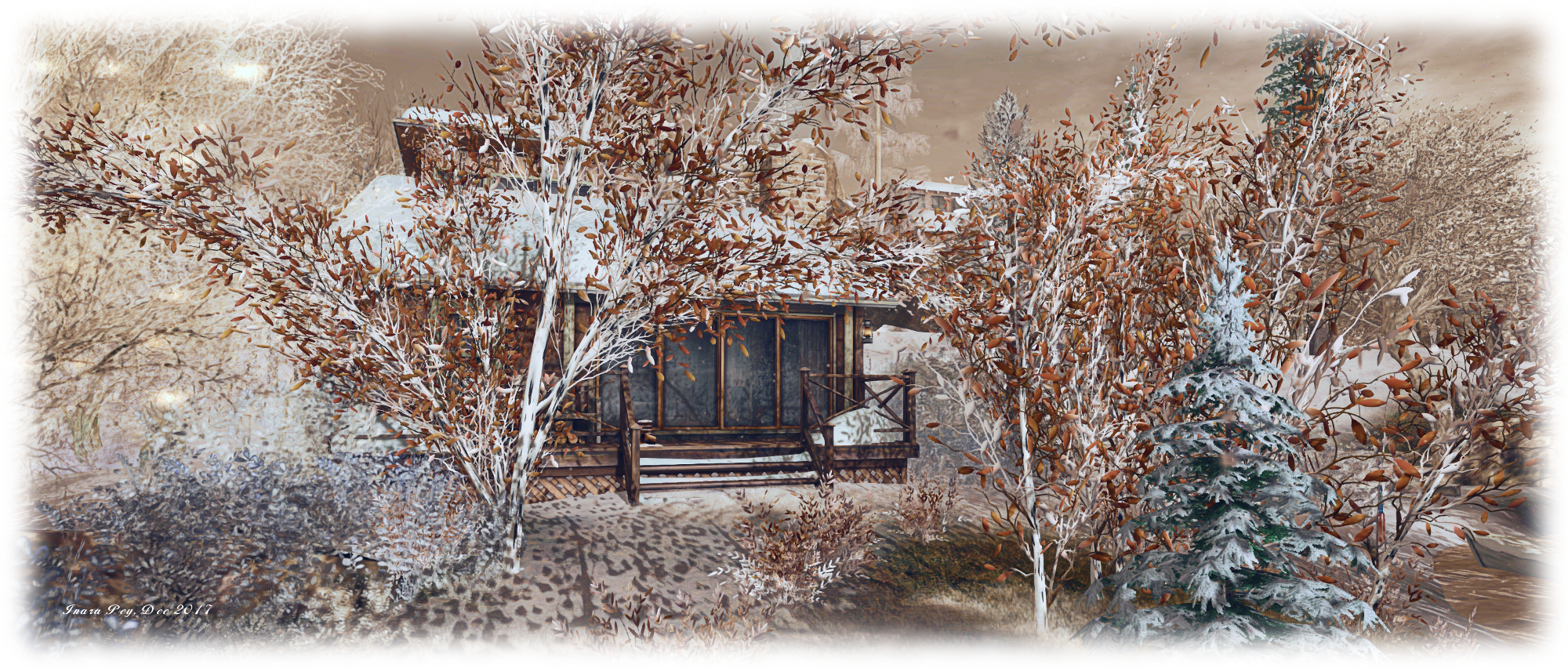
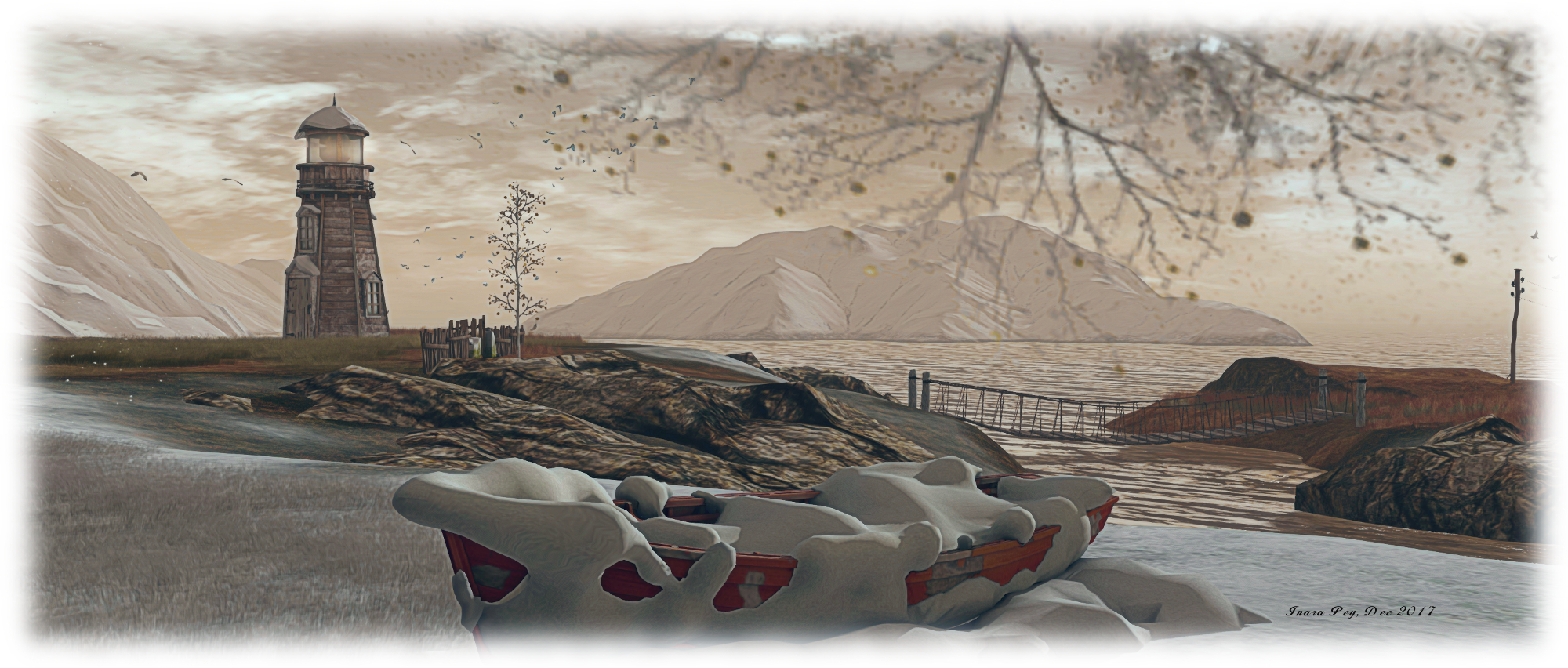
The landing point lies in the middle of the region,  close to a snowy track that winds from a headland on the west side, where an old lighthouse sits, then passes a log cabin sitting within its own fenced-off grounds before arriving at the foot of the eastern uplands.  A narrow channel cuts into the land near the lighthouse, forming a small, oval bay spanned by an ageing bridge. On the south side of this channel lies an old stone-walled barn, a Citroen van parked close by.

This western side of the landscape is largely snow free – although as one travels eastwards, the snow makes its presence felt, both on the ground and as it falls from a sky filled with scurrying clouds that scrape their way over the tall surrounding mountains. This gives the perfect impression of a wintry cold front moving across the land, depositing snow as it passes, gradually hiding the tough grass of the region under a white blanket.

La virevolte; Inara Pey, December 2017, on FlickrLa virevolte

Within the deeper snows of this eastern side of the region, sits a cosy wooden cabin overlooking waters that cut into the landscape from the north to form a small bay and finger of water that cuts a small slice of land off from the rest to form a little island. This brackets the western headland, connected to it by a rope-and-wood bridge. Old ruins sit on this crooked silver of land, sharing it with a curtain of silver birch which line the banks of the water channel.

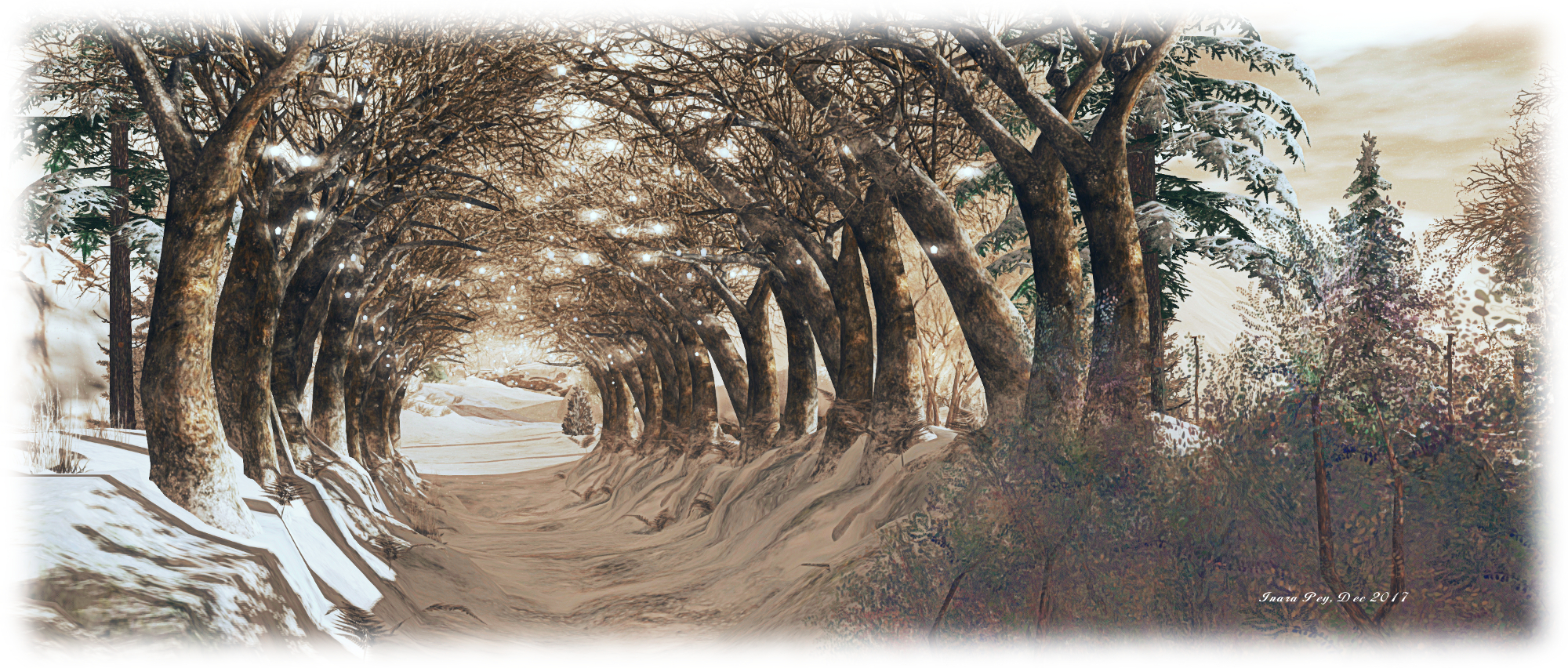
Behind the cabin, the rocky shoulders of a plateau rise in steps to where a barn has been converted into something of a club house or social space, with comfortable sofas and chairs, a pool table and general bric-a-brac. This is reached by way of stone steps cut into the rock, and which rise from the western end of the rutted track mentioned above. An avenue of small trees, their trunks bent into a series of arches, also runs from close by the cabin to the foot of the steps.

La virevolte; Inara Pey, December 2017, on FlickrLa virevolte

Rocks also rise in the south-east corner of the region, offer a small shelf where another, unfurnished, cabin sits. This can be reached by following the curve of a second track that branches from the first to swing around a low table of rock to provide access to a little depression in the land, where sits a well and a pair from benches – and stone steps offer the way up to the cabin.

There are one or two areas where the grasses to the east and north need to be set to phantom, but La virevolte is wonderfully wild, windswept and marvellous photogenic. It makes for a picturesque visit – and our thanks, once again, to Shakespeare and Max for pointing it out to us!

La virevolte; Inara Pey, December 2017, on FlickrLa virevolte

SLurl Details